
California, the Golden State, is renowned for its unparalleled natural beauty, diverse landscapes, and vibrant cities. From the sun-drenched beaches of San Diego to the majestic peaks of the Sierra Nevada, and the towering redwoods of the north to the arid expanses of Joshua Tree National Park, it’s a destination that beckons adventurers, relaxation-seekers, and culture enthusiasts alike. However, for those planning a trip, embarking on a hiking expedition, or even just enjoying a local park, a common question often arises: “Are there ticks in California?” The short answer is yes, ticks are indeed present across various regions of California. But before this information causes any undue alarm or alters your travel plans, it’s crucial to understand that with awareness, appropriate precautions, and a little knowledge, you can still fully enjoy all the incredible experiences California has to offer.
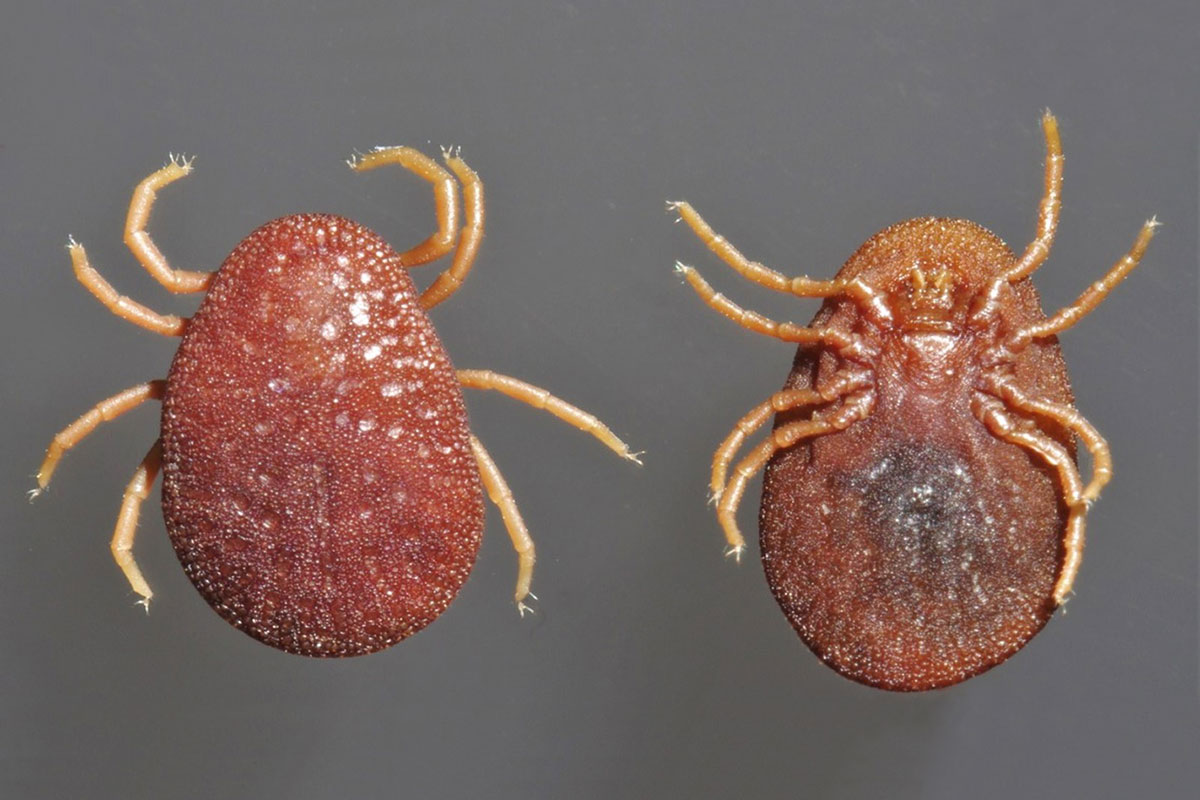
This comprehensive guide aims to equip travelers, residents, and anyone venturing into California’s stunning outdoors with the necessary information about ticks. We’ll delve into where they are found, the types of species to be aware of, peak activity seasons, and most importantly, effective strategies for prevention and what to do if you encounter one. Our goal is to provide peace of mind, allowing you to focus on creating unforgettable memories, whether you’re exploring the urban charm of San Francisco, enjoying a Napa Valley vineyard tour, or embarking on a wilderness adventure in Yosemite National Park.
Understanding Tick Presence in the Golden State
The sheer geographical diversity of California plays a significant role in the prevalence and distribution of different tick species. From coastal chaparral and dense redwood forests to oak woodlands and desert fringes, various habitats support distinct tick populations. Understanding these environments and the types of ticks they host is the first step in responsible outdoor engagement.
A Diverse Landscape, Diverse Tick Habitats
California is a mosaic of ecosystems, each with its own set of flora and fauna, including ticks.
- Northern California and Coastal Ranges: Areas like the Redwood National Park and the coastal mountains, characterized by dense vegetation, forests, and moist conditions, are prime habitats for ticks, particularly the western black-legged tick.
- Sierra Nevada Foothills and Mountains: The oak woodlands and mixed conifer forests of the Sierra Nevada and regions around Lake Tahoe are also known tick hotspots. Hikers, campers, and those enjoying cabins or resorts in these areas should be especially vigilant.
- Central Coast and Southern California: While less dense in some areas, chaparral and scrub brush common in regions like Big Sur, Santa Barbara, and the hillsides surrounding Los Angeles can still harbor ticks, especially the Pacific Coast tick.
- Urban and Suburban Parks: Even in metropolitan areas like Oakland, Sacramento, or San Jose, ticks can be found in grassy areas, unmaintained trails, and parks that border natural open spaces. This means even a casual stroll through a local park warrants awareness.
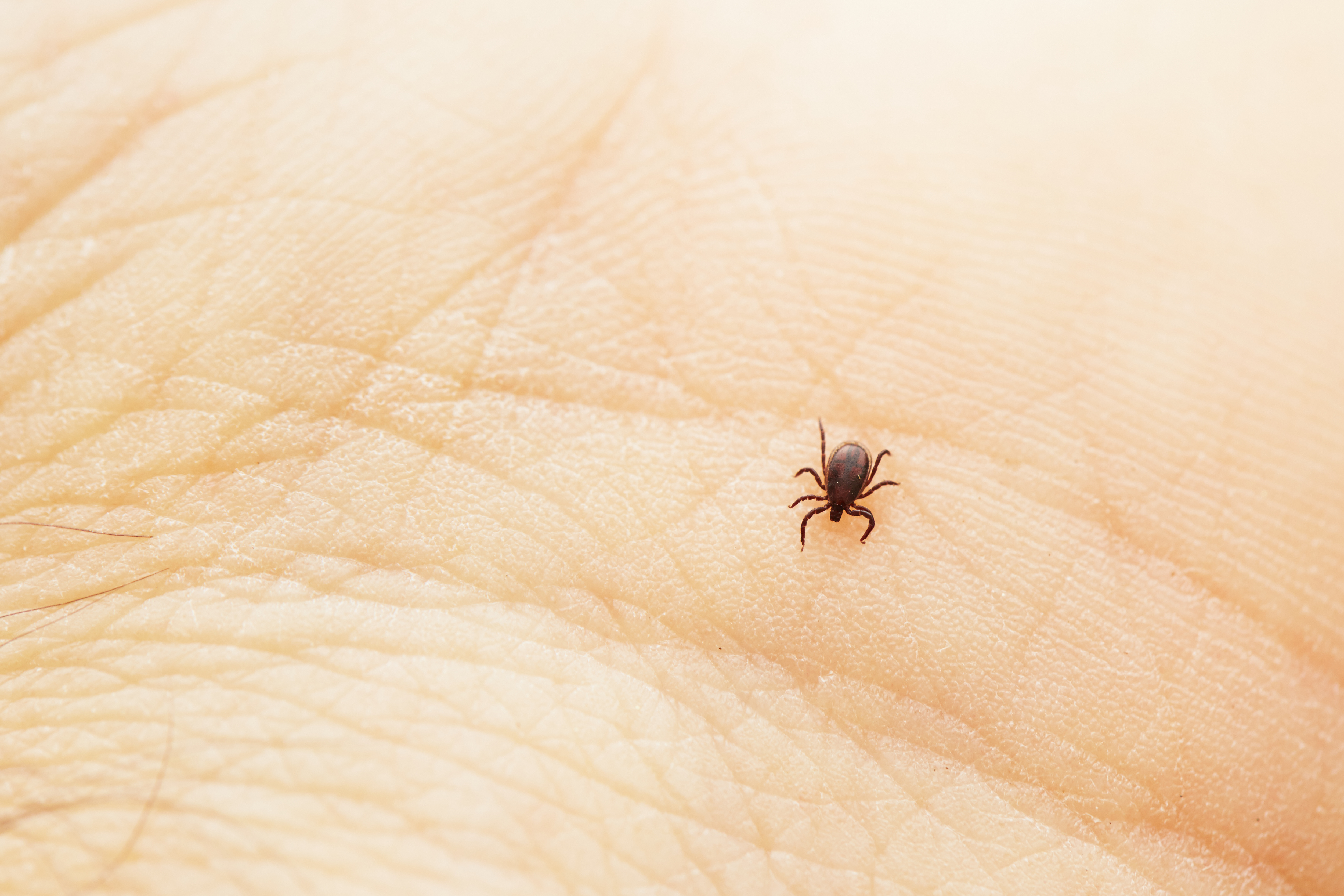
Ticks typically prefer shaded, humid environments with tall grasses, leaf litter, and brush, where they can easily attach to passing hosts. They don’t jump or fly; instead, they “quest,” waiting on vegetation for an animal or human to brush against them.
Key Tick Species to Know
While many tick species exist, a few are particularly relevant due to their potential to transmit diseases in California:
- Western Black-Legged Tick (Ixodes pacificus): This is the primary vector for Lyme disease in California. It’s most common in the northern coastal regions, the Sierra Nevada foothills, and oak woodlands. It can also transmit Anaplasmosis.
- Pacific Coast Tick (Dermacentor occidentalis): Found predominantly in coastal and central California chaparral and grasslands. While it doesn’t transmit Lyme disease, it can carry the agents for Rocky Mountain spotted fever and Colorado tick fever, and its bites can sometimes cause tick paralysis in sensitive individuals.
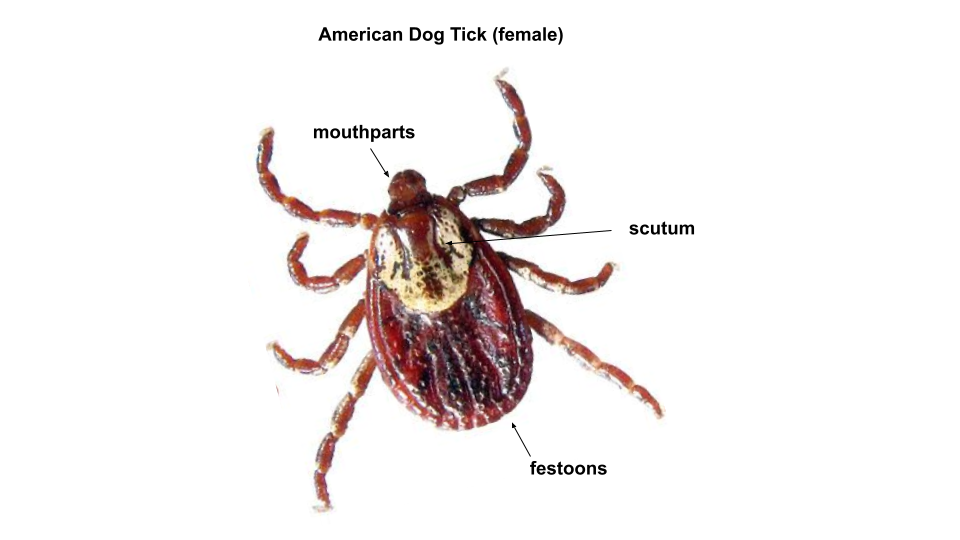
- American Dog Tick (Dermacentor variabilis): Also known as the wood tick, it’s widely distributed across the US, including parts of California. It can transmit Rocky Mountain spotted fever and tularemia.
- Brown Dog Tick (Rhipicephalus sanguineus): Unique among ticks, this species can complete its entire life cycle indoors. While primarily a concern for dogs, it can occasionally bite humans and transmit Ehrlichiosis. Its presence is often associated with homes or kennels with dog populations.
Seasonal Activity and Peak Risk Periods
Tick activity in California is not constant throughout the year; it generally correlates with weather patterns.
- Spring and Early Summer (March to July): This is typically the peak season for nymphal (young) ticks, especially the western black-legged tick. Nymphs are tiny and often go unnoticed, posing a significant risk for Lyme disease transmission. This coincides with many people planning spring breaks and early summer outdoor adventures.
- Fall (October to December): Adult ticks, particularly the western black-legged tick, become more active during the cooler, moister conditions of autumn. Hikers and hunters should be particularly cautious during this period.
- Winter: In milder coastal and southern regions, some tick activity can persist through warmer winter days. In colder, high-elevation areas like the Sierra Nevada, tick activity significantly decreases or ceases during winter.
- Summer (July to September): Hot, dry summers can reduce tick activity in many areas, as ticks prefer humidity. However, areas near irrigated lawns or permanent water sources may still harbor ticks.
It’s important to remember that these are general patterns, and local conditions can always vary. It’s always best to check with local park rangers or health advisories if you have concerns about specific areas.
Navigating California’s Natural Beauty Safely
California’s allure lies in its boundless opportunities for outdoor exploration, from iconic national parks like Yosemite and Sequoia National Park to scenic coastal trails and expansive state parks. Enjoying these wonders safely, especially concerning ticks, requires a proactive approach.
Essential Prevention Strategies for Travelers and Outdoor Enthusiasts
Prevention is the most effective defense against tick bites and potential tick-borne diseases. Incorporating these habits into your travel and outdoor lifestyle can significantly reduce your risk:
- Dress Smartly: When venturing into tick-prone areas, wear light-colored clothing. This makes it easier to spot ticks crawling on you. Long sleeves and long pants tucked into socks or boots create a physical barrier.
- Use Effective Repellents:
- Skin Repellents: Apply EPA-registered insect repellents containing DEET (20-30%), Picaridin (20%), or Oil of Lemon Eucalyptus (OLE) to exposed skin. Always follow product instructions.
- Clothing Treatment: Treat clothing and gear (tents, backpacks) with products containing 0.5% Permethrin. Permethrin kills ticks on contact and remains effective through several washes. Never apply Permethrin directly to skin.
- Stick to Trails: When hiking or walking in wooded or grassy areas, stay on marked trails. Avoid brushing against tall grass, leaf litter, and dense vegetation where ticks often wait.
- Check Yourself, Family, and Pets Thoroughly:
- Regular Checks: Conduct full-body tick checks after spending time outdoors, especially focusing on areas like the scalp, behind the ears, neck, armpits, groin, belly button, and behind the knees.
- Pets: Don’t forget to check your furry companions, as they can bring ticks into your accommodation or home. Consult your veterinarian about tick prevention products for pets.
- Shower Post-Outing: Showering within two hours of coming indoors can help wash off unattached ticks. It also provides an excellent opportunity for a thorough tick check.
- Tumble Dry Clothes: Tumble dry clothes on high heat for at least 10 minutes to kill any remaining ticks on dry clothing. If clothes are damp, they may need longer.
Accommodation Choices and Tick Awareness
Your choice of accommodation and how you manage your immediate surroundings also plays a role in tick prevention.
- Camping and Cabins: If you’re staying at camping sites or rustic cabins near natural areas, be extra cautious. Check your sleeping bags, tents, and bedding. Consider treating outdoor gear with Permethrin.
- Resorts and Hotels: While less common in high-end luxury resorts or urban boutique hotels, ticks can still be inadvertently carried in on clothing or pets. Always perform checks after outdoor excursions.
- Vacation Rentals: If renting a home or apartment, especially in rural or semi-rural settings, ensure the property’s outdoor areas (gardens, lawns) are well-maintained to minimize tick habitats. Inquire with property managers about pest control practices if you have concerns.
Post-Excursion Precautions
After a day of exploring California’s breathtaking scenery, a routine of post-excursion care is vital.
- Immediate Clothing Care: As mentioned, putting clothes directly into a dryer on high heat is an excellent way to kill any hidden ticks. If you can’t dry them immediately, place them in a sealed bag to prevent ticks from escaping into your living space.
- Tick Checks Revisited: A warm shower can dislodge ticks that haven’t yet attached. Use a mirror for hard-to-see areas or have a travel companion assist.
- Pet Inspections: If traveling with pets, daily, thorough inspections are paramount. Ticks often hide in ears, between toes, and under collars. Many topical or oral tick preventatives are available, which can be discussed with your vet before your trip.
What to Do If You Find a Tick
Despite the best preventative measures, finding a tick attached to yourself or a travel companion can happen. Remaining calm and knowing the correct removal procedure is key to minimizing health risks.
Safe Tick Removal Techniques
Prompt and proper tick removal is crucial. The longer a tick is attached, the higher the risk of disease transmission.
- Gather Your Tools: You’ll need fine-tipped tweezers. Avoid using bare hands, petroleum jelly, hot matches, or other folk remedies, as these can irritate the tick and cause it to regurgitate potentially infectious fluids into the bite wound.
- Grasp Firmly: Use the tweezers to grasp the tick as close to the skin’s surface as possible. Get a good grip on the tick’s head or mouthparts, not its body.
- Pull Straight Up: Pull upward with steady, even pressure. Do not twist or jerk the tick, as this can cause the mouthparts to break off and remain in the skin. If mouthparts do break off, try to remove them with the tweezers. If you can’t remove them easily, leave them alone and let the skin heal.
- Clean the Area: After removing the tick, thoroughly clean the bite area and your hands with rubbing alcohol, an iodine scrub, or soap and water.
- Dispose of the Tick: To dispose of a live tick, place it in rubbing alcohol, seal it in a bag or container, wrap it tightly in tape, or flush it down the toilet. Do not crush it with your fingers.
- Document (Optional but Recommended): Consider taking a photo of the tick and noting the date and location of the bite. This information can be useful if symptoms develop later. Some health departments or labs may offer tick identification services.
Recognizing Symptoms and Seeking Medical Advice
After a tick bite, monitor yourself for several weeks for any signs of illness.
- Common Symptoms:
- Rash: A classic “bull’s-eye” rash (erythema migrans) is a hallmark of Lyme disease, but it doesn’t always appear, and it might not always be perfectly circular. Other rashes can also occur with different tick-borne illnesses.
- Fever and Chills: Unexplained fever, often accompanied by chills.
- Headache: Persistent and sometimes severe headaches.
- Muscle and Joint Aches: Body aches and joint pain without other explanation.
- Fatigue: Unusual and prolonged tiredness.
- When to See a Doctor:
- If you develop any of these symptoms within several weeks of a tick bite.
- If you know you were bitten by a tick and are concerned, especially if the tick was attached for more than 24-36 hours.
- Inform your doctor about the tick bite, when it occurred, and where (if you remember the location in California). Early diagnosis and treatment of tick-borne diseases are crucial for preventing more severe complications.
For travelers, it’s particularly important to be aware of your symptoms after returning home, as tick-borne illness symptoms can sometimes be delayed. Don’t hesitate to seek medical attention from your primary care physician, explaining your recent travel to California.
Enjoying California Responsibly: A Holistic Approach to Travel and Lifestyle
California remains an extraordinary destination, offering an incredible array of experiences that cater to every type of traveler. From the iconic landmarks like the Golden Gate Bridge to the pristine wilderness of Lassen Volcanic National Park, the presence of ticks should be a matter of awareness, not deterrence.
Balancing Adventure with Prudence
The key to a worry-free California adventure is striking a balance between embracing the state’s natural beauty and exercising prudence. Ticks are a part of many natural ecosystems worldwide, and California is no exception. By understanding the risks, implementing preventative measures, and knowing how to respond to a bite, you significantly mitigate any potential concerns. Whether you’re planning a family trip to a theme park, a luxurious retreat in Sonoma, a budget travel adventure exploring hidden gems, or a business stay with some leisure time, incorporating tick awareness into your lifestyle ensures a safer, more enjoyable journey.
Don’t let the thought of ticks overshadow the incredible experiences that await you. The vast majority of visitors and residents navigate California’s outdoors without incident, thanks to simple, effective strategies.
Resources and Further Information
For the most up-to-date and localized information, always consider consulting official resources:
- California Department of Public Health: Their website often provides specific advisories and maps of tick-borne disease prevalence.
- National Park Service: If visiting a national park, check the park’s official website or speak with rangers at visitor centers for current conditions and tick activity in specific areas.
- Local Health Departments: For specific counties or regions, local health departments can offer valuable, localized insights.
In conclusion, yes, there are ticks in California. But with this knowledge comes empowerment. Embrace the breathtaking landscapes, vibrant cities, and diverse attractions that make California a world-class destination. By integrating tick awareness into your travel planning and daily outdoor activities, you can confidently explore every corner of the Golden State, ensuring your journey is filled with nothing but incredible memories.
LifeOutOfTheBox is a participant in the Amazon Services LLC Associates Program, an affiliate advertising program designed to provide a means for sites to earn advertising fees by advertising and linking to Amazon.com. Amazon, the Amazon logo, AmazonSupply, and the AmazonSupply logo are trademarks of Amazon.com, Inc. or its affiliates. As an Amazon Associate we earn affiliate commissions from qualifying purchases.