
California, a land of diverse landscapes, iconic landmarks, and vibrant cultures, has long been a dream destination for travelers and a beloved home for its residents. From the sun-kissed beaches of San Diego to the majestic redwoods of the north, and the bustling cityscapes of Los Angeles and San Francisco, the Golden State beckons with endless possibilities for exploration and a life well-lived. However, to truly unlock the freedom of movement within this vast and beautiful state, a driver’s license is often indispensable. It’s not just a legal document; it’s a key to independence, economic opportunity, and the ability to fully immerse oneself in the Californian lifestyle.
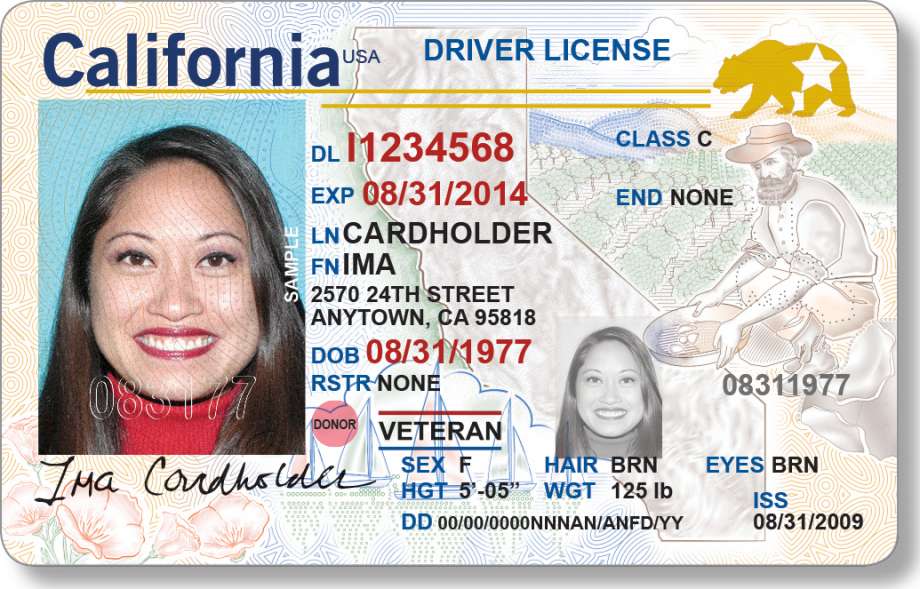
For many years, the question of whether undocumented residents could obtain a driver’s license in California remained a complex and often contentious issue. The ability to drive legally is a fundamental aspect of daily life for countless individuals, impacting everything from commuting to work, accessing healthcare, and taking children to school, to embarking on spontaneous road trips to Yosemite National Park or a weekend getaway to a luxury resort. Recognizing the profound impact this had on public safety, economic participation, and overall quality of life, California took a significant step forward with the implementation of Assembly Bill 60 (AB 60). This landmark legislation, effective January 1, 2015, fundamentally changed the landscape, allowing eligible undocumented immigrants to apply for and obtain a driver’s license. This article delves into the specifics of this program, guiding you through the process and exploring its broader implications for travel, lifestyle, and integration within the Golden State.
Understanding California’s AB 60 Driver’s License Program
The introduction of AB 60 marked a pivotal moment in California’s approach to immigration and public policy. Prior to this, obtaining a driver’s license was largely contingent on proving legal presence in the United States, creating a significant barrier for undocumented residents. This not only limited their personal mobility but also raised concerns about public safety, as many were compelled to drive without proper licensing or insurance. AB 60 sought to address these issues head-on, promoting safer roads for everyone while providing a pathway to greater integration for a significant portion of the state’s population.
What is an AB 60 License?
An AB 60 driver’s license is a standard California driver’s license that can be issued to individuals who meet all driving requirements but cannot provide proof of legal presence in the United States. Crucially, these licenses are specifically marked with “FEDERAL LIMITS APPLY” on the front and “NOT FOR FEDERAL OFFICIAL USE” on the back. This distinction is vital: it signifies that while the license is valid for driving purposes within California and for identification in most state-level transactions, it cannot be used for federal purposes. This includes, but is not limited to, entering federal facilities, boarding domestic flights (after REAL ID implementation without an alternative federal ID), or for voter registration. The purpose of this specific marking is to comply with federal regulations while still providing the necessary state-level driving privileges.
The primary aim of AB 60 was multifaceted: to enhance road safety by ensuring more drivers are tested, licensed, and insured; to facilitate economic activity by enabling more people to commute to work and participate in the economy; and to improve the daily lives of countless families who previously faced immense challenges due to lack of legal driving privileges. For anyone living in California, whether exploring vibrant neighborhoods or commuting to a job, reliable transportation is key to accessing everything from bustling markets to serene nature preserves.
Who is Eligible for an AB 60 License?
Eligibility for an AB 60 license is broad, encompassing individuals who are residents of California and can demonstrate they cannot establish legal presence in the United States, yet meet all other standard requirements for obtaining a driver’s license. This includes:
- Age Requirement: Applicants must be at least 16 years old.
- Residency: Proof of California residency is essential. This can be established through various documents, as detailed in the application process.
- Inability to Establish Legal Presence: This is the defining criterion. Applicants must affirm that they are unable to provide satisfactory proof of legal presence in the U.S.
- Driving Competency: All applicants, regardless of immigration status, must demonstrate their knowledge of California traffic laws by passing a written exam and prove their driving skills by passing a behind-the-wheel driving test. They must also pass a vision test.
It’s important to note that the AB 60 program focuses on providing driving privileges for those living within California’s borders, contributing to the safety and functionality of the state’s roads for all motorists. The inclusion of this demographic helps to ensure that more drivers on the road are trained, tested, and understand the rules, fostering a safer environment whether you’re driving through downtown Sacramento or cruising along the scenic Highway 1.
The Application Process: Your Guide to Getting an AB 60 License
Navigating the application process for any driver’s license can seem daunting, but the California Department of Motor Vehicles (DMV) has streamlined the procedure for AB 60 applicants. The key is thorough preparation and understanding the specific requirements, especially regarding documentation.
Required Documentation: Proving Identity and Residency
For AB 60 applicants, proving identity and California residency is a crucial step that differs slightly from traditional applications. Since proof of legal presence isn’t required, the DMV accepts a broader range of documents to verify who you are and where you live. Applicants must provide:
- Proof of Identity: This typically requires presenting at least two documents that establish your identity. Accepted documents include, but are not limited to:
- A foreign passport.
- A foreign national identity card.
- An official consular identification card.
- A foreign birth certificate accompanied by an identity document.
- A foreign military identification card.
- A California driver’s license or ID card issued under prior rules (if applicable).
- Matricula Consular cards.
- Official school documents from a California school, if containing a photograph.
- Any combination of these, subject to DMV approval, with one document ideally having a photograph.
- Proof of Residency: You’ll need to demonstrate that you are a current resident of California. This can be achieved with documents such as:
- Utility bills (gas, electric, water, cell phone).
- Rental or lease agreements, or mortgage statements.
- Bank statements.
- Official school documents.
- Medical documents.
- Employment documents (pay stubs, W-2 forms).
- Insurance policies (auto, home, health).
- Tax returns.
The DMV website provides a comprehensive list of acceptable documents, and it’s highly recommended to consult it before your appointment. Having more than the minimum required documents can help ensure a smoother process. This flexible approach to documentation reflects California’s commitment to inclusivity, ensuring that a lack of specific federal documents doesn’t prevent eligible residents from obtaining a driver’s license.
The DMV Experience: From Application to Road Test
Once you’ve gathered your documents, the path to obtaining an AB 60 license follows a structured process at the DMV:
- Schedule an Appointment: It is highly advisable to schedule an appointment online or by phone. DMV offices can be very busy, and an appointment will significantly reduce your wait time.
- Complete the Driver’s License Application (DL 44): This form can be filled out online in advance or at the DMV office.
- Pay the Application Fee: There is a fee associated with the application, which must be paid at the time of your visit.
- Fingerprints and Photo: You will have your thumbprint taken and a photograph for your license.
- Vision Test: All applicants must pass a vision screening to ensure they meet the minimum visual acuity requirements for safe driving.
- Written Knowledge Test: This test assesses your understanding of California traffic laws, road signs, and safe driving practices. The DMV offers practice tests and a driver’s handbook in multiple languages to help you prepare. This is a critical step, emphasizing public safety.
- Receive a Provisional Permit: After passing the written test and vision screening, and verifying your identity and residency, you’ll be issued a provisional permit. This permit allows you to practice driving with a licensed adult (25 years or older) in the vehicle.
- Behind-the-Wheel Driving Test: Once you feel confident and have adequately practiced, you’ll need to schedule and pass a practical driving test. A DMV examiner will assess your ability to safely operate a vehicle, follow traffic laws, and perform basic maneuvers.
- Receive Your License: Upon successfully passing the driving test, you will typically receive a temporary license on the spot. Your permanent AB 60 driver’s license will be mailed to you within a few weeks.
Each step is designed to ensure that every driver on California’s roads is competent and understands their responsibilities, making the state a safer place for both residents and visitors exploring its many attractions.

The Broader Impact: Travel, Lifestyle, and Integration in California
The ability to legally drive extends far beyond simply getting from point A to point B; it significantly impacts an individual’s quality of life, access to opportunities, and capacity for enjoying the rich experiences California offers. For many, an AB 60 license represents a gateway to greater freedom and a fuller participation in the state’s vibrant social and economic fabric.
Enhancing Mobility and Access to California’s Attractions
Imagine wanting to explore the iconic Golden Gate Bridge, stroll through Disneyland Resort, hike in Joshua Tree National Park, or discover the serene beauty of Lake Tahoe. While public transportation options exist in major cities, much of California’s allure lies in its sprawling natural wonders, charming small towns, and diverse regional attractions that are often best accessed by car. With an AB 60 license, individuals can confidently:
- Embark on Road Trips: From the dramatic coastal views of Big Sur along Highway 1 to the desert landscapes of Death Valley National Park, California is a prime destination for road travel. A driver’s license allows families to plan vacations, explore new destinations, and create lasting memories without the constraints of relying solely on others or limited public transport.
- Access Remote Destinations: Many of California’s most breathtaking national parks, wilderness areas, and even some unique boutique hotels or resorts are situated off the beaten path. A license provides the autonomy to visit these often-secluded spots, opening up opportunities for hiking, camping, and experiencing nature’s tranquility.
- Explore Local Culture and Cuisine: Traveling to different cities like San Francisco, Los Angeles, or Palm Springs allows individuals to delve into unique local cultures, food scenes, and entertainment options. A driver’s license makes it easier to navigate these urban environments, dine at acclaimed restaurants, visit museums, or catch a show at Universal Studios Hollywood or the Hollywood Walk of Fame.
- Facilitate Accommodation Bookings: While not a federal ID, the AB 60 license serves as a valid state-issued identification. This can streamline processes like checking into hotels, apartments, or villas, renting cars (though rental car companies may have additional ID requirements beyond state law), or even proving identity for various tourism-related activities, such as tours or attraction tickets. A traveler arriving in Santa Monica can more easily check into their Santa Monica beachfront hotel with a valid ID.
Practical Considerations for Travel and Daily Life
Beyond leisure travel, the AB 60 license profoundly impacts daily life and the practicalities of living in California:
- Commuting to Work: For many, especially those in service industries or agricultural sectors, reliable transportation is a prerequisite for employment. A driver’s license allows individuals to commute safely and legally, expanding job opportunities and contributing to the state’s economy.
- Accessing Essential Services: Driving is often essential for accessing healthcare appointments, grocery stores, legal services, and educational institutions. This is particularly true in suburban and rural areas where public transport options are limited.
- Family Responsibilities: Parents can more easily transport their children to school, doctor’s appointments, and extracurricular activities, fostering family stability and well-being.
- Insurance and Safety: Legal drivers are more likely to obtain auto insurance, which provides financial protection in case of accidents and reduces the burden on uninsured motorist funds, benefiting all drivers on the road. The knowledge gained from the written and practical tests also promotes safer driving habits.
The AB 60 license truly embodies a philosophy of practical inclusion, recognizing that the ability to drive is not just a privilege but a necessity for modern life and for fully engaging with all that California has to offer, from budget travel experiences to luxury stays.
A Step Towards Broader Inclusion and Economic Participation
From a broader societal perspective, AB 60 represents more than just driving privileges. It symbolizes a step towards greater inclusion and recognition for a significant part of California’s population. By providing a valid form of identification and the ability to drive legally, the program empowers individuals to participate more fully in the economy and civic life. This integration can lead to:
- Increased Tax Revenue: More licensed drivers means more insured drivers, which in turn leads to more reliable vehicle registrations, fuel purchases, and sales tax contributions.
- Reduced Hit-and-Run Incidents: When all drivers are licensed, they are more likely to stay at the scene of an accident, reducing the number of hit-and-run incidents and improving accident reporting.
- Stronger Communities: When residents feel more secure and empowered, they are more likely to contribute positively to their communities, whether through volunteering, local businesses, or community events.
- Improved Quality of Life: The reduction in stress and fear associated with driving without a license significantly improves mental well-being and overall quality of life for individuals and families.
This proactive approach by California has not only addressed a critical need for undocumented residents but has also created a safer and more cohesive environment for everyone, enhancing the overall lifestyle experience within the state.
Beyond the Golden State: Limitations and Future Considerations
While the AB 60 license opens up significant opportunities within California, it’s crucial for applicants and holders to understand its limitations, especially concerning travel outside the state and federal interactions.
Understanding the “FEDERAL LIMITS APPLY” Clause
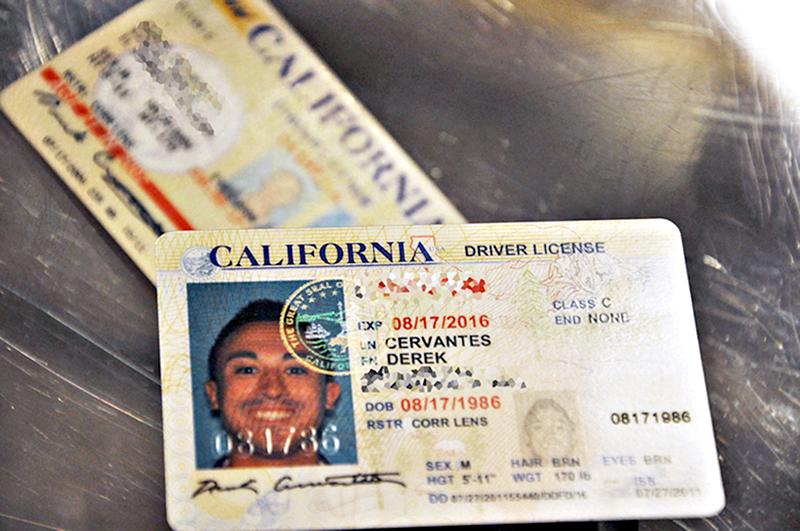
The “FEDERAL LIMITS APPLY” marking on an AB 60 license is a critical distinction that must be remembered. This license cannot be used for:
- Federal Identification: It is not accepted as a form of identification for boarding domestic flights, entering federal buildings, military bases, or nuclear power plants. For air travel, a passport or other federally accepted ID would still be required.
- Voter Registration: It cannot be used for voter registration purposes.
- Immigration Enforcement: While the DMV information obtained for the license application is generally protected, the license itself does not confer any federal immigration status or protection against federal immigration enforcement actions.
These limitations mean that while an individual can drive to Napa Valley or Sonoma County for a wine-tasting weekend, or take a family trip to San Diego to visit the zoo, they cannot use their AB 60 license to fly from Los Angeles to New York. Planning for out-of-state travel or federal interactions requires alternative forms of identification.
Future Considerations and the National Landscape
California’s AB 60 program has served as a model and inspiration for other states considering similar legislation, aiming to enhance public safety and integrate undocumented residents into the fabric of daily life. The national conversation around immigration and driver’s licenses for undocumented individuals continues to evolve, with various states adopting different approaches.
For AB 60 license holders, staying informed about changes in federal ID requirements (such as the REAL ID Act implementation) and any potential shifts in state laws or reciprocity agreements is paramount. While the license provides a vital service within California, its acceptance in other states can vary, making it important to research specific state laws if planning to drive beyond California’s borders.
In conclusion, California’s AB 60 driver’s license program stands as a testament to the state’s progressive approach to immigration and public welfare. By providing a legal and safe pathway for undocumented residents to obtain driving privileges, the state has not only enhanced road safety but also significantly improved the quality of life, mobility, and economic participation for countless individuals and families. This initiative aligns perfectly with the spirit of California – a place where opportunities for travel, vibrant lifestyle choices, and community integration are increasingly accessible to all who call it home. Whether it’s to commute to work, explore the breathtaking landmarks, or simply enjoy the freedom of the open road, the AB 60 license truly helps unlock the vast potential of the Golden State.
LifeOutOfTheBox is a participant in the Amazon Services LLC Associates Program, an affiliate advertising program designed to provide a means for sites to earn advertising fees by advertising and linking to Amazon.com. Amazon, the Amazon logo, AmazonSupply, and the AmazonSupply logo are trademarks of Amazon.com, Inc. or its affiliates. As an Amazon Associate we earn affiliate commissions from qualifying purchases.