
For many, the allure of California is undeniable. From the sun-drenched beaches to majestic peaks, the Golden State offers an unparalleled tapestry of experiences. Travelers flock here seeking adventure, cultural immersion, and moments of unforgettable beauty, whether exploring the vibrant streets of Los Angeles or the iconic landmarks of San Francisco. When planning a trip or considering a move, understanding local laws and customs is a crucial aspect of responsible travel and personal safety. Questions about self-defense, particularly regarding “Stand Your Ground” laws, can emerge, especially for those prioritizing their well-being in unfamiliar territory.
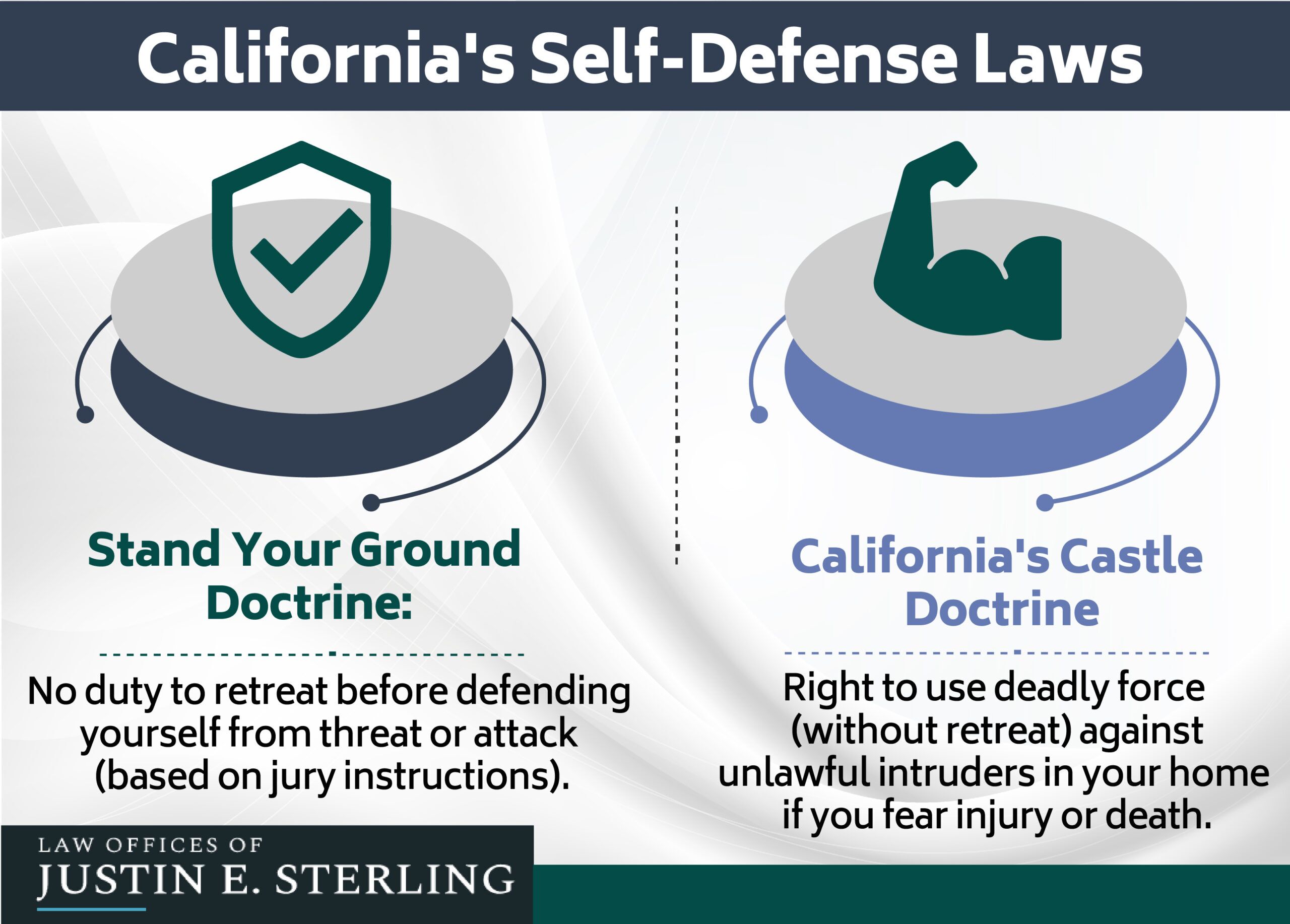
The concept of “Stand Your Ground” laws has become a widely discussed topic across the United States. These laws generally stipulate that individuals have no duty to retreat from a threat before using force if they reasonably believe it necessary to prevent death or great bodily harm. Given California’s unique legal landscape, it’s natural to wonder: Does California have “Stand Your Ground” laws? The answer is nuanced and deserves a thorough exploration, especially for those planning their next California adventure, booking their ideal accommodation, or simply living the California lifestyle. Understanding these legal provisions contributes to a more secure and enjoyable experience.
Understanding Self-Defense Laws in the Golden State
Before diving into the specifics of California, it’s important to grasp the general framework of self-defense laws in the United States. Historically, many jurisdictions adhered to a “duty to retreat” doctrine, meaning an individual had to attempt to retreat from a dangerous situation if safe to do so before resorting to deadly force. “Stand Your Ground” laws altered this, removing the duty to retreat where one is lawfully present. This shift has significant implications, transforming how individuals are legally permitted to respond to threats.
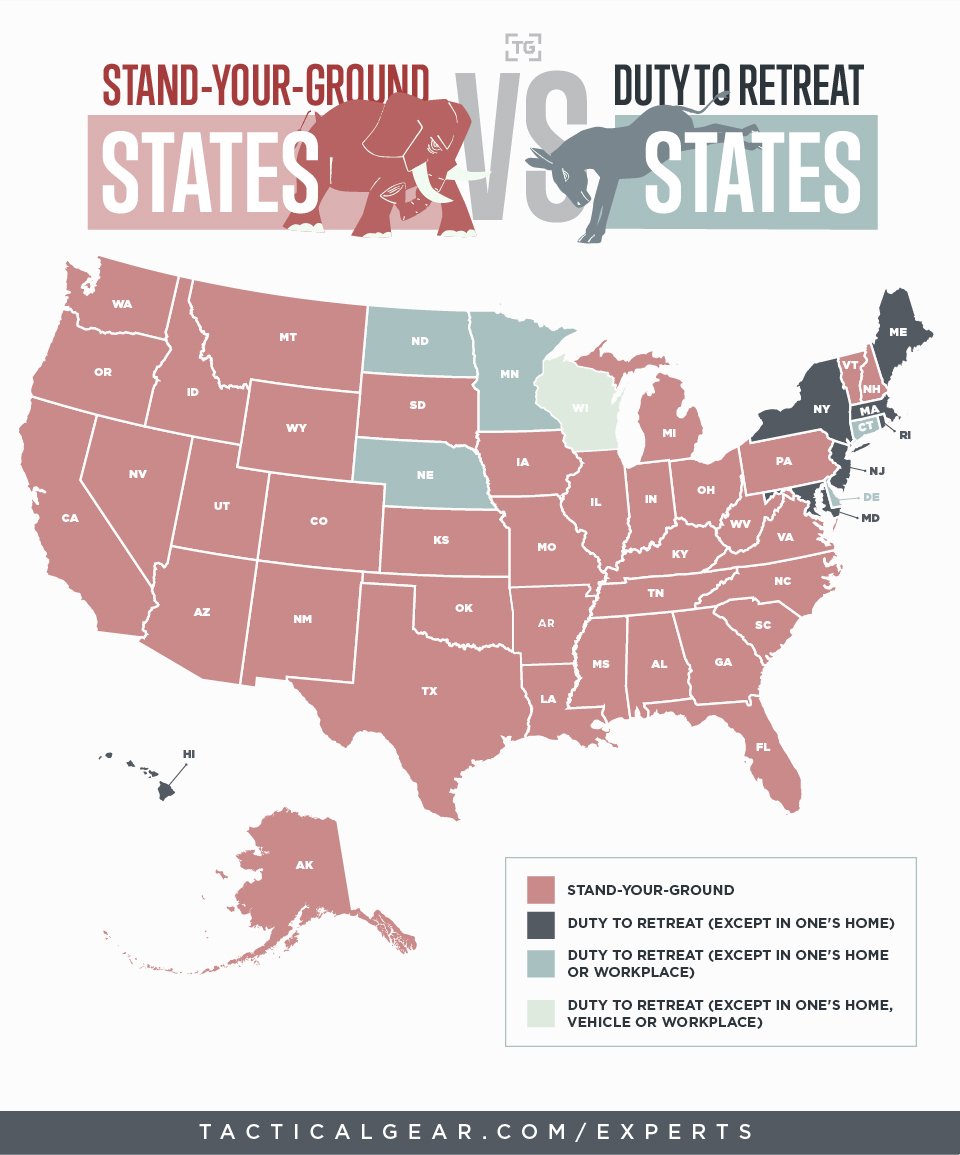
California does not have a “Stand Your Ground” law in the explicit, broad sense that many other states do. However, this doesn’t mean individuals are always required to retreat. The state’s self-defense statutes are based on the principle of reasonable force and the belief of imminent danger. It’s a critical distinction often misunderstood. For tourists exploring Hollywood or families enjoying Disneyland, understanding this nuance is vital for peace of mind and responsible conduct. The legal framework is designed to balance individual safety with the prevention of unnecessary violence.
The California Nuance: No Duty to Retreat (Generally)
While California does not technically have a “Stand Your Ground” statute, the legal landscape effectively grants individuals the right to stand their ground in many situations, though with specific conditions. Under California law, a person who is not the initial aggressor and who reasonably believes they are in imminent danger of suffering bodily injury or being killed, or of being raped, robbed, or severely injured, has the right to use reasonable force, including deadly force, to defend themselves. Crucially, in such circumstances, there is no duty to retreat.
This means that whether you are walking along the scenic coastline of Big Sur or enjoying the vibrant nightlife in Beverly Hills, if you find yourself facing an imminent threat to your life or severe bodily harm, and you are lawfully present, you are not legally obligated to try and escape before defending yourself. The key elements are “reasonable belief” and “imminent danger,” and the force used must be proportionate to the perceived threat. This is where the California approach diverges from stricter “duty to retreat” states and aligns with the effect of “Stand Your Ground” laws in many public scenarios, without explicitly using the term.
The legal standard assesses whether a reasonable person in the same situation would have believed that they were in imminent danger and that the use of force was necessary. This subjective yet objective test can be complex, and court interpretations often hinge on case specifics. For those visiting or residing in California, understanding this principle is fundamental. It empowers individuals to protect themselves but also underscores the importance of exercising good judgment and avoiding unnecessary escalation. It highlights a balance: while you don’t have to retreat, you are still expected to act reasonably.
The Castle Doctrine in California
Beyond the general “no duty to retreat” principle, California also strongly upholds a version of the “Castle Doctrine.” This legal principle designates one’s home (or “castle”) as a place where a person has the right to feel safe and secure, and thus has no duty to retreat from an intruder. In California, this doctrine is even more robust than the general self-defense rule, offering a significant presumption for homeowners and residents.
Under California Penal Code Section 198.5, there is a legal presumption that a resident of a dwelling (such as a house, apartment, or even a hotel room) has a reasonable fear of death or great bodily injury when confronted by an intruder who unlawfully and forcibly enters their habitation. This presumption is often referred to as the “home protection bill of rights.” It means that if someone breaks into your home or temporary accommodation, you are legally presumed to have been in reasonable fear for your life or safety, and therefore, your use of force, including deadly force, in self-defense is presumed justifiable. This shifts the burden of proof, making it more challenging for the prosecution to argue against a self-defense claim.
This is particularly relevant for travelers staying in hotels, vacation rentals, or long-term accommodation across California. Whether you’ve booked a luxury suite in San Francisco or a family resort near Disneyland, your temporary dwelling is protected by the Castle Doctrine. This provides an enhanced sense of security, knowing that within the confines of your chosen accommodation, the law is strongly on your side if an unlawful and forcible intrusion occurs. This doesn’t grant a license for indiscriminate force but provides a clear legal framework prioritizing the safety of occupants within their private spaces.
What This Means for Travelers and Tourists in California
For those embracing the California lifestyle, understanding these self-defense laws is more than just academic; it’s about personal empowerment and ensuring a safe and enjoyable journey. While the primary goal of any trip is relaxation and exploration, being aware of your legal rights regarding self-protection can provide an invaluable layer of security.
California’s approach to self-defense means that you generally do not have a duty to retreat from a perceived imminent threat of severe harm, whether admiring the Golden Gate Bridge or hiking in Joshua Tree National Park. This is a significant consideration, but it is paramount to remember that the force used must always be reasonable and proportionate to the threat. Overreactions or excessive force can lead to severe legal consequences, regardless of initial perceptions of danger.
Personal Safety While Exploring California’s Destinations

California’s diverse attractions, from bustling city centers to remote natural wonders, each present different environments. While generally safe, like any popular travel destination, it’s wise to maintain situational awareness. When exploring iconic landmarks like Alcatraz Island or the vibrant piers of Fisherman’s Wharf, being aware of your surroundings, especially in crowded areas, is always good practice. For those venturing into more solitary natural landscapes, such as Death Valley National Park or along the remote stretches of the Pacific Ocean coast, specific safety precautions relevant to nature travel are essential, though the legal principles of self-defense still apply if a threat arises.
Understanding that you are not legally compelled to retreat if facing imminent danger in public spaces allows for a certain level of confidence, but it should never be interpreted as an invitation to seek confrontation. The emphasis remains on reasonable self-defense, meaning only using the necessary force to neutralize a threat. For instance, if confronted in a dark alley in Los Angeles and genuinely fearing for your life, the law generally permits you to defend yourself without first attempting to flee. This legal clarity can contribute to a greater sense of security for tourists who are already navigating unfamiliar surroundings and may feel particularly vulnerable.
Self-Defense in Your California Accommodation
The Castle Doctrine is particularly reassuring for visitors choosing from the wide array of hotels, resorts, apartments, and villas available for accommodation in California. Whether you’ve opted for a charming boutique hotel in Carmel-by-the-Sea or a family-friendly suite near Universal Studios Hollywood, your temporary residence is treated with the same legal respect as a permanent home when it comes to self-defense against intruders.
This means that if an individual unlawfully and forcibly enters your hotel room, rental apartment, or other private accommodation, California law presumes you have a reasonable fear for your safety. This presumption significantly strengthens your legal standing if you need to use force, including deadly force, to protect yourself or others within your rented space. This specific legal protection offers a tangible benefit for travelers, reducing potential legal complications if they are forced to defend themselves against an intruder in their private rented space. It underscores the importance California places on the sanctity of one’s dwelling, even if it’s a temporary one. This aspect of the law is a crucial consideration for anyone planning their accommodation, providing a layer of legal security that enhances overall travel confidence.
Navigating Legalities and Ensuring a Safe California Experience
Understanding California’s self-defense laws is an important component of a comprehensive approach to personal safety. While the state’s legal framework offers robust protections, particularly within one’s dwelling, it’s essential to remember that legal self-defense is a last resort. Prevention and avoidance are always the best approaches to safety.
Key Takeaways for Responsible Travel
- No Duty to Retreat (Generally): California does not require you to retreat from an imminent threat of serious harm when you are lawfully present. This effectively functions similarly to “Stand Your Ground” in many public scenarios, but the term itself is not codified.
- Castle Doctrine Protection: Your temporary accommodation is protected by a strong Castle Doctrine, creating a presumption of reasonable fear if an unlawful, forcible intrusion occurs.
- Reasonable Force is Key: Any force used must be reasonable and proportionate to the perceived threat. Excessive force can lead to legal issues.
- Avoidance and De-escalation First: While you don’t have to retreat, common sense dictates that avoiding dangerous situations and de-escalating confrontations are always the safest initial strategies.
- Know Your Rights, Travel Smart: Being informed about self-defense laws contributes to a sense of empowerment. Combine this knowledge with practical safety tips for a worry-free travel experience.
For those considering long-term stays, perhaps for a remote work experience in Lake Tahoe or a sabbatical exploring California’s coastal towns, familiarizing oneself with local law enforcement resources and emergency protocols is also highly advisable. The legal nuances can be complex, and while this article provides a general overview, specific situations can always benefit from professional legal counsel.
Beyond the Law: Practical Safety Tips
While legal knowledge is empowering, practical safety measures are your first line of defense.
- Situational Awareness: Always be aware of your surroundings, especially in crowded tourist areas or unfamiliar neighborhoods. Avoid distractions.
- Travel in Groups: When possible, especially at night, travel with companions.
- Secure Your Accommodation: Always lock doors and windows. Utilize hotel safes for valuables. Report any suspicious activity to hotel staff or local authorities immediately.
- Trust Your Gut: If a situation or person feels unsafe, remove yourself from it.
- Emergency Contacts: Have local emergency numbers (911 in the United States) and your accommodation’s contact information readily accessible.
- Responsible Drinking: If consuming alcohol, do so responsibly and be mindful of your capacity and surroundings.
- Research Your Destinations: Before visiting a new area, do a quick search on local safety conditions or common scams.
The goal is to enjoy the rich culture, stunning natural beauty, and vibrant lifestyle that California offers, from the historic charm of San Francisco to the serene landscapes of Palm Springs, without unnecessary worry. Integrating legal awareness with practical safety habits ensures a comprehensive approach to personal well-being.
Concluding Thoughts on Safety and Enjoyment in California
California, a beacon of innovation, culture, and natural splendor, continues to draw millions of visitors and new residents each year. Its appeal lies in its diverse offerings – from world-class cuisine and entertainment in Los Angeles to the tranquil retreats of Napa Valley and the exhilarating outdoor adventures across its many national parks. For anyone planning to immerse themselves in the unique California lifestyle, understanding the nuances of the state’s self-defense laws is a valuable addition to their travel toolkit.
While California does not technically brandish a “Stand Your Ground” law by name, its legal provisions effectively grant individuals the right to defend themselves without a duty to retreat in situations of reasonable and imminent threat of severe harm. This, coupled with a robust Castle Doctrine that specifically protects individuals within their homes and temporary accommodations, provides a significant legal framework for self-protection. This understanding should empower travelers and residents alike, fostering a greater sense of security as they explore the Golden State’s myriad attractions and settle into their chosen accommodations.
The essence of responsible tourism and mindful living in California combines appreciation for its beauty with an informed awareness of its societal and legal landscape. By recognizing your rights and responsibilities, practicing common-sense safety, and staying informed, you can fully embrace the rich experiences that await, from leisurely days on the Pacific Ocean coast to thrilling nights in Hollywood. California is a state of boundless possibilities, and with the right knowledge, your journey through it can be as safe and fulfilling as it is unforgettable.
LifeOutOfTheBox is a participant in the Amazon Services LLC Associates Program, an affiliate advertising program designed to provide a means for sites to earn advertising fees by advertising and linking to Amazon.com. Amazon, the Amazon logo, AmazonSupply, and the AmazonSupply logo are trademarks of Amazon.com, Inc. or its affiliates. As an Amazon Associate we earn affiliate commissions from qualifying purchases.