
California, a state synonymous with open roads and iconic scenic drives, beckons aspiring motorcyclists with the promise of freedom and adventure. From the winding coastal highways of the Pacific Coast Highway to the majestic mountain passes, experiencing the Golden State on two wheels is an unparalleled thrill. However, before you can feel the wind in your hair and navigate these legendary routes, obtaining a motorcycle license in California is a crucial, albeit straightforward, process. This guide will walk you through the essential steps, requirements, and considerations to ensure you get your motorcycle endorsement legally and confidently.

Understanding the California Motorcycle License Process
The California Department of Motor Vehicles (DMV) oversees the licensing of all motor vehicle operators, including motorcyclists. The process for obtaining a motorcycle license, often referred to as an endorsement added to your existing driver’s license, is designed to ensure that riders possess the necessary knowledge and skills to operate a motorcycle safely. There are different paths to obtaining this endorsement, primarily distinguished by age and whether you have prior motorcycle experience.
Eligibility Requirements
Before embarking on the application process, it’s essential to confirm your eligibility. The fundamental requirements are consistent for most applicants, though specific details may vary based on age.
-
Age: California has specific age-related requirements for obtaining a motorcycle license.
- Under 21: Applicants under 21 years of age must complete a California Motorcyclist Safety Program (CMSP) course. This course is mandatory and provides comprehensive training on motorcycle operation, safety, and traffic laws. Successful completion waives the need for a motorcycle skills test at the DMV.
- 21 and Over: Applicants aged 21 and older have two options: either complete a CMSP course or pass a motorcycle skills test administered by the DMV. While the CMSP course is not strictly mandatory for this age group, it is highly recommended for all riders, regardless of experience, as it significantly enhances safety and can waive the skills test.
-
Valid California Driver’s License: You must possess a valid California driver’s license to add a motorcycle endorsement. The motorcycle license is not a standalone license but rather an addition to your existing Class C (standard automobile) license.
-
Residency: You must be a resident of California to apply for a California motorcycle license. Proof of residency, such as utility bills or lease agreements, may be required.
-
Legal Presence: Applicants must demonstrate legal presence in the United States, typically through documents like a Social Security card, birth certificate, or valid immigration papers.
Application Steps for a Motorcycle License
The journey to your motorcycle license involves several key steps, each designed to assess your understanding and proficiency.
Step 1: Study the California Motorcycle Handbook
The foundational step for any aspiring motorcyclist is to thoroughly study the official California Motorcycle Handbook. This comprehensive guide is available on the California DMV website and covers essential topics such as:
- Motorcycle Operation: Understanding the controls, starting and stopping, turning, braking, and riding in various conditions.
- Traffic Laws: Specific regulations pertaining to motorcycles, including lane sharing, helmet laws, and right-of-way.
- Safety Gear: The importance of helmets, eye protection, and protective clothing.
- Hazard Perception: Identifying potential dangers on the road and how to react to them.
- Riding Strategies: Techniques for riding in different environments, such as highways, city streets, and rural roads.
A solid understanding of the material in the handbook is critical for passing the knowledge test and, more importantly, for riding safely on the road.
Step 2: Pass the Knowledge Test
Once you feel prepared, you’ll need to visit a California DMV office to take the motorcycle knowledge test. This written exam assesses your comprehension of the information presented in the handbook. It typically consists of multiple-choice questions. Passing this test is a prerequisite for proceeding with the licensing process. If you fail, you will need to re-study and retake the test at a later date.
Step 3: Obtain Your Motorcycle Learner’s Permit
Upon successfully passing the knowledge test, you will be issued a motorcycle learner’s permit. This permit allows you to practice riding a motorcycle under specific conditions and restrictions.
- Permit Restrictions: While holding a learner’s permit, you are generally not allowed to ride on public highways or freeways. You must be accompanied by a licensed California motorcycle rider who is at least 25 years old and holds a valid motorcycle license. They must ride their own motorcycle and be able to supervise your riding at all times. There are also restrictions on carrying passengers.
The learner’s permit is typically valid for a specific period, such as 12 months, giving you ample time to practice and prepare for your skills test or complete your safety course.
Step 4: Complete a Motorcycle Skills Test (if applicable)
For applicants aged 21 and over who choose not to complete a CMSP course, passing a motorcycle skills test at the DMV is the next crucial step. This test evaluates your ability to perform fundamental motorcycle maneuvers safely and competently. The skills tested may include:
- Slow-Speed Maneuvers:
- Cone Weave: Navigating through a series of cones at a slow speed, demonstrating balance and control.
- Turning: Executing smooth and controlled turns, both right and left.
- Figure Eight: Completing a figure-eight pattern between cones.
- Braking:
- Quick Stop: Performing a controlled emergency stop from a moderate speed.
- Normal Stop: Coming to a smooth and complete stop.
- Other Skills: Depending on the DMV, other skills may be assessed, such as hazard avoidance and safe starting and stopping procedures.
It is highly recommended to practice these maneuvers extensively in a safe, controlled environment before your DMV test. Many motorcycle training facilities offer practice areas and courses designed to help you prepare for this specific test.
Step 5: Complete the California Motorcyclist Safety Program (CMSP) Course (Highly Recommended/Mandatory for Under 21)
As mentioned earlier, completing an approved California Motorcyclist Safety Program (CMSP) course offers significant advantages and is a mandatory requirement for those under 21. These courses are taught by certified instructors and provide hands-on training in a safe, off-street environment.
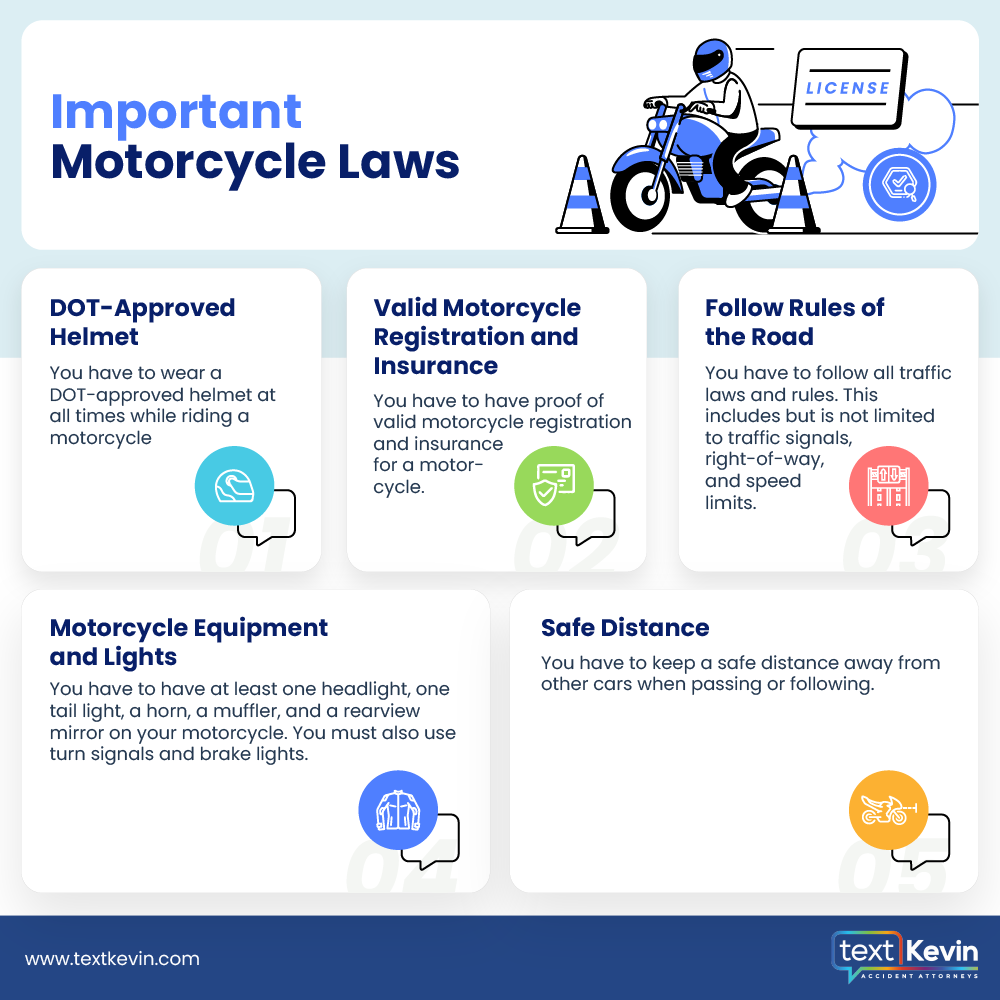
- Benefits of CMSP:
- Waiver of Skills Test: Successful completion of a CMSP course waives the motorcycle skills test at the DMV for all age groups.
- Comprehensive Training: The curriculum covers essential riding techniques, risk assessment, defensive riding strategies, and emergency maneuvers that go beyond basic skills.
- Insurance Discounts: Many motorcycle insurance providers offer discounts to individuals who have completed a CMSP course.
- Increased Confidence: The structured training and practice build confidence and competence, making you a safer and more skilled rider.
The basic rider course is typically a two-day program that includes classroom instruction and practical riding exercises. Advanced courses are also available for experienced riders looking to further hone their skills. You can find a list of approved CMSP training providers on the California Highway Patrol (CHP) website.
Step 6: Finalize Your Application and Receive Your License
Once you have met all the requirements – passed the knowledge test, completed the CMSP course (or passed the skills test), and met age and residency criteria – you will finalize your application at the DMV. You will need to present all required documentation, pay the applicable fees, and have your photograph taken. Your updated driver’s license with the motorcycle endorsement will then be mailed to you.
Choosing the Right Path: CMSP vs. DMV Skills Test
The decision between completing a CMSP course and taking the DMV skills test is a significant one, offering different benefits and approaches.
The Advantages of the CMSP Course
The California Motorcyclist Safety Program is more than just a requirement; it’s an investment in your safety and riding proficiency.
- Expert Instruction: You learn from certified instructors who are experienced riders and educators. They provide personalized feedback and guidance.
- Safe Learning Environment: The courses are conducted in controlled environments, minimizing risks associated with learning on public roads.
- Structured Curriculum: The curriculum is designed to progressively build skills, from basic controls to advanced riding techniques.
- Practical Application: You gain hands-on experience with a variety of motorcycles, learning how to handle different types of bikes.
- Reduced Stress: For many, the structured environment and expert guidance of a CMSP course are less stressful than the pressure of a DMV skills test.
- Waiver of DMV Skills Test: As previously noted, this is a major benefit, saving you time and the potential anxiety of the test.
The DMV Skills Test Option
While the CMSP is highly recommended, the DMV skills test remains a viable option for those 21 and older.
- Cost-Effectiveness (Potentially): If you are already a confident and experienced rider, you might feel comfortable taking the skills test without a formal course, potentially saving on course fees.
- Direct Assessment: The test directly assesses your ability to perform specific maneuvers deemed essential for safe operation.
- Flexibility: If you can consistently practice and master the required skills on your own or with experienced riders, this path can be more direct.
However, it’s crucial to remember that the skills test only covers a limited set of maneuvers. The comprehensive risk-management and defensive riding strategies taught in CMSP courses are invaluable for long-term safety on the road, regardless of your age or initial skill level.
Important Considerations for New Motorcycle Riders in California
Beyond the licensing process, there are several essential considerations for anyone looking to embrace the motorcycle lifestyle in California.
Safety Gear: Non-Negotiable Essentials
California law mandates helmet use for all motorcycle riders. However, a helmet is just one piece of the puzzle. Investing in proper safety gear is paramount for your well-being.
- Helmet: Ensure your helmet is DOT-approved (Department of Transportation) and fits snugly. It should cover your entire head and have a secure chin strap.
- Eye Protection: Goggles or a face shield are essential to protect your eyes from debris, wind, and insects.
- Protective Jacket and Pants: Look for abrasion-resistant materials like leather or textile with built-in armor at the shoulders, elbows, and knees.
- Gloves: Sturdy gloves protect your hands from abrasions and improve grip.
- Boots: Over-the-ankle boots provide protection for your feet and ankles.
Remember, in the event of a crash, your gear is your first line of defense.
Motorcycle Insurance in California
Like any vehicle, motorcycles must be insured in California. The minimum insurance requirements are set by state law. However, it’s wise to consider coverage that goes beyond the minimum to protect yourself adequately.
- Liability Coverage: Covers damages or injuries you cause to others.
- Collision Coverage: Covers damage to your motorcycle in an accident.
- Comprehensive Coverage: Covers theft, vandalism, and other non-collision-related damage.
- Uninsured/Underinsured Motorist Coverage: Protects you if you’re involved in an accident with a driver who has no insurance or insufficient insurance.
As mentioned, completing a CMSP course can often lead to discounts on your motorcycle insurance premiums, further highlighting its value.
Choosing Your First Motorcycle
The type of motorcycle you choose can significantly impact your learning experience and enjoyment. For new riders, it’s generally advisable to start with a smaller, lighter, and more manageable motorcycle.
- Beginner-Friendly Bikes: Look for bikes with a lower seat height, a more upright riding position, and moderate engine power. Japanese manufacturers like Honda, Yamaha, and Kawasaki offer excellent entry-level models.
- Avoid Overpowering Bikes: While a high-performance sportbike or a large cruiser might be tempting, they can be intimidating and difficult to control for a novice.
Consider taking a test ride on a few different models to find one that feels comfortable and confidence-inspiring.
Embracing the Riding Lifestyle
Obtaining your motorcycle license is the gateway to a rich and rewarding lifestyle. California offers some of the most spectacular riding opportunities in the world, from the sunny beaches of Southern California to the rugged beauty of the Sierra Nevada. Whether you dream of cruising down the Pacific Coast Highway towards Big Sur, exploring the vineyards of Napa Valley, or venturing into the desert landscapes, your motorcycle license will unlock a new dimension of exploration and freedom. Remember to always ride responsibly, prioritize safety, and enjoy the journey.
LifeOutOfTheBox is a participant in the Amazon Services LLC Associates Program, an affiliate advertising program designed to provide a means for sites to earn advertising fees by advertising and linking to Amazon.com. Amazon, the Amazon logo, AmazonSupply, and the AmazonSupply logo are trademarks of Amazon.com, Inc. or its affiliates. As an Amazon Associate we earn affiliate commissions from qualifying purchases.