
Embarking on a journey, whether it’s a cross-country adventure, a serene escape to the Napa Valley, or a bustling business stay in San Francisco, often begins with the trusty hum of an engine. For many, a reliable vehicle isn’t just a convenience; it’s the very foundation upon which unforgettable experiences are built. From navigating the iconic highways of California to reaching remote destinations or checking into that eagerly anticipated hotel suite for a luxury travel experience, dependable transportation is paramount.
However, imagine the frustration and disruption when that meticulously planned road trip grinds to a halt due to a persistent mechanical flaw. Picture missing a crucial meeting during a business trip or having a cherished family trip to Disneyland marred by endless repairs. This is where California’s Lemon Law steps in, providing a vital safety net for consumers. Often misunderstood, the Lemon Law is not just a legal technicality; it’s a robust consumer protection measure designed to safeguard your investment and ensure that a defective vehicle doesn’t derail your lifestyle, travel plans, or peace of mind.
For residents and visitors alike who rely on their cars to explore the diverse attractions of the Golden State—from the sun-drenched beaches of Malibu to the majestic forests of Yosemite National Park—understanding how a car qualifies for this protection is essential. It’s about empowering you to make informed decisions and protecting your ability to enjoy seamless travel experiences without the persistent worry of a faulty vehicle.
The Foundation of California’s Lemon Law: Protecting Your Journey
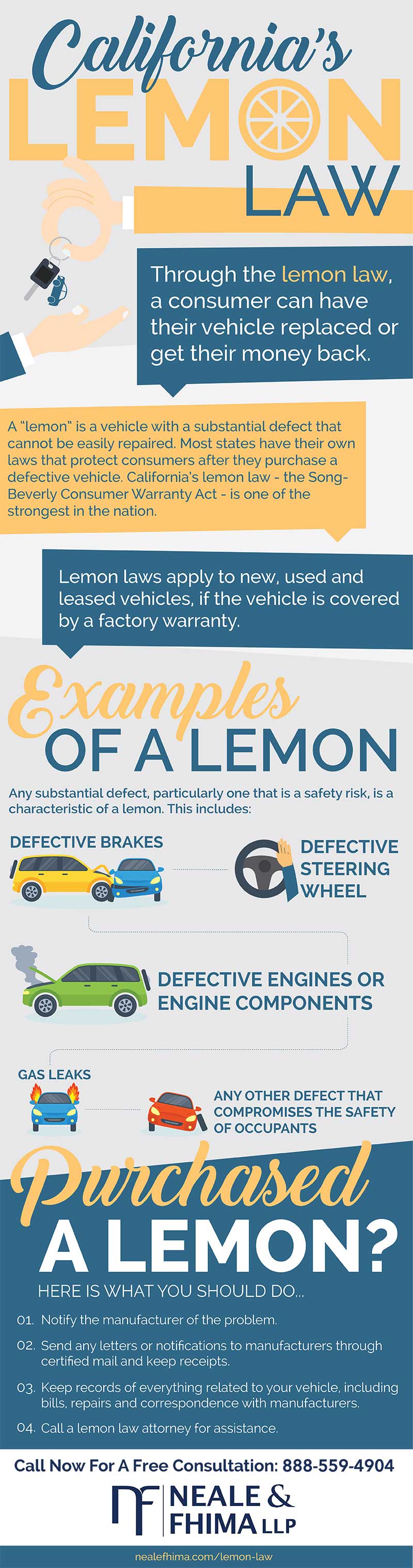
At its core, California’s Lemon Law is encapsulated within the Song-Beverly Consumer Warranty Act. This powerful piece of legislation is designed to protect consumers who purchase or lease new or certified used vehicles that come with a manufacturer’s warranty, but turn out to have significant defects that cannot be repaired after a “reasonable number of attempts.” It essentially says that if your vehicle is a “lemon”—meaning it’s substantially impaired and the manufacturer or its authorized dealer can’t fix it—you’re entitled to a refund or a replacement vehicle.
Think of the Song-Beverly Consumer Warranty Act as your travel insurance for vehicle ownership in California. When planning a trip to a vibrant city like San Diego or a tranquil escape to Lake Tahoe, you want assurance that your mode of transportation won’t fail you. The law aims to provide that assurance, ensuring that your vehicle upholds its end of the bargain, allowing you to focus on discovering local culture, indulging in exquisite food, and participating in exhilarating activities rather than dealing with unexpected roadside emergencies or endless garage visits.
The primary goal is to shift the burden of defective products from the consumer back to the manufacturer, ensuring that you don’t continually suffer financial losses or inconvenience from a vehicle that simply doesn’t perform as promised. This is particularly relevant in a state like California, where vast distances often separate destinations and reliable transport is indispensable for both daily life and exploring its myriad landmarks and natural wonders, from the majestic Golden Gate Bridge to the sweeping vistas of Big Sur. A vehicle that frequently breaks down is not just an inconvenience; it can be a serious impediment to your ability to enjoy the unique lifestyle and tourism opportunities that California offers.
Understanding “Substantial Impairment” in Your Travel Plans
One of the most critical elements in qualifying a vehicle for Lemon Law protection is proving a “substantial impairment.” This isn’t just about a minor glitch or a cosmetic flaw. A defect is considered “substantial” if it significantly impairs the use, value, or safety of the vehicle. For a traveler or someone whose daily routine revolves around their vehicle, this concept takes on profound meaning.
- Impairment of Use: Imagine planning a scenic drive along the Pacific Coast Highway, only to have your car’s engine consistently misfire or its transmission behave erratically. The vehicle might still technically move, but its reliability and smooth operation are compromised, hindering your ability to confidently undertake journeys, reach your resort on time, or explore the winding roads to a secluded landmark. A car that cannot be used for its intended purpose—reliable transportation for all your adventures—is substantially impaired.
- Impairment of Value: A car plagued by recurring issues inevitably loses significant resale value. If you’re considering a future upgrade or trade-in, a vehicle with a documented history of major defects will fetch a much lower price. This financial devaluation impacts your overall investment, making it a “lemon” not just functionally, but economically. For those who choose their vehicles as part of a luxury lifestyle, such a devaluation is particularly frustrating.
- Impairment of Safety: Perhaps the most obvious and critical criterion, safety impairments include issues like faulty brakes, steering problems, non-functional airbags, or sudden power loss. These defects pose a direct threat to the driver, passengers, and other road users. Being stranded on a highway en route to Palm Springs or experiencing brake failure on the bustling streets of Los Angeles not only ruins any travel plans but puts lives at risk. Any defect that compromises your safety immediately qualifies as substantial.
It’s important to note that the impairment doesn’t have to be a single, catastrophic failure. A series of seemingly minor issues, when taken together, can cumulatively create a substantial impairment. For instance, if your air conditioning consistently fails during California’s scorching summers while you’re driving through Death Valley National Park, or if the navigation system frequently malfunctions, leaving you lost when trying to find your booked hotel, these issues significantly impact the vehicle’s “use” and your overall “experience,” even if they don’t directly threaten safety.
Navigating the Qualification Criteria: When Your Vehicle Becomes a Travel Hazard
Beyond proving a substantial impairment, specific criteria must be met regarding repair attempts and the vehicle’s warranty status. These rules are crucial for ensuring that the Lemon Law is applied fairly and only to genuinely intractable problems, rather than to minor, easily rectifiable issues.
The “Reasonable Number of Repair Attempts” and Your Itinerary
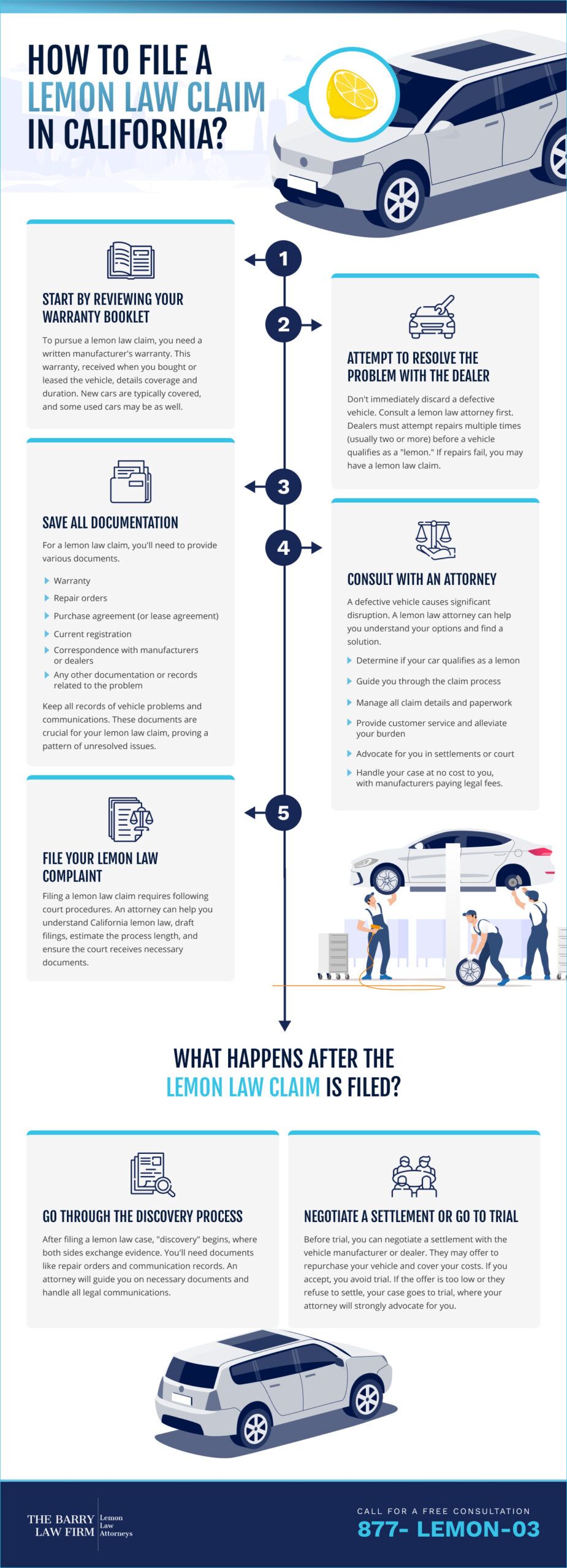
One of the most frequently asked questions about California’s Lemon Law revolves around the concept of a “reasonable number of repair attempts.” This isn’t a hard and fast rule in all cases, but rather a guideline that allows for flexibility based on the severity of the defect. Generally, a manufacturer or their authorized dealer must be given several opportunities to fix the problem.
The law establishes certain presumptions:
- Four or More Repair Attempts: If the manufacturer or its authorized dealer has attempted to repair the same substantial defect four or more times, and the defect still persists, the vehicle is presumed to be a lemon. Imagine the frustration of canceling multiple weekend getaways or delaying important business stays because your car is repeatedly in the shop for the same issue. This clause protects against such chronic disruptions.
- Two or More Repair Attempts for Serious Safety Issues: For defects that could cause death or serious bodily injury, the threshold is lower. If the manufacturer has made two or more attempts to fix such a problem, and it still exists, the vehicle is presumed a lemon. This is particularly important for those embarking on family trips or long-distance journeys where safety is non-negotiable.
- 30 or More Days Out of Service: If the vehicle has been out of service for repairs for a cumulative total of 30 or more calendar days within the warranty period, for any combination of defects, it is also presumed to be a lemon. This is crucial for anyone whose lifestyle or profession depends on their vehicle. Imagine losing a month of access to your car when you’ve planned extensive travel guides or rely on it for daily commutes to your hotel or office. This presumption recognizes the significant inconvenience and disruption caused by extended repair times.
It’s imperative to keep meticulous records of all repair attempts, including dates, what was repaired, the diagnostic notes, and how many days your vehicle was at the dealership. These records are your best evidence when pursuing a Lemon Law claim and can make the difference between a smooth resolution and a prolonged dispute. Ensuring clear communication with the manufacturer or dealer, and documenting every interaction, empowers you to confidently assert your rights.
The Warranty Window: Your Shield on the Open Road

For a car to qualify under California’s Lemon Law, the substantial defect must typically arise and be reported while the vehicle is still under the manufacturer’s original new vehicle warranty or a certified pre-owned warranty. This is a critical point: the law primarily applies to defects that manifest during the period when the manufacturer guarantees the vehicle’s performance.
This warranty period acts as your protective shield, particularly relevant for those who plan extensive travels or often undertake long drives across California. While the defect must arise within the warranty period, the legal presumption that the car is a lemon (e.g., after 4 repair attempts or 30 days out of service) typically applies if these conditions are met within 18 months of delivery or 18,000 miles on the odometer, whichever comes first. However, it’s important to understand that even if the problem surfaces outside this initial 18-month/18,000-mile “presumption” period, you may still have a valid claim as long as the initial defect occurred while the vehicle was under the active manufacturer’s warranty. The statute of limitations for filing a Lemon Law claim in California is four years from the date you discovered or should have discovered the defect. This extended window provides a crucial lifeline for consumers, recognizing that some serious defects might not become apparent immediately.
This aspect of the law underscores the importance of prompt reporting of any issues you notice. Don’t wait until the warranty is nearly expired to bring your car in for a persistent problem. Early action not only maximizes your chances under the Lemon Law but also ensures that potential safety concerns are addressed without delay, safeguarding your future journeys and experiences.
Beyond the Basics: Important Considerations for the Discerning Traveler
While the core principles of California’s Lemon Law are clear, several nuances can impact eligibility, particularly for those with diverse travel styles and vehicle preferences. Understanding these finer points can further empower you in safeguarding your investment and ensuring your future explorations are unhindered.
New vs. Used Vehicles: What Every Explorer Should Know
The Lemon Law is often associated with brand-new cars, but its protection can extend to certain used vehicles as well, a crucial point for budget travel enthusiasts or those seeking value in their automotive choices.
- New Vehicles: The law primarily covers new vehicles bought or leased for personal, family, or household purposes. It also extends to small businesses with up to five vehicles registered, as long as the vehicle weighs less than 10,000 pounds and was purchased or leased for business use. This ensures that a new vehicle, meant to deliver years of reliable service for everything from daily commutes to exploring destinations like Santa Monica or Beverly Hills, lives up to its promise.
- Used Vehicles: While standard “as-is” used car sales are typically not covered, if you purchase a used vehicle that comes with a valid manufacturer’s warranty (such as a certified pre-owned vehicle or if the original factory warranty is still active), it may also qualify under the Lemon Law. This is a significant advantage, providing a layer of protection that many buyers of used cars might not realize they have. Always inquire about any remaining manufacturer’s warranty when purchasing a used vehicle, as it could be the key to safeguarding your investment if defects emerge. This is especially pertinent if you’re planning an extended long-term stay or an ambitious road trip and want to ensure reliability.
The Timeline and Mileage Threshold: Keeping Your Adventures on Track
As mentioned earlier, the 18-month/18,000-mile “presumption” period is a key aspect of California’s Lemon Law. If your car meets the repair attempt criteria within this timeframe, it is presumed to be a lemon, making your case significantly stronger. However, it’s vital to remember that this is a presumption, not an absolute deadline.
Issues can still qualify for Lemon Law protection beyond the 18-month/18,000-mile window, provided the defect first arose while the vehicle was under the manufacturer’s original warranty. For example, if a persistent transmission issue first appeared at 15,000 miles but the repair attempts stretched past 18,000 miles, you might still have a valid claim. The four-year statute of limitations from the discovery of the defect further broadens the window for consumers to seek recourse.
This flexibility is crucial for adventurers and individuals whose travel habits involve significant mileage. Whether you’re frequently traveling between Los Angeles and San Francisco for business stays or embarking on extensive tourism explorations across the state, knowing that your protection isn’t rigidly confined to an early mileage marker offers significant peace of mind. It allows you to use your vehicle as intended, without constantly worrying about hitting an arbitrary cutoff point for potential legal recourse.
What Happens Next? Resolving Your “Lemon” and Planning Your Next Escape
Once a vehicle qualifies under California’s Lemon Law, the law provides specific remedies to the consumer, aiming to restore their investment and allow them to move forward with confidence in their transportation choices.
Your Rights: Repurchase or Replacement for a Seamless Experience
If your vehicle is indeed deemed a lemon, you generally have two primary remedies available:
- Vehicle Repurchase (Buyback): The manufacturer must repurchase the vehicle from you. This typically includes a refund of the purchase price (minus a “mileage offset” for the use you had of the vehicle before the defect occurred), along with any collateral charges such as sales tax, registration fees, and other government fees. This option is often preferred as it provides financial restitution, allowing you to choose a new, hopefully more reliable, vehicle or allocate the funds as you see fit for future travel or accommodation plans.
- Vehicle Replacement: Alternatively, the manufacturer can replace your defective vehicle with a substantially similar new vehicle. This means a vehicle of the same make, model, and year, with comparable features and amenities. While this can offer a quick resolution to your transportation needs, remember that you may still be entitled to compensation for certain collateral charges or any additional costs incurred due to the lemon.
The choice between a repurchase and a replacement often depends on your personal circumstances and preferences. Do you simply want out of the situation and your money back to explore other options, or are you generally happy with the make and model, just not the specific defective unit? Both options are designed to rectify the situation, ensuring you are not stuck with a perpetually problematic vehicle.
It’s important to remember that pursuing a Lemon Law claim can be a complex process. While some consumers may successfully navigate it independently, many choose to seek legal assistance. Many Lemon Law attorneys offer free consultations and operate on a contingency fee basis, meaning they only get paid if they win your case, and the law requires the manufacturer to pay for your legal fees. This significantly reduces the financial burden on consumers seeking justice.
Understanding and leveraging California’s Lemon Law is about more than just legal rights; it’s about protecting your ability to enjoy a seamless and worry-free lifestyle. In a state where driving is integral to experiencing its vast beauty and diverse attractions—from the iconic Hollywood sign to serene coastal escapes—having a reliable vehicle is non-negotiable. Knowing that a robust legal framework exists to protect you from defective cars empowers you to plan your next road trip to the Grand Hyatt or embark on any adventure with confidence. By understanding the criteria for qualification and your rights, you can ensure that mechanical defects don’t put a permanent dent in your travel dreams or daily life.
LifeOutOfTheBox is a participant in the Amazon Services LLC Associates Program, an affiliate advertising program designed to provide a means for sites to earn advertising fees by advertising and linking to Amazon.com. Amazon, the Amazon logo, AmazonSupply, and the AmazonSupply logo are trademarks of Amazon.com, Inc. or its affiliates. As an Amazon Associate we earn affiliate commissions from qualifying purchases.