
The question “How far away is California?” transcends a simple measure of miles or kilometers. While it certainly refers to the physical distance one must travel to reach the Golden State, it also encapsulates the perceived distance—the journey of anticipation, the cultural shift, and the mental preparation required to immerse oneself in one of the United States’ most iconic and diverse destinations. From the bustling metropolises and sun-kissed beaches to the towering mountains and serene deserts, California offers a universe of experiences. Understanding its “distance” is therefore not just about logistics, but about appreciating the breadth of experiences it offers and how to best bridge that gap, whether you’re coming from across the continent or halfway around the world.

This article delves into the various facets of reaching and experiencing California, exploring not only the practicalities of travel and accommodation but also the rich tapestry of tourism, landmarks, and lifestyle choices that await every visitor. We’ll navigate the geographical realities, uncover the best ways to journey there, and guide you through selecting the perfect places to stay and things to do, ensuring that your dream Californian adventure is well within reach, no matter how far away it may seem.
Bridging the Miles: Understanding California’s Geographic Reach
California is a vast state, stretching approximately 800 miles (1,287 km) from north to south and 250 miles (402 km) from east to west at its widest point. This sheer size means that “how far away” it is can vary significantly depending on your specific destination within the state, be it the vibrant streets of Los Angeles, the foggy charm of San Francisco, the desert oasis of Palm Springs, or the majestic wilderness of Yosemite National Park.
Global Perspectives on California’s Location
For international travelers, California is often the gateway to the North American continent, particularly for those arriving from Asia and the Pacific Rim. Major international airports like Los Angeles International Airport (LAX) and San Francisco International Airport (SFO) serve as crucial hubs, connecting California to virtually every corner of the globe.
- From Europe: A direct flight from major European cities like London or Paris to California can range from 10 to 12 hours. This distance, while substantial, is routinely managed with comfortable long-haul flights, making a Californian adventure a feasible vacation for many.
- From Asia: The proximity to the Pacific Ocean makes California a convenient destination for travelers from Japan, South Korea, China, and other Asian nations. Flight times typically range from 9 to 13 hours, again facilitated by numerous direct routes.
- From Australia and New Zealand: Flights from Sydney or Auckland can take 12 to 14 hours, placing California within a day’s travel.
Domestic Journeys: Across the United States
Within the United States, California’s distance varies dramatically.
- East Coast to West Coast: Traveling from New York or Florida to California involves a cross-country journey. Direct flights are typically 5 to 6 hours, while a road trip can take 4-7 days, covering distances of 2,500 to 3,000 miles (4,000 to 4,800 km). This epic drive is a popular choice for those seeking to explore the diverse landscapes of the USA.
- Central USA: From states like Texas or Illinois, flights are shorter, around 3-4 hours, and road trips might take 2-3 days.
- Neighboring States: From Nevada, Arizona, or Oregon, California is just a short flight or a comfortable day’s drive away. For instance, Las Vegas to Los Angeles is a mere 4-hour drive.
The perceived “distance” also includes the cultural journey. For many, California represents a dream, a place of innovation, glamour, natural beauty, and a relaxed, sun-drenched lifestyle. This allure often makes the actual travel time feel less significant, overshadowed by the excitement of the impending experience.
Navigating Your Journey: Travel Modes and Gateways
Once you’ve set your sights on California, the next step is to choose your mode of transport. Each option offers a unique way to experience the journey, catering to different budgets, timeframes, and preferences.
Air Travel: The Fastest Path to the Golden State
For most visitors, flying is the most efficient way to reach California. The state boasts a robust network of international and domestic airports.
- Major International Hubs:
- Los Angeles International Airport (LAX): One of the busiest airports in the world, serving millions of passengers annually. It’s the primary gateway for Southern California and a major connection point for international flights.
- San Francisco International Airport (SFO): The main airport for the Bay Area, offering extensive international and domestic routes.
- San Diego International Airport (SAN): A smaller but growing international airport, perfect for those heading straight to San Diego and its surrounding attractions.
- Key Domestic Airports:
- Oakland International Airport (OAK) and San Jose International Airport (SJC) provide excellent alternatives for the Bay Area.
- Sacramento International Airport (SMF) is ideal for those visiting the state capital and northern regions.
- John Wayne Airport (SNA) in Orange County and Hollywood Burbank Airport (BUR) offer convenient access to parts of Southern California, often with less congestion than LAX.
Booking flights in advance, especially during peak seasons or for popular destinations like Disneyland Park in Anaheim or events in San Francisco, is always recommended to secure the best prices and availability. Many travelers opt for flexible tickets, allowing for changes to their itinerary should plans evolve.
Road Trips: The Quintessential Californian Experience
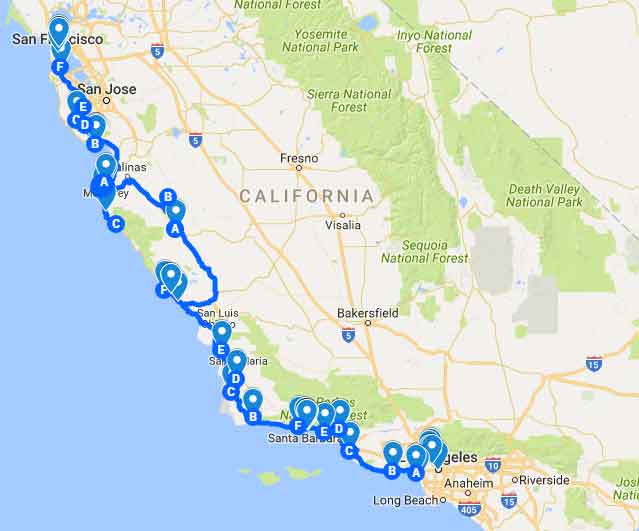
For those traveling from within the United States or renting a car upon arrival, a road trip is an iconic way to explore California. The state is renowned for its scenic drives, most notably the Pacific Coast Highway (PCH, also known as Highway 1).
- Driving Distances and Times:
- Los Angeles to San Francisco: Approximately 6-7 hours via I-5 (the fastest route) or 9-10+ hours via PCH (the scenic route, often taking multiple days to truly enjoy).
- San Francisco to Yosemite National Park: Around 3-4 hours.
- Los Angeles to San Diego: About 2 hours, depending on traffic.
- Planning a Road Trip: Essential considerations include car rental, fuel costs, and planning overnight stays. Many choose to combine a California road trip with visits to neighboring states like Nevada (for Las Vegas) or Arizona (for the Grand Canyon National Park). The freedom of the open road allows for spontaneous detours to charming towns like Carmel-by-the-Sea or picturesque coastal stretches along Big Sur.
Rail and Other Options
While less common for long distances, Amtrak provides scenic rail services within California and connects to other parts of the USA. This offers a relaxed way to travel, especially appealing to those who prefer to avoid driving or flying. For truly unique experiences, cruises often embark or disembark from California ports like Long Beach, San Pedro, and San Diego, heading to Mexico or Alaska, providing another perspective on its “distance” as a starting point for further adventures.
The California Dream: Iconic Destinations and Diverse Lifestyles
The perceived “distance” to California quickly vanishes upon arrival, replaced by an intoxicating blend of iconic landmarks, vibrant cultural experiences, and unparalleled natural beauty. The website’s core themes of travel, tourism, landmarks, and lifestyle are vividly expressed in the myriad of experiences the state offers.
Iconic Cities and Urban Adventures
- Los Angeles: The sprawling city of angels, a global epicenter for entertainment and culture. Visitors can stroll along the Hollywood Walk of Fame, visit Universal Studios Hollywood, soak up the sun at Santa Monica Pier, explore the art at the Getty Center, or indulge in luxury shopping on Rodeo Drive in Beverly Hills. The culinary scene here is as diverse as its population, offering everything from Michelin-starred dining to vibrant street food.
- San Francisco: Famous for its hilly streets, Victorian architecture, and the majestic Golden Gate Bridge. Beyond these, visitors can tour Alcatraz Island, wander through Chinatown, ride a cable car, or explore the vibrant neighborhoods of The Mission and Haight-Ashbury. Its progressive spirit and stunning vistas make it a unique urban destination.
- San Diego: Known for its laid-back atmosphere, beautiful beaches, and family-friendly attractions like Balboa Park and the San Diego Zoo. The historic Gaslamp Quarter offers lively nightlife and dining, while nearby Coronado provides pristine sands and the iconic Hotel del Coronado.
Natural Wonders and Outdoor Pursuits
Beyond its cities, California’s natural landscapes are a major draw, offering endless opportunities for outdoor adventure and breathtaking scenery.
- National Parks: Yosemite National Park with its towering granite cliffs and waterfalls, Death Valley National Park (the hottest place on Earth), Sequoia National Park and Kings Canyon National Park with their giant trees, and Joshua Tree National Park’s unique desert landscapes are just a few examples. These parks are ideal for hiking, camping, rock climbing, and stargazing.
- Coastal Beauty: The Pacific Coast Highway journey through Big Sur offers dramatic cliffsides plunging into the ocean. The beaches of Malibu, Santa Barbara, and Laguna Beach are perfect for surfing, sunbathing, or simply enjoying the ocean breeze. Whale watching tours are popular from various coastal towns.
- Mountains and Lakes: The Sierra Nevada mountain range, home to Mount Whitney (the highest peak in the contiguous USA), provides skiing and snowboarding in winter and hiking and fishing in summer. Lake Tahoe, straddling the border with Nevada, is a stunning alpine lake offering year-round recreation.
Culinary Journeys and Cultural Immersion
California’s diverse culture is reflected in its world-class cuisine and vibrant local experiences.
- Napa Valley and Sonoma County: These regions are synonymous with wine, offering exquisite vineyard tours, wine tastings, and gourmet dining experiences. Many wineries offer luxury accommodations, making for an immersive lifestyle experience.
- Farm-to-Table Movement: California is a pioneer in fresh, locally sourced food. Farmers’ markets abound, and restaurants across the state pride themselves on incorporating seasonal produce.
- Arts and Culture: From the Griffith Observatory in Los Angeles to the numerous museums in San Francisco, the state offers a rich array of artistic and cultural institutions. Music festivals, film premieres, and theater productions are regular occurrences, reflecting a dynamic lifestyle.
Planning Your Stay: Accommodation and Lifestyle Choices
The “distance” to California also translates into how you choose to live and stay once you arrive. The state’s diverse landscape means there’s an accommodation option for every preference and budget, catering to various travel lifestyles, from luxury escapes to family adventures and budget-conscious trips.
From Luxury Resorts to Boutique Stays
California is renowned for its high-end hotels and resorts, particularly in areas like Beverly Hills, Santa Barbara, Laguna Niguel, and Napa Valley.
- Luxury Resorts: Properties like the Waldorf Astoria Beverly Hills, The Ritz-Carlton Laguna Niguel, or The Resort at Pelican Hill offer opulent suites, world-class spas, golf courses, and exquisite dining. These resorts are destinations in themselves, providing an indulgent lifestyle experience.
- Boutique Hotels: For a more personalized and unique stay, California’s cities and charming towns are dotted with boutique hotels. From historic landmarks like the Fairmont San Francisco with its grand architecture to design-focused properties in West Hollywood, these hotels often reflect the local culture and provide intimate service.
- Villas and Apartments: For longer stays, group travel, or those seeking more privacy, booking a villa or apartment through platforms like Airbnb or VRBO is an excellent choice. This allows for a more “local” experience and often includes amenities like full kitchens and private pools.
Family-Friendly and Budget-Conscious Choices
Travel to California doesn’t have to break the bank, and there are numerous options for families and those on a tighter budget.
- Family Resorts: Near major attractions like Disneyland Park in Anaheim or Universal Studios Hollywood, you’ll find a plethora of hotels catering to families with kid-friendly pools, themed rooms, and convenient shuttle services. Options range from mid-range chains to independent hotels offering great value.
- Budget Hotels and Motels: Throughout the state, especially along major highways and in smaller towns, clean and comfortable motels and budget hotels provide affordable lodging. These are particularly popular for road trippers and those who prioritize experiences over lavish accommodation.
- Camping and Glamping: For nature lovers, California’s national and state parks offer abundant camping sites, ranging from primitive backcountry spots to developed campgrounds with amenities. Glamping, a luxurious form of camping, is also gaining popularity, offering comfort amidst stunning natural settings in places like Big Sur or near Yosemite.
- Hostels: In major cities like San Francisco and Los Angeles, hostels offer a social and economical option for solo travelers and backpackers, often with private room options available.

Considerations for Booking and Reviews
Regardless of your chosen accommodation type, smart booking is key. Utilizing comparison websites and checking recent reviews can significantly enhance your travel experience. Look for details on amenities (Wi-Fi, parking, pools), location specifics (proximity to attractions, public transport), and customer service ratings. Many accommodations offer special packages for long-term stays or specific events, so it’s worth exploring these options to maximize value.
The question “How far away is California?” ultimately leads to a journey of discovery. Whether measured in miles, flight hours, or the sheer number of unforgettable experiences, California is a destination that feels both aspirational and intimately accessible. By understanding its geographical realities, planning your travel logistics thoughtfully, and exploring the vast array of tourism, accommodation, and lifestyle choices, you can effectively bridge any perceived distance and immerse yourself in the vibrant tapestry of the Golden State. Your Californian adventure awaits, closer than you think.
LifeOutOfTheBox is a participant in the Amazon Services LLC Associates Program, an affiliate advertising program designed to provide a means for sites to earn advertising fees by advertising and linking to Amazon.com. Amazon, the Amazon logo, AmazonSupply, and the AmazonSupply logo are trademarks of Amazon.com, Inc. or its affiliates. As an Amazon Associate we earn affiliate commissions from qualifying purchases.