
The allure of Las Vegas, with its dazzling lights, world-class entertainment, and luxurious resorts, draws millions of visitors annually. A significant portion of these travelers embark on the journey from its neighboring state, California. For many Californians, a trip to Sin City is a quintessential road trip experience, a relatively short escape to a vibrant playground. But just how far is Las Vegas from California, and what does the travel entail? This comprehensive guide will break down the distances, travel times, various transportation options, and offer insights into making the journey an enjoyable part of your overall Las Vegas adventure. Whether you’re planning a quick weekend getaway or an extended vacation, understanding the logistics of this popular route is the first step to a memorable trip. We’ll delve into everything from the most efficient driving routes and scenic detours to the convenience of flying and the practicality of bus travel, ensuring you’re well-equipped for your next escape.

The Straightforward Drive: Major Routes and Distances
For most travelers, driving is the preferred method of getting from California to Las Vegas. The journey is largely straightforward, dominated by a major interstate that cuts through the scenic Mojave Desert. However, the exact distance and driving time can vary significantly depending on your starting point within the vast state of California.
From Southern California to Las Vegas
The majority of [Las Vegas](https://lifeoutofthebox.com/las vegas) visitors from California hail from the southern regions, where the proximity makes for an ideal road trip. The primary artery for this journey is Interstate 15 (I-15), a well-maintained highway that offers a relatively direct path to the Nevada border and straight into the heart of Las Vegas.
-
From Los Angeles: The drive from Los Angeles to Las Vegas is arguably the most iconic and frequently traveled route. The average distance is approximately 270 miles (435 kilometers). Under ideal conditions, meaning light traffic and no significant stops, this drive typically takes around 4 to 4.5 hours. However, travelers should always factor in potential delays, especially during peak travel times such as Friday afternoons, Sunday evenings, or holiday weekends. Traffic congestion can extend the journey to 6 hours or more, particularly on the stretches leaving Los Angeles and nearing the Nevada border. Understanding these traffic patterns is crucial for planning an efficient and stress-free trip, allowing you to optimize your departure time for a smoother journey.
-
From San Diego: Traveling from San Diego involves a slightly longer but equally scenic journey. The distance is roughly 330 miles (530 kilometers), which typically translates to a driving time of 5 to 5.5 hours without heavy traffic. From San Diego, drivers will generally take Interstate 15 north, passing through inland California before merging with the main route to Las Vegas. While the initial stretch might feel different from the Los Angeles departure, the final leg across the Mojave Desert remains consistent.
-
From Orange County and Inland Empire: Drivers from areas like Orange County and the Inland Empire will find similar distances and travel times to those from Los Angeles, often even slightly shorter depending on the specific starting city. For example, from parts of the Inland Empire, the drive can be as short as 3.5 hours. These areas often benefit from more direct access to Interstate 15, avoiding some of the initial city traffic congestion that can plague departures from central Los Angeles.
From Northern California to Las Vegas
For those residing in Northern California, the journey to Las Vegas is considerably longer and requires more planning. While still a popular destination, it often transforms into a multi-day road trip or necessitates a flight for many.
-
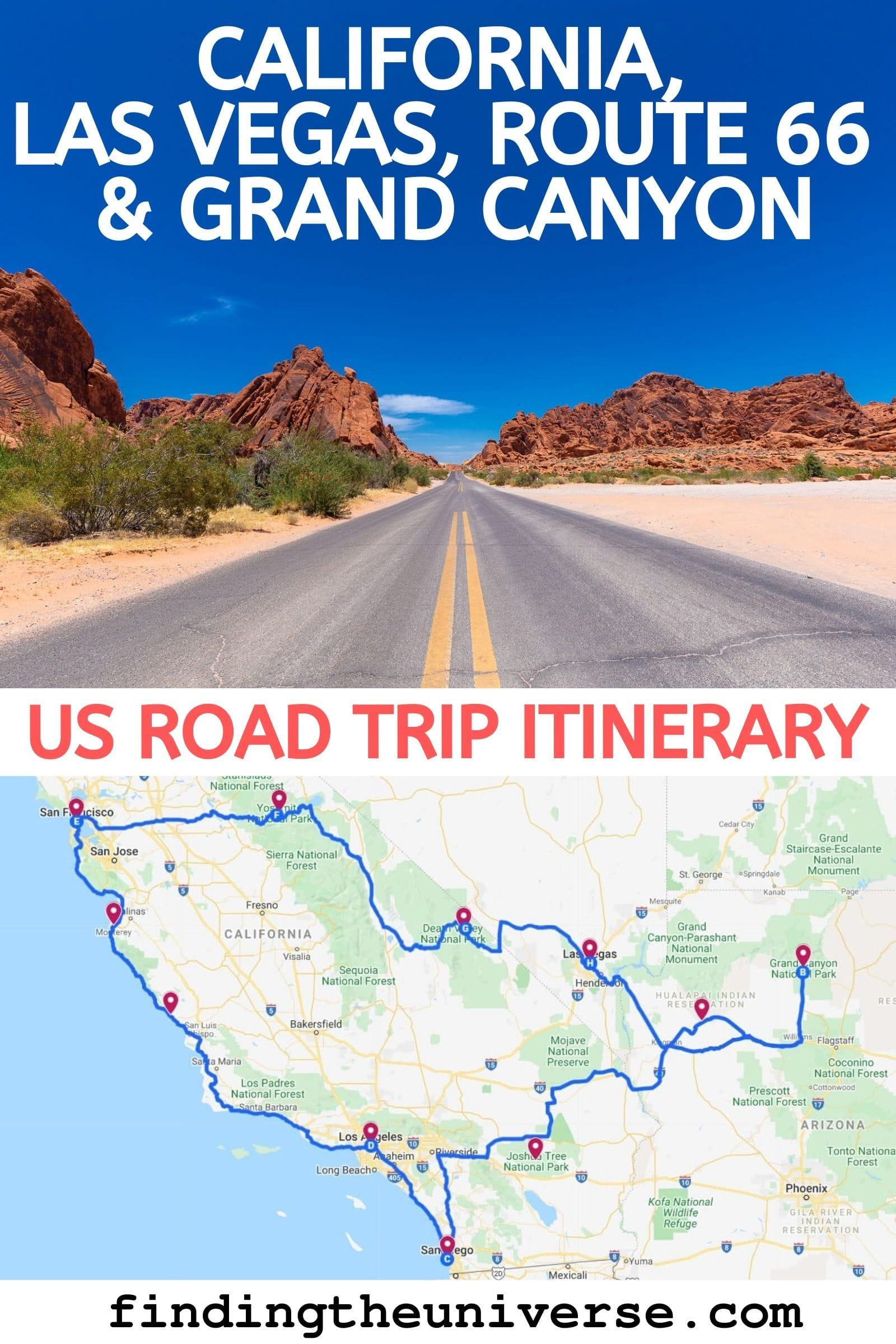
From San Francisco / Bay Area: The distance from San Francisco to Las Vegas is approximately 560 miles (900 kilometers). This substantial distance translates to a driving time of 8.5 to 10 hours, again, without significant stops or heavy traffic. The most common route involves taking Interstate 5 (I-5) south through the Central Valley, then connecting to Interstate 15 near Barstow. Alternatively, some travelers opt for the more scenic U.S. Route 395 (US-395) route, especially if they wish to explore the Eastern Sierra Nevada and its natural beauty. While incredibly picturesque, U.S. Route 395 can add extra driving time due to its winding nature and lower speed limits in certain sections. This route is typically chosen by those looking for an adventure that extends beyond Las Vegas itself.
-
From Sacramento: Similar to San Francisco, the drive from Sacramento to Las Vegas is a significant undertaking, covering around 550 miles (885 kilometers) and requiring approximately 8 to 9 hours of driving. The main routes are also similar, involving a combination of Interstate 5 south and Interstate 15 east. For Northern California residents, the decision between driving and flying often comes down to budget, the desire for a road trip experience, and the amount of time available. For those planning a longer stay or combining their trip with other destinations, the scenic drive can be a rewarding part of the overall travel experience.
Beyond the Wheel: Alternative Modes of Transportation
While the road trip from California to Las Vegas is popular, it’s not the only way to reach this vibrant city. For those seeking speed, convenience, or a more budget-friendly approach, several alternative transportation options are available, catering to different preferences and travel styles.
Flying to Las Vegas
For many, especially those coming from Northern California or travelers with limited time, flying is the most efficient way to reach Las Vegas. The city is served by Harry Reid International Airport (LAS), a major hub with numerous direct flights from across California.
-
Major California Airports: You’ll find frequent flights to Las Vegas from all major California airports, including Los Angeles International Airport (LAX), San Francisco International Airport (SFO), San Diego International Airport (SAN), as well as smaller regional airports like Hollywood Burbank Airport (BUR) and John Wayne Airport (SNA) in Orange County. The abundance of choices allows travelers to pick the most convenient departure point, often closer to their home, minimizing the initial leg of their journey.
-
Flight Duration and Convenience: A direct flight from Los Angeles typically takes just over an hour, while flights from San Francisco are usually around 1.5 hours. When considering the check-in process, security, and travel to and from airports, the total door-to-door travel time might be similar to driving from Southern California, but significantly faster than driving from Northern California. The major advantage of flying is undoubtedly the speed and the ability to avoid traffic and the physical demands of driving. This mode of travel allows for more leisure time once you arrive, directly enhancing the overall travel experience by reducing transit stress.
-
Tips for Booking Flights: Airlines like Southwest, Spirit, Frontier, and Allegiant often offer competitive fares for the California-Las Vegas route, particularly if booked in advance or during off-peak seasons. Being flexible with travel dates and considering mid-week flights can often yield significant savings. Additionally, signing up for airline newsletters and price alerts can help you snag the best deals for your Las Vegas adventure. For those seeking a seamless experience, many hotel packages also include airfare, offering a convenient all-in-one booking solution.
Bus and Train Travel
For budget-conscious travelers or those who prefer to sit back and relax without the hassle of driving or airport procedures, bus and train services offer viable alternatives.
-
Bus Services: Companies like Greyhound and FlixBus provide regular bus services from various California cities to Las Vegas. While the journey is considerably longer than driving or flying (e.g., 5-7 hours from Los Angeles, 10-14 hours from San Francisco), it offers an economical way to travel. Many modern bus lines now offer amenities such as Wi-Fi, power outlets, and comfortable seating, making the long ride more enjoyable. This option is particularly appealing for solo travelers or groups looking to save on transportation costs, allowing them to allocate more of their budget towards experiences and accommodation in Las Vegas.
-
Train Travel (Amtrak): While there isn’t a direct Amtrak train service directly into Las Vegas, travelers can take a train to nearby cities and then connect via bus. For instance, Amtrak offers routes to Needles, California, or Kingman, Arizona, with connecting bus services to Las Vegas. This option is usually chosen by those who enjoy the scenic routes and leisurely pace of train travel, or those incorporating multiple stops into a broader travel itinerary. While not the fastest, it offers a unique perspective on the landscape and a comfortable journey, allowing you to relax and enjoy the scenery without the stress of driving.
Making the Journey Part of the Adventure: What to Expect & See
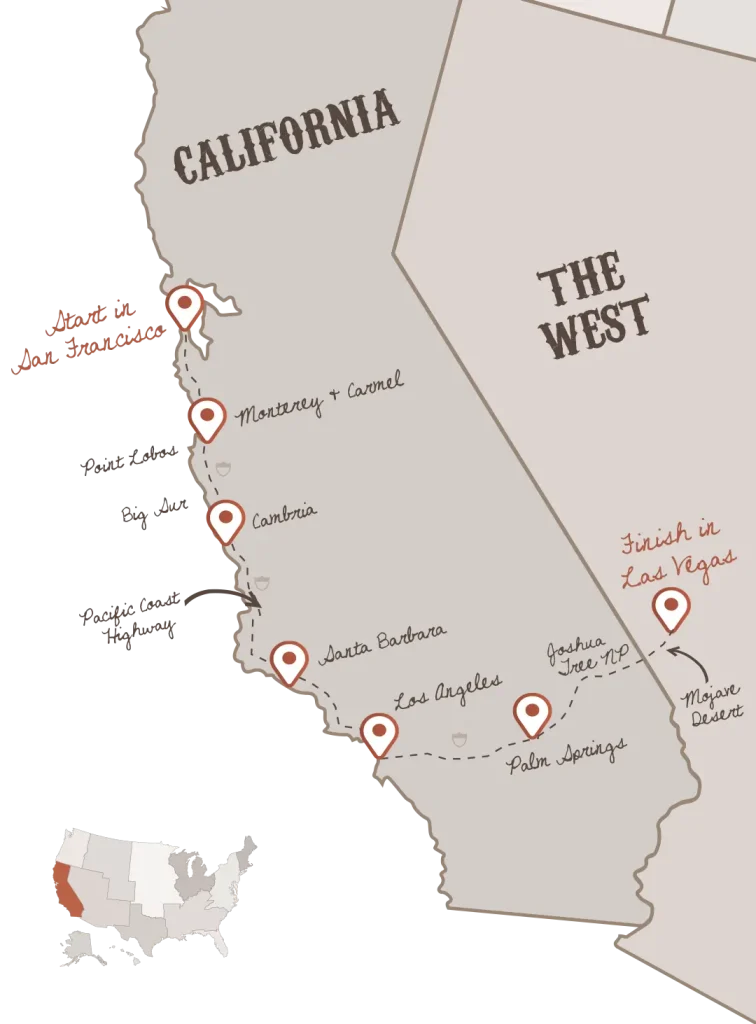
The drive from California to Las Vegas doesn’t have to be merely a means to an end; it can be an integral part of your vacation experience. The route, especially Interstate 15 through the Mojave Desert, offers unique landscapes and quirky attractions that can turn a simple drive into a memorable road trip adventure.
Essential Road Trip Tips
To ensure a smooth and enjoyable drive, consider these practical tips:
-
Timing is Everything: As mentioned, traffic can be a significant factor. Aim to depart early in the morning on weekdays to avoid the worst congestion. Sundays and holiday weekends are notoriously busy, so if possible, adjust your travel dates. Checking real-time traffic apps before you leave and throughout your journey can help you anticipate and navigate potential delays.
-
Vehicle Preparation: Ensure your car is in good condition, especially if you’re traveling during the hotter months. Check tire pressure, fluid levels, and ensure your air conditioning is functioning perfectly. The desert heat can be intense, so a reliable vehicle is crucial for comfort and safety.
-
Fuel and Hydration: The stretches through the Mojave Desert can be long with limited services. Fill up your gas tank before leaving major cities like Los Angeles or San Bernardino, and keep an eye on your fuel gauge. Carry plenty of water and snacks, as options can be sparse and expensive in remote areas. Staying hydrated is paramount in the desert climate, regardless of the season.
-
Entertainment: Prepare a good playlist, download podcasts or audiobooks, and bring along car games to keep passengers entertained, especially on the longer, less eventful stretches of the drive. The open road can be mesmerizing, but having diverse entertainment options can enhance the journey for everyone.
Notable Stops Along the Way
The desert landscape, while often appearing vast and empty, holds several interesting stops that break up the monotony and add character to your road trip. These landmarks offer a glimpse into the local culture and history, transforming a simple drive into an engaging exploration.
-
Barstow, California: A common stopping point, Barstow offers various fast-food restaurants, gas stations, and a glimpse into railroad history. Nearby, the Calico Ghost Town, a former silver mining town, provides a fascinating detour into the Old West. This historical attraction is well-preserved and offers a unique opportunity to step back in time, with shops, museums, and mine tours.
-
Zzyzx Road: A strangely named and intriguing exit, Zzyzx Road leads to what was once a health spa and now houses the Desert Studies Center. While not a major tourist attraction, its unusual name and the story behind it make for a curious brief stop or talking point. It’s a testament to the quirky character of the Mojave Desert.
-
Baker, California: Home to the “World’s Tallest Thermometer,” Baker is another frequent stop for gas and refreshments. The giant thermometer, reaching 134 feet into the sky, commemorates the highest temperature ever recorded in the United States (134°F in Death Valley). It’s a classic roadside landmark for a quick photo op.
-
Seven Magic Mountains: As you approach Las Vegas, just south of the city, you’ll encounter the vibrant art installation “Seven Magic Mountains.” These towering stacks of neon-colored boulders created by artist Ugo Rondinone provide a striking contrast to the desert landscape and offer a fantastic opportunity for photos. This outdoor public art piece has become a popular tourist attraction, signifying the transition from the natural desert to the artistic extravagance of Las Vegas.
Your Ultimate Las Vegas Destination Guide
Once you’ve navigated the journey from California to Las Vegas, a world of unparalleled entertainment, luxury, and unique experiences awaits. Las Vegas is more than just casinos; it’s a dynamic city that caters to every lifestyle and budget, offering a plethora of attractions, accommodations, and culinary delights.
World-Class Accommodation & Resorts
Las Vegas is renowned for its diverse range of hotels and resorts, from opulent five-star establishments to more budget-friendly options. The sheer variety ensures that every traveler can find the perfect place to stay, whether seeking ultimate luxury or a comfortable base for exploration.
-
Luxury Resorts: Iconic properties like Bellagio, Caesars Palace, The Venetian Resort Las Vegas, Wynn Las Vegas, and The Cosmopolitan of Las Vegas offer an experience of indulgence. These resorts are destinations in themselves, featuring elaborate themes, gourmet restaurants, high-end shopping, expansive pool complexes, world-class spas, and captivating live shows. Staying at one of these hotels is often a central part of the Las Vegas experience, providing a luxurious backdrop to your vacation.
-
Mid-Range and Budget-Friendly Options: For those looking for value without sacrificing comfort, hotels such as MGM Grand, New York-New York Hotel & Casino, or Flamingo Las Vegas offer excellent amenities at more accessible price points. Budget travelers might consider properties like Circus Circus Hotel & Casino or The STRAT Hotel, Casino & Skypod, which provide comfortable accommodation and easy access to the Strip’s action. Many resorts also feature suites and apartments that can cater to families or groups, offering more space and flexibility.
-
Booking Tips: To secure the best rates, it’s advisable to book your accommodation well in advance, especially during peak seasons or major events. Mid-week stays are often significantly cheaper than weekends. Look for package deals that combine flight and hotel for potential savings, and always compare prices across different booking platforms to find the best value for your chosen amenities.
Attractions, Entertainment, and Lifestyle
Las Vegas truly has something for everyone, making it a premier tourism destination. Beyond the iconic casinos, the city boasts an incredible array of activities that cater to diverse interests, from thrilling shows to outdoor adventures.
-
World-Class Entertainment: The city is famous for its spectacular live shows, including resident headliners, Broadway productions, Cirque du Soleil performances, magic acts, and comedy shows. Each resort often hosts multiple venues, ensuring a never-ending schedule of captivating performances. This vibrant entertainment scene is a cornerstone of the Las Vegas lifestyle, offering experiences that cannot be replicated elsewhere.
-
Dining and Nightlife: Las Vegas is a foodie paradise, with celebrity chef restaurants, international cuisines, and casual dining options galore. The nightlife scene is equally diverse, ranging from high-energy nightclubs with world-famous DJs to sophisticated lounges and lively bars. Whether you’re seeking a gourmet meal or a vibrant dance floor, Las Vegas delivers.
-
Beyond the Strip: Don’t forget to explore the areas beyond the main tourist corridor. The Fremont Street Experience in Downtown Las Vegas offers a different vibe with its dazzling LED canopy, free concerts, and classic casinos. For those seeking natural beauty, the nearby Red Rock Canyon National Conservation Area provides stunning hiking trails and rock climbing opportunities, while a visit to the Hoover Dam and Lake Mead offers impressive engineering feats and recreational activities. These outdoor attractions provide a refreshing contrast to the indoor glamour of the city.
Practical Tourism Tips for Your Las Vegas Stay
To maximize your Las Vegas experience, consider these practical tips for navigating the city and enjoying its unique local culture.
-
Best Time to Visit: Spring (March to May) and Fall (September to November) offer the most pleasant weather, with warm days perfect for pool lounging and comfortable evenings for exploring. Summers can be extremely hot, while winters are mild but can get chilly at night. Consider your preferred activities when choosing your travel dates.
-
Navigating the Strip: The Las Vegas Strip is longer than it appears, so comfortable walking shoes are a must. Utilize the free trams connecting some resorts, taxis, ride-sharing services, or the Las Vegas Monorail to cover longer distances efficiently. Walking everywhere is possible, but it can be exhausting.
-
Budgeting: Las Vegas can be as expensive or as affordable as you make it. Plan your budget for accommodation, food, entertainment, and gambling. Look for happy hour deals, buffet discounts, and free attractions like the Bellagio Fountains or the Mirage Volcano show to save money. There are ample opportunities for both luxury travel and budget travel in Las Vegas, catering to all kinds of travel styles.
In conclusion, the distance from Las Vegas to California varies significantly based on your starting point, but the journey itself is a well-trodden path that offers a gateway to an unforgettable experience. Whether you choose the classic California road trip, a quick flight, or a leisurely bus ride, Las Vegas stands ready to welcome you with its dazzling array of hotels, attractions, and vibrant lifestyle. By planning your trip with these guides and considerations in mind, you can ensure your journey is as exciting and rewarding as the destination itself.
LifeOutOfTheBox is a participant in the Amazon Services LLC Associates Program, an affiliate advertising program designed to provide a means for sites to earn advertising fees by advertising and linking to Amazon.com. Amazon, the Amazon logo, AmazonSupply, and the AmazonSupply logo are trademarks of Amazon.com, Inc. or its affiliates. As an Amazon Associate we earn affiliate commissions from qualifying purchases.