
The question “How far is New York to California?” transcends a simple numerical answer. It speaks to the vastness of the United States, the diverse landscapes that lie between its Atlantic and Pacific shores, and the myriad experiences awaiting anyone audacious enough to traverse this magnificent stretch of continent. More than just miles, it represents a journey through contrasting cultures, iconic cities, breathtaking natural wonders, and a testament to the adventurous spirit. Whether you’re contemplating a swift flight for a business meeting, a leisurely train journey, or the quintessential American road trip, understanding the distance and the implications of this epic crossing is the first step in planning an unforgettable adventure. This article delves into the specifics of this transcontinental trek, exploring the distances, travel methods, compelling destinations, and practical tips for making the journey.
The Vast Expanse: Understanding the Distance
At its core, the distance between New York and California is an impressive measure of geographical scale. These two states represent the easternmost and westernmost points of the contiguous United States, making any direct journey between them a cross-country endeavor.
Geographical Realities and Route Variations
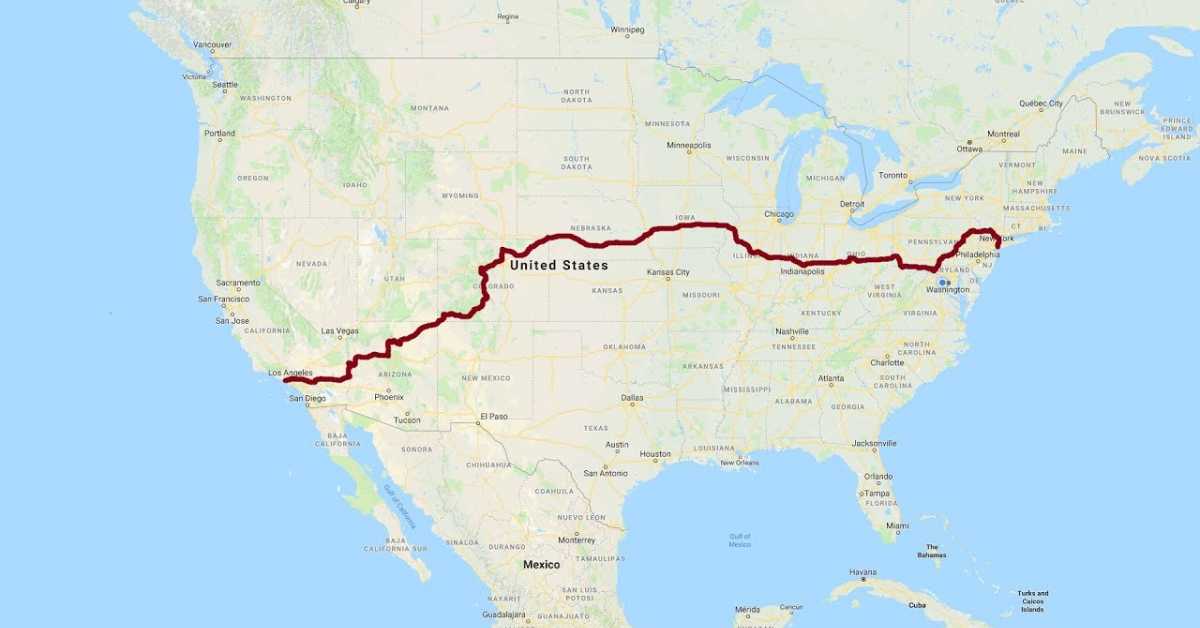
The precise distance depends heavily on your starting point in New York and your destination in California. For instance, a journey from New York City to Los Angeles will differ slightly from one to San Francisco or San Diego. Generally, the most common routes span roughly 2,500 to 3,000 miles (approximately 4,000 to 4,800 kilometers).
Driving routes often involve traversing the expansive plains of the Midwest, crossing the dramatic peaks of the Rocky Mountains, and navigating the deserts of the Southwest before reaching the verdant or arid landscapes of California. Each route offers its own unique set of attractions and challenges, influencing the total travel time and overall experience. Factors like weather conditions, road closures, and the number of stops for sightseeing, dining, or accommodation can significantly impact the journey’s duration.
The Pure Numbers: Miles, Kilometers, and Time Zones
To put it into perspective:
- By Air (Great Circle Distance): The shortest distance, as the crow flies, is approximately 2,450 miles (3,940 kilometers) from New York City (JFK Airport) to Los Angeles (LAX Airport).
- By Road: Driving distances typically range from 2,800 to 3,000 miles (4,500 to 4,800 kilometers), depending on the specific route taken. This includes major interstates like I-80, I-70, or I-40, which weave through multiple states.
- Time Zones: Crossing the country also means traversing three distinct time zones: Eastern, Central, Mountain, and Pacific. Traveling from east to west, you gain three hours, which can be a welcome bonus for mitigating jet lag if flying. Driving, you’ll experience these changes more gradually, often resetting your clock multiple times during the journey.
Navigating the Continent: Modes of Travel
The choice of transportation profoundly shapes the experience of traveling between New York and California, each offering unique advantages in terms of speed, cost, and the immersion in the journey itself.
Soaring Across the Skies: The Aerial Route
For speed and efficiency, flying is undoubtedly the preferred option. A direct flight from New York to California typically takes 5.5 to 6.5 hours in the air. Add to that airport check-in, security, boarding, and deplaning times, and the total travel time from city center to city center usually clocks in around 8-10 hours. Major airlines like Delta, United, American Airlines, JetBlue, and Southwest Airlines offer numerous daily direct flights connecting key hubs such as JFK, LaGuardia, and Newark to LAX, SFO, and San Diego International Airport.
Air travel is ideal for business travelers, those on a tight schedule, or anyone looking to maximize their time at the destination rather than on the journey itself. While potentially the most expensive option, booking in advance and being flexible with dates can yield significant savings, especially when looking for budget travel options or leveraging loyalty programs.
The Great American Road Trip: Driving Across the USA
The classic American road trip offers an unparalleled sense of freedom and discovery. Driving from New York to California typically takes 4 to 6 days of continuous driving, assuming 8-10 hours behind the wheel each day. However, to truly savor the experience and explore the myriad attractions along the way, most travelers dedicate 7 to 14 days or even longer. This allows for comfortable overnight stays in hotels, resorts, or unique local accommodations, along with ample time for sightseeing.
A road trip unlocks the ability to explore diverse landscapes, from the rolling farmlands of the Midwest to the bustling cities of Chicago or St. Louis, the majestic Grand Canyon or Arches National Park in the Southwest, and the vibrant life of Las Vegas. Popular routes include the historic Route 66 (though much of it is now decommissioned, segments offer a nostalgic journey), or a combination of interstate highways. Car rentals are readily available, though one-way rentals can incur significant fees. For those undertaking this kind of lifestyle travel, balancing luxury travel experiences with budget travel sensibilities often means mixing accommodation types, from boutique hotels to campgrounds.
Scenic Journeys: Train and Bus Travel
For a more relaxed pace and a unique perspective on the American landscape, train and bus travel are viable, albeit much slower, options.
- Train Travel (Amtrak): Amtrak offers several routes that connect the East and West Coasts, such as the Lake Shore Limited (from New York to Chicago) connecting to the California Zephyr (from Chicago to Emeryville, near San Francisco) or the Southwest Chief (from Chicago to Los Angeles). A full transcontinental train journey can take 3 to 4 days, not including layovers. While slower, it offers comfortable seating, dining cars, and even private sleeper suites, transforming the journey into an experience in itself. This mode of transport allows passengers to witness ever-changing scenery, from the Mississippi River to the Sierra Nevada mountains, without the stress of driving.
- Bus Travel (Greyhound, FlixBus): Bus services like Greyhound or FlixBus provide the most economical way to travel long-distance. A bus journey from New York to California typically takes 50 to 70 hours of continuous travel, including multiple stops and transfers. While it’s the most budget-friendly option, it demands considerable endurance due to the long hours and limited personal space. This is a choice often made by budget travelers or those seeking the raw experience of cross-country travel.

From Coast to Coast: Iconic Destinations and Experiences
The journey from New York to California is not just about the distance covered; it’s about the incredible destinations and tourism experiences that punctuate the route and await at either end.
Unforgettable New York City Experiences
Starting in New York, travelers are immersed in one of the world’s most dynamic urban environments. New York City alone offers an overwhelming array of attractions:
- Landmarks & Culture: Marvel at the Statue of Liberty, ascend the Empire State Building or Top of the Rock for panoramic views, wander through Times Square’s dazzling lights, or catch a world-class show on Broadway.
- Parks & Museums: Find serenity in Central Park, explore the masterpieces at the Metropolitan Museum of Art or the Museum of Modern Art.
- Food & Lifestyle: Indulge in diverse culinary experiences, from Michelin-starred restaurants to iconic street food. New York caters to every lifestyle, from luxury travel in Manhattan to bohemian exploration in Greenwich Village. When it comes to accommodation, options range from opulent suites at the Ritz-Carlton Central Park to charming boutique hotels in Brooklyn.
Discovering the Golden State: California’s Diverse Charms
Upon arrival in California, travelers are greeted by a state renowned for its incredible diversity, from sun-drenched beaches to snow-capped mountains, bustling metropolises to serene national parks.
- Southern California: Los Angeles beckons with Hollywood glamour, world-class theme parks like Disneyland, beautiful beaches, and vibrant neighborhoods. San Diego offers a relaxed coastal vibe, historic sites, and family-friendly attractions like the San Diego Zoo.
- Northern California: San Francisco captivates with its iconic Golden Gate Bridge, cable cars, Alcatraz Island, and a unique blend of historical charm and modern innovation (Silicon Valley is nearby).
- Natural Wonders: Beyond the cities, California is home to stunning natural landmarks. Yosemite National Park enthralls with its giant sequoias and granite cliffs, while Lake Tahoe provides a playground for outdoor enthusiasts. The rugged coastline along the Pacific Coast Highway offers one of the most scenic drives in the world, and the wine country of Napa Valley invites indulgence.
- Accommodation in California: From luxury resorts in Beverly Hills to charming beachfront villas in Malibu, or cozy cabins near Yosemite, California offers accommodation for every taste and budget, including long-term stay apartments for those looking to experience local culture more deeply.
Memorable Stops Along the Way
For those choosing the road trip or train adventure, the journey itself is the destination. Key stops can include:
- Midwest Charm: Chicago with its stunning architecture and deep-dish pizza, or the musical heritage of Nashville or Memphis if taking a southern route.
- Natural Wonders: The awe-inspiring Grand Canyon National Park in Arizona, the surreal landscapes of Badlands National Park in South Dakota, or the unique rock formations of Monument Valley on the border of Arizona and Utah.
- Vibrant Cities: The glittering lights and entertainment of Las Vegas in Nevada, or the historic charm of Santa Fe, New Mexico. These stops offer opportunities to experience diverse local culture, cuisine, and activities, enriching the overall travel experience.
Planning Your Transcontinental Adventure
Embarking on a cross-country journey, regardless of the mode, requires careful planning to ensure a smooth and enjoyable experience.
Accommodation Choices: From Luxury to Budget
One of the most significant aspects of trip planning is accommodation. The website’s focus on hotels, suites, resorts, apartments, and villas is highly relevant here.
- Hotels & Resorts: Major hotel chains like Hilton, Marriott, and Hyatt offer consistent quality and amenities across the country, often with loyalty programs. Boutique hotels provide unique charm and local flavor.
- Apartments & Villas: For longer stays, family trips, or a desire for a more home-like feel, platforms like Airbnb or Vrbo offer apartments and villas, allowing for a deeper immersion into local culture and often providing better value for groups.
- Budget-Friendly Options: Motels, hostels, and campgrounds are excellent choices for budget travelers, especially for road trippers. Many national parks, managed by the National Parks Service, also offer camping facilities that must be booked well in advance.
- Booking & Reviews: Always consult booking platforms and read reviews to compare options and ensure the chosen accommodation meets your expectations in terms of amenities, location, and guest satisfaction.
Budgeting for the Journey
A trip of this magnitude requires a comprehensive budget.
- Transportation: Flights fluctuate in price based on season and booking lead time. Fuel costs for driving can add up, especially for a 3,000-mile journey, so research average gas prices along your route. Train and bus tickets are generally more stable but vary by class of service.
- Accommodation: This will likely be one of your largest expenses. Plan your overnight stops and book in advance, especially during peak seasons.
- Food & Drink: Factor in meals, snacks, and local culinary experiences. Roadside diners, local eateries, and self-catering in apartments can help manage costs.
- Activities & Attractions: Budget for entrance fees to national parks, museums, theme parks, and other tourist attractions.
- Miscellaneous: Don’t forget travel insurance, souvenirs, and a contingency fund for unexpected expenses.
Essential Travel Tips and Considerations
- Packing: Pack appropriately for diverse climates, from New York’s humidity to California’s dry heat or desert cold. Layers are always a good idea.
- Vehicle Maintenance (for Road Trips): Ensure your vehicle is in top condition before embarking on a long drive. Check tires, oil, and fluid levels.
- Navigation: While GPS is invaluable, having a physical map as a backup can be wise, especially in remote areas with spotty cell service, such as parts of Death Valley National Park.
- Safety: Be aware of your surroundings, especially in unfamiliar cities. Secure your belongings and inform someone of your itinerary.
- Flexibility: While planning is crucial, building in some flexibility allows for spontaneous detours and discoveries, which often lead to the most memorable experiences.
Why Embark on This Epic Journey?
Beyond the practicalities, the journey from New York to California is a deeply personal and often transformative experience.

A Lifestyle Choice: Adventure, Culture, and Self-Discovery
This transcontinental trek is more than just covering miles; it’s a profound immersion into the diverse fabric of American life. It’s an opportunity for self-discovery through adventure, whether it’s pushing personal limits on a long drive or reflecting during a scenic train ride. It’s an exploration of local culture, from the vibrant arts scene of New Orleans (if taking a southern route) to the cowboy heritage of the American West. It can be a family trip, creating lasting memories, a business stay with cultural extensions, or a solo quest for freedom. For many, it’s a bucket-list item, a testament to the spirit of exploration and the allure of experiencing a continent in its full glory.
In conclusion, the distance from New York to California is substantial, both geographically and experientially. It’s a journey that offers incredible diversity, from the concrete jungles of the East Coast to the sun-kissed beaches of the West, with a tapestry of landscapes, cities, and cultures in between. Whether you choose to fly swiftly across the country or embark on a multi-day adventure by road or rail, the preparation, the journey itself, and the destinations await to provide a truly unforgettable American experience.
LifeOutOfTheBox is a participant in the Amazon Services LLC Associates Program, an affiliate advertising program designed to provide a means for sites to earn advertising fees by advertising and linking to Amazon.com. Amazon, the Amazon logo, AmazonSupply, and the AmazonSupply logo are trademarks of Amazon.com, Inc. or its affiliates. As an Amazon Associate we earn affiliate commissions from qualifying purchases.