
Embarking on a Southern California adventure often involves the delightful dilemma of experiencing two of the world’s most iconic theme parks: Universal Studios Hollywood and the Disneyland Resort. While both promise unforgettable thrills and cherished memories, they are not next door to each other. Understanding the distance, travel time, and various transportation options between these colossal entertainment hubs is paramount for a seamless and enjoyable vacation. This guide delves into everything you need to know to navigate your journey, ensuring your focus remains on the magic, not the logistics.
The Core Question: Distance and Travel Time
Planning a trip that encompasses both Universal Studios Hollywood and the Disneyland Resort requires a clear understanding of the geographical separation between these two titans of entertainment. They are situated in different counties, each with its own unique urban landscape, which significantly influences travel dynamics.
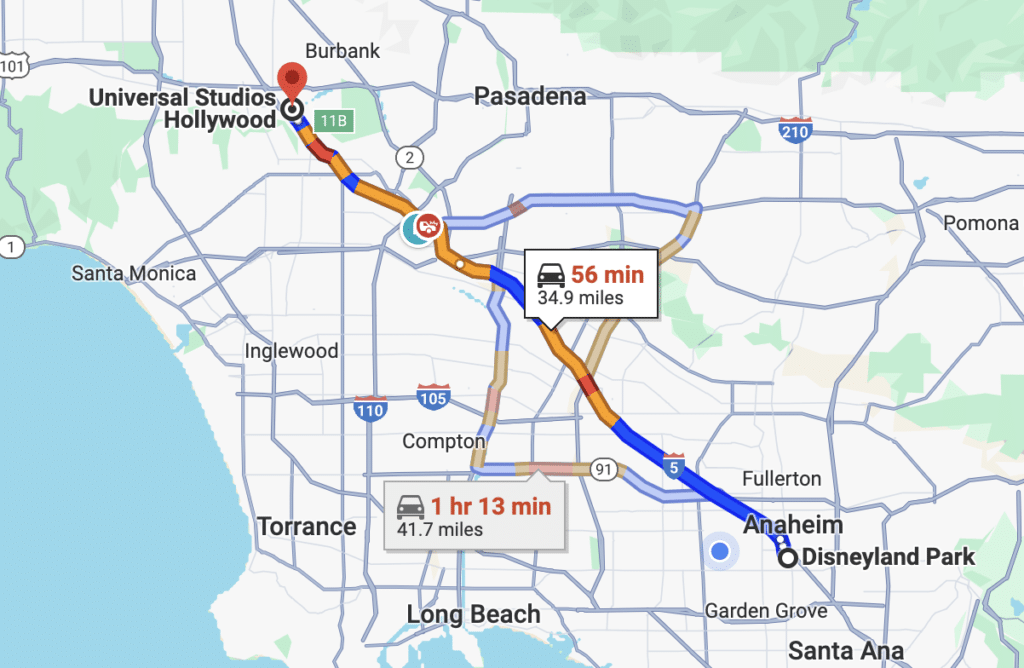
Unpacking the Miles: Universal Studios Hollywood to Disneyland Resort
Geographically, Universal Studios Hollywood is located in Universal City, nestled within the San Fernando Valley area of Los Angeles County. On the other hand, the Disneyland Resort proudly calls Anaheim, Orange County, its home. This distinction is crucial, as Orange County is directly south of Los Angeles County, meaning a significant journey across sprawling metropolitan areas.
The approximate driving distance between Universal Studios Hollywood and the Disneyland Resort is around 35 to 40 miles (56 to 64 kilometers). While this might not seem like an insurmountable distance on paper, the reality of Southern California traffic can transform a seemingly short drive into a prolonged expedition.
Factors Influencing Travel Duration
The most significant variable affecting your travel time is, without a doubt, traffic. Los Angeles is infamous for its congested freeways, and peak travel times can dramatically inflate your journey.
- Off-Peak Hours (Mid-morning, Late Evening): During these times, when most commuters are off the roads, the drive can take anywhere from 45 minutes to 1 hour and 15 minutes. This is the ideal window if you have flexibility in your schedule.
- Peak Hours (Weekdays, 6-10 AM and 3-7 PM): Attempting this journey during rush hour can be a test of patience. Travel times can easily stretch to 1.5 hours, 2 hours, or even longer on particularly bad days. Weekends can also see significant traffic, especially on major arteries like the I-5 freeway, as locals and tourists alike flock to attractions.
- Special Events: Major concerts, sporting events, or conventions in either Los Angeles or Orange County can cause unexpected surges in traffic, adding further delays. It’s always wise to check local traffic reports and use real-time navigation apps before setting out.
Understanding these variables is key to setting realistic expectations and choosing the best time and method for your inter-park transit.
Navigating Southern California: Transportation Options
Once you’ve grasped the distance and the potential impact of traffic, the next step is to explore the myriad of transportation options available. Each method offers a different balance of convenience, cost, and travel time, catering to various travel lifestyles, from the budget-conscious traveler to those seeking luxury travel experiences.
Driving Yourself: Freedom and Flexibility
For many, renting a car is the preferred method for navigating Southern California. It offers unparalleled freedom to explore not only the theme parks but also other attractions and landmarks at your own pace.
- Pros:
- Flexibility: You dictate your schedule, making spontaneous stops at interesting sights or for meals.
- Convenience: No waiting for shuttles or coordinating with ride-share drivers.
- Exploration: Easily venture beyond the parks to explore Hollywood, Santa Monica, or the Orange County coastline.
- Cons:
- Cost: Rental car fees, fuel costs, and significant parking expenses at both theme parks (which can range from $30-$40+ per day) add up quickly.
- Traffic: You are fully exposed to Los Angeles’ notorious traffic.
- Navigation: Driving in a new, sprawling city can be stressful for some.
- Parking Hassle: Finding and paying for parking at popular destinations can be time-consuming.
If you choose to drive, ensure your accommodation includes parking, or factor in overnight parking fees. Many hotels near Disneyland Resort offer complimentary parking, but those closer to Universal Studios Hollywood in Hollywood or Universal City may charge a premium.
Ride-Sharing Services: Convenience at Your Fingertips
Services like Uber and Lyft have become incredibly popular for their door-to-door convenience. They are an excellent option for those who prefer not to drive but want a private, direct transfer.
- Pros:
- Convenience: Pick-up and drop-off points are usually very close to park entrances.
- No Parking Hassle: You avoid parking fees and the time spent finding a spot.
- Flexibility: On-demand service means you can leave when you’re ready.
- Cons:
- Cost: While often cheaper than renting a car for a single day, costs can quickly escalate if used multiple times or during surge pricing. A one-way trip between the parks can range from $60-$100+, depending on traffic and time of day.
- Traffic: You are still subject to traffic delays, which will impact the fare for longer journeys.
- Availability: While generally plentiful, wait times can occur during peak park closing hours.
Ride-sharing is particularly suitable for family trips where sharing the fare makes it more economical than individual shuttle tickets, or for business stays where convenience is prioritized.
Public Transportation: An Economical Adventure
Southern California’s public transportation system, while extensive, often requires multiple transfers to cover the distance between the parks. It’s a viable option for budget travel, but demands patience and good planning.
-
Metro Rail and Bus: From Universal Studios Hollywood, you can take the Universal City/Studio City Metro Red Line station to downtown Los Angeles. From there, you’d typically transfer to a regional bus service (like OCTA or a long-distance Metro Express bus) that heads towards Anaheim.
-
Metrolink / Amtrak: Another option is to use a combination of Metro to a Metrolink or Amtrak station in Los Angeles (like Union Station), and then take a train south to the Anaheim Regional Transportation Intermodal Center (ARTIC). From ARTIC, Disneyland Resort is a short bus or ride-share away.
-
Pros:
- Cost-Effective: Significantly cheaper than driving or ride-sharing, especially with a day pass.
- Environmentally Friendly: Reduces your carbon footprint.
- Local Experience: Offers a glimpse into local life.
-
Cons:
- Time-Consuming: Can take 2.5 to 3.5 hours or even longer, due to transfers and wait times.
- Complexity: Requires navigating multiple systems and schedules.
- Luggage: Not ideal if you’re traveling with substantial luggage.
- Limited Directness: Rarely provides a direct route between the two parks.
This method is best suited for intrepid travelers who prioritize cost savings and aren’t on a tight schedule.
Private Shuttles and Tours: Streamlined Travel
Several private shuttle services and tour companies specialize in transporting tourists between Los Angeles and Anaheim, often with direct pick-up and drop-off points at hotels or the parks themselves.
- Examples: Companies like Karmel Shuttle or Lux Bus America offer routes that can facilitate this transfer. Some tour operators also offer packages that include transportation between the parks as part of a multi-day itinerary.
- Pros:
- Convenience: Often door-to-door or near-door service.
- No Driving/Parking Stress: Sit back and relax.
- Fixed Fares: Predictable costs, often per person.
- Cons:
- Less Flexible: Adhere to a fixed schedule, which might not align perfectly with your plans.
- Cost: Generally more expensive than public transport, but potentially less than a round-trip ride-share for a single traveler.
- Shared Ride: You might share the vehicle with other passengers, which can add to travel time due to multiple stops.
These services strike a balance between cost and convenience, making them a popular choice for families or groups who prefer a managed travel experience without the need to drive.

Planning Your Dual-Park Adventure
Successfully integrating visits to Universal Studios Hollywood and the Disneyland Resort into a single trip requires careful planning. From choosing your accommodation to budgeting, every decision plays a role in enhancing your overall experience.
Choosing Your Base: Accommodation Strategies
One of the most critical decisions is where to stay. Your accommodation choice can significantly impact travel time and overall convenience.
- Option 1: Stay Near Disneyland Resort in Anaheim:
- Pros: Immense selection of hotels (Good Neighbor Hotels, Disneyland Hotels, budget-friendly motels, luxury resorts, and apartments), many within walking distance or a short shuttle ride to the parks. Easy access to Downtown Disney District.
- Cons: You’ll face a longer commute on your Universal Studios Hollywood day, potentially involving early mornings and late returns.
- Ideal For: Families primarily focused on Disneyland who plan only a single day at Universal Studios. Many Anaheim hotels cater specifically to theme park visitors, offering suites, shuttle services, and family-friendly amenities.
- Option 2: Stay Near Universal Studios Hollywood in Los Angeles (e.g., Hollywood, Universal City):
- Pros: Proximity to Universal Studios Hollywood and easy access to other major Los Angeles landmarks like the Hollywood Walk of Fame, Griffith Observatory, and Beverly Hills. A wider variety of upscale hotels, luxury travel options, and vibrant nightlife.
- Cons: A longer commute on your Disneyland Resort days. Accommodation can be more expensive, and parking might be a premium.
- Ideal For: Travelers who want to spend more time exploring Los Angeles as a whole, perhaps combining a business stay with leisure, and dedicating one or two days to Universal Studios before heading to Disneyland.
- Option 3: Split Your Stay:
- Pros: Minimizes daily commute times by staying near each park during your visits. Allows for deeper exploration of local culture and food scenes in both Orange County and Los Angeles.
- Cons: Involves packing, checking out, traveling, and checking into a new hotel mid-trip, which can be disruptive, especially with a family.
- Ideal For: Longer trips (5+ days) or those seeking a more immersive experience in both areas, valuing time over convenience of unpacking once. This can be perfect for those looking for diverse accommodation experiences, from a themed resort to a chic boutique hotel.
When considering accommodation, also think about amenities like pools, complimentary breakfast, and shuttle services, which can enhance your stay and provide value for money. Reading reviews and comparing options on booking sites is essential for finding the perfect fit.
Maximizing Your Time at Each Park
To truly enjoy both destinations, strategize your park visits:
- Allocate Sufficient Days: Disneyland Resort typically requires at least two full days (one for Disneyland Park and one for Disney California Adventure Park) to experience the majority of its attractions, like Star Wars: Galaxy’s Edge or Avengers Campus. Universal Studios Hollywood can often be done in a single full day, especially if you arrive at opening and utilize tools like the Universal Studios Hollywood App for wait times, though two days allows for a more relaxed pace and re-rides on favorites like The Wizarding World of Harry Potter or Super Nintendo World.
- Park Hopping: While Disneyland Resort offers park hopping between its two gates, it’s not practical between Universal Studios Hollywood and Disneyland Resort due to the distance.
- Consider Express Passes/Genie+: For both parks, investing in skip-the-line options can save precious time, especially during peak season. This is a common strategy for a more efficient and luxurious travel experience.
Budgeting for Your California Theme Park Vacation
A trip to these world-class parks is an investment. Factor in:
- Tickets: Multi-day tickets often offer better value than single-day tickets.
- Accommodation: Research hotels, resorts, or even vacation rentals (villas, apartments) to fit your budget.
- Transportation: Car rental, gas, parking, ride-shares, or shuttle services.
- Food and Merchandise: Theme park food can be expensive. Consider packing snacks or utilizing quick-service options and local restaurants outside the parks to save money.
- Souvenirs: Set a budget for mementos.
A detailed budget plan ensures a stress-free trip, allowing you to focus on the experiences.
Beyond the Parks: Exploring Southern California
While the theme parks are undoubtedly a major draw, Southern California is a treasure trove of diverse attractions, landmarks, and cultural experiences. Incorporating these into your itinerary can enrich your lifestyle travel experience, whether you’re seeking local culture, famous places, or natural beauty.
Discovering Los Angeles’s Diverse Attractions
If you’re based near Universal Studios Hollywood, you’re perfectly positioned to explore the sprawling metropolis of Los Angeles.
- Hollywood Glamour: Stroll the Hollywood Walk of Fame, gaze at the Hollywood Sign, or catch a show at the historic TCL Chinese Theatre. Take a Warner Bros. Studio Tour Hollywood for a behind-the-scenes look at moviemaking.
- Culture and Art: Visit the world-renowned Getty Center for art, architecture, and panoramic views, or explore the exhibits at the Los Angeles County Museum of Art (LACMA).
- Scenic Views: Head up to the Griffith Observatory for stunning vistas of the city skyline, the Pacific Ocean, and the stars. Hike in the surrounding Hollywood Hills.
- Beach Life: Drive to Santa Monica to enjoy the iconic Santa Monica Pier and its vibrant beach scene, or explore the bohemian vibes of Venice Beach.
- Shopping & Dining: Experience luxury shopping on Rodeo Drive in Beverly Hills or indulge in the diverse culinary scene across various Los Angeles neighborhoods.
The Charms of Orange County
If Anaheim is your primary base, there’s plenty to explore beyond the magic of Disneyland Resort in Orange County.
- More Theme Parks: Knott’s Berry Farm, a historic theme park known for its thrill rides and Old West charm, is just a short drive away in Buena Park.
- Coastal Beauty: Orange County boasts some of California’s most picturesque beaches. Visit Huntington Beach (Surf City USA), the artistic enclave of Laguna Beach, or the charming harbor town of Newport Beach.
- Shopping and Entertainment: Explore the upscale shopping and dining at South Coast Plaza or catch a show at the Segerstrom Center for the Arts.
- Food Tours: Discover the local food scene, from authentic Mexican cuisine to fresh seafood, reflecting Southern California’s diverse culinary landscape.
These additional activities offer a comprehensive tourism experience, showcasing the best of California beyond its famed theme parks.
Essential Tips for a Seamless Experience
Making the most of your dual-park vacation in Southern California involves a few key considerations that can smooth out potential bumps in the road.
Booking in Advance
- Park Tickets: Always purchase your theme park tickets online and in advance, especially for Disneyland Resort where reservations are often required. This saves time at the gate and often comes with a slight discount.
- Accommodation: Book your hotels, resorts, or vacation apartments well ahead of time, especially if traveling during peak seasons (summer, holidays). Advance booking often secures better rates and a wider selection of rooms or suites.
- Transportation: If you plan to use shuttle services, book those in advance too. For car rentals, early booking often means better availability and pricing.
Packing Smart
- Comfortable Shoes: You will be doing a lot of walking, so comfortable walking shoes are non-negotiable.
- Layered Clothing: Southern California weather can vary. Mornings can be cool, days warm, and evenings chilly, especially near the coast or after sunset in the parks. Layers are key.
- Sun Protection: Sunscreen, hats, and sunglasses are essential year-round.
- Portable Charger: Your phone will be working hard for navigation, photos, and park apps. A portable charger is a lifesaver.
- Reusable Water Bottle: Stay hydrated and save money by refilling at water fountains around the parks.

Understanding California’s Traffic
- Real-time Apps: Utilize navigation apps like Google Maps, Waze, or Apple Maps to get real-time traffic updates and estimated travel times. These are indispensable for planning your departure.
- Flexibility: Build extra buffer time into your travel plans, especially when moving between the two major destinations. It’s better to arrive early and relax than to stress about being late.
- Avoid Peak Hours: Whenever possible, schedule your travel between Universal Studios Hollywood and the Disneyland Resort during off-peak traffic times (late morning or early afternoon, avoiding the main rush hours).
By keeping these tips in mind, you can streamline your logistics and dedicate more energy to enjoying the incredible attractions and experiences that await you at both Universal Studios Hollywood and the Disneyland Resort. Whether you opt for a luxurious resort stay, a budget-friendly apartment, or an immersive exploration of local landmarks and cuisine, your journey through Southern California is set to be an unforgettable adventure.
LifeOutOfTheBox is a participant in the Amazon Services LLC Associates Program, an affiliate advertising program designed to provide a means for sites to earn advertising fees by advertising and linking to Amazon.com. Amazon, the Amazon logo, AmazonSupply, and the AmazonSupply logo are trademarks of Amazon.com, Inc. or its affiliates. As an Amazon Associate we earn affiliate commissions from qualifying purchases.