
The vast expanse between New York and California represents more than just a formidable distance; it embodies the quintessential American journey, a traverse across diverse landscapes, cultures, and experiences. For many, the question “How far New York to California?” isn’t merely about mileage but about the epic adventure that unfolds across the United States. Whether you’re planning a cross-country road trip, a swift flight for business, or a leisurely train ride, understanding this geographical span is the first step in orchestrating an unforgettable travel experience. This article delves into the various facets of this transcontinental journey, providing insights into distances, travel modes, iconic landmarks, and essential planning tips to transform a long-distance query into a tangible travel guide.
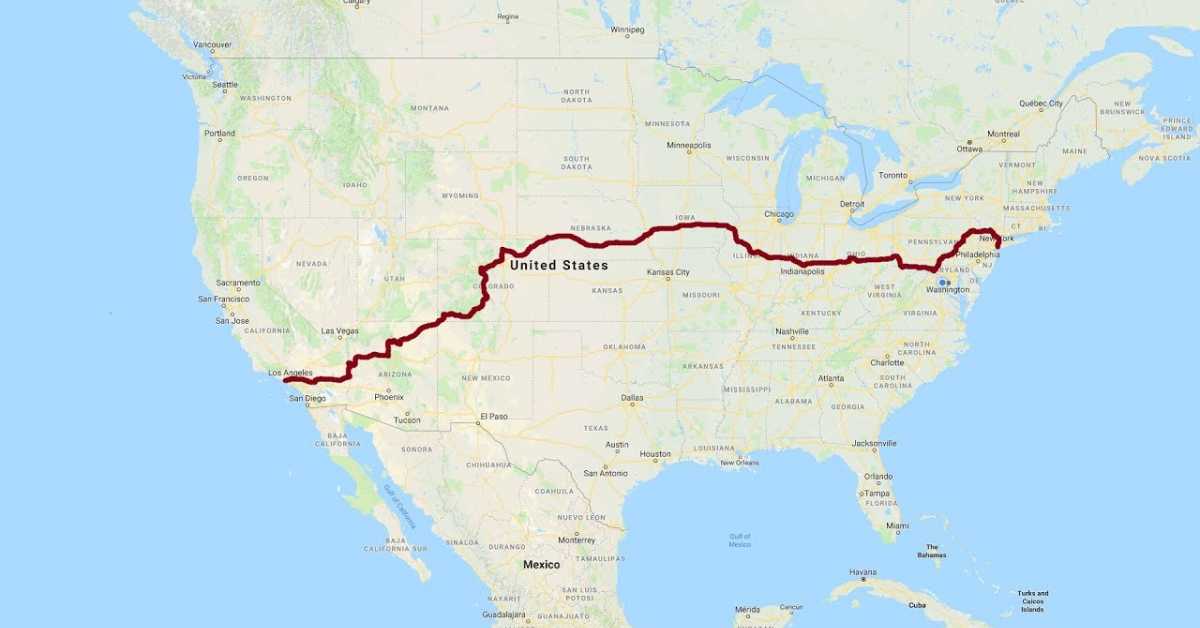
The journey from the vibrant East Coast metropolis of New York City to the sun-drenched shores of California is one that captures the imagination. It’s a journey that connects two of North America’s most iconic states, bridging the Atlantic Ocean with the Pacific Ocean. The answer to “how far” is multifaceted, depending on the chosen starting and ending points, as well as the mode of transportation. But beyond the numbers, it’s about the adventure, the discovery, and the memories forged along thousands of miles of open road, railway, or sky.
The Transcontinental Span: Measuring the Distance
At its core, the question of distance between New York and California is a geographical one, but practical travel considerations significantly alter the answer. There’s a stark difference between the straight-line, as-the-crow-flies measurement and the actual mileage covered when traveling by road.
Straight Line vs. Driving Distance
Geographically, the distance between the easternmost points of New York and the westernmost points of California can be measured. For practical purposes, however, travelers typically consider major urban centers.
Taking New York City (specifically, a central point like Manhattan) as the starting point and Los Angeles or San Francisco in California as destinations provides more tangible figures.
-
As the Crow Flies (Approximate):
- From New York City to Los Angeles: Roughly 2,450 miles (3,940 kilometers).
- From New York City to San Francisco: Approximately 2,570 miles (4,130 kilometers).
-
Driving Distance (Approximate):
- When traveling by car, the roads do not follow a straight line. The most common driving routes between New York City and Los Angeles typically span 2,800 to 3,200 miles (4,500 to 5,150 kilometers), depending on the specific route chosen, detours, and starting/ending addresses within each metropolitan area. A popular route might take you through the Midwest and Southwest, offering a rich tapestry of landscapes.
- Similarly, a drive from New York City to San Francisco would fall within a similar range, often slightly longer due to its more northern trajectory.
Factors Influencing Travel Time
The actual time it takes to travel this distance varies dramatically based on the mode of transport and personal choices.
- Driving: A cross-country road trip typically requires 4 to 7 days of driving, assuming an average of 8-10 hours behind the wheel each day. This includes necessary stops for fuel, meals, and overnight stays. Without substantial stops for sightseeing, a dedicated driver might push it to 4 days, but this is less common and more taxing.
- Flying: Direct flights between major airports (like JFK in New York and LAX or SFO in California) generally take 5 to 6 hours. Including check-in, security, and travel to/from airports, the total travel time from door-to-door can range from 8 to 12 hours.
- Train: Traveling by train is a more leisurely option, often taking 3 to 4 days for the entire journey, depending on connections and routes.
- Bus: The most budget-friendly option, a bus trip can take 60 to 80 hours of continuous travel, often with multiple transfers and stops, spanning 3 to 4 days in total.
Embarking on the Journey: Modes of Transportation
Choosing how to travel from New York to California is a crucial decision that shapes the entire experience. Each mode offers a unique perspective, caters to different budgets, and promises a distinct adventure.
The Classic American Road Trip
The allure of the open road is undeniable. A cross-country drive from New York to California is the quintessential American adventure, a rite of passage for many, and a journey deeply embedded in the nation’s cultural fabric. This mode of travel offers unparalleled flexibility to explore hidden gems, iconic landmarks, and diverse landscapes at your own pace.
- Planning and Preparation: A successful road trip demands meticulous planning. This includes ensuring your vehicle is road-ready, mapping out your route with potential stops, budgeting for fuel, food, and accommodation, and packing essentials for varying climates. Consider a rental car for reliability or to avoid putting excessive miles on your personal vehicle.
- Popular Routes: Several interstates span the continent, each offering a different flavor:
- I-80: A northern route passing through states like Pennsylvania, Ohio, Indiana, Illinois, Iowa, Nebraska, Wyoming, Utah, and Nevada before reaching California. This route often offers stunning views of the Rocky Mountains and vast plains.
- I-40 (Historic Route 66 Corridor): A more southern route, tracing much of the historic Route 66. This journey takes you through states like Pennsylvania, Ohio, Indiana, Missouri, Oklahoma, Texas, New Mexico, and Arizona before arriving in California. It’s ideal for those seeking nostalgic Americana, quirky roadside attractions, and the iconic landscapes of the Southwest.
- Lifestyle: A road trip caters to both budget travel and luxury travel preferences. You can opt for motels and camping or indulge in boutique hotels and resorts along the way. Family trips especially benefit from the flexibility to stop frequently and cater to various interests.
Soaring Across the Continents: Air Travel
For those prioritizing speed and convenience, flying is the undisputed champion. It transforms a multi-day journey into a matter of hours, making it ideal for business stays, short vacations, or travelers with limited time.
- Major Airports: The primary gateways for transcontinental flights are John F. Kennedy International Airport (JFK)) or Newark Liberty International Airport (EWR) in the New York metropolitan area, and Los Angeles International Airport (LAX)), San Francisco International Airport (SFO)), or San Diego International Airport (SAN) in California.
- Travel Time and Cost: Direct flights typically range from 5 to 6 hours. While generally faster, air travel involves time spent at airports for check-in and security. Costs can fluctuate wildly based on booking in advance, time of year, and airline.
- Accommodation and Lifestyle: For very early or late flights, staying at hotels near the airport can enhance convenience. Many airlines offer premium cabins for a more luxury travel experience, including access to airport lounges.

A Scenic Overland Adventure: Train and Bus
For travelers who prefer a slower pace, enjoy scenic routes, and wish to avoid the stresses of driving or flying, train and bus services offer compelling alternatives.
- Train Travel (Amtrak): Amtrak offers several cross-country routes that can take you from New York to California.
- One popular option involves taking the Lake Shore Limited from New York to Chicago, then connecting to the California Zephyr which runs through the breathtaking landscapes of the Rocky Mountains and the Sierra Nevada before arriving in California. This journey typically spans 3-4 days.
- Train travel offers comfort, with options for coach seats, private rooms, and dining cars, providing a unique accommodation experience on rails. It’s an ideal choice for leisure travel and those seeking an authentic American tourism experience.
- Bus Travel: Bus services like Greyhound provide the most economical way to travel cross-country. While the longest option (often 3-4 days with transfers), it’s a viable choice for budget travel and those who don’t mind the extended travel time. Modern buses often feature Wi-Fi and more comfortable seating, though overnight stops are typically in bus terminals.
Beyond the Miles: What to See and Do Along the Way
The distance between New York and California isn’t just a physical measurement; it’s an invitation to explore the diverse tapestry of the United States. A cross-country journey, particularly by car, transforms travel into an immersive experience filled with destinations, attractions, and local culture.
Iconic Stops on a Cross-Country Drive
For those embarking on a road trip, the journey itself becomes the destination. Planning stops at key landmarks and vibrant cities can enrich the entire experience.
- East Coast Beginnings: Departing from New York City, travelers might catch a glimpse of the Empire State Building or Times Square before heading west. A detour north to Niagara Falls on the New York-Canada border offers a majestic natural wonder.
- Midwestern Marvels: Crossing through the heartland, cities like Chicago, Illinois, offer world-class architecture, museums, and a vibrant food scene. Further west, St. Louis, Missouri, beckons with its iconic Gateway Arch, a monument to westward expansion. Kansas City is famous for its barbecue and jazz history.
- Rocky Mountain Highs: As you approach the western states, Denver, Colorado, serves as a gateway to the majestic Rocky Mountains. National parks like Yellowstone National Park (a slight detour north) or Zion National Park (further southwest) offer unparalleled natural beauty for outdoor enthusiasts.
- Southwest Wonders: The desert landscapes of Arizona and Nevada are home to some of the most dramatic landmarks. A visit to the Grand Canyon National Park is often considered a non-negotiable stop. The vibrant city of Las Vegas, Nevada, offers a stark contrast with its neon lights and entertainment, while the red rocks of Sedona, Arizona, provide spiritual serenity.
Accommodating Your Journey: From Budget to Luxury
Regardless of your travel style or budget, appropriate accommodation is crucial for a comfortable journey. The United States offers a vast array of options along its cross-country routes, catering to every preference.
- Diverse Hotel Choices: From globally recognized chains like Marriott and Hilton, offering reliable comfort and amenities, to independent boutique hotels that capture the local culture of smaller towns, travelers have abundant choices. Many hotels offer suites for families or extended stays.
- Resorts and Unique Stays: For those seeking luxury travel or a break from driving, resorts often provide extensive amenities like spas, pools, and fine dining. Alternatively, consider renting apartments or villas through platforms like Airbnb for a more local and sometimes more economical experience, especially for long-term stays or larger groups.
- Budget Travel Options: Motels are prevalent along major highways, offering convenient and affordable overnight stops. Camping at national or state parks provides an immersive nature experience at a minimal cost. Hostels are also available in larger cities for solo budget travelers.
- Booking and Reviews: It’s always advisable to use online platforms for booking your accommodation in advance, particularly during peak travel seasons or in popular destinations. Consulting reviews and comparison sites can help in selecting the best options that align with your preferences and budget.
Planning Your Transcontinental Adventure
Embarking on a journey from New York to California, whether for tourism, business stays, or a grand family trip, requires careful planning to ensure a smooth and enjoyable experience. The distance is significant, but with the right guides and tips, it becomes an exciting prospect rather than a daunting challenge.
Crafting the Perfect Itinerary
The key to a successful cross-country journey lies in a well-thought-out itinerary that balances travel time with sightseeing and relaxation.
- Define Your Interests: Are you a nature lover, a history buff, a culinary explorer, or an urban adventurer? Tailor your route to include attractions that genuinely excite you. If you adore national parks, weave in stops at places like Badlands National Park, Arches National Park, or Bryce Canyon National Park.
- Consider the Season: The time of year significantly impacts driving conditions and accessibility to certain destinations. Summer offers warm weather but also peak crowds. Spring and fall provide milder temperatures and often fewer tourists, though some higher mountain passes might still be closed in early spring or late fall. Winter travel, particularly through the northern states or mountain ranges, can present challenges like snow and ice.
- Budgeting Wisely: Beyond fuel and accommodation, factor in costs for food, park entrance fees, activities, and unexpected expenses. A contingency fund is always a good idea. For budget travel, consider packing your own snacks, utilizing free attractions, and staying in motels or camping.
- Utilize Travel Guides and Apps: Modern technology makes planning easier than ever. GPS apps can provide real-time traffic updates, while specialized road trip guides offer insights into roadside attractions and points of interest. Websites offering reviews and comparison for hotels and activities are invaluable resources.

Arrival in California: Golden State Delights
Upon reaching the Golden State, your transcontinental journey culminates in a region renowned for its incredible diversity and iconic destinations. California offers a multitude of experiences to cap off your adventure.
- Southern California Charm: If your journey ends in Los Angeles, explore Hollywood Walk of Fame, the beaches of Santa Monica, or the theme parks like Disneyland and Universal Studios Hollywood. San Diego further south boasts beautiful beaches and a vibrant downtown.
- Northern California Wonders: A destination like San Francisco awaits with its legendary Golden Gate Bridge, historic cable cars, and unique neighborhoods. Beyond the city, the serene vineyards of Napa Valley offer world-class wine tourism.
- Natural Landmarks: California is home to an impressive collection of national parks, including the awe-inspiring Yosemite National Park, the extreme landscapes of Death Valley National Park, and the majestic Redwood forests. Driving the Pacific Coast Highway (PCH) through Big Sur is an experience of a lifetime, offering dramatic coastal views.
The question “How far New York to California?” opens the door to an incredible journey across the United States. It’s a distance measured not just in miles and hours, but in the unforgettable experiences and discoveries made along the way. Whether you choose the speed of air travel, the immersive adventure of a road trip, or the scenic charm of a train journey, the path from the East Coast to the West Coast is ripe with opportunities for exploration, cultural immersion, and personal growth. Plan meticulously, embrace the unexpected, and prepare to be amazed by the diverse beauty and spirit of a nation united by its vast and varied landscapes.
LifeOutOfTheBox is a participant in the Amazon Services LLC Associates Program, an affiliate advertising program designed to provide a means for sites to earn advertising fees by advertising and linking to Amazon.com. Amazon, the Amazon logo, AmazonSupply, and the AmazonSupply logo are trademarks of Amazon.com, Inc. or its affiliates. As an Amazon Associate we earn affiliate commissions from qualifying purchases.