
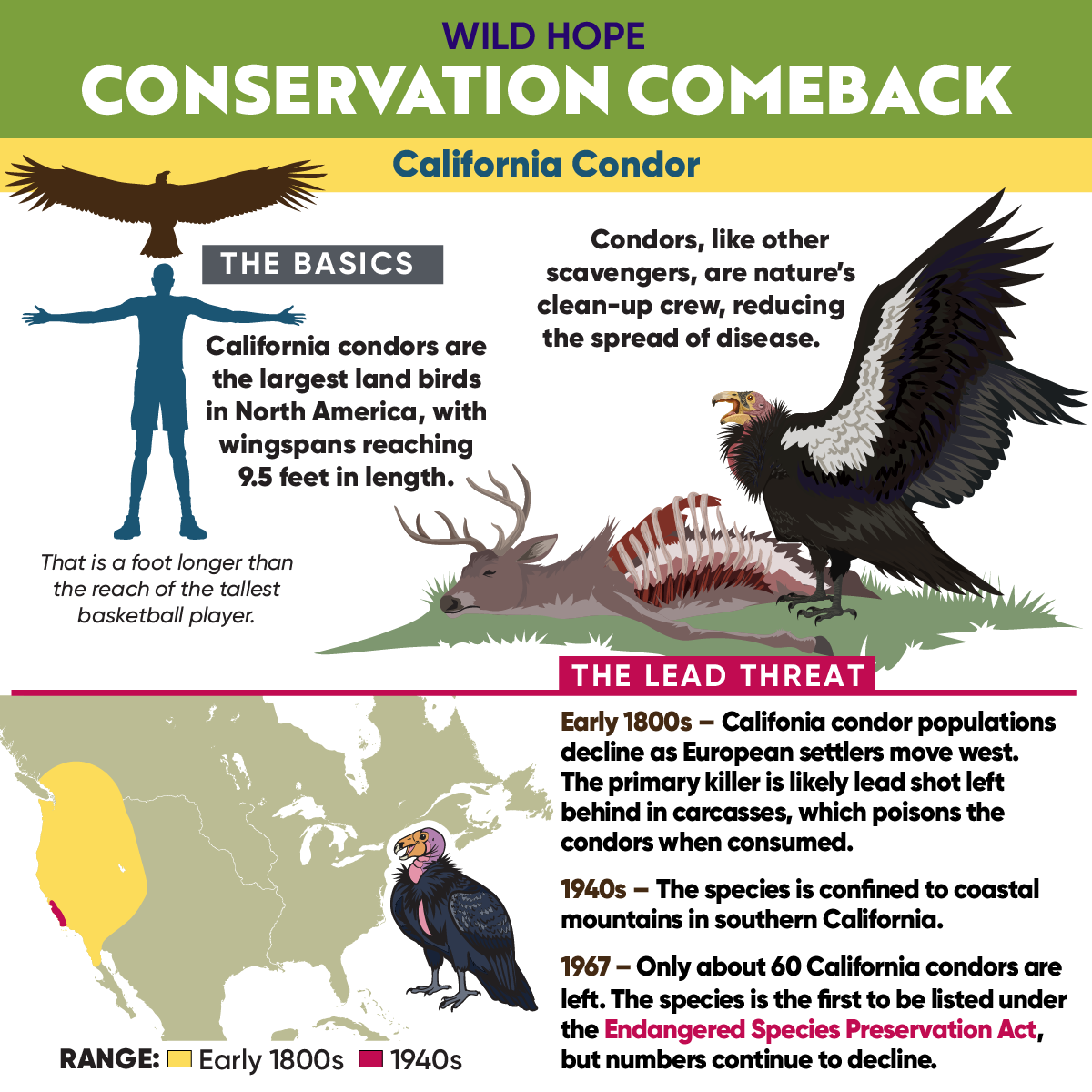
The sheer majesty of the California Condor soaring on a thermal, with its impressive wingspan stretching up to ten feet, is a sight that captivates the imagination and whispers tales of ancient skies. Once teetering on the precipice of extinction, this iconic scavenger has become a symbol of hope and perseverance in the world of conservation. For those passionate about wildlife, nature, and the incredible landscapes of North America, tracking the recovery of these magnificent birds offers a compelling reason to explore some of the continent’s most breathtaking natural landmarks. But exactly how many of these incredible creatures grace our skies today? The answer is a testament to decades of tireless effort, strategic conservation, and the enduring spirit of collaboration, creating unique travel and tourism opportunities for visitors worldwide.
A Majestic Icon’s Journey from the Brink of Extinction
The story of the California Condor is one of the most dramatic conservation sagas in history. Its journey from near obliteration to a steadily growing population is a powerful narrative that underscores the importance of human intervention and dedication. This history also highlights the crucial role that protected areas and wildlife refuges play, many of which have become significant destinations for eco-tourists and nature enthusiasts.
The Dire Straits of the 20th Century
By the late 1970s and early 1980s, the plight of the California Condor had reached a critical point. Decades of habitat loss, lead poisoning from ammunition, and human persecution had decimated their numbers. The species, which once ranged across much of North America, was reduced to a mere handful of individuals. In 1982, only 22 California Condors remained in the wild, an alarming statistic that spurred immediate and drastic action. This period marked a crucial pivot for conservationists, leading to the controversial decision to capture all remaining wild condors to initiate a comprehensive captive breeding program. The idea of removing every last individual from its natural habitat was fraught with risk, but it was deemed the only viable path to save the species.
Conservation efforts were spearheaded by a coalition of dedicated organizations and government agencies. Facilities like the Los Angeles Zoo and the San Diego Zoo Safari Park became the unlikely sanctuaries for the species’ last hopes. These institutions, often celebrated for their role in urban family travel and local tourism, transformed into high-stakes breeding grounds. Their state-of-the-art veterinary care, specialized diets, and meticulously controlled environments were vital in ensuring the survival and successful reproduction of the condors. The breeding program was a monumental undertaking, requiring extensive research into condor biology, behavior, and reproductive cycles. It was an ambitious project, demonstrating that even the most dire situations can be overcome with scientific expertise, unwavering commitment, and significant investment. The success of these initial efforts laid the groundwork for the condor’s eventual return to the skies, inspiring future generations of conservation-minded travelers to visit and support such vital institutions.
The Triumphant Return: Conservation Success Stories
The decision to embark on a captive breeding program proved to be a resounding success. From those 22 birds, a new population slowly began to emerge. The first captive-bred condors were released back into the wild in 1992, marking a watershed moment in the species’ recovery. Since then, multiple reintroduction sites have been established across their historic range, strategically chosen for their suitable habitat and remoteness, minimizing human impact. Key areas in California, Arizona, and Utah have become new strongholds for the condors.
In California, areas such as Pinnacles National Park, the rugged coastal cliffs of Big Sur, Hopper Mountain National Wildlife Refuge in Ventura County, Bitter Creek National Wildlife Refuge, and the vast expanse of the Los Padres National Forest have seen condors reclaim their ancestral territories. In the Southwest, the majestic Grand Canyon National Park and the striking Vermilion Cliffs National Monument in Arizona, bordering Utah, are now home to thriving condor populations. These sites have not only provided safe havens for the birds but have also evolved into exceptional destinations for travelers seeking to witness these incredible conservation victories firsthand. The number of wild and captive California Condors has steadily climbed, with the total population now exceeding 500 individuals. While this number is still relatively small compared to other bird populations, it represents a remarkable achievement from a near-zero starting point. The journey continues, with ongoing efforts to mitigate threats like lead poisoning, habitat encroachment, and microtrash ingestion, ensuring a brighter future for this resilient species.
Discovering Condors: A Unique Wildlife Tourism Experience
Experiencing the California Condor in its natural habitat is an unparalleled travel experience, blending the thrill of wildlife viewing with the awe-inspiring beauty of some of North America’s most iconic landscapes. For those planning a memorable trip, integrating condor viewing into your itinerary offers a profound connection to nature and a deeper understanding of conservation efforts.
Where to Witness These Giants of the Sky
The primary reintroduction sites have become focal points for condor tourism, offering the best chances to spot these magnificent birds. In California, the Big Sur coast, particularly around the rugged stretches of California State Route 1 (often referred to as the Pacific Coast Highway), provides dramatic backdrops for condor sightings. Organizations like the Ventana Wildlife Society operate a Condor Sanctuary and sometimes offer guided viewing opportunities, providing invaluable insights into their work. Pinnacles National Park, located in California’s Central Coast, is another excellent spot, where condors can often be seen soaring above the park’s dramatic rock formations. While not directly a condor viewing spot, a trip to Yosemite National Park or Sequoia National Park can often be combined with detours to California’s Central Coast or other parts of the San Joaquin Valley where condors might occasionally venture.
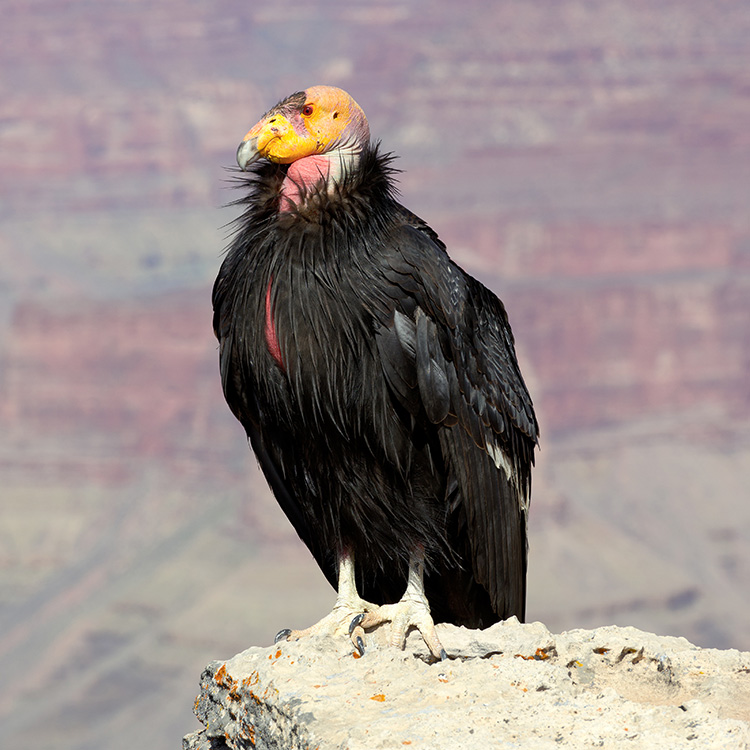
Further east, in the vast expanses of the Southwest, the Grand Canyon National Park is arguably one of the most iconic places to see condors. They are frequently spotted riding thermals along the South Rim and North Rim, particularly near popular viewpoints like Mather Point or Grand Canyon Village. The Vermilion Cliffs National Monument in Arizona is another critical reintroduction site, and while access can be more challenging, dedicated viewing areas like the Condor Viewing Overlook near Marble Canyon offer a high probability of sightings. Nearby Kaibab National Forest and even Zion National Park in Utah have also reported condor sightings, expanding the opportunities for adventurous travelers. The best times for viewing are typically late mornings and afternoons when the birds are most active, riding the thermal currents.
Planning Your Condor-Centric Itinerary
To maximize your chances of a condor sighting, careful planning is essential. Consider joining guided tours offered by local naturalists or conservation groups, as their expertise can significantly enhance your experience. These tours often provide insights into condor behavior, ecology, and the ongoing conservation challenges. If planning an independent trip, research the specific viewing locations and current condor activity reports before you go. Websites of national parks and wildlife refuges often provide up-to-date information.
Essential gear for condor viewing includes good binoculars or a spotting scope, a field guide, and a camera with a telephoto lens to capture these magnificent birds from a respectful distance. Remember that condors are sensitive to human disturbance, so maintaining a safe distance is paramount. Respect all signage and guidelines in protected areas. Incorporate flexibility into your itinerary; wildlife sightings are never guaranteed. Beyond condors, these regions offer a wealth of other attractions. In California, enjoy the scenic beauty of Big Sur, explore the charming towns of Carmel-by-the-Sea and Monterey, or delve into the history of the missions. In Arizona, combine your condor quest with visits to Sedona’s red rock country or a boating trip on Lake Powell near Page. A truly memorable condor-centric itinerary is not just about the birds; it’s about embracing the entire natural and cultural tapestry of these remarkable regions.
Accommodating Your Adventure: Stays Near Condor Habitats
A successful condor viewing trip demands not only an adventurous spirit but also comfortable and strategically located accommodation. Integrating your stay with the natural surroundings can elevate your entire travel experience, offering everything from luxury retreats to budget-friendly eco-lodges.
Resorts and Retreats for Nature Lovers
The regions surrounding condor habitats offer a diverse range of accommodation options, catering to various travel styles and budgets. For those seeking a luxurious escape, Big Sur is home to world-renowned resorts like the Post Ranch Inn, where guests can indulge in unparalleled amenities while surrounded by breathtaking coastal vistas, often with condors soaring overhead. Another unique option is Treebones Resort, offering “glamping” in yurts with stunning Pacific Ocean views, blending comfort with a strong connection to nature. For more rustic charm, the Big Sur Lodge provides a cozy base within the Pfeiffer Big Sur State Park, perfect for hikers and nature enthusiasts. Further north, the charming towns of Carmel-by-the-Sea and Monterey offer a wider selection of boutique hotels, bed and breakfasts, and larger resorts like the Monterey Plaza Hotel & Spa, providing excellent dining and entertainment options after a day of condor spotting.
In Arizona, near the Grand Canyon and Vermilion Cliffs areas, hotels range from rustic lodges within Grand Canyon Village to more modern hotels in gateway towns like Page or Flagstaff. For a truly immersive experience, consider an eco-lodge that emphasizes sustainability and nature immersion. Imagine staying at a hypothetical Condor Ridge Lodge, designed with minimal environmental impact, offering guided nature walks and panoramic views ideal for wildlife observation. Or perhaps the Canyonland Suites near the Arizona Strip offers specialized packages for condor watchers, complete with packed lunches for early morning expeditions. These types of accommodations are increasingly popular for those seeking a “lifestyle” travel experience that aligns with their values of conservation and responsible tourism. Even smaller, family-run hotels or apartments found through booking platforms can offer a more budget-friendly approach, allowing travelers to allocate more resources to guided tours or other local activities.
Sustainable Tourism and Local Culture
Choosing accommodation that embraces sustainable practices and supports local communities is an integral part of responsible condor tourism. Many hotels and resorts in these sensitive areas are adopting eco-friendly initiatives, from water conservation and waste reduction to sourcing local food and employing local staff. By opting for these establishments, travelers contribute directly to the economic well-being of the regions and help fund continued conservation efforts. When you stay at a place like The Condor Sanctuary Eco-Resort, you’re not just booking a room; you’re investing in the future of the environment and the local culture.
Beyond your lodging, immerse yourself in the local culture. Explore farmers’ markets in Carmel, sample authentic regional cuisine in Monterey, or visit art galleries in Sedona. Engaging with the local population, whether through community events or simply dining at local restaurants, enriches your travel experience and provides tangible support to the areas that host these incredible birds. Many local businesses, from small cafes to tour operators, are directly impacted by tourism dollars and often contribute to conservation initiatives themselves. Before booking, check reviews for hotels that highlight their commitment to sustainability and community engagement. Long-term stay options might even be available for those who wish to volunteer with local conservation groups, offering a deeply immersive and meaningful travel experience that goes beyond typical sightseeing. Remember, your choices as a tourist have a ripple effect, shaping the future of both the condors and the communities that live alongside them.
The Future of the Condor: A Legacy of Conservation and Responsible Travel
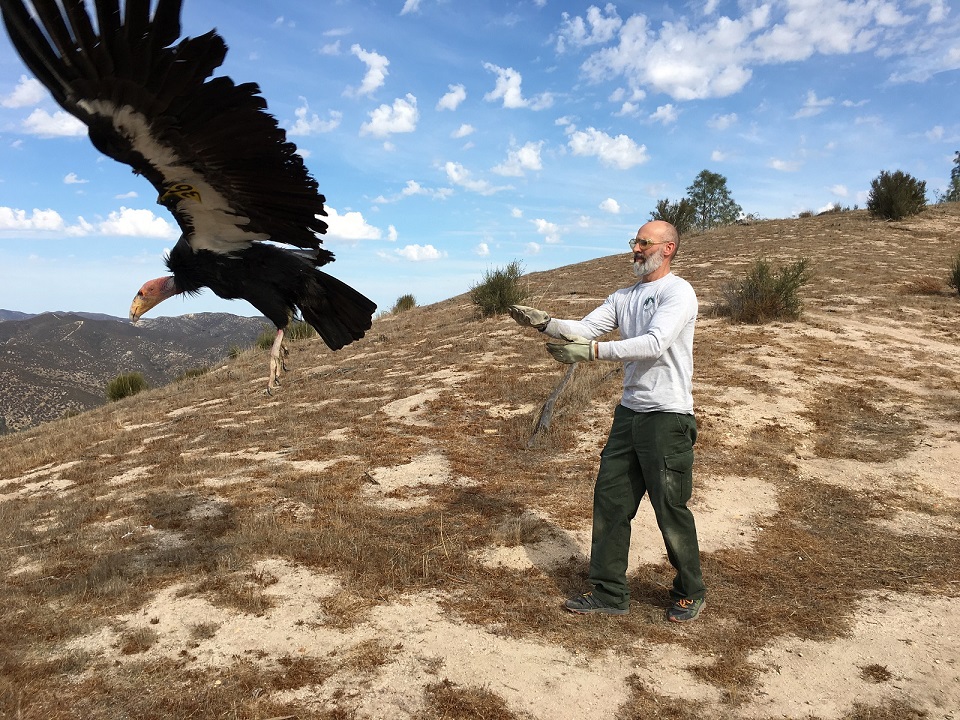
The journey of the California Condor is far from over, but the current population numbers—over 500 individuals, with more than half flying free in the wild—offer immense hope. These figures are a direct result of comprehensive captive breeding programs at institutions like the Los Angeles Zoo and the San Diego Zoo Safari Park, and successful reintroduction initiatives across California, Arizona, and Utah, and even a small number in Baja California, Mexico. While the species remains critically endangered, its upward trajectory is a beacon of what can be achieved with dedicated effort.
The ongoing challenges for condors include the persistent threat of lead poisoning, often from spent ammunition in game carcasses, and the ingestion of microtrash, which can be fatal to chicks. Public awareness and policy changes, such as the gradual phasing out of lead ammunition in areas of condor habitat, are crucial for their long-term survival. As travelers, our role extends beyond mere observation; it encompasses responsible tourism and advocacy. By choosing to visit condor viewing sites, supporting organizations like the Ventana Wildlife Society, staying in eco-conscious hotels, and adhering to ethical wildlife viewing guidelines, we become active participants in their conservation.
The sight of a California Condor against the backdrop of the Grand Canyon or the rugged Big Sur coast is more than just a wildlife sighting; it is an encounter with a living legend, a testament to resilience, and a powerful reminder of our planet’s delicate balance. It’s a luxury travel experience for the soul, a budget-friendly adventure for the eco-conscious, and an unforgettable family trip all rolled into one. The future of the California Condor hinges on continued conservation efforts and the sustained interest and support of people who care. So, as you plan your next unforgettable journey, consider placing the magnificent California Condor at the heart of your travel aspirations. You’ll not only witness an incredible comeback story but also contribute to ensuring that these majestic giants continue to soar for generations to come.
LifeOutOfTheBox is a participant in the Amazon Services LLC Associates Program, an affiliate advertising program designed to provide a means for sites to earn advertising fees by advertising and linking to Amazon.com. Amazon, the Amazon logo, AmazonSupply, and the AmazonSupply logo are trademarks of Amazon.com, Inc. or its affiliates. As an Amazon Associate we earn affiliate commissions from qualifying purchases.