
California, often referred to as the Golden State, is a land of boundless opportunities, diverse landscapes, and a vibrant cultural tapestry. It’s a place where majestic mountains meet pristine beaches, where bustling metropolises contrast with serene national parks, and where innovation thrives alongside rich history. At the heart of this dynamic state lies its colossal population, a defining characteristic that not only shapes its identity but also profoundly influences its travel, tourism, and lifestyle sectors. Understanding “how many citizens in California” isn’t merely a statistical exercise; it’s an exploration into the very engine that drives one of the world’s most popular destinations and most complex societies.
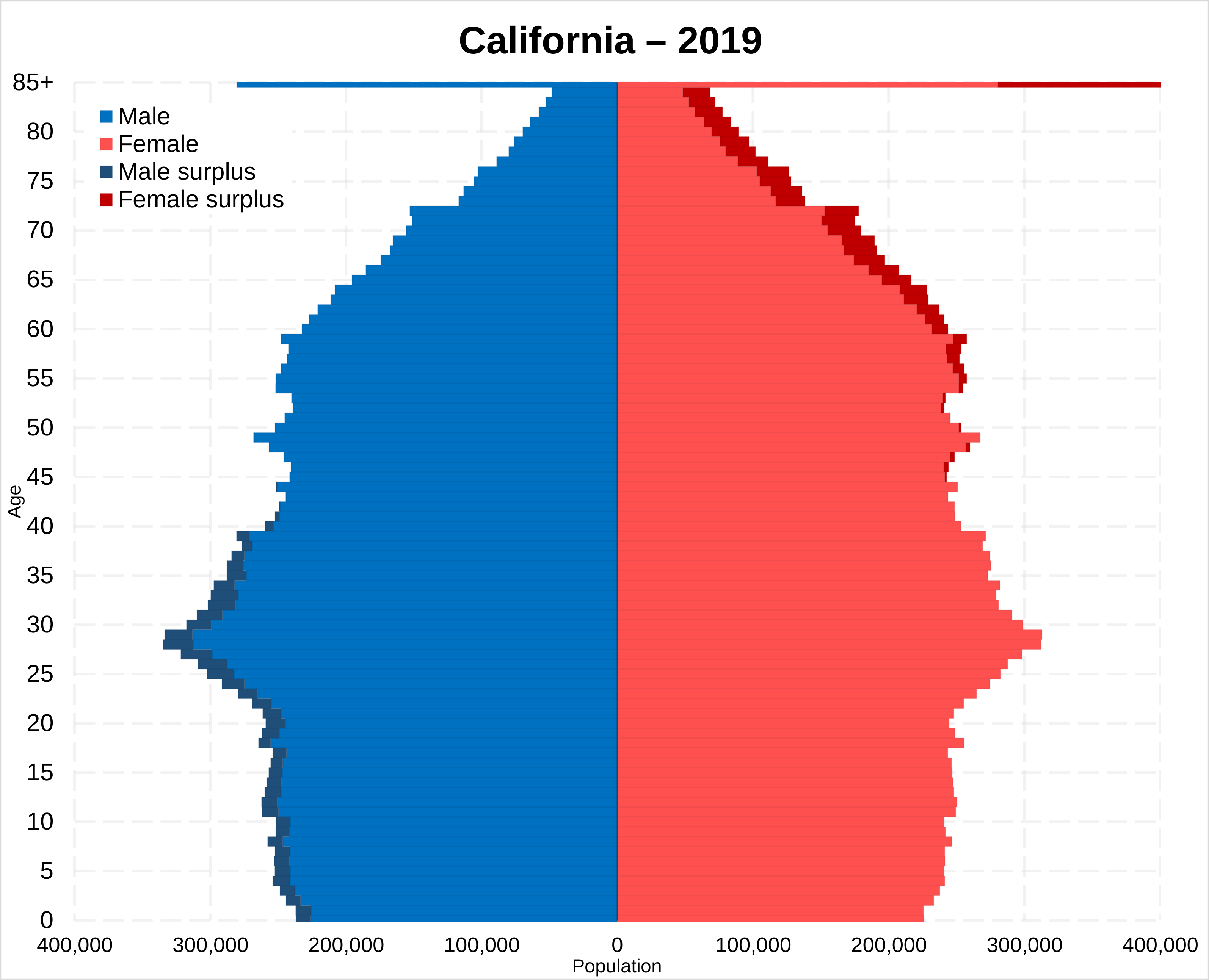
This article delves into the latest population figures for California and, more importantly, explores the profound implications of these numbers on everything from the type of hotels and accommodation available, to the richness of local tourism experiences, the development of iconic landmarks, and the diverse lifestyles enjoyed by residents and visitors alike. From its role as a global economic powerhouse to its status as a leading travel destination, California’s population is inextricably linked to its allure and operational fabric.
California’s Diverse Demographic Tapestry: A Foundation for Travel and Culture
California stands as the most populous state in the United States, a title it has held for decades. This sheer volume of people, coupled with their incredible diversity, forms the bedrock upon which the state’s unique character is built. This demographic richness directly translates into an unparalleled array of cultural experiences, culinary adventures, and a constantly evolving travel landscape that caters to every conceivable taste and preference.
A Snapshot of Population Figures
While exact numbers fluctuate daily, recent estimates place California’s population at approximately 39 million residents. This figure alone is staggering, surpassing that of many nations worldwide. This vast populace isn’t static; it comprises individuals from virtually every corner of the globe, bringing with them a mosaic of languages, traditions, and perspectives. Major metropolitan areas like Los Angeles, San Francisco, and San Diego are at the forefront of this population density, acting as vibrant hubs that attract talent, investment, and, crucially for our discussion, countless tourists. Even cities like Sacramento, the state capital, and San Jose, the heart of Silicon Valley, contribute significantly to this large number, each with its unique pull.
The significant population isn’t just about raw numbers; it’s about density and distribution. This concentration in urban areas means a constant need for infrastructure, including robust transportation networks, a diverse housing market, and, critically, a flourishing hospitality sector. From sprawling resorts in Orange County to boutique apartments in San Francisco, the accommodation landscape is a direct response to this immense population, both residential and transient.
The Melting Pot Effect on Culture and Tourism
The demographic diversity of California’s population is arguably its greatest asset, especially when viewed through the lens of travel and tourism. This “melting pot” effect creates a dynamic environment where global cultures converge and blend, offering visitors an authentic taste of the world without ever leaving the state.
Consider the culinary scene: the sheer number of different ethnic groups means an explosion of authentic and innovative food experiences. From Michelin-starred fusion restaurants in Beverly Hills to humble, family-run eateries serving regional specialties in ethnic enclaves across Los Angeles or Oakland, the food journey through California is as diverse as its people. This isn’t just about dining; it extends to festivals, art exhibitions, music scenes, and local markets. The Chinese New Year celebrations in San Francisco’s Chinatown, the vibrant Cinco de Mayo festivities in Old Town San Diego, or the various film festivals in Palm Springs and beyond, all owe their richness and authenticity to the deep cultural roots of California’s diverse citizens.
For tourists, this translates into an endless list of unique experiences. Whether you’re seeking a serene Japanese garden, a lively Latin American street fair, or a traditional European-style bakery, California’s population ensures that these pockets of cultural richness are not just present but thriving. This diversity fuels the state’s allure as a top travel destination, providing an incentive for both domestic and international visitors to explore its multifaceted offerings.
The Influence of Population on California’s Travel and Tourism Landscape
The vast number of citizens in California fundamentally shapes its travel and tourism industry. From the sheer volume of visitors the state can accommodate to the types of attractions that flourish, population figures are a key driver. This influence is seen in the constant development of new tourism infrastructure, the evolution of existing destinations, and the sustained demand for diverse travel options.
Driving Demand for Accommodation and Experiences

A population of nearly 40 million naturally generates immense demand for everything from short-term leisure stays to long-term relocation accommodation. This demand is further amplified by the millions of tourists who visit California annually. The result is a highly competitive and innovative hospitality sector. From opulent luxury travel resorts along the Pacific Coast Highway in Big Sur to charming boutique hotels in Napa Valley and practical budget travel motels near major highways, the range of suites, villas, and standard hotel rooms is staggering.
Furthermore, the sheer size and diversity of the population directly impact the types of experiences and tours that are offered. There’s a constant innovation in local activities and guides because there’s a large resident base to cater to, not just out-of-state visitors. For example, a significant local population supports niche markets like surf camps in Malibu, wine tasting tours in Sonoma, or specialized history walks in Pasadena. This robust internal demand ensures a vibrant, varied, and resilient tourism ecosystem. It allows for specialized accommodation booking platforms to thrive, offering everything from quaint bed and breakfasts to sprawling vacation rentals catering to large family trips.
Shaping Iconic Destinations and Emerging Hotspots
California’s large population plays a critical role in the creation and sustained popularity of its iconic landmarks and tourist attractions. Whether it’s the constant stream of visitors to Disneyland in Anaheim, the perpetual fascination with Hollywood in Los Angeles, or the architectural marvel that is the Golden Gate Bridge in San Francisco, these sites thrive not only on external tourism but also on the continuous engagement of local residents. This internal market provides a stable base of support, ensuring that these landmarks remain relevant and well-maintained.
Beyond the well-trodden paths, California’s dynamic population also contributes to the emergence of new hotspots and the revitalization of older districts. As populations shift and new communities form, new cultural centers, culinary districts, and entertainment venues pop up, attracting both residents and curious tourists. Think of the art districts in Downtown Los Angeles or the burgeoning craft beer scene in North Park, San Diego. These are often organically grown phenomena, driven by the preferences and initiatives of the local population, eventually becoming significant draws for visitors looking for authentic local culture and innovative experiences. The population’s diverse interests also mean a broad spectrum of reviews and comparison sites for amenities and long-term stays, constantly refining visitor expectations.
Lifestyle and Leisure: California’s Resident-Driven Appeal
The nearly 40 million citizens of California don’t just exist within the state; they actively shape its diverse lifestyles, leisure activities, and overall appeal. The choices, preferences, and daily lives of Californians form the bedrock of the state’s identity, influencing everything from its famed outdoor nature pursuits to its sophisticated urban entertainment. This resident-driven vibrancy is a key component of what makes California an attractive destination for various types of travelers.
From Urban Adventures to Natural Escapes
California’s vast population distribution creates a dichotomy of lifestyles, each offering unique attractions. In dense urban centers, the lifestyle is fast-paced, innovative, and culture-rich. In cities like Los Angeles, residents fuel a relentless entertainment industry, driving demand for concerts, theatrical performances, and cutting-edge culinary trends. San Francisco, with its tech-driven populace, champions innovation, sustainability, and a bohemian spirit, evident in its vibrant arts scene and independent food culture. These urban jungles offer a constant stream of new experiences for visitors, from world-class museums like the Getty Center to historic architecture tours.
Conversely, millions of Californians also embrace a lifestyle centered around the state’s unparalleled natural beauty. This resident base ensures the continued popularity and preservation of majestic sites like Yosemite National Park, Redwood National Park, and Lake Tahoe. Locals are avid hikers, surfers, skiers, and campers, sustaining a robust outdoor recreation industry that visitors can readily tap into. The desire for natural escapes drives the development of eco-friendly lodges, adventure guides, and specialized tours in areas like Death Valley National Park or along the stunning Mendocino Coast. This dual emphasis on urban sophistication and natural splendor, driven by the diverse preferences of its citizens, makes California a uniquely multifaceted travel destination, offering truly something for everyone. Whether it’s the laid-back vibe of Santa Barbara or the bustling energy of Universal Studios Hollywood, these experiences are shaped by what Californians value.

The Economic Engine: How People Power the Golden State’s Tourism Future
The sheer volume of citizens in California, coupled with their economic activity, forms a powerful engine that drives the state’s tourism economy. This is not just about residents consuming local goods and services; it’s about their collective contribution to the state’s GDP, which in turn allows for investment in tourism infrastructure, marketing, and conservation efforts. A robust local economy, supported by a large and productive population, creates stability and prosperity that benefits the entire hospitality sector.
Moreover, a significant portion of California’s population consists of business travelers, who contribute substantially to the business stays segment of the accommodation market. From conferences in downtown San Francisco to tech summits in Silicon Valley, the internal movement of professionals creates constant demand for hotels, transportation, and dining, even before accounting for external visitors. This steady internal travel market provides a strong foundation for the state’s tourism industry, making it more resilient to external fluctuations.
Furthermore, the diverse skills and talents of California’s nearly 40 million citizens fuel innovation across industries, including technology, entertainment, and environmental science. This innovation often translates directly into new tourist attractions, cutting-edge resorts with smart amenities, and creative new forms of entertainment. For instance, advancements in augmented reality or sustainable tourism tips often originate from the fertile minds within California’s population centers. The state’s vibrant economy, powered by its people, continuously reinvents itself, offering fresh reasons for visitors to explore its depths, from the iconic Santa Monica Pier to the serene Monterey Bay Aquarium or a vibrant culinary tour through Laguna Beach. Even the secluded charm of Catalina Island benefits from the constant flow of residents seeking refuge.
In conclusion, the answer to “How many citizens in California?” goes far beyond a simple number. It unlocks an understanding of the state’s unparalleled cultural richness, its dynamic travel landscape, and the diverse lifestyles that define the Golden State. With approximately 39 million residents, California’s immense and diverse population is not just a demographic fact; it is the living, breathing heart of its tourism, hospitality, and overall appeal. It’s a population that inspires, innovates, and continuously invites the world to experience its unique blend of urban sophistication and natural grandeur, ensuring that California remains a premier destination for travelers of all stripes.
LifeOutOfTheBox is a participant in the Amazon Services LLC Associates Program, an affiliate advertising program designed to provide a means for sites to earn advertising fees by advertising and linking to Amazon.com. Amazon, the Amazon logo, AmazonSupply, and the AmazonSupply logo are trademarks of Amazon.com, Inc. or its affiliates. As an Amazon Associate we earn affiliate commissions from qualifying purchases.