
For many, the allure of the Golden State is undeniable. From the sun-drenched beaches of Southern California to the majestic redwoods of the north, and from the vibrant urban sprawl of Los Angeles to the iconic hills of San Francisco, California offers a diverse tapestry of experiences for travelers, residents, and entrepreneurs alike. The state is not just a premier destination for luxury travel and immersive tourism experiences; it’s also a magnet for those looking to launch or expand a business. Whether you dream of opening a charming boutique hotel in Napa Valley, a trendy café in Santa Monica, a vacation rental in Palm Springs, or a dynamic travel agency in San Diego, understanding the administrative landscape is crucial. A fundamental step in establishing any legitimate enterprise in the United States, and particularly in a complex and highly regulated state like California, involves securing the necessary business licenses and permits. But what exactly does that entail, and more importantly, how much does it cost?
This guide delves into the intricacies of obtaining a business license in California, aiming to provide clarity for aspiring entrepreneurs, digital nomads, and even those planning extended business stays or a relocation with a professional venture in mind. We’ll explore the multi-layered licensing structure, break down potential costs, and offer insights into navigating the process, ensuring your California lifestyle or tourism venture starts on the right legal footing.
Navigating California’s Diverse Business Landscape: A Primer for Entrepreneurs
California’s economic engine is fueled by its remarkable diversity, spanning from the tech innovation of Silicon Valley to the agricultural bounty of the San Joaquin Valley, and from the entertainment giants of Hollywood to the thriving tourism industries of its coastal cities. For those drawn to the prospect of owning a piece of this dream, whether it’s a small art gallery in Carmel-by-the-Sea or a new ecotourism operation near Yosemite National Park, understanding the administrative prerequisites is paramount. A business license isn’t merely a formality; it’s a legal authorization from a government agency permitting you to operate a specific type of business within its jurisdiction. Operating without one can lead to significant penalties, fines, and even forced closure, severely jeopardizing your investment and reputation within the community.
The necessity and cost of business licenses vary dramatically based on several factors: the type of business you intend to operate, your geographic location within California (city, county, and state levels all have different requirements), and sometimes even the size or revenue projection of your enterprise. A hotel chain, for instance, will face a different set of compliance requirements and associated costs than a freelance travel blogger or a small, independent tour guide. This complexity is precisely why detailed research and preparation are non-negotiable for anyone looking to build a successful lifestyle business or accommodation venture in the state.
The Multi-Layered Approach to California Business Licensing
California’s regulatory framework for businesses operates on multiple governmental tiers, meaning you might need licenses or registrations at the state, county, and city levels simultaneously. This layered approach ensures that businesses comply with a wide range of regulations, from public health and safety standards to local zoning ordinances.
At the state level, while there isn’t a single, overarching “California state business license” that applies to all businesses, several state-level registrations are commonly required. These include:
- Secretary of State (SOS) Registration: For corporations, LLCs, and limited partnerships, filing with the California Secretary of State is mandatory to legally establish your entity. This involves reserving your business name and submitting articles of incorporation or organization. The filing fees typically range from $70 for an LLC to $100 for a corporation.
- Employer Identification Number (EIN): Issued by the IRS, this is essentially a Social Security number for your business. It’s free to obtain and required if you plan to hire employees or operate as a corporation or partnership.
- Employment Development Department (EDD): If you hire employees, you’ll need to register with the California Employment Development Department (EDD) for state payroll taxes.
- California Department of Tax and Fee Administration (CDTFA): If your business sells physical goods (like a gift shop in a resort or a restaurant), you’ll need a Seller’s Permit from the California Department of Tax and Fee Administration (CDTFA) to collect sales tax. This permit is generally free to obtain, but you’ll be responsible for remitting collected sales tax.
- Professional and Occupational Licenses: Many industries in California require specific state-issued licenses. For example, hotels and restaurants will need health permits, while travel agencies may need specific registrations to operate. Real estate agents, tour operators, and even specific types of accommodation providers fall under various state boards or departments, each with its own licensing process and associated fees.
Beyond the state, county and city licenses form the primary “general business licenses” that most people think of. These are typically required by the local municipality where your business physically operates or is headquartered. These local licenses are essential for compliance with municipal regulations, zoning, and for contributing to local infrastructure and services.
Deconstructing the Costs: What to Expect for Your California Venture
The question “How much is a business license in California?” doesn’t have a single, straightforward answer due to the multi-tiered system and the numerous variables involved. However, we can break down the typical cost components and offer realistic ranges. Generally, you should anticipate initial fees for obtaining licenses and permits, as well as recurring annual or biennial renewal fees.
City-Specific Licenses and Permits: A Localized Overview
The most significant variation in business license costs will come from individual cities and, in some cases, counties. Each municipality sets its own fee structure, which can be influenced by factors such as:
- Business Type: Certain industries, like restaurants, hotels, bars, or those involving health and safety concerns, often incur higher fees due to stricter oversight and additional permit requirements (e.g., health permits, liquor licenses).
- Gross Receipts/Revenue: Many cities base their annual business license fees on a percentage of the business’s estimated or actual gross receipts. This means a rapidly growing tourism business or a bustling resort will pay more than a small, home-based consulting service.
- Number of Employees: Some cities factor in the number of employees, with higher fees for larger workforces.
- Location: Prime locations, such as those in popular tourist destinations like Beverly Hills or Laguna Beach, might have higher base fees reflecting the local economic environment and demand.
Let’s look at some examples of well-known California cities:
- Los Angeles: The City of Los Angeles requires a Business Tax Registration Certificate (BTRC). Initial registration fees can range from minimal for home-based businesses (e.g., under $100) to several hundreds of dollars, with annual renewal fees often tied to gross receipts. A small accommodation provider with modest revenue might pay a few hundred dollars annually, while a large hotel or entertainment venue could face thousands.
- San Francisco: San Francisco also charges an annual Business Registration Fee based on payroll expense for some, or gross receipts for others, along with an administrative fee. For very small businesses, it might be under $100, but for those in the high-revenue hospitality sector or tech industries, it can quickly escalate into thousands.
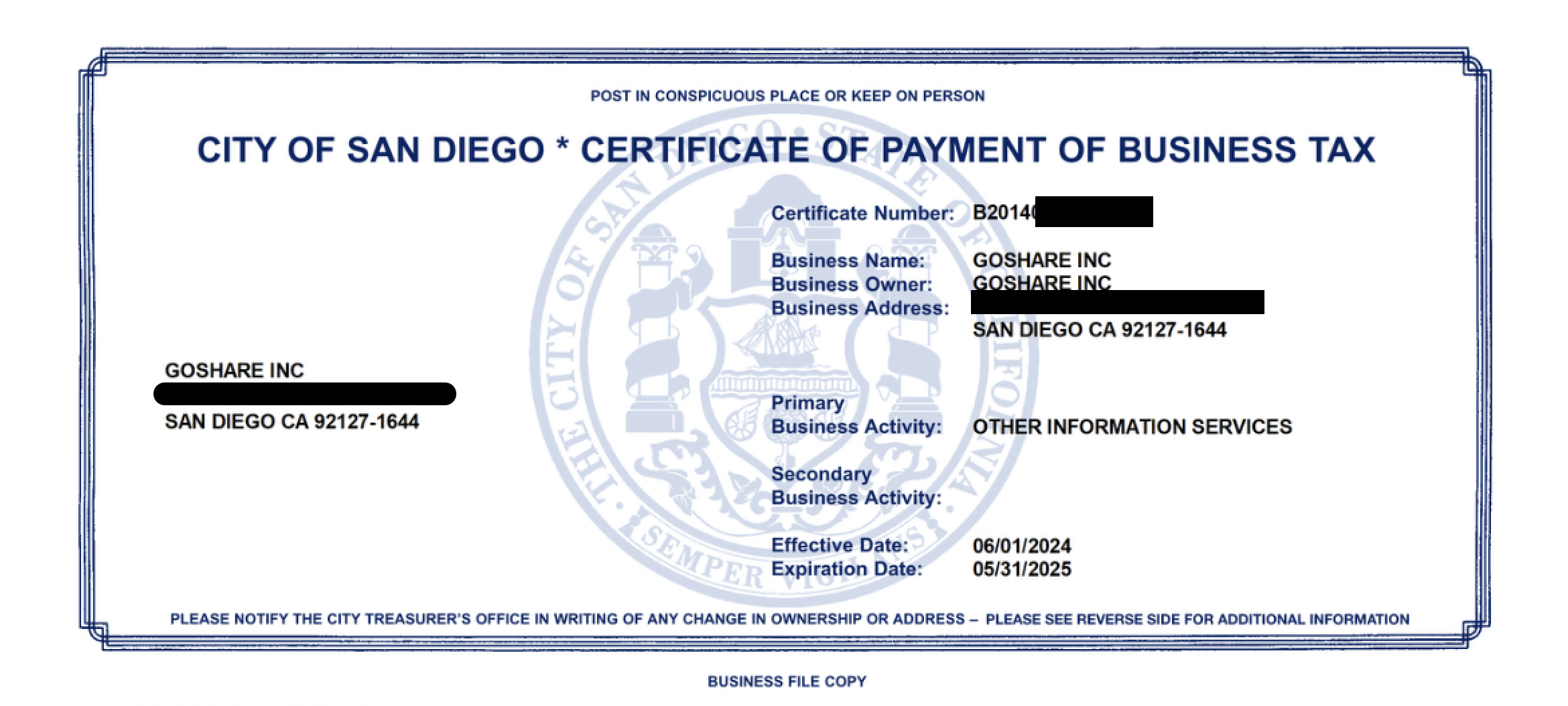
- San Diego: The City of San Diego mandates a Business Tax Certificate. Fees typically start at around $34 for initial application and $34 for annual renewal for businesses with fewer than three employees. For larger businesses or those in specific industries, additional fees or permits will apply.
- Sacramento: As the State Capitol, Sacramento has its own fee structure. The general business operating tax varies by industry and gross receipts, often starting in the low hundreds of dollars annually for smaller operations.
It’s crucial for any aspiring business owner or investor to visit the official website of their specific city or county clerk’s office, or their local Chamber of Commerce, to get the most accurate and up-to-date fee schedule for their particular business type and location.
State-Level Registrations and Industry-Specific Permits
Beyond the general business license from your city or county, several other state-level permits can add to your overall cost, particularly if you’re in the tourism or hospitality sectors:
- Health Permits: Essential for any business handling food or offering accommodation (e.g., hotels, restaurants, food trucks, catering services). These are typically issued by the county health department, with fees often ranging from a few hundred dollars to over a thousand annually, depending on the scope of operations and risk factors.
- Alcoholic Beverage Control (ABC) Licenses: If your hotel, restaurant, winery, or bar plans to sell alcoholic beverages, an ABC license is required. These licenses are notoriously expensive in California, especially for new establishments, often costing tens of thousands of dollars for initial acquisition (due to limited availability and transfer costs) in popular areas, plus annual renewal fees that can range from a few hundred to over a thousand dollars.
- Environmental Permits: Businesses that might impact the environment (e.g., certain manufacturing, waste disposal, or large-scale agricultural tourism) may need permits from agencies like the California Environmental Protection Agency (CalEPA).
- Fire Department Permits: For venues that host large gatherings, hotels, or restaurants, local fire departments often require permits and regular inspections to ensure compliance with safety codes. Fees are generally modest, in the range of tens to a few hundreds of dollars.
When calculating the potential costs, it’s wise to budget not just for the licenses themselves, but also for any associated professional fees (e.g., attorneys, consultants) if you opt for assistance in navigating the complex application processes. This comprehensive approach is particularly beneficial for those establishing significant accommodations or large-scale tourism operations.
Beyond the License: Essential Considerations for Business Tourism and Lifestyle Entrepreneurs
Securing the appropriate business licenses is a critical first step, but it’s part of a broader commitment to operational excellence and legal compliance. For those venturing into California’s dynamic economy, particularly in sectors that cater to travel and lifestyle, ongoing vigilance is key.
Compliance and Renewal: Staying Ahead in California’s Competitive Market
Once you’ve obtained your initial business licenses and permits, the journey doesn’t end. Most licenses require annual or biennial renewal, accompanied by associated fees. It is imperative to:
- Track Renewal Dates: Missing a renewal deadline can result in late fees, penalties, or even the temporary suspension of your business operations. Establishing a robust reminder system is crucial.
- Stay Updated on Regulations: California’s regulatory environment is dynamic. New laws or changes to existing ones, especially concerning labor, environmental protection, or specific industry standards (e.g., new rules for short-term rentals in a specific city), can impact your compliance requirements. Regular review of state and local government websites, or subscribing to industry newsletters, can help you stay informed.
- Maintain Records: Keep meticulous records of all your license applications, approvals, renewals, and payments. This documentation is invaluable for audits, inquiries, or any potential disputes.
- Ensure Continued Compliance: Beyond licenses, make sure your business continuously adheres to all relevant regulations, including zoning laws, building codes, health and safety standards, and employment laws. For hotels and resorts, this might mean regular inspections and adherence to specific guest safety protocols.
For businesses heavily reliant on reputation, such as those in hospitality or tourism, maintaining impeccable compliance not only avoids legal troubles but also builds trust with customers, stakeholders, and the local community, which is invaluable for long-term success. A well-run accommodation or tour experience thrives on its reliability and adherence to standards.
Resources and Support for Aspiring Golden State Business Owners
Navigating the labyrinth of California business licensing can seem daunting, but numerous resources are available to assist entrepreneurs:
- City and County Websites: The official websites of your local city clerk’s office or county registrar of businesses are the primary sources for specific license requirements and application forms. Many offer online portals and detailed travel guides for business registration.
- California Office of Small Business Advocate (CalOSBA): This state agency provides resources, guides, and assistance to small businesses across California, including information on permits and regulations.
- Small Business Administration (SBA): The U.S. Small Business Administration (SBA) offers a wealth of online resources, workshops, and local assistance through its district offices and partner organizations like SCORE (Service Corps of Retired Executives) and Small Business Development Centers (SBDCs). These can be incredibly helpful for both nascent and established businesses, providing guidance on everything from business planning to regulatory compliance.
- Chambers of Commerce: Local Chambers of Commerce are excellent hubs for networking, advocacy, and local business information. They can often direct you to specific city departments or resources.
- Professional Services: For complex situations, engaging a business attorney or a specialized permit service can be a wise investment. These professionals can ensure all requirements are met accurately and efficiently, saving you time and preventing costly errors. This is especially true for intricate ventures like building a new resort or a large-scale event venue.
Embracing these resources ensures that whether you’re planning a thrilling adventure tourism company, a serene wellness retreat, or a cutting-edge lifestyle brand, your California business has a solid and legally compliant foundation.
In conclusion, the question “How much is a business license in California?” demands a nuanced answer. While a precise figure is elusive without knowing your specific business type and location, expect to pay anywhere from a few hundred dollars to several thousand annually for various permits and licenses, with initial setup costs potentially higher, especially for industries like hospitality requiring specialized permits such as ABC licenses. The investment, however, is a fundamental component of operating legally and successfully in one of the world’s most dynamic and desirable economies. By diligently researching requirements, budgeting appropriately, and leveraging available resources, your California business can flourish, offering unparalleled experiences whether you’re catering to travelers seeking luxury accommodation or locals enjoying a new culinary hotspot. The proactive approach to understanding and securing your business licenses is a testament to the entrepreneurial spirit that thrives in the Golden State, turning dreams into tangible realities and enriching the broader travel and lifestyle ecosystem.
LifeOutOfTheBox is a participant in the Amazon Services LLC Associates Program, an affiliate advertising program designed to provide a means for sites to earn advertising fees by advertising and linking to Amazon.com. Amazon, the Amazon logo, AmazonSupply, and the AmazonSupply logo are trademarks of Amazon.com, Inc. or its affiliates. As an Amazon Associate we earn affiliate commissions from qualifying purchases.