
Navigating the entrepreneurial landscape in the Golden State, particularly within its vibrant travel, hospitality, and tourism sectors, often involves understanding a myriad of regulations. Among the most fundamental requirements for many businesses selling tangible personal property is obtaining a California Seller’s Permit. This crucial document, issued by the California Department of Tax and Fee Administration (CDTFA), isn’t just a piece of paper; it’s a gateway to legal operation, enabling you to collect sales tax from customers and remit it to the state. For anyone dreaming of opening a boutique souvenir shop in San Francisco, managing a vacation rental property in Lake Tahoe, or even running a food truck at a festival in Los Angeles, understanding this process is non-negotiable.
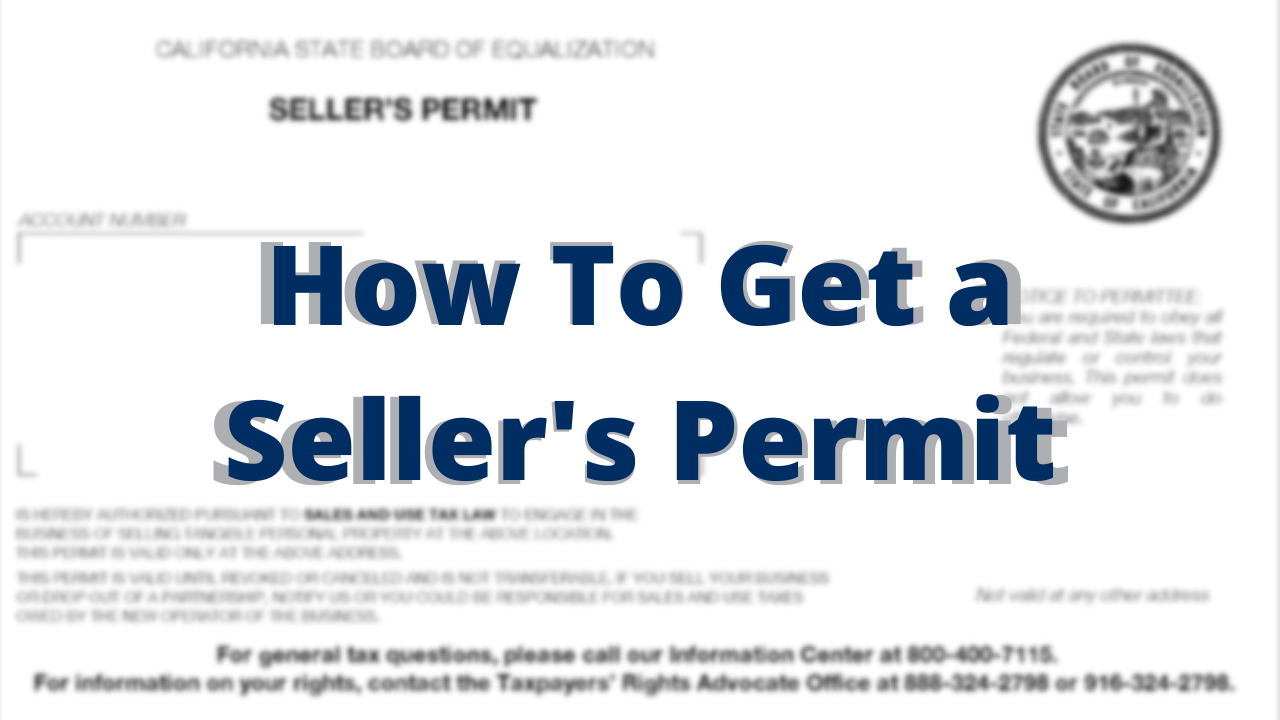
This comprehensive guide will demystify the process of acquiring a seller’s permit in [California], outlining who needs one, what information you’ll need to gather, the step-by-step application procedure, and critical post-application responsibilities. We’ll also delve into specific considerations for businesses operating within the travel, hospitality, and tourism industries, ensuring that your venture, whether it’s a luxury resort in Palm Springs or a local tour operator in San Diego, remains compliant and thrives.
Understanding the Seller’s Permit and Its Importance in California
Before diving into the application process, it’s essential to grasp what a seller’s permit entails and why it holds such significance for businesses across the state. Often referred to as a “resale certificate” or “sales tax permit,” this document is your authorization to engage in retail sales.
What is a California Seller’s Permit?
At its core, a [California] Seller’s Permit is a license that allows you to sell tangible personal property at retail or wholesale. It also empowers you to issue resale certificates to your suppliers, meaning you can purchase items intended for resale without paying sales tax at the time of purchase. This prevents double taxation, as the sales tax is ultimately collected from the end consumer.
The primary purpose of the permit is to facilitate the collection and remittance of sales and use tax. When you sell taxable goods or certain services in [California], you are legally obligated to collect sales tax from your customers. This money is not yours; it belongs to the state and must be remitted to the [CDTFA] according to a predetermined schedule. Failing to obtain a permit when required can lead to penalties, fines, and even criminal charges, making it a critical first step for any new business.
Who Needs a Seller’s Permit?
The general rule of thumb is that any individual or entity intending to sell tangible personal property in [California] must obtain a seller’s permit. This broad definition covers a vast array of businesses, particularly those common in the travel, tourism, and lifestyle sectors. Here are some examples:
- Retail Stores: From souvenir shops near Disneyland to clothing boutiques in Beverly Hills, any establishment selling physical goods directly to consumers.
- Wholesalers: If you sell tangible personal property to other businesses for resale.
- Manufacturers: Businesses that create tangible goods and sell them directly to consumers or other businesses.
- Service Providers with Tangible Sales: While most services are not taxable in [California], if your service includes the sale of tangible goods (e.g., a photographer selling prints, a salon selling hair products, a hotel gift shop, or a spa selling lotions), you’ll likely need a permit for those sales.
- Online Sellers: Even if you operate entirely online and ship products to [California] customers, if you have a physical presence (nexus) in the state, such as an office, warehouse, or employees, you generally need a permit.
- Temporary Sellers: This includes vendors at farmers’ markets, craft fairs, pop-up shops, or seasonal kiosks at tourist attractions like Universal Studios Hollywood. The permit covers both permanent and temporary sales activities.
- Rental Businesses for Tangible Goods: While rental of real property (like hotel rooms) has specific rules, if you rent out items like equipment, bicycles, or surfboards, you might need a permit for those transactions.
It’s crucial to consult the [CDTFA] website or a tax professional if you’re unsure whether your specific business activities necessitate a permit, especially given the nuances of sales tax laws related to services versus goods.
The Role of Sales and Use Tax in California
The seller’s permit is intrinsically linked to [California]’s sales and use tax system. Sales tax is a tax imposed on retailers for the privilege of selling tangible personal property at retail. Retailers are generally required to collect the tax from their customers and pay it to the state. The statewide sales tax rate is a base percentage, but local jurisdictions (cities and counties) can impose additional district taxes, leading to varying rates across [California]. For instance, the sales tax rate in downtown [Los Angeles] will differ slightly from that in Napa Valley.
Use tax, on the other hand, is a companion to sales tax. It applies to purchases of tangible personal property that would have been subject to sales tax if bought in [California], but weren’t, often because the purchase was made from an out-of-state seller without a [California] nexus. If you purchase items for your business from out-of-state and don’t pay sales tax at the time of purchase, you might be liable for use tax. Your seller’s permit helps the state track these transactions and ensure proper tax collection.
Step-by-Step Guide to Applying for Your California Seller’s Permit
The process of obtaining a [California] Seller’s Permit is straightforward, especially if you have all the necessary information at hand. The [CDTFA] has streamlined the application process, allowing for both online and in-person submissions.
Gathering Required Information
Before you even begin the application, having all your business details organized will make the process much smoother. Here’s a checklist of what you’ll likely need:
-
Business Information:
- Legal Business Name: The official name of your business as registered with the state or federal government.
- Business Entity Type: Sole proprietorship, partnership, corporation, LLC, etc.
- Federal Employer Identification Number (FEIN) or Social Security Number (SSN): Required for business identification. A FEIN is typically needed for corporations, partnerships, and LLCs, while a sole proprietor might use their SSN.
- Business Location(s): Physical address of your primary place of business in [California]. If you have multiple locations, you might need a permit for each or a consolidated account, depending on your structure.
- Mailing Address: Where you want official correspondence from the [CDTFA] to be sent.
- Contact Information: Phone number and email address.
-
Owner/Officer Information:
- Full names, addresses, and SSNs for all owners, partners, or corporate officers.
-
Business Activity Details:
- Description of Business Activity: What exactly will you be selling? Be specific. For example, “Retail sales of souvenirs and apparel,” “Operation of a hotel with taxable amenities,” or “Online sales of craft goods.”
- Estimated Monthly Sales: A projection of your gross sales and taxable sales. This helps the [CDTFA] determine your filing frequency (e.g., monthly, quarterly, annually).
- Date Business Started or Will Start: The date you began or plan to begin making taxable sales.
- Principal Product/Service: The main type of goods or services you will provide.
-
Financial Information (sometimes required):
- Depending on the nature of your business or past tax history, the [CDTFA] might require a security deposit. This is more common for new businesses or those deemed a higher risk and helps ensure tax compliance.
Choosing Your Application Method
The [CDTFA] offers convenient options for applying:
- Online Application (Recommended): The most efficient way to apply is through the [CDTFA] website. Their online system guides you through each step, and you can often receive your permit number immediately or within a few days. This is generally the quickest method.
- In-Person Application: You can visit one of the many [CDTFA] field offices located throughout [California], including major cities like Sacramento, Oakland, Riverside, and Fresno. Applying in person allows you to get immediate assistance from staff if you have questions or encounter issues. This might be beneficial for complex business structures or if you prefer direct interaction.
- Mail/Fax: While less common now due to the efficiency of online applications, you can also download the application form (CDTFA-400-SPA, Application for Seller’s Permit) from their website and mail or fax it in. This method will naturally take longer to process.
Completing the Application Form
Whether online or in-person, the application form requires precise information. Double-check all entries for accuracy, as errors can cause delays. Key sections to pay close attention to include:
- Business Type: Select the correct legal structure of your business.
- Primary Business Activity: Choose the code that best describes your main sales activity.
- Sales Information: Be as accurate as possible with estimated sales. It’s better to slightly overestimate than underestimate, as it affects your filing frequency.
- Ownership Details: Ensure all required owner/officer information is provided.
- Permit Type: Indicate whether you need a regular permit, a temporary permit (for short-term events), or a permit for a specific event.
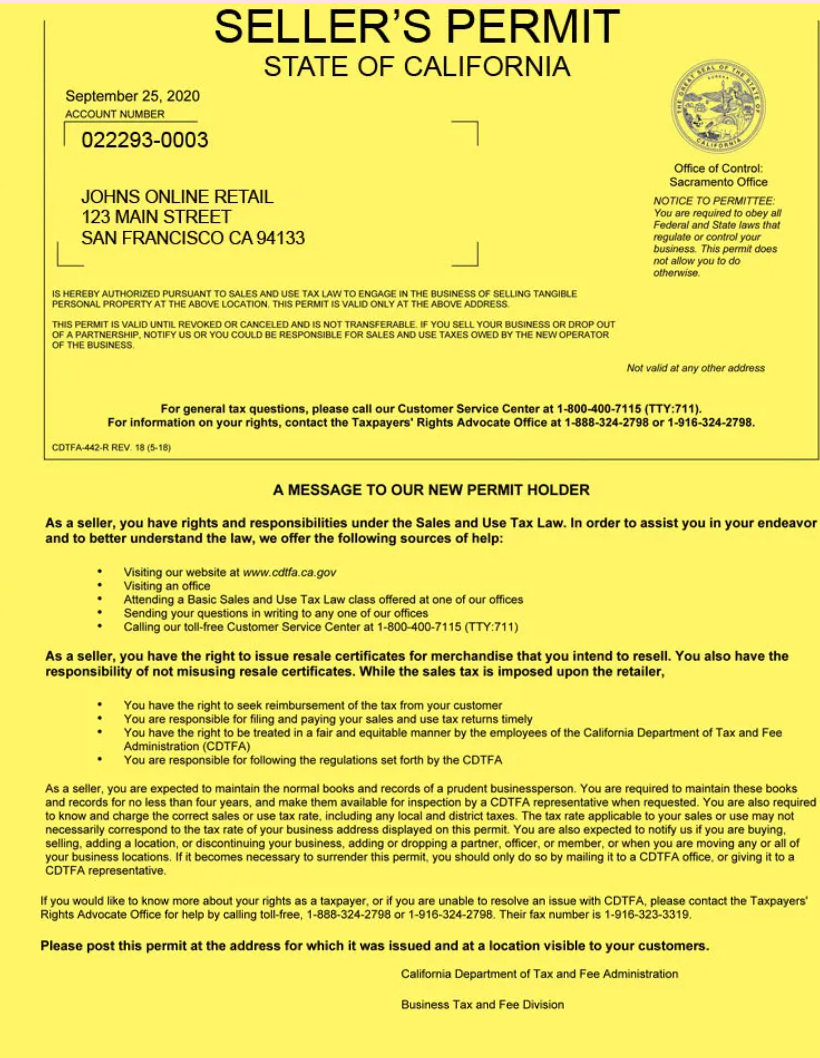
Upon successful application, the [CDTFA] will issue you a seller’s permit number, which is unique to your business. This number is vital for all your sales tax collection and remittance activities.
Post-Application: Responsibilities and Compliance for California Businesses
Obtaining your seller’s permit is just the beginning. Maintaining compliance with [California]’s sales tax laws is an ongoing responsibility that requires diligent record-keeping and timely remittance.
Sales Tax Filing Frequency and Deadlines
The [CDTFA] assigns a filing frequency (e.g., monthly, quarterly, annually) based on your estimated taxable sales volume. Generally, businesses with higher sales will have more frequent filing obligations.
- Monthly Filers: Typically, businesses with significant taxable sales.
- Quarterly Filers: The most common frequency for small to medium-sized businesses. Reporting periods end on March 31, June 30, September 30, and December 31.
- Annual Filers: Usually reserved for businesses with very low taxable sales.
Regardless of your frequency, deadlines are strict. Sales tax returns and payments are generally due on the last day of the month following the end of the reporting period. For example, for a quarterly filer, the return for the quarter ending March 31 is due by April 30. Missing deadlines can result in penalties and interest. The [CDTFA] provides an online portal for convenient filing and payment, which often includes reminders.
Record-Keeping Requirements
Accurate and organized records are paramount for sales tax compliance. The [CDTFA] requires businesses to maintain detailed records for at least four years to support all sales tax returns. These records include:
- Sales Invoices and Receipts: Documents showing all sales transactions, including taxable and non-taxable sales, sales tax collected, and customer information.
- Purchase Invoices: Records of all purchases, especially those for resale (supported by resale certificates issued to your suppliers).
- Resale Certificates: Copies of all resale certificates you issue to your suppliers (when buying items for resale) and copies of all resale certificates you accept from your customers (when selling to them for their resale).
- Tax Returns: Copies of all sales and use tax returns filed with the [CDTFA].
- Inventory Records: Documentation of your inventory, especially if you also make purchases for your own use.
Good record-keeping is not just about compliance; it’s also essential for effective business management and can save you considerable stress during a potential audit. For businesses in the hospitality sector, this might mean differentiating between charges for lodging (which is subject to transient occupancy tax, not state sales tax) and charges for tangible goods sold in a hotel gift shop or restaurant.
Understanding Exemptions and Resale Certificates
Not all sales are subject to sales tax, and understanding exemptions is key to accurate reporting.
- Sales for Resale: If you sell goods to another business that intends to resell them, and that business provides you with a valid [California] resale certificate, those sales are exempt from sales tax. Conversely, when you purchase items for resale, you should provide your suppliers with your seller’s permit number and a resale certificate.
- Certain Services: As mentioned, most services in [California] are not taxable. However, if a service results in the creation of a tangible item (e.g., custom-printed t-shirts), the tangible portion might be taxable.
- Food Products: Most basic food products sold for home consumption are exempt. However, prepared food and drinks sold for immediate consumption (e.g., at restaurants, cafes, or food trucks) are generally taxable.
It is your responsibility as the seller to ensure that any resale certificates accepted from customers are valid and complete. If a certificate is later found to be invalid, you could be held liable for the uncollected sales tax.
Special Considerations for Travel, Hospitality, and Tourism Businesses in California
[California]’s vibrant tourism industry, attracting visitors to iconic destinations from the Golden Gate Bridge to Yosemite National Park, presents unique sales tax scenarios for businesses operating within it.Accommodation Providers
For hotels, resorts, motels, and vacation rental owners (including those using platforms like Airbnb), understanding the distinction between state sales tax and transient occupancy tax (TOT) is critical.
- Transient Occupancy Tax (TOT): This is a local tax imposed by cities and counties on guests staying in hotels, motels, bed and breakfasts, and vacation rentals for fewer than 30 consecutive days. TOT rates vary significantly by jurisdiction (e.g., [San Francisco] has one rate, while [San Diego] has another). TOT is collected by the accommodation provider and remitted to the local city or county government, not the [CDTFA]. A seller’s permit is generally not required for collecting and remitting TOT on lodging itself.
- Sales Tax for Tangible Goods/Services: If your accommodation business sells tangible personal property (e.g., items in a gift shop, minibar snacks, toiletries, or prepared meals in a hotel restaurant), you will need a seller’s permit to collect and remit sales tax on these items to the [CDTFA]. Similarly, if you offer pay-per-view movies or other entertainment options that are considered tangible or digital goods, these might be subject to sales tax.
It’s crucial for hotels and resorts to clearly delineate charges on guest bills to avoid confusion and ensure correct tax application.
Tour Operators and Experience Providers
Tour operators in [California] typically sell a range of services, some of which might involve tangible goods.
- Pure Services: If you offer guided tours, historical walking tours, or adventure experiences (e.g., whitewater rafting) that only involve a service, these are generally not subject to [California] sales tax, and you would not need a seller’s permit specifically for these services.
- Packaged Tours with Tangible Components: If your tour package includes tangible items like souvenir t-shirts, guidebooks, pre-packaged meals, or other physical merchandise, you will need a seller’s permit to collect sales tax on the retail value of those tangible items. The challenge here is often allocating the total price between the non-taxable service and the taxable goods.
- Activity Providers: Businesses offering specific activities, such as surf lessons, wine tasting tours in [Napa Valley], or cooking classes, generally sell services. However, if they also sell related merchandise (e.g., surfboards, wine bottles, aprons), a seller’s permit will be required for those merchandise sales.
Careful structuring of tour packages and clear invoicing can help operators manage their sales tax obligations effectively.

Retail and Food Services in Tourist Destinations
For businesses located in popular tourist areas like the waterfront in Monterey Bay or the boardwalk in Santa Monica, the need for a seller’s permit is almost universal.
- Restaurants, Cafes, and Food Trucks: All sales of prepared food and beverages are taxable. A seller’s permit is mandatory for these establishments.
- Souvenir Shops and Boutiques: Selling any form of tangible merchandise, from postcards to apparel, requires a seller’s permit.
- Entertainment Venues: While admission tickets to entertainment venues like The Getty Center are typically not subject to sales tax, any merchandise, food, or drinks sold within the venue (e.g., gift shop items, concessions) will require a seller’s permit.
In summary, for many entrepreneurs drawn to the allure of [California]’s robust tourism and lifestyle economy, the seller’s permit is a foundational business requirement. From understanding its purpose and scope to diligently applying, filing, and record-keeping, adherence to these regulations is crucial for ensuring legal operation and contributing to the state’s economic health. By proactively addressing these requirements, your [California] business can navigate the tax landscape confidently, allowing you to focus on delivering exceptional experiences to your customers, whether they’re seeking adventure in [Yosemite National Park] or luxury in Hollywood.
LifeOutOfTheBox is a participant in the Amazon Services LLC Associates Program, an affiliate advertising program designed to provide a means for sites to earn advertising fees by advertising and linking to Amazon.com. Amazon, the Amazon logo, AmazonSupply, and the AmazonSupply logo are trademarks of Amazon.com, Inc. or its affiliates. As an Amazon Associate we earn affiliate commissions from qualifying purchases.