
The Golden State of California has long captivated imaginations worldwide. From its sun-drenched beaches and towering redwood forests to its vibrant cities and innovative tech hubs, California is a destination of unparalleled diversity and allure. Yet, beyond the iconic imagery of Hollywood glamour and Silicon Valley innovation, the state is also known for its progressive policies, among which its designation as a “sanctuary state” often sparks curiosity and discussion. For travelers, residents, and those considering a visit, understanding what this term truly means and how it shapes the unique culture and experiences of California is essential. This article delves into the nuances of California’s sanctuary status, exploring its historical context, practical implications, and the profound ways it contributes to the state’s rich tapestry of tourism, lifestyle, and local culture.
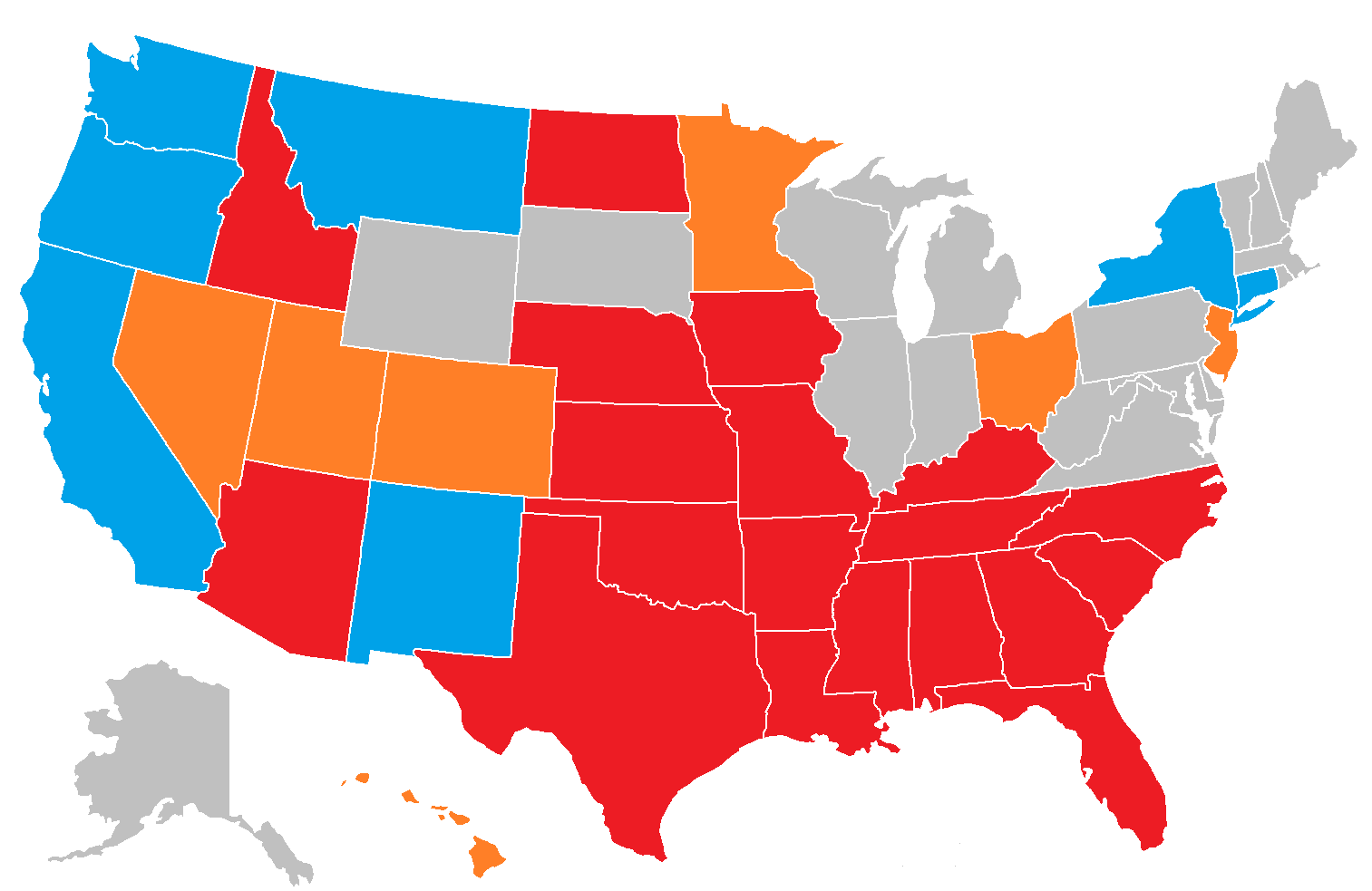
Understanding the Sanctuary Concept in California
The term “sanctuary state” can conjure various images, but in California, it refers to specific legal protections and policies designed to limit cooperation between local law enforcement agencies and federal immigration authorities. These policies are not about shielding criminals but rather about fostering trust within communities and ensuring that residents, regardless of immigration status, feel safe reporting crimes and accessing essential services without fear of deportation.
Historical Context and Legal Framework
California’s journey towards becoming a sanctuary state is rooted in a long history of immigration and a commitment to protecting the rights and dignity of all its inhabitants. The formal designation was largely solidified with the passage of Senate Bill 54, also known as the California Values Act, in 2017. This landmark legislation, signed into law by then-Governor Jerry Brown, significantly restricted state and local law enforcement’s ability to use resources for federal immigration enforcement.
Before SB 54, many cities and counties within California had already adopted their own “sanctuary” policies. These local ordinances, often driven by community advocacy and a desire to improve public safety, laid the groundwork for the statewide legislation. The core philosophy behind these policies is simple: when immigrant communities fear local law enforcement due to potential cooperation with federal immigration agencies, they are less likely to report crimes, serve as witnesses, or engage with public services. This breakdown of trust can undermine public safety for everyone. The California Values Act aimed to rectify this by creating a clear legal framework that prioritizes local public safety over federal immigration enforcement in most circumstances. It prohibits state and local law enforcement agencies from detaining individuals based solely on requests from Immigration and Customs Enforcement (ICE) without a judicial warrant.
What “Sanctuary” Means for Residents and Visitors
For the vast majority of visitors and legal residents, California’s sanctuary status has little direct impact on their travel or daily lives. The policies are specifically aimed at non-citizens, particularly those without legal documentation, and how local authorities interact with federal immigration efforts. It does not create a haven for criminal activity, nor does it affect general laws or public order. Instead, its primary effect is on the social and cultural fabric of the state, fostering an environment of inclusivity and support for diverse communities.
What travelers will notice, however, is the profound multiculturalism that defines California. The state’s welcoming stance towards immigrants has cultivated an incredibly rich and diverse population, which in turn enhances the tourism experience in countless ways. From the vibrant ethnic enclaves of Los Angeles and San Francisco to the culinary innovations inspired by global traditions, the sanctuary policies contribute to the very elements that make California such an engaging and dynamic place to explore. It reflects a broader ethos of valuing cultural heritage, human dignity, and the contributions of all individuals, irrespective of their origin.
California’s Diverse Tapestry: A Traveler’s Perspective
The concept of a “sanctuary state” is intrinsically linked to the diversity that defines California’s identity. This welcoming stance has created a truly multicultural environment, making California a fascinating destination for travelers seeking authentic cultural experiences, world-class cuisine, and a deep sense of community. The integration of various cultures into the mainstream has elevated the state’s offerings, transforming every trip into an adventure of discovery.
Cultural Enrichment and Culinary Delights
One of the most immediate and delightful impacts of California’s diverse population is its vibrant culinary scene. From the bustling Mission District in San Francisco with its renowned Mexican eateries to the historic Chinatown in San Francisco and Los Angeles, and the charming Little Italy districts found in San Diego and San Francisco, food becomes a journey in itself. Travelers can savor authentic dishes from nearly every corner of the world, often prepared with locally sourced ingredients that epitomize California’s farm-to-table philosophy. Whether it’s the aromatic spices of Thai food in Los Angeles’s Little Bangkok, the rich flavors of Ethiopian cuisine in Oakland, or the innovative fusion dishes that are a hallmark of California kitchens, the culinary landscape is a direct reflection of its welcoming demographic policies.
Beyond food, the state’s cultural enrichment is evident in its festivals, arts, and music. Every major city, from Sacramento to San Diego, hosts events that celebrate different heritages, offering visitors a chance to experience Filipino dance, Vietnamese street fairs, Celtic music festivals, and much more. Museums like the Getty Center in Los Angeles and the California Academy of Sciences in San Francisco showcase global art and scientific achievements, further cementing California’s role as a cultural melting pot. This vibrant cultural exchange not only enriches the lives of residents but also creates a more engaging and memorable experience for tourists, allowing them to delve deeper into the human stories that shape each destination.
Exploring Iconic Destinations and Hidden Gems

California’s iconic landmarks and natural wonders are world-renowned, but the diverse population enhances the experience of visiting them. Imagine a stroll across the Golden Gate Bridge in San Francisco, where you hear a multitude of languages spoken, reflecting the global appeal and resident base of the San Francisco Bay Area. Or a day at Disneyland Resort in Anaheim, where families from every background create shared memories.
The state’s sanctuary policies foster diverse communities that live, work, and recreate around these famous sites. This means that local businesses surrounding attractions like Yosemite National Park or the beaches of Santa Monica are often run by individuals from various ethnic backgrounds, offering a richer selection of services, foods, and crafts. When you visit a farmers’ market in the Central Valley or a charming boutique in Carmel-by-the-Sea, you’re engaging with a community shaped by generations of migration and integration.
Even lesser-known destinations, like the serene vineyards of Napa Valley and Sonoma Valley, benefit from this diversity, with a workforce and local culture that bring different perspectives to winemaking and hospitality. Whether you’re driving the scenic Pacific Coast Highway through Big Sur or exploring the arts scene in Palm Springs, the human element of California’s diversity adds depth and authenticity to every experience. It transforms a simple sightseeing trip into an immersive cultural exchange, reinforcing the idea that California is not just a place of stunning landscapes but also a vibrant mosaic of human experiences.
Practical Considerations for Travel and Accommodation
While the “sanctuary state” designation primarily pertains to legal and community policies, its underlying spirit of inclusivity subtly influences the entire travel ecosystem in California. For both leisure and business travelers, this translates into an environment that is generally welcoming, diverse, and well-equipped to cater to a global clientele.
Safety, Community, and Inclusivity
For any traveler, safety is a paramount concern. California’s sanctuary policies are designed to enhance public safety by building trust between law enforcement and all community members. When immigrant communities feel secure in reporting crimes or seeking assistance, it benefits everyone. This creates stronger, more cohesive communities, which generally translates to safer environments for residents and visitors alike. Travelers should feel as secure in California as in any other major state in the United States, and should always follow general travel safety advice for urban and natural areas.
The overarching theme of inclusivity is palpable throughout the state. From the bustling streets of San Jose, a hub of technological innovation, to the serene coastal towns like Santa Barbara and Mendocino, you’ll encounter a broad spectrum of people and cultures. Hotels, resorts, and various accommodation options across cities like Long Beach, Oakland, Fresno, and Irvine are accustomed to serving an international clientele, often employing multilingual staff and offering diverse amenities. Whether you’re booking a luxury suite in Beverly Hills, a budget-friendly apartment in Stockton, or a rustic cabin near Lake Tahoe, you’ll find a welcoming atmosphere. This emphasis on inclusivity extends to public spaces, cultural institutions, and local businesses, fostering an environment where all visitors feel respected and valued.
Navigating Your California Journey
Regardless of whether you’re embarking on a family trip to Universal Studios Hollywood, a business stay in Palo Alto, or an adventurous exploration of Redwood National Park, California’s robust tourism infrastructure is designed to cater to diverse needs.
- Accommodation: From world-class hotels in San Francisco and Los Angeles to boutique inns in Santa Cruz and vacation rentals in Palm Springs, options abound. Many establishments reflect the state’s diversity in their staffing and culinary offerings. Booking platforms provide ample reviews and comparison tools to help you find the perfect stay, whether for short visits or long-term accommodation.
- Travel Guides and Experiences: The wealth of local cultures translates into specialized travel guides and unique experiences. You can find guides focused on specific ethnic cuisines, cultural festivals, or historical neighborhoods. For example, exploring the street art in San Francisco’s Mission District offers a different experience than visiting the Hollywood Walk of Fame.
- Lifestyle Choices: California offers every type of lifestyle experience. Budget travelers can enjoy vibrant street food markets and free attractions like Venice Beach or a hike in Griffith Park. Luxury travelers can indulge in high-end resorts in Malibu or Laguna Beach, fine dining in Napa Valley, and exclusive experiences in Beverly Hills. Families will find countless attractions from Legoland California to SeaWorld San Diego, while business travelers benefit from the state’s global connectivity and innovative economy, particularly in hubs like San Francisco, San Jose, and Los Angeles.
- Transportation: Major airports like Los Angeles International Airport (LAX), San Francisco International Airport (SFO), and San Diego International Airport (SAN) serve as major international gateways. Public transportation in major cities is extensive, and driving the scenic routes like Highway 1 along the California Coast is an iconic experience, accessible to all.
The essence of California’s sanctuary status, while often debated, translates into a tangible benefit for tourism: a rich, welcoming, and endlessly fascinating environment born from a commitment to diversity and inclusion.

Beyond the Headlines: The True Spirit of California
The question “Is California a Sanctuary State?” is definitively answered with a “yes,” but its implications extend far beyond legal statutes. It’s a reflection of a core identity, a state that has historically embraced newcomers and celebrated the richness they bring. This commitment to inclusivity is woven into the very fabric of California’s appeal as a premier global travel destination.
When you explore the bustling markets of Los Angeles, hike through the majestic groves of Sequoia National Park, or sip wine in the tranquil settings of Sonoma, you are experiencing a state shaped by countless cultures and perspectives. The vibrant communities that define California – from the tech innovators of Silicon Valley to the artists of Laguna Beach and the agricultural workers of the San Joaquin Valley – all contribute to its unique character.
Ultimately, California’s sanctuary status is a policy choice that underscores its dedication to human rights and community well-being. For travelers, this translates into an enriched experience, where cultural immersion is readily available, local cuisines are globally inspired, and the spirit of welcome is palpable. It ensures that the “California Dreamin'” appeal of freedom, opportunity, and natural beauty remains accessible and vibrant for everyone who steps foot on its diverse lands. So, pack your bags, prepare your palate, and get ready to experience a state that truly lives up to its reputation as a global melting pot – a Golden State defined by its forward-thinking policies and boundless hospitality.
LifeOutOfTheBox is a participant in the Amazon Services LLC Associates Program, an affiliate advertising program designed to provide a means for sites to earn advertising fees by advertising and linking to Amazon.com. Amazon, the Amazon logo, AmazonSupply, and the AmazonSupply logo are trademarks of Amazon.com, Inc. or its affiliates. As an Amazon Associate we earn affiliate commissions from qualifying purchases.