
California evokes images of sun-drenched beaches, iconic Hollywood glamour, breathtaking national parks, and a vibrant culture that draws millions of travelers each year. From the bustling streets of Los Angeles and the historic charm of San Francisco to the serene vineyards of Napa Valley and the majestic redwoods, the Golden State offers an unparalleled array of experiences for every type of visitor. Whether you’re planning a luxury escape, a family adventure to Disneyland, a budget-friendly road trip along the Pacific Coast Highway, or an immersive cultural tour, understanding the local laws and customs is paramount for a smooth and enjoyable journey. One area that often raises questions for travelers, particularly those accustomed to different regulations in their home states or countries, pertains to firearm laws, specifically concealed carry.

The legal landscape surrounding firearms in California is among the strictest in the United States. For visitors, especially those who may hold concealed carry permits elsewhere, navigating these regulations is not just a matter of adherence but a crucial aspect of responsible travel planning. Our aim is to provide a comprehensive, traveler-centric overview of California’s concealed carry laws, ensuring that your focus remains on creating unforgettable memories while staying fully compliant with state and local ordinances. This guide is tailored for the discerning traveler, offering practical insights and actionable advice to help you prepare for your California adventure, from selecting accommodations to exploring famous landmarks and indulging in unique lifestyle experiences.
Navigating California’s Complex Gun Laws: What Travelers Need to Know
California’s approach to firearm regulation is fundamentally different from many other states. While the Second Amendment is enshrined federally, states retain significant authority to regulate firearms within their borders. California has historically enacted some of the nation’s most comprehensive and stringent gun control measures, a fact that deeply impacts both residents and visitors. Understanding this foundational difference is the first step for any traveler considering the implications of firearm ownership or possession during their trip. The state prioritizes public safety through strict controls, which means that what might be legal and common practice in one’s home state could lead to serious legal consequences in California. This section delves into the specifics of concealed carry, permits, and the essential legal distinctions that every traveler must be aware of before packing their bags.
The Foundation: Understanding California’s Approach to Firearms
At its core, California law generally prohibits the open carry of loaded or unloaded firearms in most public places. This includes handguns, rifles, and shotguns. While there are some very limited exceptions, for the average traveler, open carry should be considered broadly illegal. This broad prohibition sets the stage for understanding concealed carry laws, which are equally restrictive. The state’s philosophy is rooted in minimizing the visible presence of firearms in public spaces, influencing everything from urban environments like San Jose and Oakland to scenic natural wonders like Yosemite National Park and Death Valley National Park.
Furthermore, California has a comprehensive system for regulating firearm sales, transfers, and ownership, including requirements for background checks, waiting periods, and specific restrictions on certain types of firearms and ammunition. For instance, many firearms that are legal to own in other states, such as certain “assault weapons” or high-capacity magazines, are banned in California. While these specific regulations primarily impact residents, they underscore the general legal environment and the caution travelers should exercise. The key takeaway for visitors is that California’s gun laws are complex and designed to be highly restrictive, making it imperative to conduct thorough research well in advance of any travel plans. Ignoring these nuances can inadvertently lead to significant legal trouble, potentially disrupting an otherwise perfect vacation.
Concealed Carry Permits (CCW): A Traveler’s Perspective
The central question, “Is concealed carry legal in California?” has a qualified answer: yes, but only with a valid California Concealed Carry Weapon (CCW) permit. And herein lies the challenge for travelers. Obtaining a California CCW permit is notoriously difficult, particularly for non-residents. California is a “may-issue” state, meaning that local law enforcement agencies (sheriff’s departments in counties, police departments in cities) have significant discretion in deciding whether to issue a permit, even if an applicant meets all the basic requirements. Applicants must demonstrate “good cause,” “good moral character,” and complete a firearms training course.
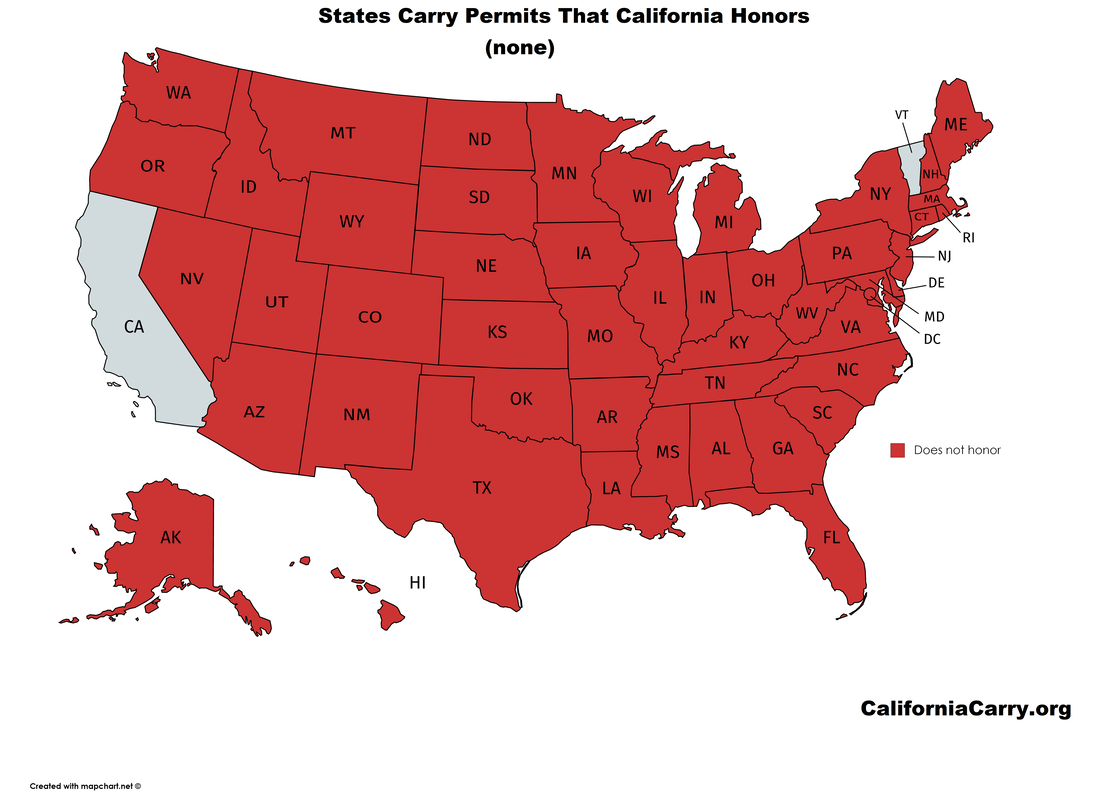
The “good cause” requirement has historically been a significant hurdle. While recent legal challenges have somewhat loosened this interpretation, it generally still requires more than just a general desire for self-defense. It often demands specific threats or unique circumstances that justify the need for a concealed firearm. For non-residents, the practical reality is that obtaining a California CCW permit is virtually impossible, as permits are generally issued only to residents of the specific county where the application is made. This means that if you hold a concealed carry permit from another state, it is almost certainly not recognized in California. California does not have reciprocity agreements with any other state regarding CCW permits. Therefore, for most travelers, the answer to the question of whether concealed carry is legal for them in California is a resounding no. Awareness of this fact is crucial for anyone planning a trip, whether you’re staying at a luxury resort in Beverly Hills or exploring the rugged trails of Big Sur.
Planning Your California Itinerary: Restricted Zones and Accommodation Considerations
When planning a trip to California, especially one that involves diverse destinations from bustling urban centers to serene natural parks, understanding where firearms are absolutely prohibited is as vital as knowing the general carry laws. Even for the rare individual who might possess a California CCW permit, there are numerous locations where carrying a firearm, openly or concealed, remains illegal. For travelers who might be transporting firearms legally (unloaded and locked in a container, separate from ammunition), knowing these restricted zones is crucial to avoid accidental violations that could derail your entire journey and lead to severe penalties. This section provides a practical guide to these no-go zones and offers advice on how to navigate accommodation choices with firearm considerations in mind, ensuring a seamless and worry-free travel experience across the Golden State.
Off-Limits: Where Firearms Are Strictly Prohibited, Even with a Permit
California law designates several categories of “gun-free zones” where carrying firearms is unequivocally prohibited for almost everyone, regardless of whether they possess a CCW permit. These areas are established to enhance public safety and are strictly enforced. Common restricted locations include:
- Schools and University Campuses: This includes K-12 schools, colleges, and universities. Many tourist attractions, especially in urban areas, may be located near or adjacent to school zones.
- Government Buildings and Courthouses: Access to any building primarily used for government functions, including municipal offices, state buildings, and courts, is generally restricted.
- Airports: While federal law allows for the transportation of unloaded, cased firearms in checked luggage, carrying a firearm in the sterile area of an airport (beyond security checkpoints) or even openly in common areas is strictly prohibited. For example, Los Angeles International Airport (LAX) and San Francisco International Airport have robust security protocols in place.
- Polling Places: During elections, firearm possession is prohibited at active polling sites.
- Public Gatherings and Events: Many large public events, concerts, festivals, and demonstrations often designate themselves as gun-free zones. This could include major attractions like Universal Studios Hollywood, Six Flags Magic Mountain, or events at venues in Anaheim or San Diego.
- Private Property: Even if a location isn’t statutorily a gun-free zone, private property owners (e.g., businesses, restaurants, entertainment venues) have the right to prohibit firearms on their premises. Always look for signage or inquire if unsure.
- National Parks and State Parks: While federal regulations generally allow firearms in National Parks if consistent with state law, California state parks and many recreational areas have their own specific rules regarding firearms, often prohibiting them or requiring them to be unloaded and stored. Always check the specific park regulations for places like Joshua Tree National Park or Sequoia National Park.
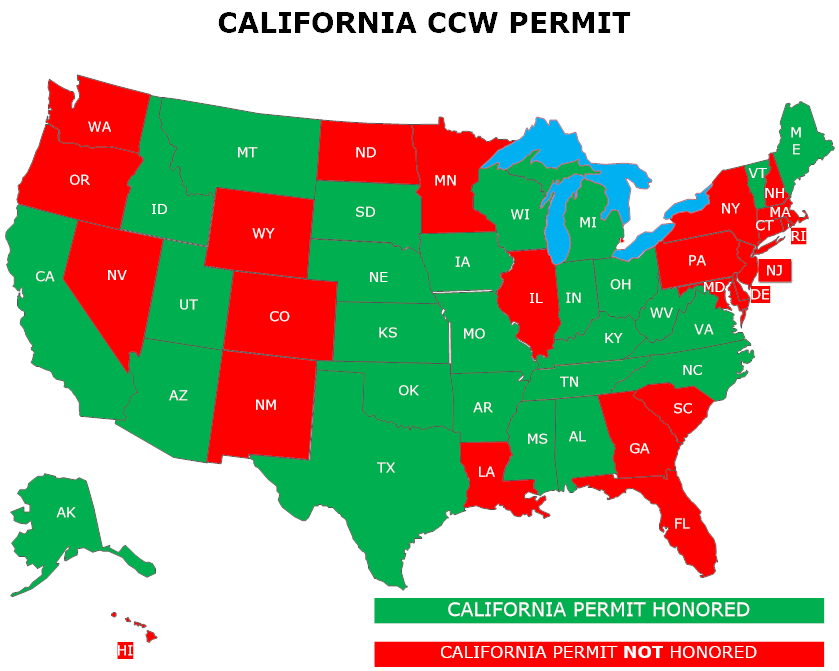
The diverse landscape of California means these restrictions can vary slightly by county or city ordinance, further complicating matters. For instance, a particular city like Oakland or Sacramento might have additional local regulations. Always verify the rules for your specific destination.
Hotels, Resorts, and Vacation Rentals: Policies and Practicalities
For travelers, accommodation is a cornerstone of any trip, and understanding the policies of your chosen lodging regarding firearms is crucial. While state law doesn’t explicitly prohibit firearms in hotels for those legally allowed to possess them, individual establishments maintain the right to set their own policies.
- Hotel and Resort Chains: Many major hotel chains, from budget hotels in Fresno to luxury resorts in Palm Springs, have corporate policies regarding firearms. Some may permit them to be stored in rooms (unloaded and secured), while others may require them to be checked with security or prohibit them entirely. It is always advisable to contact the specific hotel or resort directly before booking or arrival to understand their stance.
- Vacation Rentals (Airbnb, VRBO, etc.): Policies for vacation rentals can be even more varied, as they often depend on the individual property owner. Platforms like Airbnb have general guidelines, but specific hosts may have stricter rules. Clear communication with your host is essential to avoid any misunderstandings.
- Storage and Security: If you are legally transporting a firearm (unloaded and in a locked container), consider how you will secure it within your accommodation. Many hotels offer in-room safes, but these may not be suitable for firearms. Bringing your own secure lockbox is often the safest approach. The principle of keeping firearms unloaded and locked applies even within private lodging to prevent unauthorized access and comply with general safety practices.
Careful consideration of these factors will help you select accommodations that align with your travel needs and legal compliance, ensuring your focus remains on enjoying California’s incredible offerings, from exploring Monterey Bay Aquarium to relaxing in Santa Monica.
Ensuring a Smooth and Law-Abiding California Experience
Embarking on a journey through California promises a wealth of experiences, from the sun-kissed shores of La Jolla Cove to the towering trees of Sequoia National Park and the vibrant cultural scenes of Oakland. To ensure your trip is not only memorable but also free from legal complications related to firearms, a proactive and informed approach is key. For travelers, navigating the state’s stringent gun laws requires more than just a cursory glance at headlines; it demands dedicated research and careful planning. This section provides essential advice to help you prepare before your trip and maintain compliance during your stay, allowing you to fully immerse yourself in the diverse attractions and unique lifestyle opportunities California has to offer.
Before You Go: Essential Research and Preparation
The golden rule for travelers contemplating firearms in California is simple: do your homework. This means delving deeper than general assumptions and consulting authoritative sources.
- Consult Legal Resources: Reputable legal websites, state government portals (like the California Department of Justice), and licensed attorneys specializing in firearm law are invaluable resources. They can provide the most up-to-date and accurate information regarding specific statutes, recent court rulings, and local ordinances that might affect your travel plans.
- Contact Local Law Enforcement: If you plan to visit a specific city or county, reaching out to the local sheriff’s department or police department can offer clarity on local regulations, especially concerning transportation or specific restricted areas. For instance, if your itinerary includes Santa Barbara or Carmel-by-the-Sea, checking their local specificities is prudent.
- Understand Transportation Laws: While concealed carry for non-residents is effectively prohibited, understanding the laws for transporting firearms is critical. Federal law allows for the transportation of unloaded firearms in a locked container, inaccessible from the passenger compartment, and separate from ammunition, when traveling through states where you are not authorized to carry. However, California has its own specific requirements for intrastate transport, which are often stricter. Ensure your firearm is unloaded, in a locked, hard-sided container, and stored in the trunk or a similar inaccessible area. Ammunition should be stored separately.
- Review Venue-Specific Policies: Ahead of visiting major attractions such as Disneyland in Anaheim, Universal Studios Hollywood, Alcatraz Island, or Hearst Castle, check their official websites for explicit policies regarding firearms. Most major tourist destinations will have strict no-firearm policies.
During Your Stay: Mindful Exploration of California’s Diverse Attractions
Once you’re in California, maintaining legal compliance allows you to fully enjoy the state’s offerings. The goal is to avoid any situations that could lead to legal issues, thereby safeguarding your travel experience.
- Err on the Side of Caution: When in doubt, assume firearms are not permitted. This conservative approach is the safest way to navigate California’s strict environment. If you possess a firearm and are unsure about its legality in a specific location or situation, it is best to avoid carrying it.
- Focus on the Experience: California’s allure lies in its natural beauty, cultural richness, and diverse attractions. Whether you’re hiking in Griffith Observatory in Los Angeles, exploring the art at Getty Center, enjoying the cuisine in San Francisco, or tasting wines in Napa Valley, there are countless ways to create fulfilling memories without the added complexity of firearm considerations. Embrace the unique lifestyle offerings, from luxury shopping in Beverly Hills to adventure sports in Lake Tahoe.
- Respect Local Customs: Beyond legal statutes, understanding and respecting the local sentiment towards firearms is part of being a considerate visitor. Many communities in California have a strong preference for fewer visible firearms in public spaces. Your adherence to these norms contributes to a respectful and positive travel environment for everyone.
- Emergency Preparedness: While this guide focuses on legal compliance, it’s also wise to prepare for general travel emergencies. Know how to contact local emergency services (911) and have a plan for unexpected situations. This includes securing your belongings, knowing your route, and staying informed about local conditions, whether you’re at the Santa Monica Pier or exploring Old Town San Diego.
By prioritizing thorough preparation and mindful adherence to California’s unique firearm laws, travelers can ensure their visit is centered on enjoyment, exploration, and the countless unforgettable experiences that await them.
California Beyond the Regulations: Focusing on Experiences and Safety
The vibrant tapestry of California offers an unparalleled spectrum of travel experiences, each promising unique memories and adventures. From the iconic architectural marvel of the Golden Gate Bridge to the magical allure of Legoland California for families, the state’s attractions cater to every taste and lifestyle. While understanding the legalities surrounding concealed carry is a crucial aspect of responsible travel planning, especially in a state with strict firearm laws, it should ultimately serve to facilitate a worry-free immersion into California’s abundant charms, rather than overshadow them.
For the vast majority of travelers, the question of concealed carry in California will be answered by the simple reality that it is not legally permissible without a difficult-to-obtain state-specific permit. This understanding allows visitors to shift their focus entirely to the rich array of tourism, accommodation, landmark exploration, and lifestyle experiences that define the Golden State. Whether your interest lies in tasting world-class wines in Solvang, hiking through the majestic landscapes of Balboa Park in San Diego, or experiencing the vibrant nightlife of Universal CityWalk, California truly has something for everyone.
Prioritizing legal compliance and personal safety through awareness not only protects you from potential legal pitfalls but also enhances the overall quality of your trip. By being informed about California’s firearm laws, you empower yourself to make responsible decisions, allowing you to relax and fully engage with the local culture, cuisine, and breathtaking natural beauty. This proactive approach ensures that your journey through destinations like Monterey, Sausalito, Santa Cruz, or Malibu remains focused on the joy of discovery and the creation of lasting memories. California invites you to explore its diverse regions, indulge in its unique lifestyle, and experience its world-renowned attractions with confidence and peace of mind.
LifeOutOfTheBox is a participant in the Amazon Services LLC Associates Program, an affiliate advertising program designed to provide a means for sites to earn advertising fees by advertising and linking to Amazon.com. Amazon, the Amazon logo, AmazonSupply, and the AmazonSupply logo are trademarks of Amazon.com, Inc. or its affiliates. As an Amazon Associate we earn affiliate commissions from qualifying purchases.