
For countless travelers dreaming of an iconic American road trip, Highway 1, affectionately known as the Pacific Coast Highway (PCH), stands as a legendary route. This winding ribbon of asphalt hugs the dramatic coastline of California, offering unparalleled vistas of the Pacific Ocean, rugged cliffs, and charming seaside towns. However, the very forces of nature that sculpt its breathtaking beauty – seismic activity, relentless ocean waves, and seasonal rains – often challenge its integrity, leading to closures. The question, “Is Highway 1 in California open?”, is a frequent and crucial one for anyone planning to embark on this unforgettable journey.
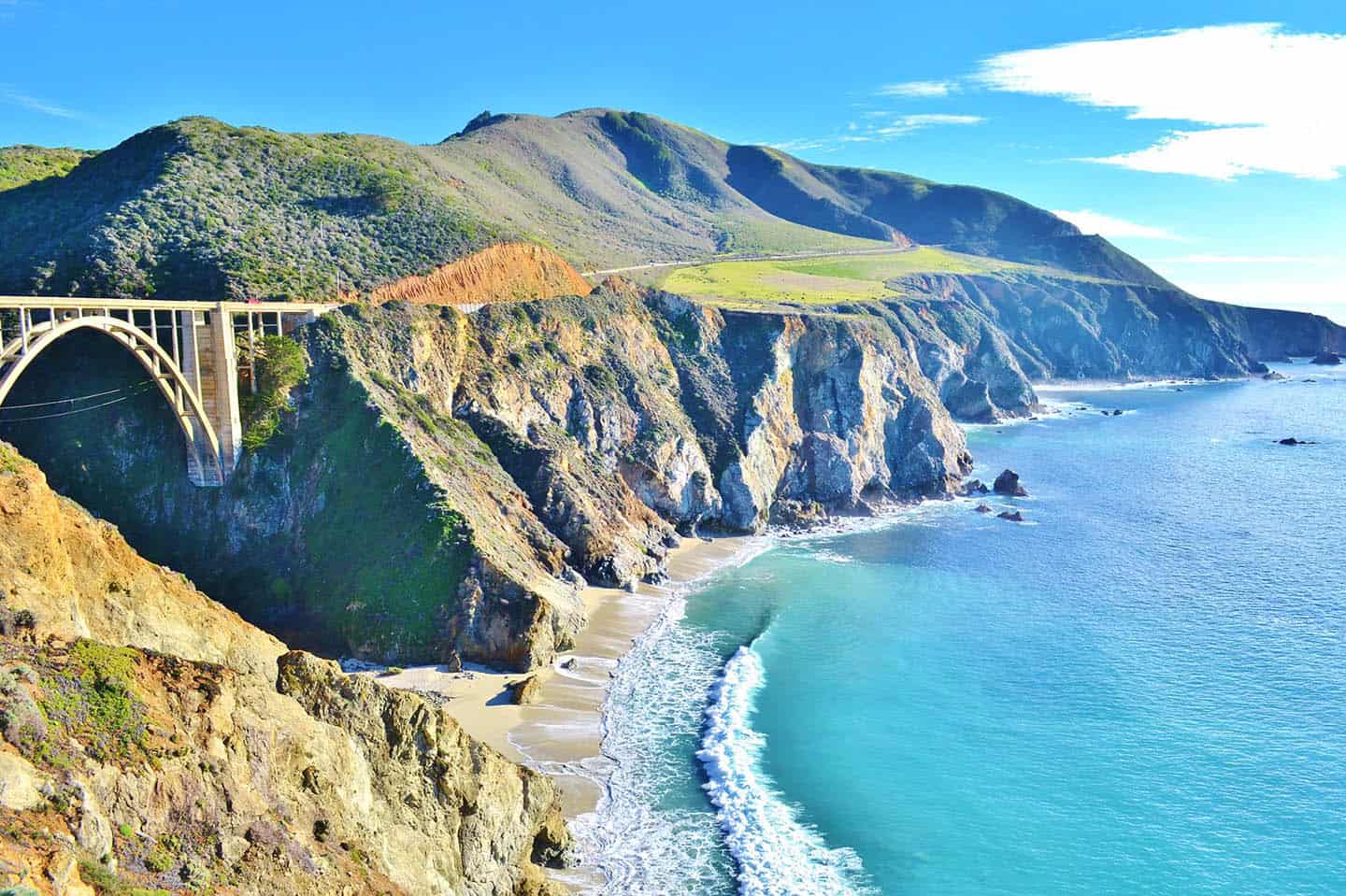
Planning a trip along Highway 1 requires more than just picking your stops; it demands an awareness of its dynamic status. From the misty redwood forests of the north to the sun-drenched beaches of the south, this scenic byway connects iconic destinations like San Francisco, Monterey, Big Sur, San Luis Obispo, Santa Barbara, and Los Angeles. But these natural wonders come with a price, as landslides, rockfalls, and road construction are not uncommon occurrences, particularly in the notoriously geologically active Big Sur region. Staying informed about the latest road conditions is paramount to ensuring a smooth, safe, and enjoyable experience. This guide will delve into how to check the current status, what to expect if parts are closed, and how to make the most of your adventure along one of the world’s most spectacular coastal drives, regardless of its operational status.
Navigating the Iconic California Coast: Current Status and What It Means for Your Trip
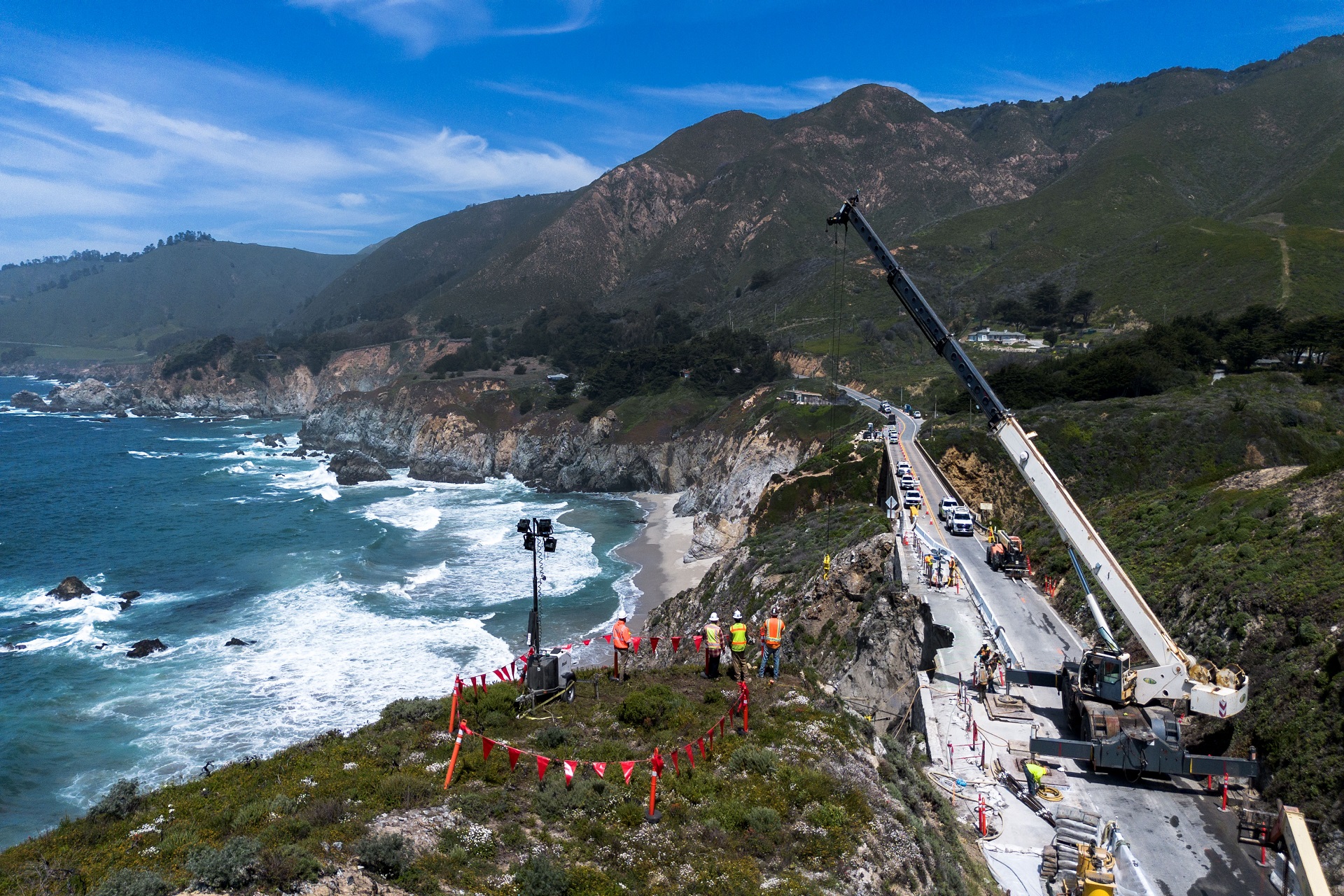
The allure of the Pacific Coast Highway is undeniable, drawing millions each year with its promise of freedom, discovery, and awe-inspiring natural beauty. It’s a journey that transcends mere transportation, offering a deep dive into California’s diverse landscapes and vibrant culture. However, the essential question of whether Highway 1 is fully open can significantly impact travel plans. The road’s susceptibility to natural events means that sections, particularly through the rugged terrain of Big Sur, can experience temporary or even prolonged closures. These closures are primarily due to landslides, which become more prevalent during the rainy season, typically from late fall through spring. Maintenance work, often extensive and complex due to the challenging geography, also contributes to periodic disruptions.
Understanding the implications of a closure is vital for any traveler. A closed section of Highway 1 doesn’t necessarily mean your entire trip is derailed; rather, it often requires a strategic detour. These detours can add significant time to your journey, potentially rerouting you inland over mountain passes or through agricultural valleys. While less scenic than the coast, these alternate routes can offer their own unique glimpses into California’s diverse interior. For instance, travelers might find themselves traversing Highway 101, a major north-south artery that runs parallel to the coast, or navigating smaller state routes. The key is to approach your trip with flexibility and a willingness to adapt. Sometimes, a closure might even present an opportunity to explore a new area you hadn’t considered, adding an unexpected layer to your adventure.
Understanding Road Closures: Why and How to Check
Highway 1’s closures are typically the result of specific environmental factors. Heavy rains can saturate hillsides, leading to landslides that deposit tons of earth and debris onto the roadway. Erosion from relentless ocean waves can undermine the roadbed, requiring extensive engineering work to stabilize. And the inherent geological instability of certain coastal sections, like those near Big Sur, means that minor seismic activity can also trigger rockfalls. Construction and ongoing maintenance are also regular features, as the state continuously works to reinforce and repair this vital artery. These efforts are crucial for both public safety and the long-term preservation of the highway as a travel destination.
To ensure you have the most up-to-date information, rely on official sources. The primary authority for road conditions in California is the California Department of Transportation, commonly known as Caltrans. Their website offers a comprehensive real-time map and text-based alerts detailing closures, construction, and incidents on all state highways, including Highway 1. Before and during your trip, it is highly recommended to check the Caltrans QuickMap online or download their app. Local tourism boards and individual state parks along the route, particularly in sensitive areas like Big Sur, often provide localized updates that can be very helpful, especially regarding access to specific attractions or accommodations. Remember, relying on social media or outdated information can lead to frustrating detours or even unsafe situations. Always verify information through multiple official channels before setting out.
Planning Your Pacific Coast Highway Adventure: Must-See Stops and Detours
Even with the possibility of closures, a road trip along the Pacific Coast Highway remains one of the most rewarding travel experiences imaginable. The route is peppered with iconic landmarks, charming towns, and natural wonders that beckon travelers to slow down and explore. From north to south, each segment of Highway 1 offers its unique flavor and array of attractions. When planning, it’s wise to consider breaking the journey into manageable segments, allowing ample time for unexpected stops, scenic overlooks, and perhaps a spontaneous detour if the main route is temporarily inaccessible. Flexibility in your itinerary is your best friend when tackling the PCH.
One key aspect of planning is to identify alternative routes for sections that might be closed. While Highway 101 is the most common inland alternative, exploring more localized state routes can sometimes reveal hidden gems. For instance, if the southern portion of Big Sur is closed, you might consider looping inland via Highway 46 or Highway 58 to reconnect with Highway 101 near Paso Robles or San Luis Obispo. These detours might even offer glimpses into California’s wine country or vast agricultural heartlands, providing a different perspective of the state’s diverse geography. Embracing these alternative paths as part of the adventure, rather than mere obstacles, can enrich your overall travel experience.
Northern California Gems: From San Francisco to Monterey
Starting in the north, San Francisco is often the quintessential gateway to a Highway 1 adventure. Before heading south, travelers can explore iconic landmarks like the Golden Gate Bridge, Alcatraz Island, and the vibrant neighborhoods. From San Francisco, the journey south quickly immerses you in dramatic coastal scenery. The stretch through Half Moon Bay and Santa Cruz offers stunning beaches, surf spots, and charming small towns perfect for a stop.
Further south, the Monterey Bay area is a treasure trove of attractions. Monterey, famous for its historic Cannery Row and the world-renowned Monterey Bay Aquarium, offers a blend of maritime history and marine conservation. Just a stone’s throw away lies Carmel-by-the-Sea, a fairytale village with quaint cottages, art galleries, and a pristine white-sand beach. The scenic 17-Mile Drive through Pebble Beach is another must-do, offering glimpses of famous golf courses and the iconic Lone Cypress. This segment of the highway is generally well-maintained and less prone to extensive closures than the more southern Big Sur section, making it a reliable and incredibly scenic start to your coastal journey.
The Majestic Big Sur Stretch: A World Apart
Undoubtedly the most famous and visually spectacular section of Highway 1 is Big Sur. This roughly 90-mile stretch, running from just south of Carmel to San Simeon, is where towering redwood forests meet dramatic cliffs plunging into the Pacific Ocean. Iconic landmarks here include the majestic Bixby Bridge, Pfeiffer Big Sur State Park with its purple sands, and the stunning waterfalls at Julia Pfeiffer Burns State Park, home to McWay Falls. Big Sur is a destination for disconnecting and immersing oneself in nature, with numerous hiking trails, viewpoints, and secluded beaches.
However, Big Sur is also the most challenging segment of Highway 1 to keep open. Its steep, unstable terrain makes it highly susceptible to landslides, especially during heavy rains. When a section of Big Sur is closed, travelers must often take significant detours inland, sometimes requiring several hours. It’s crucial to check Caltrans for real-time updates and be prepared to adjust your plans. Even with closures, travelers can often still access northern parts of Big Sur from the north or southern parts from the south, allowing for segmented exploration. The charm of Big Sur lies in its untamed beauty, and experiencing it, even in segments, is truly unforgettable.
Beyond the Drive: Accommodations, Dining, and Experiences Along Highway 1
A successful Highway 1 road trip isn’t just about the drive; it’s about the immersive experiences along the way. From world-class hotels to cozy inns, gourmet dining to casual roadside eateries, and a myriad of activities catering to every interest, the Pacific Coast Highway offers a complete travel package. Given the potential for road closures or extended detours, pre-booking accommodations is often a wise decision, particularly during peak seasons or in popular areas like Big Sur, where options can be limited and highly sought after.
For those planning to explore regions susceptible to closures, such as Big Sur, it might be beneficial to book refundable accommodations or consider staying in towns on either side of a potential closure point, like Carmel-by-the-Sea to the north or San Simeon to the south. This strategy allows for maximum flexibility, enabling you to explore accessible sections of the highway without being stranded or forced into last-minute, long detours. The journey along Highway 1 is as much about the destination stops as it is about the drive itself, so dedicating time to these experiences will enrich your adventure.
Where to Stay: Hotels and Resorts for Every Lifestyle
The Pacific Coast Highway boasts an incredible array of accommodation options, catering to every budget and lifestyle. For those seeking unparalleled luxury, destinations like the Post Ranch Inn or Ventana Big Sur in Big Sur offer breathtaking views, exquisite dining, and world-class amenities, creating an unforgettable, indulgent escape. Similarly, upscale resorts in Santa Barbara and Laguna Beach provide lavish experiences, often with direct beach access and spa facilities.
For travelers on a more modest budget, charming boutique hotels, motor inns, and vacation rentals are plentiful in towns like Morro Bay, Pismo Beach, and Cambria. These options often provide comfortable stays without compromising on location or local charm. Furthermore, camping in California State Parks along the route, such as those in Big Sur or near San Simeon, offers an incredibly immersive way to experience the natural beauty, though reservations are essential and often book up months in advance. From romantic getaways to family-friendly stays, the accommodation scene along Highway 1 is as diverse as the landscape itself.
Culinary Journey: Savoring the California Coast
Dining along Highway 1 is an experience in itself, reflecting the bounty of California’s fertile lands and rich marine life. From farm-to-table restaurants in Carmel to fresh seafood shacks in Morro Bay, there’s a culinary adventure at every turn. In Big Sur, establishments like Nepenthe offer not only delicious food but also some of the most spectacular cliffside views imaginable. Coastal towns are renowned for their clam chowder, fish tacos, and freshly caught fish of the day, often best enjoyed with a glass of local California wine.
Beyond the formal restaurants, don’t miss the opportunity to explore local farmers’ markets for fresh produce, artisan cheeses, and baked goods, perfect for a picnic with an ocean view. The coffee culture is also strong, with numerous independent cafes offering expertly brewed beverages to fuel your drive. Whether you’re seeking a gourmet meal, a casual bite, or a romantic dinner overlooking the Pacific Ocean as the sun sets, the Pacific Coast Highway delivers a memorable gastronomic journey that complements its visual splendor.
Essential Tips for a Seamless Highway 1 Road Trip
Embarking on a Highway 1 road trip is an adventure that requires thoughtful preparation. Beyond checking road conditions, there are several key considerations that can significantly enhance your experience. Understanding the best time to visit, knowing what to pack, and embracing a flexible mindset are crucial for navigating this iconic route successfully. The unique blend of rugged terrain and coastal beauty means that weather patterns can vary dramatically along different sections of the highway, influencing both accessibility and the overall ambiance of your trip.
One of the most valuable pieces of advice for traveling the Pacific Coast Highway is to allow ample time. This isn’t a drive to be rushed. The countless scenic pullouts, charming towns, and hiking opportunities mean that a journey that looks short on a map can easily stretch into days of exploration. Building in buffer time not only allows for leisurely stops but also provides a cushion for unexpected delays, such as minor traffic, road construction, or even a sudden decision to spend more time in a particularly captivating spot. A relaxed approach ensures you can fully immerse yourself in the beauty and culture of California’s coast.
Best Time to Visit and Weather Considerations
The best time to travel Highway 1 is generally during the late spring (April-May) and early fall (September-October). During these periods, the weather is typically mild and sunny, with fewer crowds than in the peak summer months. Spring brings wildflowers and lush green hillsides, while fall offers clear skies and comfortable temperatures, ideal for sightseeing and outdoor activities. Summer (June-August) is popular, but be prepared for “June Gloom” or “May Gray” along the central coast, where morning fog can linger, obscuring views until midday.
Winter (November-March) can also be a beautiful time to visit, with dramatic stormy skies and powerful ocean waves. However, this is also the rainy season, which significantly increases the risk of landslides and subsequent road closures, particularly in the Big Sur area. While you might encounter fewer tourists, you’ll need to monitor road conditions meticulously and be prepared for potential detours. Regardless of the season, coastal weather can be unpredictable, so packing layers is always a smart strategy.
Packing Essentials and Safety Advice
When packing for your Highway 1 adventure, versatility is key. Even on a sunny day, coastal breezes can be cool, so layers are essential. Include a light jacket or windbreaker, comfortable walking shoes for exploring towns and trails, sunscreen, sunglasses, and a hat. Don’t forget your camera to capture the incredible landscapes, and binoculars for wildlife spotting (whales, sea lions, and condors are common sights). A reusable water bottle is also a good idea.
Safety on the road is paramount. Drive cautiously, especially on the winding, narrow sections of Highway 1 with steep drop-offs. Always pull over completely into designated turnouts if you want to stop for photos or admire the view. Cell service can be spotty in remote areas, particularly in Big Sur, so download offline maps and carry a physical map as a backup. Ensure your vehicle is in good condition, and keep your fuel tank full, as gas stations can be sparse and expensive in less populated areas. Traveling with an emergency kit, including water, snacks, and a first-aid kit, is always recommended.

Flexibility is Key: Embracing the Unpredictable
The most important advice for a Highway 1 road trip is to embrace flexibility. While planning is crucial, the dynamic nature of this coastal route means that unexpected closures or weather changes can occur. Instead of viewing these as setbacks, consider them opportunities for new discoveries. A detour might lead you to a charming inland town you hadn’t planned to visit, or a closed section might encourage you to spend an extra day exploring a particularly beautiful accessible area.
Staying informed through official Caltrans updates, having alternative routes in mind, and being open to adjusting your itinerary will ensure that your Pacific Coast Highway adventure remains a joyful and memorable experience, regardless of whether every mile of the famous route is open. The spirit of this journey lies in the exploration, the breathtaking views, and the freedom of the open road – even if that road occasionally takes an unexpected turn.
LifeOutOfTheBox is a participant in the Amazon Services LLC Associates Program, an affiliate advertising program designed to provide a means for sites to earn advertising fees by advertising and linking to Amazon.com. Amazon, the Amazon logo, AmazonSupply, and the AmazonSupply logo are trademarks of Amazon.com, Inc. or its affiliates. As an Amazon Associate we earn affiliate commissions from qualifying purchases.