
For many travelers exploring the diverse landscapes and vibrant cities of California, personal safety is a paramount concern. Whether venturing through bustling urban centers like Los Angeles and San Francisco, hiking remote trails in Yosemite National Park, or enjoying the nightlife in San Diego, understanding local laws regarding self-defense tools is crucial. Pepper spray, a common non-lethal deterrent, often comes to mind. The question, “Is pepper spray illegal in California?” is frequently asked by those seeking to enhance their security while on vacation or during a business trip.
The short answer is no; pepper spray is generally not illegal in California for self-defense purposes, provided certain conditions are met. However, the nuance lies in the details – specific regulations on size, strength, and where it can be carried are critical. This comprehensive guide will delve into the intricacies of California’s pepper spray laws, offer practical advice for travelers, and discuss broader safety strategies to ensure your experience in the Golden State is both memorable and secure. We’ll explore how these laws impact your travel plans, from navigating airports to choosing safe accommodations, integrating seamlessly with your overall tourism and lifestyle considerations.
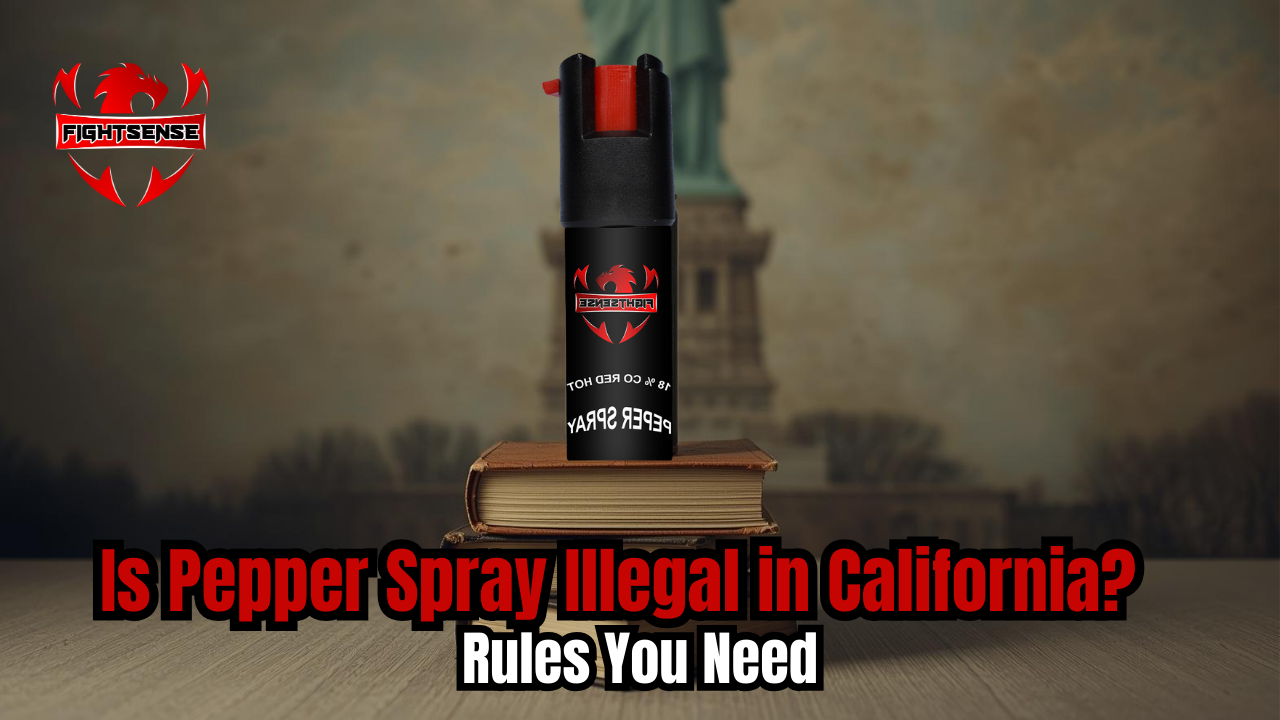
Understanding California’s Pepper Spray Laws
Navigating the legal landscape around self-defense tools can be confusing, especially when visiting a new state or country. California has specific statutes governing the possession and use of pepper spray, also known as OC (oleoresin capsicum) spray or mace. These laws are designed to balance an individual’s right to self-defense with public safety concerns, ensuring that such devices are used responsibly and within defined parameters. For travelers, being informed about these regulations is not just good practice, but a necessity to avoid legal complications during their stay.
The Legality for Personal Use
In California, it is generally legal for individuals to possess and use pepper spray for self-defense. The law permits “any person eighteen years of age or older to possess tear gas or tear gas weapons for the projection or release of tear gas if such person has not been previously convicted of a felony or of any crime involving an assault.” This means that as long as you are at least 18 years old and do not have a disqualifying criminal record, you can legally carry pepper spray. The key phrase here is “self-defense.” Pepper spray is intended to deter an attacker and provide an opportunity to escape, not to be used offensively or maliciously. Misuse can lead to severe legal consequences, including assault charges. The state emphasizes “peaceable possession,” meaning it must be carried for lawful purposes, primarily to protect oneself or others from harm. For those engaging in solo travel or exploring unfamiliar areas, this legal provision offers a measure of reassurance.
Size and Strength Restrictions
While legally permissible, not all pepper spray products are created equal or allowed in California. The law imposes specific restrictions on the size and strength of the canister. According to California Penal Code Section 22810, the maximum allowable content of a pepper spray canister for personal use is 2.5 ounces by net weight, or approximately 70 grams. Larger canisters are generally considered illegal for civilian possession and are typically reserved for law enforcement.
Beyond weight, while the law doesn’t explicitly define a maximum OC concentration for civilian use, commercially available and legally sold pepper sprays in California typically fall within a range considered effective yet non-lethal. It is crucial to purchase pepper spray from reputable retailers to ensure compliance with these regulations. Some products marketed as “bear spray” or other high-capacity/high-concentration sprays are explicitly not legal for personal use against humans and should not be carried by travelers. Always check the label for compliance with California laws before making a purchase. This careful consideration ensures that your self-defense tool remains within the bounds of legality, preventing potential issues during your tourism activities.
Where You Cannot Carry Pepper Spray
Even when legally possessed, there are specific locations in California where carrying pepper spray is strictly prohibited. These restrictions are often related to security and safety in sensitive environments. Travelers must be particularly aware of these areas:
- Federal Buildings: This includes post offices, federal courthouses, IRS offices, and other government facilities.
- Airports and Aircraft: The Transportation Security Administration (TSA) strictly prohibits pepper spray in both carry-on and checked luggage for flights within the United States. Attempting to fly with it can result in confiscation, fines, and even arrest.
- Courthouses and Other Judicial Facilities: State and local courthouses often have heightened security and prohibit weapons, including pepper spray.
- Schools and Universities: Carrying pepper spray on the grounds of K-12 schools, colleges, or universities is generally forbidden, with some exceptions for law enforcement or authorized personnel.
- Correctional Facilities: Jails, prisons, and detention centers are obvious no-go zones for any self-defense weapon.
- Within Any Sterile Area of an Airport: Beyond the aircraft itself, the secure areas of airports are also off-limits.
- Certain Public Events and Venues: Depending on the specific event or venue (e.g., concerts, sporting events, large festivals, theme parks like Disneyland or Universal Studios Hollywood), security protocols may prohibit pepper spray, similar to other weapons. It’s always wise to check venue policies beforehand.
Violating these restrictions, even unintentionally, can lead to serious legal repercussions, including fines, confiscation, and even arrest. As such, visitors enjoying California’s many landmarks and attractions must exercise diligence in knowing where their pepper spray is and isn’t allowed.
Practical Considerations for Travelers in California
For individuals venturing into California, whether for a luxury retreat in Napa Valley, a thrilling road trip along the coast, or a business stay in Silicon Valley, integrating personal safety measures into their travel plans is essential. The decision to carry pepper spray, while legal under specific conditions, comes with practical implications that every traveler should consider. These considerations touch upon various aspects of travel, accommodation, and general lifestyle choices while exploring the state.
Why Travelers Might Consider Carrying Pepper Spray
The motivation behind carrying pepper spray often stems from a desire for enhanced personal security, particularly for those in unfamiliar environments. Solo travelers, who might be exploring bustling city centers like downtown Los Angeles or the vibrant streets of San Francisco late at night, often find a sense of comfort in having a non-lethal self-defense option. It can be particularly reassuring when navigating public transportation, walking back to a hotel or apartment after an evening out, or when exploring less populated areas. For individuals on a budget travel adventure, who might opt for less secure accommodations or rely more heavily on public transport, pepper spray can offer an added layer of protection. Furthermore, business travelers often find themselves in new cities, sometimes working late or in areas they don’t know well, making personal safety a key lifestyle concern. The feeling of being prepared can significantly contribute to a more relaxed and enjoyable travel experience.
Flying with Pepper Spray: A Major No-Go
Perhaps the most critical practical consideration for travelers is the absolute prohibition of pepper spray on commercial flights. The United States Transportation Security Administration (TSA) explicitly forbids pepper spray or mace in both carry-on bags and checked luggage. This is a non-negotiable rule across all domestic and international flights departing from or arriving in the United States. Attempting to bypass this rule can lead to significant delays, confiscation of the item, substantial fines, and even criminal charges, potentially disrupting your entire travel itinerary.
Therefore, if you typically carry pepper spray and are flying into California, you must not bring it with you from your point of origin. The recommended approach is to purchase a legal-sized and compliant pepper spray upon arrival in California from a reputable retailer. Similarly, if you plan to fly out of California after your trip, you will need to dispose of your pepper spray before heading to the airport. This strict guideline is paramount for anyone planning their travel and accommodation logistics.
Navigating Public Spaces and Accommodations
Once on the ground in California, understanding how to carry pepper spray responsibly in various public spaces and within your chosen accommodation is important. As previously mentioned, specific venues such as federal buildings, courthouses, and secure areas of major tourist attractions like the Santa Monica Pier or Alcatraz Island will have strict prohibitions. It’s advisable to check the policies of any specific landmark, museum, or entertainment venue you plan to visit.
Regarding accommodations, whether you’ve booked a luxurious suite at a Grand Hyatt Hotel, a charming apartment in Beverly Hills, or a budget-friendly hostel, generally, there are no specific hotel policies prohibiting the legal possession of pepper spray within your private room. However, exercising discretion is always wise. Keep it stored securely and out of reach of children. While unlikely, causing an accidental discharge within a hotel could lead to property damage or inconvenience to other guests, potentially resulting in charges. For long-term stays or those opting for villa rentals, the same principles apply: responsible storage and awareness of local laws are key. The aim is to enhance your personal safety without infringing upon the safety or comfort of others in shared spaces.
Responsible Use and Alternatives to Pepper Spray

While pepper spray offers a non-lethal option for self-defense, its effectiveness and safety depend heavily on responsible use. Moreover, relying solely on a physical deterrent overlooks other crucial aspects of personal safety that are especially pertinent for travelers. Integrating a broader strategy that includes awareness, de-escalation, and understanding alternatives can significantly enhance your security profile while enjoying the myriad experiences California has to offer. This holistic approach aligns with a smart and informed travel lifestyle.
Training and Awareness
Possessing pepper spray without knowing how to use it effectively can be counterproductive, potentially putting you at greater risk. It’s not a “point and shoot” device, and improper use can result in the spray backfiring, affecting you instead of an attacker, especially in windy conditions. Before carrying pepper spray, consider purchasing a practice canister to familiarize yourself with its range, spray pattern, and deployment mechanism. Knowing how to quickly access it and use it under stress is vital.
Beyond physical practice, understanding the psychological aspect of an attack is important. The goal of pepper spray is to create an immediate, debilitating effect that allows you to escape. It’s a tool for disengagement, not confrontation. Many local self-defense classes offer specific training modules for non-lethal tools like pepper spray, providing invaluable hands-on experience and strategic insights. For any traveler, investing in this knowledge is an investment in your safety and peace of mind during your tourism adventures.
De-escalation and Situational Awareness
The most effective self-defense strategy always begins with avoiding dangerous situations altogether. This is where de-escalation and situational awareness become paramount. For travelers, this means:
- Be Aware of Your Surroundings: Pay attention to who is around you, potential escape routes, and any unusual behavior. Avoid being distracted by your phone, especially in unfamiliar areas.
- Trust Your Gut Instincts: If a situation or person feels off, it probably is. Don’t hesitate to remove yourself from the situation.
- Plan Your Routes: Especially at night, know where you are going. Stick to well-lit, populated areas. Use reputable ride-sharing services or taxis.
- Project Confidence: Walking with purpose and confidence can often make you less of a target.
- Verbal De-escalation: If confronted, try to verbally de-escalate the situation. A firm “No” or “Leave me alone” can sometimes be enough.
Incorporating these practices into your daily travel routine is a fundamental aspect of a responsible travel lifestyle. They are preventative measures that can often negate the need for any physical self-defense tool, allowing you to focus on the local culture, food, and activities without undue stress.
Other Self-Defense Tools (and their Legality)
While pepper spray is a relatively accessible and legal self-defense option in California, travelers might wonder about other tools. It’s important to understand that the legality of other self-defense devices varies significantly and can be much more restrictive:
- Personal Safety Alarms: These devices emit a loud siren to attract attention and deter attackers. They are legal to carry almost anywhere and can be very effective without the risk of physical harm.
- Tasering Devices/Stun Guns: The legality of tasers and stun guns is more complex. While generally legal for personal self-defense in California for individuals 18 and older without a felony record, there are specific regulations regarding their sale and possession, and they are prohibited in many public places where pepper spray might also be banned. It is critical to confirm current local laws for any specific city or county within California.
- Knives/Firearms: The laws surrounding knives and firearms for self-defense are significantly more stringent and complex, varying by blade length, type, and location. For travelers, bringing firearms across state lines or even into certain areas within California can be highly problematic due to varying reciprocity laws and local ordinances. It is generally not advisable for tourists to attempt to carry such weapons unless they are intimately familiar with California and federal gun laws.
Given the complexities, personal safety alarms offer a universally legal and less confrontational alternative, while pepper spray remains the most commonly accepted and regulated physical self-defense tool for civilians in California. For a safe travel experience, prioritizing legal, non-lethal, and easily understood self-defense options is always recommended.
Exploring California Safely: Beyond Self-Defense Tools
California offers an unparalleled array of experiences, from the majestic beauty of Lake Tahoe to the iconic allure of Hollywood and the historical significance of the Golden Gate Bridge. While understanding pepper spray laws and considering personal defense tools is important, a truly safe and enriching travel experience extends far beyond. It encompasses thoughtful planning, informed choices regarding accommodation, and a mindful approach to exploring the state’s diverse landmarks and engaging with its unique lifestyle. Integrating safety into every aspect of your trip ensures peace of mind, allowing you to fully immerse yourself in the journey.
Planning Your California Adventure with Safety in Mind
Proactive planning is the cornerstone of any successful and safe trip. Before you even set foot in California, dedicate time to researching your chosen destinations. If you’re heading to Sacramento for its historical sites, or venturing into the stark beauty of Death Valley National Park, understanding the specific characteristics of these areas is key. Look into local crime rates, common scams targeting tourists, and recommended safe zones.
When selecting accommodations, leverage the website’s resources on hotels, resorts, apartments, and villas. Read reviews carefully, focusing on comments about safety, neighborhood characteristics, and security features (e.g., 24-hour reception, well-lit parking, key card access). Opting for reputable establishments, even if it entails a slightly higher cost, can be a valuable investment in your safety. Always share your itinerary, including flight details and accommodation addresses, with a trusted friend or family member. Consider carrying a portable charger for your phone, as communication is a vital safety tool. For those indulging in luxury travel, while security may often be more inherent, vigilance remains important. Similarly, budget travel does not mean compromising on safety; it means being smarter and more informed about your choices.
Enjoying California’s Iconic Landmarks and Attractions
California boasts some of the world’s most recognizable landmarks and attractions, drawing millions of visitors annually. From the star-studded sidewalks of Hollywood to the natural wonders of Muir Woods National Monument and the panoramic views from Griffith Observatory, these sites are often crowded, requiring heightened awareness.
- Protect Valuables: Be mindful of pickpockets in crowded tourist areas. Use anti-theft bags, keep wallets in front pockets, and avoid flashing large amounts of cash or expensive jewelry.
- Stay in Groups: If traveling with companions, stick together, especially in bustling areas or late at night.
- Follow Park Rules and Trail Markers: When exploring natural landmarks, adhere to all safety warnings, stay on marked trails, and inform someone of your hiking plans. Cell service can be spotty in remote areas, so don’t rely solely on your phone for navigation or emergencies.
- Respect Local Guidelines: Each landmark and attraction may have specific rules regarding bags, prohibited items, and conduct. A quick check of their official website before your visit can save time and prevent issues.
These simple practices contribute significantly to a worry-free tourism experience, allowing you to fully appreciate the historical and natural beauty of California.

Lifestyle and Cultural Immersion with Confidence
Part of the allure of travel is immersing oneself in local culture and adopting a temporary lifestyle. In California, this might mean enjoying world-class dining, exploring vibrant art scenes, or experiencing the unique nightlife. To do so with confidence:
- Responsible Consumption: If consuming alcohol, do so responsibly and in moderation. Be aware of your limits, and never leave your drink unattended. Always have a plan for safe transportation back to your accommodation.
- Reputable Establishments: Choose well-reviewed restaurants, bars, and entertainment venues. Utilize local guides and trusted recommendations for the best experiences.
- Cultural Sensitivity: While California is incredibly diverse and welcoming, always be respectful of local customs and norms. A confident and respectful demeanor can often deter unwanted attention.
- Emergency Contacts: Keep a list of emergency contacts, including local police, your embassy/consulate (if applicable), and your accommodation’s contact information, readily accessible.
By integrating these safety measures into your travel and lifestyle choices, you’ll be well-prepared to enjoy the rich experiences California has to offer, from luxurious amenities to authentic local encounters, all with an enhanced sense of security and peace of mind.
In conclusion, while the question “Is pepper spray illegal in California?” can be answered with a qualified “no” for personal self-defense, responsible travel in the Golden State demands a more comprehensive understanding of legal limits, practical considerations, and broader safety strategies. By adhering to size and usage regulations, respecting prohibited zones, prioritizing situational awareness, and planning your itinerary thoughtfully, you can ensure your California adventure is both safe and immensely enjoyable. Your focus should always be on smart choices that empower you to explore California’s destinations, hotels, and landmarks with confidence and peace of mind.
LifeOutOfTheBox is a participant in the Amazon Services LLC Associates Program, an affiliate advertising program designed to provide a means for sites to earn advertising fees by advertising and linking to Amazon.com. Amazon, the Amazon logo, AmazonSupply, and the AmazonSupply logo are trademarks of Amazon.com, Inc. or its affiliates. As an Amazon Associate we earn affiliate commissions from qualifying purchases.