
California, often hailed as The Golden State, is a land of unparalleled natural beauty, vibrant cities, and diverse landscapes. From the sun-kissed beaches of Southern California to the majestic redwood forests of the north, and the snow-capped peaks of the Sierra Nevada Mountains, it’s a dream destination for travelers worldwide. However, recent years have brought an increasing awareness of wildfires, prompting many prospective visitors to ask a crucial question: “Is there still fires in California?”
The simple answer is that the risk of wildfires is an inherent part of California’s natural ecosystem, particularly during its dry seasons. The state experiences periods of increased fire activity, often influenced by factors like drought, high temperatures, and strong winds. However, the narrative around California fires is often complex and sometimes misunderstood. While wildfires are a serious concern for residents and local authorities, the vast majority of California’s immense land area, including its most popular tourist destinations, remain unaffected and are open for business, welcoming millions of visitors year-round.

This article aims to provide a comprehensive guide for travelers planning a trip to California, addressing concerns about fires while highlighting the state’s enduring appeal as a premier destination for travel, hotels, tourism, accommodation, landmarks, and diverse lifestyle experiences. We’ll delve into how to stay informed, plan responsibly, and confidently enjoy everything this incredible state has to offer.
Understanding the Current Landscape: Navigating California’s Natural Beauty Post-Fire
California is the third-largest state by area in the United States and encompasses an incredible variety of climates and topographies. This vastness means that while one region might be grappling with the aftermath of a fire, another, perhaps just a short drive away, could be entirely pristine and flourishing. The key for travelers is to approach their planning with current information and a nuanced understanding of the situation.
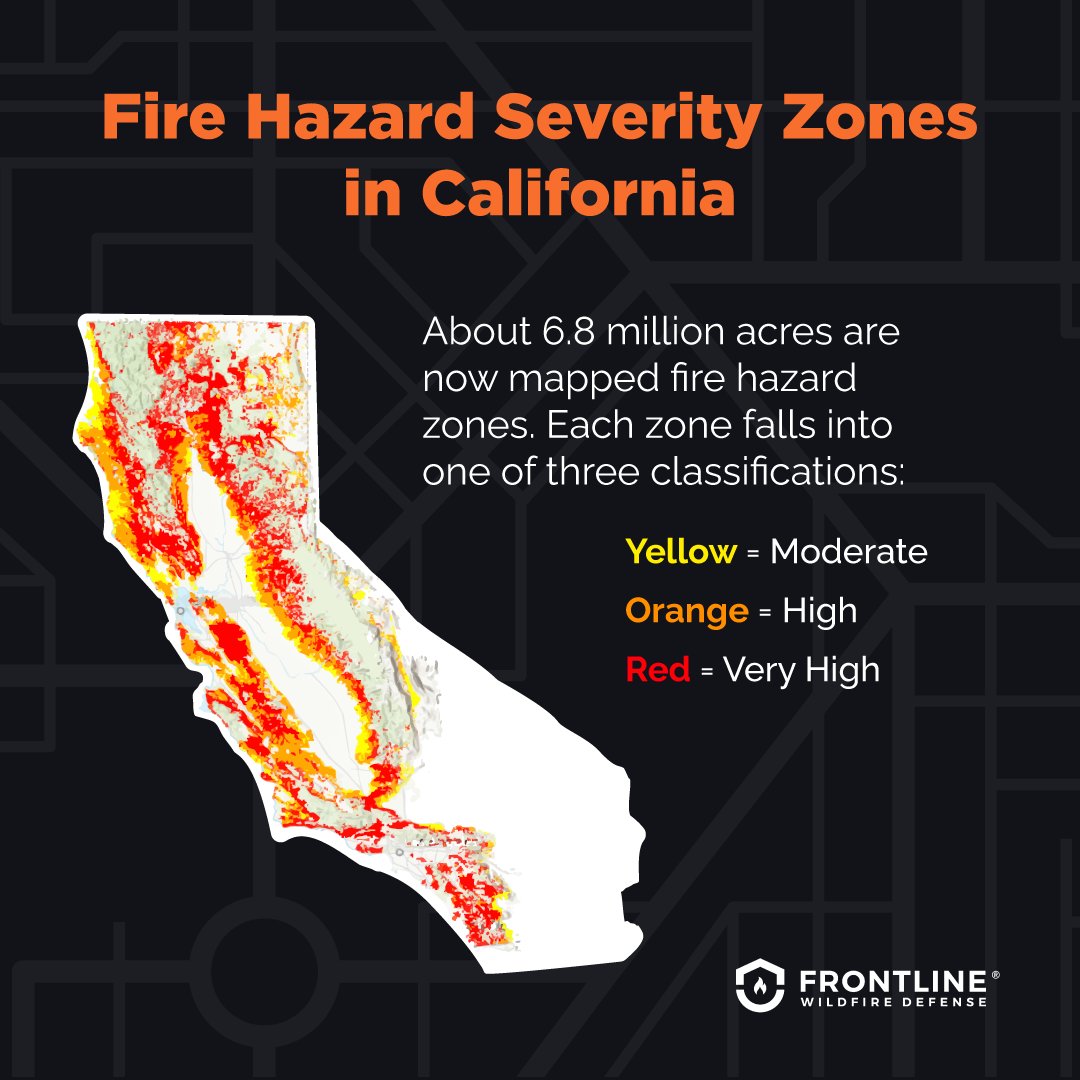
Wildfires are a natural, albeit increasingly intense, phenomenon in many parts of the western United States and North America. They are a cyclical event that helps clear underbrush and promote new growth in specific ecosystems. California’s unique Mediterranean climate, characterized by hot, dry summers and mild, wet winters, makes certain areas susceptible. However, significant strides have been made in fire prevention, detection, and containment by agencies like Cal Fire and the U.S. Forest Service.
The Resilient Spirit of California’s Destinations
Despite the challenges posed by wildfires, the spirit of California’s communities and its natural landscapes remains incredibly resilient. Areas impacted by fires often embark on extensive recovery and restoration efforts, showcasing the dedication of locals to rebuild and revitalize their homes and environments. Many destinations that have experienced fires in the past have bounced back stronger, often with improved infrastructure and a renewed focus on sustainable tourism practices.
Consider Napa Valley and Sonoma County, world-renowned Wine Country regions that have faced fire challenges in recent years. Today, these areas continue to thrive, with vineyards producing exceptional wines, gourmet restaurants welcoming diners, and luxurious resorts offering unparalleled experiences. The local businesses, many of which are family-owned, rely heavily on tourism, and supporting them is a vital part of the recovery process. Similarly, many of California’s beloved national and state parks, such as Yosemite National Park, Sequoia National Park, and Kings Canyon National Park, have robust management plans to protect visitors and natural resources, and while temporary closures may occur, they are generally short-lived and localized.
The vastness of the state also means that iconic urban centers like Los Angeles, San Francisco, and San Diego are rarely directly threatened by the types of large-scale wildfires that affect more rural, forested areas. These cities, with their world-class attractions, hotels, and cultural experiences, continue to operate normally, offering a safe and vibrant travel experience.
Safe Travel Zones and Seasonal Considerations
Planning a trip to California requires a general awareness of seasonal fire risks, but this doesn’t mean avoiding the state altogether. The peak fire season typically runs from late summer through late fall, when vegetation is driest. However, modern weather patterns can sometimes extend this period.
To ensure a safe and enjoyable trip, it’s essential to:
- Check Official Sources: Before and during your trip, consult reliable resources such as the California Office of Emergency Services (CalOES), Cal Fire incident reports, and the National Park Service or California State Parks websites for specific park closures or advisories.
- Monitor Air Quality: Wildfires can sometimes affect air quality even in areas not directly threatened by flames. Websites like AirNow.gov provide real-time air quality data.
- Be Flexible: While rare, unexpected closures or detours can occur. Having a flexible itinerary or alternative options in mind can help mitigate any disruptions.
- Travel During Off-Peak Fire Season: Consider visiting California during spring (March-May) or early summer (June-July) when the landscape is lush and the fire risk is generally lower. Winter (December-February) also offers unique experiences, from skiing in Lake Tahoe to mild coastal exploration.
By staying informed and choosing your destinations wisely, you can confidently explore the vast majority of California’s stunning landscapes and vibrant urban centers.
Planning Your California Getaway: Accommodation and Logistics
California’s tourism industry is robust and well-equipped to handle the needs of travelers. From luxurious resorts to quaint boutique hotels and practical family-friendly accommodations, the state offers an incredible array of choices to suit every budget and style. When planning your trip, consider how your accommodation choices and logistical arrangements can enhance your experience while addressing any potential concerns.
Choosing the Right Stay: From Luxury Resorts to Cozy Stays
California’s accommodation options are as diverse as its landscapes. Whether you’re seeking a glamorous escape in Beverly Hills, a serene beachside villa in Malibu, a rustic cabin near Yosemite Valley, or a family-friendly hotel near Disneyland Resort, you’ll find countless choices.

- Luxury & Resorts: For those seeking indulgence, California boasts some of the world’s most opulent resorts. Think five-star properties in Laguna Beach with Pacific Ocean views, exclusive spas in Palm Springs, or historic grand hotels in San Francisco. Many offer extensive amenities, from golf courses and gourmet dining to private pools and personalized concierge services, ensuring a lavish lifestyle experience.
- Boutique Hotels & Unique Stays: For a more personalized experience, California’s charming towns like Carmel-by-the-Sea, Ojai, or Julian offer exquisite boutique hotels, often with local character and intimate atmospheres. You might find beautifully restored historic inns, eco-lodges, or even glamping experiences that connect you directly with nature in a comfortable setting.
- Family-Friendly & Budget Options: Cities like Anaheim (home to Disneyland), San Diego, and Orange County are replete with hotels catering to families, often featuring pools, kids’ clubs, and convenient access to attractions. For budget-conscious travelers, a wide range of motels, vacation rentals, and hostels provide affordable yet comfortable options, particularly in larger metropolitan areas and along popular road trip routes like Highway 1.
- Long-Term Stays: If you’re planning an extended visit, particularly for business or a relaxed exploration of a specific region, serviced apartments or villas in areas like La Jolla, Santa Monica, or Napa Valley offer the comforts of home combined with hotel-like amenities.
When choosing your accommodation, always read reviews, check location details, and consider the proximity to your planned activities. During fire season, ensure your chosen location is not in or near a current evacuation zone or high-risk area.
Booking Smart: Tips for a Seamless Experience
Strategic booking can make your California trip smoother and more enjoyable.
- Book in Advance: Popular destinations and peak travel times (summer, holidays) require booking accommodations, flights, and major attractions well in advance, sometimes months ahead, especially for unique resorts or specific room types.
- Read Cancellation Policies Carefully: Given the potential for unforeseen circumstances, always understand the cancellation and refund policies for hotels, car rentals, and tour bookings. Travel insurance is also a wise consideration for any significant trip.
- Utilize Comparison Sites: Websites dedicated to accommodation booking allow you to compare prices, amenities, and reviews across various hotels, resorts, apartments, and villas, helping you find the best deal.
- Consider Transportation: California is a vast state, and a rental car is often essential for exploring beyond major cities, particularly for visiting national parks or coastal drives like the Pacific Coast Highway. Public transport is robust in cities like San Francisco and Los Angeles but less comprehensive for inter-city travel or rural exploration.
By planning your accommodation and logistics meticulously, you can minimize potential stressors and maximize your time enjoying the diverse experiences California has to offer.
Experiencing California Beyond the Headlines: Iconic Landmarks and Local Culture
California’s allure extends far beyond any single challenge it might face. It’s a land rich in iconic landmarks, diverse cultures, groundbreaking cuisine, and thrilling adventures. Tourists flock here for a reason: the sheer variety of experiences is unmatched, offering everything from serene natural escapes to bustling urban explorations.
Reconnecting with Nature: Parks and Outdoor Adventures
The natural beauty of California is legendary. While some areas may be temporarily impacted by fires, the vast majority of its majestic landscapes remain untouched and ready for exploration.
- National Parks: Yosemite National Park (with its stunning Half Dome and El Capitan formations, and ancient sequoias in Mariposa Grove), Joshua Tree National Park (a surreal desert landscape), Death Valley National Park (North America’s lowest point), and Redwood National and State Parks (home to the world’s tallest trees) are just a few of the natural wonders. Each offers unique opportunities for hiking, camping, photography, and wildlife viewing.
- Coastal Gems: The California Coastal Commission protects miles of breathtaking coastline. Drive the Pacific Coast Highway through Big Sur, stopping at scenic overlooks and quaint towns like Monterey and Santa Barbara. Explore the tide pools of La Jolla, surf the waves of Malibu, or take a ferry to Catalina Island for snorkeling and hiking.
- Lakes and Mountains: Lake Tahoe offers year-round recreation, from skiing and snowboarding in winter to boating, hiking, and mountain biking in summer. The Sierra Nevada Mountains provide endless opportunities for backpacking, rock climbing, and fishing.
Always check local conditions for parks and outdoor areas, especially concerning trail closures or fire restrictions, before embarking on your adventure.
Embracing California’s Culinary and Cultural Scene
Beyond its natural beauty, California is a global trendsetter in cuisine, arts, and culture.
- Foodie Paradise: From farm-to-table movements originating in Northern California to the fusion flavors of Los Angeles, California is a culinary hotspot. Indulge in Michelin-starred dining, savor fresh seafood by the Pacific Ocean, explore diverse ethnic eateries in cities like San Francisco or San Diego, or enjoy a classic California burrito.
- World-Class Attractions: Visit Universal Studios Hollywood for movie magic, spend a day at Disneyland for timeless family fun, or explore the academic excellence of universities like Stanford and UC Berkeley.
- Iconic Landmarks: Marvel at the Golden Gate Bridge, stroll along the Santa Monica Pier, explore the historic Alcatraz Island, or walk the Hollywood Walk of Fame. Other famous places include Hearst Castle near San Simeon, the vibrant murals of Balboa Park in San Diego, or the architectural marvels of the Getty Center in Los Angeles.
- Arts and Entertainment: Catch a live show in Hollywood, visit world-renowned museums, or experience the thriving music scene from San Francisco’s jazz clubs to Los Angeles’s concert halls. The Gaslamp Quarter in San Diego offers lively nightlife, while towns like Solvang showcase unique cultural heritage.
California truly offers a lifestyle for everyone, from the adventurous outdoor enthusiast to the discerning cultural connoisseur.
Sustainable Tourism and Supporting Local Communities
Traveling responsibly is more important than ever, and this holds true when visiting California, especially concerning the impact of wildfires. By making conscious choices, tourists can contribute positively to the state’s resilience and help local communities thrive.
Conscious Travel: Making a Positive Impact
Sustainable tourism is about minimizing your environmental footprint while maximizing your positive social and economic impact on local communities.
- Support Local Businesses: When traveling, prioritize spending your money at local restaurants, shops, and tour operators. This directly supports the livelihoods of residents and helps communities, particularly those that may have been affected by past natural events, to recover and prosper.
- Respect Nature: Follow “Leave No Trace” principles when visiting natural areas. Stay on marked trails, properly dispose of waste, and avoid disturbing wildlife. Be especially mindful of fire safety rules, such as observing burn bans, properly extinguishing campfires, and avoiding activities that could spark a flame.
- Conserve Resources: California often faces water conservation challenges. Be mindful of your water usage, especially in hotels and accommodations. Choose hotels that demonstrate a commitment to environmental sustainability.
- Stay Informed and Adapt: The best way to be a responsible traveler is to stay informed about local conditions and heed warnings from authorities. If an area is advised against travel due to fire risk or recovery efforts, choose an alternative destination within the state.
By adopting these practices, you’re not just a tourist; you become a part of the effort to preserve California’s beauty and ensure its vibrant future.
In conclusion, while the question “Is there still fires in California?” is valid and important, it should not deter you from experiencing the wonders of this incredible state. With a little planning, awareness, and a commitment to responsible tourism, you can safely explore California’s iconic landmarks, indulge in its world-class cuisine, relax in its diverse accommodations, and immerse yourself in its unique lifestyle. California is vast, resilient, and always ready to welcome you with open arms.
LifeOutOfTheBox is a participant in the Amazon Services LLC Associates Program, an affiliate advertising program designed to provide a means for sites to earn advertising fees by advertising and linking to Amazon.com. Amazon, the Amazon logo, AmazonSupply, and the AmazonSupply logo are trademarks of Amazon.com, Inc. or its affiliates. As an Amazon Associate we earn affiliate commissions from qualifying purchases.