
Few songs in the annals of music history have generated as much speculation, analysis, and sheer mystique as the Eagles‘ iconic “Hotel California.” Released in 1976, this seven-minute rock epic quickly transcended its musical form to become a cultural phenomenon, an enigmatic narrative that continues to captivate listeners worldwide. But what exactly is the Hotel California? Is it a real place, a metaphor, a cautionary tale, or perhaps a dream sequence spun from the golden threads of Southern California excess?
For travelers and enthusiasts of unique accommodations, the song resonates on multiple levels, intertwining themes of alluring destinations, opulent hotels, the pursuit of an idyllic lifestyle, and the darker undertones that can sometimes accompany the most seemingly perfect experiences. On a website dedicated to travel, hotels, tourism, and lifestyle, “Hotel California” serves as a profound touchstone, inviting us to explore not just its lyrical meaning but also its enduring relevance to our collective desires for escape, luxury, and unforgettable journeys. This article delves into the layers of the song, connecting its rich tapestry of imagery to the very essence of what makes travel, hospitality, and life’s grand adventures so compelling, and at times, unsettling.
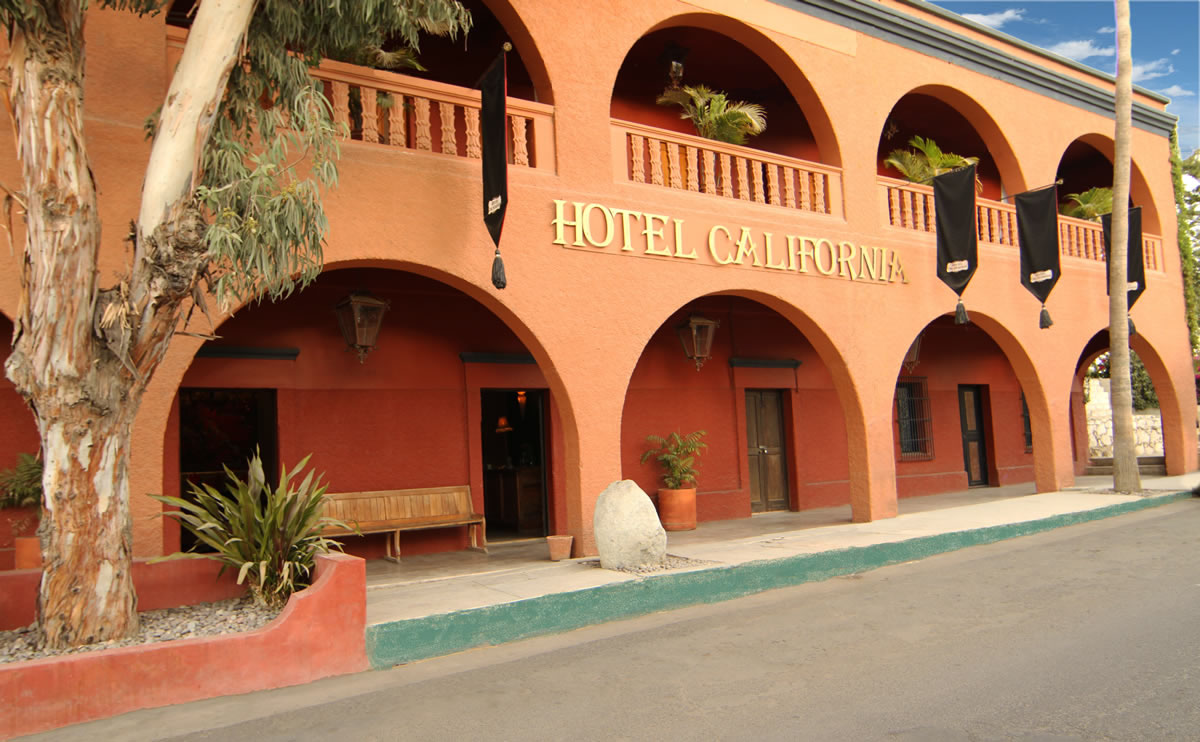
The Enigma of “Hotel California”: More Than Just a Song
At its core, “Hotel California” is a masterclass in evocative storytelling, painting vivid pictures with words that cling to the imagination. The song begins with a weary traveler driving down a dark desert highway, seeking refuge and finding an alluring, yet strangely unsettling, hotel. From the moment the “warm smell of colitas, rising up through the air” hits, to the final, desperate lines of trying to “find the passage back to the place I was before,” the narrative is steeped in ambiguity and rich symbolism. This isn’t just a song; it’s a lyrical journey into a psychological landscape that has spawned countless theories and interpretations, making it a permanent fixture in the collective consciousness.
A Lyrical Journey Through Americana
The primary songwriters, Don Henley and Glenn Frey, along with guitarist Don Felder who composed the music, have often explained that “Hotel California” was intended as a metaphor for the excesses of the American dream, particularly as it manifested in California during the 1970s. It was a critique of materialism, hedonism, and the relentless pursuit of pleasure at any cost. The lyrics describe a place where “mirrors on the ceiling, the pink champagne on ice” symbolize extravagant indulgence, while the “lovely place, lovely face” beckons guests into a world of seemingly endless revelry.
The song captures the cultural zeitgeist of the era, reflecting the post-counterculture disillusionment and the growing sense that the pursuit of ultimate freedom and luxury might lead to unforeseen consequences. It speaks to the allure of Hollywood glamour and the entertainment industry’s siren call, a world where dreams are made and shattered in equal measure. This lyrical journey is an exploration of a specific period and place, yet its themes of illusion versus reality, and the intoxicating pull of paradise, are timeless and universally relatable.
Unpacking the Metaphors: From Luxury to Limbo
The beauty and enduring fascination of “Hotel California” lie in its layers of metaphorical meaning. Is the hotel a literal place, or a representation of something much deeper? Popular theories abound, suggesting it could symbolize:
- Addiction: The inability to leave, the self-destructive cycle, the desire for an escape that ultimately traps you.
- The Music Industry: A glamorous facade that promises fame and fortune but ultimately consumes artists. The line “We are programmed to receive. You can check out any time you like, but you can never leave!” is often cited in this context.
- A Mental Institution: The “voices in the corridor,” the strange rituals, and the feeling of being trapped evoke a sense of psychological confinement.
- The Gates of Hell or Purgatory: A place where souls are drawn in but cannot depart, eternally reliving their sins or desires.
- A Specific Luxury Resort: While the Eagles deny it refers to one specific location, the imagery undeniably evokes the grandeur and isolation of exclusive resorts.
Regardless of the interpretation, the song expertly plays with the duality of luxury and entrapment. What appears to be a haven for relaxation and enjoyment gradually reveals itself as a gilded cage. This tension is what makes the song so compelling and what allows it to resonate with anyone who has ever felt the pull of a perfect, yet potentially perilous, escape. It taps into the human desire for ideal accommodations and experiences, while simultaneously whispering warnings about their hidden costs.
“Hotel California” as a Travel Metaphor: From Dream to Reality
Beyond its musical brilliance, “Hotel California” functions as a powerful travel metaphor. It embodies the dream of finding that ultimate destination, the perfect hotel, the escape from the mundane. Yet, it also subtly critiques the very nature of tourism and the quest for idealized experiences. Travelers are constantly seeking the next breathtaking view, the most luxurious suite, or the most authentic cultural immersion. The song captures this longing, but also introduces a note of caution, suggesting that sometimes, what we seek might not be exactly what we find, or that the paradise we enter might be harder to leave than anticipated.
The Allure of Exotic Destinations and Opulent Accommodations
The lyrics instantly conjure images of exclusive resorts and hidden retreats that promise unparalleled luxury and anonymity. Think of sprawling estates nestled in exotic locales, grand historic hotels with storied pasts, or secluded villas that offer every imaginable amenity. The “Hotel California” entices with “sweet summer sweat,” “silver spoons on a dagger,” and “pretty, pretty boys” and “girls” dancing, painting a picture of carefree indulgence.
This imagery directly relates to the appeal of high-end travel and the hospitality industry. People flock to destinations like the Maldives for overwater bungalows, to Santorini for cliffside infinity pools, or to historic European capitals like Paris or Rome for palatial suites in landmark hotels. These places promise an escape, a chance to live out fantasies, to experience a lifestyle far removed from daily realities. The song encapsulates this aspirational aspect of travel, where the accommodation itself becomes a central character in the vacation narrative, an attraction in its own right. It’s about more than just a place to sleep; it’s about the entire experience, the atmosphere, and the curated sense of exclusivity.
The “Trap” of Perfect Getaways: Escapism and Its Costs
However, “Hotel California” masterfully flips this idyllic image on its head. The initial allure gives way to an unsettling realization: the traveler is trapped. This reflects a darker side of escapism and the relentless pursuit of “perfect” getaways. Sometimes, the pressure to maintain an image of endless luxury or happiness on vacation can lead to its own form of confinement. For instance, the isolation of some ultra-luxury resorts, while initially appealing, can sometimes feel restrictive, cutting off guests from local culture or genuine interaction.

The song subtly questions the sustainability of perpetual indulgence and the illusion of a problem-free existence. The “spirit of the Hotel California” can be seen as the seductive but ultimately corrosive nature of unchecked consumerism and the pursuit of superficial pleasures. Travelers might arrive seeking solace and freedom, only to find themselves ensnared by expectations, expenses, or even a sense of unfulfillment that the perfect facade cannot mask. The notion of “checking out any time you like, but you can never leave” serves as a powerful metaphor for experiences that, for better or worse, profoundly change us or leave an indelible mark on our psyche, making it impossible to return to exactly who we were before.
Real-World Hotels and the “Hotel California” Vibe
While the Eagles have consistently maintained that the Hotel California is a purely metaphorical construct, its vivid descriptions have led many to speculate about potential real-world inspirations. The album cover itself features a photograph of the Beverly Hills Hotel, further fueling the connection to Southern California’s iconic luxury accommodations. This desire to pin down the “real” hotel underscores our fascination with places that embody history, grandeur, and a touch of the enigmatic.
Iconic Hotels Mirroring the Mystique
Numerous hotels around the world evoke a similar sense of grandiosity, history, and sometimes, a mysterious allure. The Beverly Hills Hotel, with its distinctive pink facade and legendary status among Hollywood elite, perfectly encapsulates the kind of opulent, exclusive world the song describes. It’s a place where secrets are whispered by the pool and grand deals are made behind closed doors.
Another strong contender for capturing the song’s spirit is the Chateau Marmont on Sunset Boulevard in Los Angeles. Known for its clandestine atmosphere, its history of housing rock stars and movie legends, and its reputation for both debauchery and discretion, the Chateau Marmont practically breathes the “Hotel California” ethos. Its old-world charm, secluded bungalows, and air of faded glamour perfectly align with the song’s narrative of a luxurious haven that might hold more than meets the eye. The Arizona Biltmore in Phoenix, designed by a protégé of Frank Lloyd Wright and known for its distinctive architecture and sprawling grounds, is also frequently mentioned as a visual inspiration for the album cover’s interior shots, further cementing the link between grand American hotels and the song’s imagery. These establishments are more than just places to stay; they are landmarks, cultural touchstones that offer a glimpse into a bygone era of glamour and excess, much like the song itself.
Seeking Out the Unforgettable (and Sometimes Unsettling) Stay
For today’s discerning traveler, the quest for an unforgettable stay often goes beyond mere comfort and convenience. It’s about finding accommodations with character, history, and a story to tell. Whether it’s a boutique hotel with a quirky past, a historic inn rumored to be haunted, or a luxury resort offering unique, immersive experiences, the desire to stay in a place that leaves a lasting impression is strong.
The “Hotel California” serves as a reminder that the most memorable places aren’t always flawlessly perfect. Sometimes, it’s the slight eccentricity, the whispered legend, or the hint of a darker history that makes a place truly captivating. It encourages us to appreciate hotels not just as functional accommodations, but as destinations in themselves – architectural marvels, cultural artifacts, and stages upon which countless human dramas have unfolded. These unique stays, much like the song, offer a journey that engages both the senses and the imagination, promising an experience that is far from ordinary, and perhaps, impossible to truly leave behind.
The “Hotel California” Lifestyle: Luxury, Longing, and Legacy
The allure of “Hotel California” extends beyond its musical and architectural interpretations to encompass a certain lifestyle – one characterized by luxury, aspiration, and a longing for something just out of reach. It speaks to the broader human desire for ideal existence, whether through travel, possessions, or status. The song, therefore, becomes a commentary on modern living itself, reflecting how we navigate our desires for success and happiness within complex, often contradictory, realities.
The Pursuit of the Ultimate Luxury Travel Experience
In contemporary travel, the “Hotel California” vibe resonates deeply with the luxury travel market. This segment isn’t just about five-star ratings; it’s about bespoke experiences, unparalleled service, exclusive access, and a sense of effortless indulgence. Travelers pursuing this lifestyle seek out destinations that offer private villas, Michelin-starred dining, personalized concierge services, and amenities designed to anticipate every need. They desire to feel like VIPs, to escape the ordinary and enter a realm where every whim is catered to.
The song’s portrayal of a place where “they gathered for the feast” and “stab it with their steely knives, but they just can’t kill the beast” can be interpreted as the insatiable appetite for more, a hallmark of extreme luxury and the never-ending pursuit of the next grand experience. This lifestyle often involves constant movement, from one exclusive resort to another, in a perpetual quest for the ultimate sensation, often accompanied by a feeling that true satisfaction remains elusive. It’s a journey that, much like the song, hints at an underlying restlessness beneath the polished surface.
Beyond the Physical: The Journey of Self-Discovery (and Potential Pitfalls)
Ultimately, “Hotel California” serves as a profound allegory for the journey of self-discovery, both triumphant and fraught with peril. Travel often promises transformation, a chance to shed old skins and discover new facets of oneself. We travel to find freedom, clarity, and perhaps, a deeper understanding of the world and our place within it. The protagonist in the song embarks on such a journey, seeking respite and finding something far more complex.
The song’s final, haunting lines – “You can check out any time you like, but you can never leave!” – offer a powerful metaphor for experiences, both positive and negative, that fundamentally alter us. Just as a transformative journey changes a traveler forever, the “Hotel California” represents those pivotal moments or places that leave an indelible mark on our souls. It’s a reminder that while we can depart from a physical location, the memories, lessons, and emotional residue of profound experiences stay with us, shaping our future perspectives and choices. This powerful legacy of the song encourages us to approach travel not just as a leisure activity, but as a journey fraught with potential for both profound joy and unsettling revelations, a true adventure that makes us reconsider what it means to truly arrive, and what it means to be able to leave.

Conclusion
“What Is The Hotel California About?” is a question with no single, definitive answer, and therein lies its genius and its enduring appeal. It is a song that transcends its musical form to become a rich tapestry of cultural critique, psychological exploration, and an evocative metaphor for the human condition. For enthusiasts of travel and hospitality, it resonates deeply with the allure of luxurious destinations, the promise of unforgettable accommodations, and the sometimes-illusory nature of the perfect escape.
The Eagles’ masterpiece invites us to ponder the seductive power of a gilded cage, the thin line between paradise and purgatory, and the lingering effects of experiences that promise liberation but deliver an unexpected form of entrapment. Whether you interpret it as a commentary on the American dream, a critique of the music industry, or simply a vivid narrative of a strange encounter, “Hotel California” remains a powerful testament to the complexities of human desire and the journeys we undertake, both physically and within ourselves. It ensures that the spirit of the Hotel California will continue to beckon, inviting new generations to check in, but perhaps, never truly leave.
LifeOutOfTheBox is a participant in the Amazon Services LLC Associates Program, an affiliate advertising program designed to provide a means for sites to earn advertising fees by advertising and linking to Amazon.com. Amazon, the Amazon logo, AmazonSupply, and the AmazonSupply logo are trademarks of Amazon.com, Inc. or its affiliates. As an Amazon Associate we earn affiliate commissions from qualifying purchases.