
When you hear the name Boston, a myriad of images might spring to mind: the historic Freedom Trail, the revolutionary spirit of America’s founding, the vibrant academic hub of Cambridge, or perhaps the fervent sports culture embodied by teams like the Boston Red Sox. Yet, another moniker frequently associated with this storied Massachusetts metropolis is “Beantown.” It’s a nickname that has endured through centuries, sparking curiosity among first-time visitors and serving as a quirky badge of honor for locals. But how did this illustrious city come to be known by such a distinctive culinary label? The answer lies steeped in history, tradition, and, naturally, a hearty serving of baked beans.
This exploration will take you on a journey through Boston’s past, delving into the origins of its famous nickname and uncovering how a simple, unassuming dish became a cornerstone of its identity. For any traveler planning an immersive experience, understanding the cultural tapestry woven around “Beantown” enriches the entire visit, transforming a mere sightseeing trip into a genuine connection with the city’s soul. From its colonial roots to its modern-day appeal as a premier travel destination, the story of Beantown is a testament to Boston’s unique blend of historical significance, culinary heritage, and enduring charm.

The Culinary Heartbeat: Boston’s Enduring Love Affair with Beans
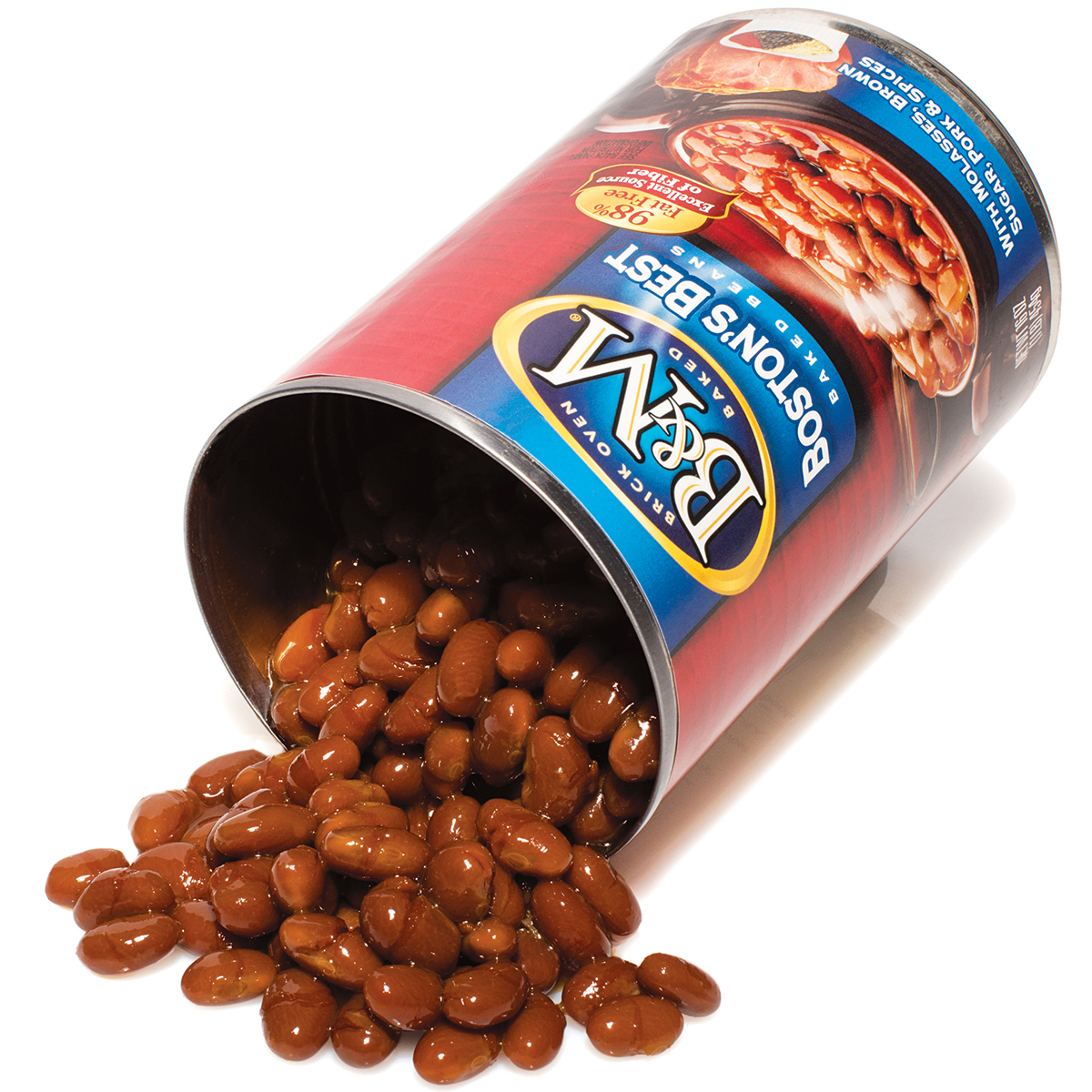
The most direct explanation for Boston’s “Beantown” moniker undoubtedly points to its iconic dish: Boston Baked Beans. This isn’t just any side dish; it’s a slow-cooked, savory, and sweet concoction that has been a staple in New England for centuries. The preparation involves small white navy beans, molasses, salt pork or bacon, and sometimes brown sugar or maple syrup, all simmered for hours in a ceramic bean pot. The result is a deeply flavorful, caramelized dish that is both comforting and distinctly regional.
But why did this particular bean dish achieve such prominence in Boston compared to other cities? The answer is multifaceted, touching upon practicality, trade, and cultural habits that solidified the dish’s place in local lore and stomachs.

A Deep Dive into Boston Baked Beans: More Than Just a Dish
Boston Baked Beans are more than just food; they represent a convergence of historical circumstances and culinary ingenuity. In colonial times, Saturday night was traditionally “bean night” in New England. This tradition had practical roots. Baking beans for a long duration in a brick oven meant that families could prepare a substantial, nutritious meal that would last through Sunday. Since religious observance often prohibited cooking on the Sabbath, having a hearty, pre-prepared meal like baked beans was incredibly convenient. The beans were often left in the oven overnight, slowly cooking to perfection, ready to be served hot or cold.
The choice of ingredients also tells a story. The small white navy beans (also known as haricot beans) were readily available and inexpensive. Crucially, Boston was a major hub for the molasses trade, a byproduct of the booming sugar industry in the West Indies. Ships carrying sugar from the Caribbean would arrive in Boston, bringing with them vast quantities of molasses. This cheap, abundant sweetener became a defining ingredient, giving Boston Baked Beans their distinctive dark color and sweet-and-savory profile. The addition of salt pork provided fat and a rich, salty counterpoint, making the dish a complete and satisfying meal for hardworking colonists.
From Colonial Tables to Modern Menus: The Evolution of a Staple
While the original recipe and tradition remain strong, Boston Baked Beans have naturally evolved. Today, you might find variations that incorporate different types of beans, alternative sweeteners, or even vegetarian options without salt pork. However, the essence of the dish—slow-cooked, deeply flavored, and comforting—persists. Many traditional Boston restaurants and diners still proudly feature baked beans on their menus, often alongside brown bread and hot dogs, perpetuating the classic New England “bean supper.”
The dish’s legacy extends beyond home cooking and local eateries. It has become a symbol of Boston’s culinary identity, recognized across the United States and even internationally. For visitors keen on experiencing local culture, sampling authentic Boston Baked Beans is a must-do activity, akin to enjoying clam chowder or a lobster roll. This enduring popularity ensures that the link between beans and Boston remains strong, a flavorful thread connecting the past to the present.
Tracing the Historical Roots of “Beantown”
The journey from a popular colonial dish to a citywide nickname is fascinating, reflecting the economic and social fabric of early Boston. The moniker didn’t appear overnight; rather, it gradually seeped into the public consciousness, solidified by decades of association and a touch of affectionate jest.
Puritan Pragmatism and the Molasses Trade
The Puritans, who settled Boston in the 17th century, were known for their practical and frugal approach to life. Beans fit perfectly into this ethos: they were cheap, nutritious, easy to store, and could be prepared in a way that conserved fuel and respected religious observances. The “Saturday night bean supper” tradition, mentioned earlier, was a direct outcome of this pragmatic lifestyle. By cooking beans slowly overnight, families could have a hot, hearty meal without violating the Sabbath’s no-work rule.
The role of the molasses trade was equally critical. As a bustling port city, Boston became a central hub in the infamous Triangular Trade route. Ships would carry rum from New England to Africa, enslaved people from Africa to the West Indies, and molasses from the West Indies back to New England to be distilled into rum. This constant influx of molasses made it an incredibly inexpensive and readily available sweetener in Boston, solidifying its place in the baked bean recipe. This economic reality deeply intertwined the city’s identity with the bean dish, making it a ubiquitous part of daily life for generations.
A Nickname Takes Hold: How Beantown Became Iconic
While Boston Baked Beans were popular from colonial times, the nickname “Beantown” itself didn’t become widespread until much later, primarily in the late 19th and early 20th centuries. It’s believed that the nickname gained traction as a somewhat playful, even teasing, reference from outsiders. As Boston’s reputation for its signature bean dish grew, other Americans began to affectionately (or perhaps mockingly) refer to the city as “Beantown.”
Initially, some Bostonians may have even resented the name, viewing it as unsophisticated or derogatory. After all, Boston saw itself as a center of intellect, commerce, and revolutionary spirit, not just a city defined by a humble legume. However, over time, the nickname lost any negative connotations and became a beloved, quirky part of the city’s branding. It’s now embraced by locals and often used in promotional material for tourism, reflecting a sense of pride in its unique culinary heritage. Today, “Beantown” serves as a delightful shorthand for a city rich in history, innovation, and, yes, delicious baked beans.
Experiencing Beantown Today: Travel, Culture, and Culinary Delights
For anyone planning to visit this incredible city, understanding the “Beantown” story adds a delightful layer to the travel experience. Boston is a vibrant metropolis where historical landmarks stand shoulder-to-shoulder with modern skyscrapers, and traditional dishes are savored alongside cutting-edge cuisine. Embracing its Beantown identity means diving into a culture that values both its past and its present.
Must-Try Beantown Dishes and Where to Find Them
No trip to Boston is complete without sampling its namesake dish. While many restaurants offer their version, seeking out establishments known for their traditional New England fare will yield the most authentic experience. Look for diners, local pubs, or historic restaurants that pride themselves on their classic Boston Baked Beans, often served in charming ceramic bean pots. Pair them with a slice of traditional brown bread (a dense, slightly sweet bread often steamed) for the full effect.
Beyond the beans, Boston’s culinary scene is a feast for the senses. Indulge in fresh seafood, especially clam chowder, lobster rolls, and oysters, available at famous spots like Union Oyster House, America’s oldest continuously operating restaurant. Explore the North End, Boston’s vibrant Little Italy, for unparalleled Italian pastries, pasta, and espresso. For a quick and varied bite, Quincy Market at Faneuil Hall Marketplace offers an array of local and international foods. Each culinary stop is an opportunity to connect with the city’s local culture and vibrant lifestyle.
Beyond the Beans: Exploring Boston’s Rich Heritage and Attractions
While the Beantown moniker highlights a specific culinary tradition, Boston’s allure extends far beyond its bean pots. The city is a treasure trove of landmarks and historical sites that shaped the United States.
- The Freedom Trail: A 2.5-mile red-lined path connects 16 historically significant sites, including the Paul Revere House, Old North Church, Faneuil Hall, and the site of the Boston Massacre. Walking this trail is like stepping back in time to the dawn of the American Revolution.
- Boston Common and Public Garden: These central green spaces offer a peaceful retreat. The Boston Common is America’s oldest park, while the Public Garden is famous for its elegant swan boats and vibrant floral displays.
- Museums and Culture: From the world-class collections at the Museum of Fine Arts and the unique ambiance of the Isabella Stewart Gardner Museum to the interactive exhibits at the Boston Tea Party Ships & Museum, Boston offers a rich tapestry of cultural experiences.
- Sports and Entertainment: Catch a Red Sox game at historic Fenway Park, one of the oldest baseball stadiums in America, or enjoy a show in the Theatre District.
- Beacon Hill: Wander through the picturesque cobblestone streets of Beacon Hill, known for its charming federal-style rowhouses, gas lamps, and boutique shops.
Exploring these attractions offers a comprehensive glimpse into why Boston remains one of the United States’ most compelling and historically significant cities.
Planning Your Beantown Escape: Accommodation and Lifestyle Tips
For travelers eager to immerse themselves in all that Beantown has to offer, careful planning is key. When considering accommodation, Boston presents a diverse range of options, from luxurious hotels to charming boutique inns and convenient vacation rentals. For those seeking a luxury travel experience, hotels like the Four Seasons Hotel Boston or The Langham Boston offer unparalleled service and amenities, often located near key attractions like the Public Garden or Financial District. If you prefer a more local feel or are planning a long-term stay, exploring apartments or villas through various booking platforms can provide a comfortable home away from home, with plenty of opportunities to live like a local.
Budget travel options are also plentiful, with various hostels and more affordably priced hotels providing excellent value. Regardless of your lifestyle preferences or budget, it’s advisable to book your accommodation in advance, especially during peak seasons like fall foliage or major university events.
Public transportation in Boston is excellent, making it easy to navigate the city without a car. The “T” (as the subway system is known) connects all major neighborhoods and attractions. For a unique perspective, consider a river cruise on the Charles River or a scenic walk along its banks.
Embracing the local culture of “Beantown” means more than just eating beans; it means appreciating the city’s rich narrative, from its revolutionary past to its vibrant present. It means understanding how simple, practical choices in colonial times shaped not just a culinary tradition, but an enduring nickname that continues to define a great American city. So, when you visit Boston, remember to savor not just the flavors, but also the stories that make it uniquely Beantown.
LifeOutOfTheBox is a participant in the Amazon Services LLC Associates Program, an affiliate advertising program designed to provide a means for sites to earn advertising fees by advertising and linking to Amazon.com. Amazon, the Amazon logo, AmazonSupply, and the AmazonSupply logo are trademarks of Amazon.com, Inc. or its affiliates. As an Amazon Associate we earn affiliate commissions from qualifying purchases.