
The iconic song “Hotel California” by The Eagles has captivated listeners for decades, a masterpiece of lyrical mystery and haunting melody. Far from being a simple narrative about a transient stay, this track from the 1976 album of the same name delves into profound themes that resonate deeply with anyone who has ever embarked on a journey, sought an experience, or pursued a certain lifestyle. For travelers, hoteliers, and those fascinated by the allure of destinations and unique accommodations, the song offers a complex tapestry of meaning, exploring the dark side of the American Dream, the seductive yet perilous nature of excess, and the often-illusory glamour of destinations like Los Angeles and Hollywood.

At its core, “Hotel California” can be interpreted as a cautionary tale masquerading as a luxurious travelogue. It invites the listener into a world where the promise of paradise conceals a chilling reality, a sentiment that can often echo in the experiences of those exploring new cultures or seeking dream vacations. Through its vivid imagery of a weary traveler, a mysterious hotel, and its enigmatic inhabitants, the song masterfully explores concepts of spiritual and cultural entrapment, making it an endlessly fascinating subject for discussion, especially when viewed through the lens of modern travel, hospitality, and lifestyle choices.
The Lure of a Californian Dream: A Traveler’s Perspective
The song opens with a classic travel scenario: a weary traveler, driving through the desert at night, spots a “flickering light” and feels a sudden pull. This initial setup immediately draws parallels with the modern traveler’s quest for an extraordinary destination, a unique hotel experience, or an escape from the mundane. The desert setting, specifically evoked as “dark desert highway, wind in my hair,” points towards the vast, often lonely expanses of Southern California, a journey many undertake seeking new beginnings or adventures.
Arriving in the Golden State: Initial Impressions
The initial verses paint a picture of allure and immediate gratification that many luxury travelers seek. The “warm smell of colitas, rising up through the air” and the “up ahead in the distance I saw a shimmering light” evoke a sense of exoticism and promise. This isn’t just any roadside motel; it’s a beacon in the darkness, hinting at an exceptional accommodation experience. The traveler is “tired and weary,” a universal feeling after a long journey, making the prospect of a welcoming haven incredibly appealing. The line “my head grew heavy and my sight grew dim, I had to stop for the night” perfectly captures the vulnerability and desire for comfort that drives many to seek out the perfect hotel.
When the traveler finally arrives at the “Hotel California,” the description shifts from mere fatigue to an almost dreamlike state. The “mission bell was ringing,” adding a touch of old-world charm and historical resonance, often a draw for tourists interested in local architecture and history. The beautiful woman who greets him, showing him the way, is the quintessential embodiment of bespoke hospitality – personalized service designed to make a guest feel instantly at ease and special. This initial encounter is crucial, as it sets the tone for a stay that promises unparalleled luxury and a seamless experience. It taps into the aspirational lifestyle often associated with high-end resorts and exclusive destinations.
The Enigmatic Hotel: A Luxurious Trap?
The description of the hotel itself is opulent and alluring, yet subtly disquieting. “Plenty of room at the Hotel California, any time of year, you can find it here” suggests an abundance of luxury suites and the kind of open-door policy that sounds welcoming but can also hint at a lack of exclusivity, or perhaps something more unsettling. The champagne and the “sweet summer sweat” on the walls create an atmosphere of decadence and sensual indulgence, the kind often marketed by high-end resorts promising an unforgettable, perhaps even hedonistic, experience.
However, beneath this veneer of luxury, an unsettling current begins to flow. The “lovely, dark-haired lady” is beautiful, but her words become increasingly ambiguous. Her phrase, “We haven’t had that spirit here since nineteen sixty-nine,” is often interpreted as a reference to a loss of innocence or the corruption of ideals in Los Angeles following the optimistic 1960s. For a guest checking into a resort, this might be a subtle indicator that the “spirit” of the place has changed, perhaps becoming more commercial or artificial, losing its authentic charm.
The transition from a welcoming stay to a sense of unease is gradual. The “mirrors on the ceiling, the pink champagne on ice” initially describe lavish amenities that define a luxury lifestyle, yet they soon contribute to an atmosphere of excess and superficiality. The “howling” in the distance, though attributed to the “master’s call,” adds a gothic, almost supernatural element, transforming the luxurious accommodation into something more sinister. This plays into the traveler’s fear of the unknown, the dark side of an otherwise perfect destination. The “beautiful boys and girls” are not just fellow guests; they are caught in a “self-made prison,” dancing “to remember what they’d forgotten,” hinting at a deeper malaise beneath the glamorous surface. This suggests that even in the most exquisite settings, one can find a lifestyle that is ultimately unfulfilling or even entrapping.
Decoding the Lyrics: Beyond a Mere Hotel Stay
While the song’s narrative surface is about a hotel, its true genius lies in its multi-layered metaphorical interpretations. Don Henley, one of the primary lyricists, along with Glenn Frey and Don Felder, has often spoken about the song being a commentary on the excesses of the music industry and the darker side of the California lifestyle.
A Metaphor for the Music Industry and Decadence
One of the most widely accepted interpretations is that the “Hotel California” symbolizes the corrupting influence of the music industry and the opulent, yet ultimately empty, lifestyle of Los Angeles in the 1970s. The industry was known for its glittering promises of fame and fortune, luring aspiring artists with the promise of a dream, only to trap them in a cycle of indulgence and spiritual decay.
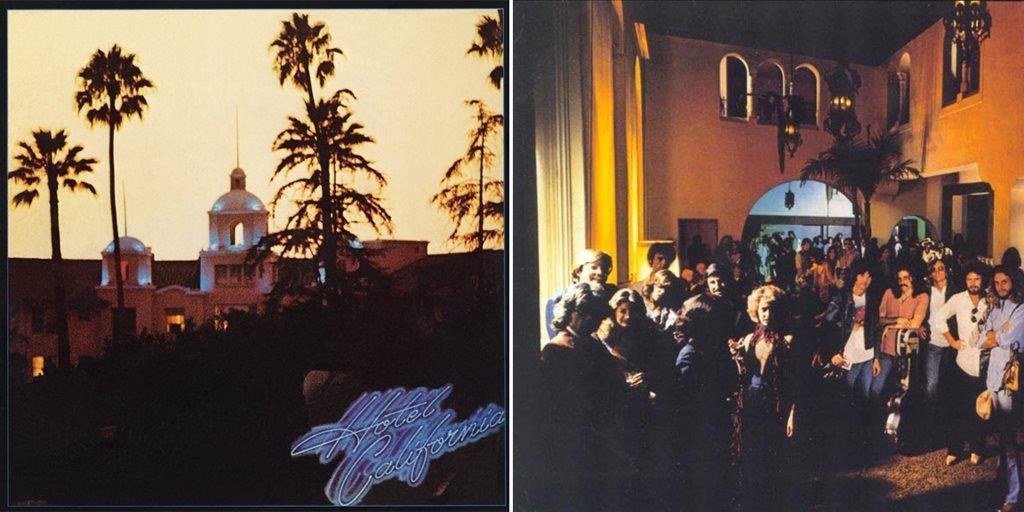
The hotel itself becomes a stand-in for the industry’s intoxicating environment. The “colitas” (often interpreted as marijuana) and champagne signify the pervasive drug culture and lavish parties. The “beautiful boys and girls” are the aspiring musicians, actors, and hangers-on, seduced by the glamour but ultimately unable to escape its clutches. The line “some dance to remember, some dance to forget” perfectly encapsulates the escapism and perhaps the regret that came with such a lifestyle. This connects deeply with the “Lifestyle” aspect of our website, examining how the pursuit of luxury and fame can lead to unforeseen consequences, turning a dream destination into a gilded cage.
The “master of the house” could be seen as a record label executive or the overarching system of the music industry itself, orchestrating the lives of those within its walls. The “feast” they prepare, but “they just can’t kill the beast,” highlights the insatiable nature of addiction or the destructive cycles inherent in such an industry. This isn’t just a commentary on rock ‘n’ roll; it’s a broader look at the dark side of any industry that preys on dreams and aspirations, trapping individuals in a cycle of dependence and illusion, much like a traveler who becomes overly reliant on the comforts of a luxurious, yet isolated, resort.
Echoes of the American Dream’s Dark Underbelly
Beyond the music industry, “Hotel California” also serves as a powerful critique of the darker aspects of the American Dream and the pursuit of material success. California, historically, has been the ultimate symbol of this dream – the land of opportunity, sunshine, and endless possibilities. From the Gold Rush to Hollywood stardom, it has beckoned people seeking fortune and reinvention.
However, the song suggests that this dream often comes with a hefty price, morphing into a nightmare of excess, superficiality, and spiritual emptiness. The “warm smell of colitas” and the decadent amenities represent the material gains, but the underlying sense of entrapment and despair points to the spiritual cost. The people in the hotel are not truly happy; they are “prisoners of their own device,” caught in a self-made luxurious trap. This theme resonates with contemporary concerns about the sustainability of certain lifestyles, the true cost of luxury travel, and the often-disappointing reality behind heavily marketed “dream” destinations.
The lyrics touch upon the idea that once you step into this world, whether it’s the music scene, the pursuit of immense wealth, or a lifestyle dictated by consumerism, it’s incredibly difficult to leave. “You can check out any time you like, but you can never leave” is the song’s most famous and chilling line, perfectly encapsulating this idea of inescapable spiritual or psychological bondage. It’s a profound statement on the addictive nature of certain lifestyles and the difficulty of escaping the expectations or consequences once one has indulged in a certain level of luxury or excess. For those considering long-term stays or immersive travel experiences, it’s a reminder to be mindful of what one seeks and what one might be leaving behind.
“You Can Check Out Any Time You Like, But You Can Never Leave”: The Legacy of Entrapment
The enduring power of “Hotel California” lies not just in its musicality but in its profound, multifaceted message. It has become a landmark in popular culture, a fictional place that feels as real and as significant as any historical site. Its themes of allure, entrapment, and the dark side of paradise continue to resonate, offering both a captivating story for casual listeners and a rich tapestry for deeper analysis.
The Unforgettable Landmark of Popular Culture
While the “Hotel California” is not a physical landmark like the Eiffel Tower or the Pyramids of Giza, it has achieved an iconic status as a cultural landmark. Its name alone conjures images and emotions, serving as a shorthand for stories of allure, deception, and inescapable situations. Much like a famous monument draws visitors, the song continues to draw listeners who seek to unravel its mysteries. It has inspired countless discussions, essays, and even artistic interpretations, cementing its place as a cornerstone of rock history and a significant commentary on modern society.
The song’s structure, moving from a road trip through the desert to a confined, luxurious space, mirrors many travel narratives. The anticipation of arriving at a grand resort, the initial satisfaction with the amenities and service, followed by a growing unease or discovery of a hidden truth, is a powerful story arc that transcends simple entertainment. It encourages listeners to think critically about the places they visit, the accommodations they choose, and the experiences they seek, transforming the concept of a “hotel” into a symbol for any place that promises paradise but delivers something more complex.
The imagery, from the “pink champagne on ice” to the “steely knives” they use “to stab it with their steely knives, but they just can’t kill the beast,” is so vivid that it creates a mental blueprint of this fictional destination. This makes the “Hotel California” a powerful example of how art can create a “place” that holds more meaning and resonance than many real-world landmarks, becoming a touchstone for discussions on lifestyle, tourism, and even the human condition.

A Cautionary Tale for Travelers and Life-Seekers
Ultimately, “Hotel California” serves as a profound cautionary tale. For the discerning traveler, it’s a reminder that not all that glitters is gold. A five-star resort might offer unparalleled luxury, but one must always be aware of the underlying culture, the true cost, and whether the experience genuinely aligns with one’s values. The song subtly warns against becoming too comfortable in a gilded cage, whether it’s a luxurious suite that isolates you from authentic local culture or a lifestyle that drains your spirit while feeding your material desires.
In the context of modern tourism and accommodation, the song encourages a deeper reflection on what constitutes a truly fulfilling travel experience. Is it simply about booking the most luxurious suite or visiting the most famous landmarks? Or is it about authentic engagement, self-awareness, and the ability to distinguish between genuine joy and superficial indulgence? The “Hotel California” experience highlights the difference between checking into a place and truly connecting with it, or perhaps, realizing that sometimes the most beautiful places can be the most dangerous for the soul.
For anyone seeking a specific lifestyle, whether it’s luxury travel, immersion in a vibrant but potentially corrupting industry, or the pursuit of the American Dream, the song offers a poignant warning: be mindful of the cost of admission and the potential difficulty of departure. It challenges us to reflect on our choices, the environments we immerse ourselves in, and the true meaning of freedom versus entrapment, even when that entrapment is cloaked in the most alluring and comfortable of forms. “Hotel California” by The Eagles remains an enduring masterpiece, not just a song, but a philosophical journey through the complexities of human desire, destination, and destiny.
LifeOutOfTheBox is a participant in the Amazon Services LLC Associates Program, an affiliate advertising program designed to provide a means for sites to earn advertising fees by advertising and linking to Amazon.com. Amazon, the Amazon logo, AmazonSupply, and the AmazonSupply logo are trademarks of Amazon.com, Inc. or its affiliates. As an Amazon Associate we earn affiliate commissions from qualifying purchases.