
Understanding the financial landscape of any destination is a crucial part of planning, whether you’re considering a brief visit, an extended stay, or even a move. For those drawn to the sun-kissed shores, vibrant cities, and breathtaking natural wonders of California, a key piece of this financial puzzle is the state’s income tax rate. While the thought of taxes might seem far removed from the allure of exploring Hollywood or wine tasting in Napa Valley, it significantly influences everything from your daily budget and accommodation choices to long-term lifestyle decisions within the Golden State.
California is renowned for its innovative spirit, stunning landmarks, and diverse cultural experiences. It’s a place where luxury travel can meet budget-friendly adventures, and where business opportunities often intertwine with unparalleled leisure. However, beneath the surface of this glittering appeal lies a complex tax structure that directly impacts residents and, in some cases, even visitors who earn income within the state. Knowing the state income tax rates isn’t just about compliance; it’s about smart financial planning that allows you to maximize your experiences, whether you’re dreaming of a suite at the Beverly Wilshire A Four Seasons Hotel or a cozy apartment rental in San Diego. This comprehensive guide will break down California’s income tax rates, explain their implications for various scenarios, and help you navigate the financial aspects of living or extensively traveling in one of the world’s most desired destinations.
Understanding California’s Tax Landscape for Travelers and Residents
California operates with one of the most progressive income tax systems in the United States. This means that individuals with higher taxable incomes pay a larger percentage of their income in state taxes. This approach is designed to fund the state’s extensive public services, infrastructure, and environmental initiatives, all of which contribute to the quality of life and tourism experiences that draw millions to California each year. For anyone considering an extended stay, remote work, or even just calculating their travel budget, grasping this fundamental structure is paramount.
The Basics: California’s Progressive Income Tax System
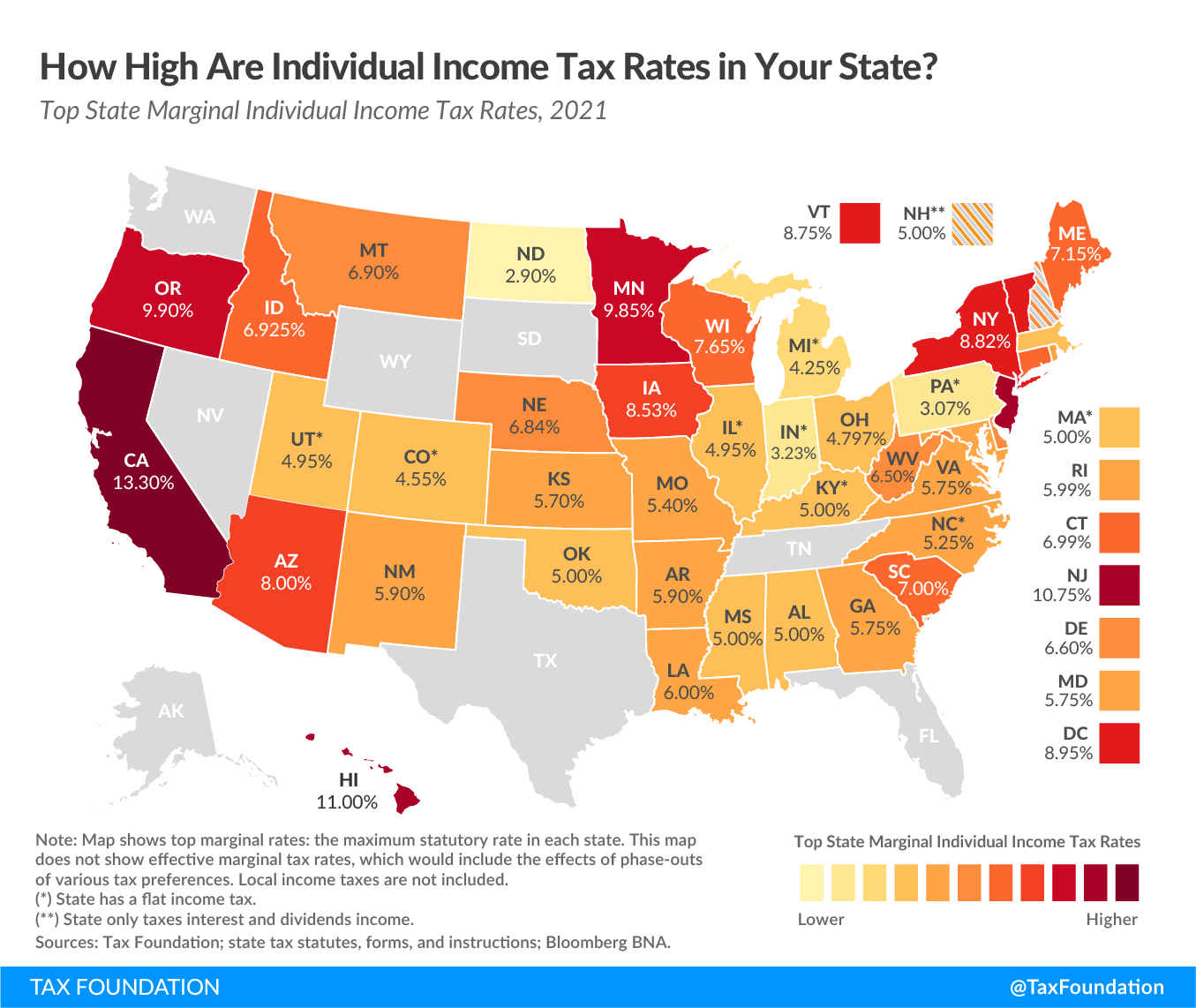
California’s state income tax system features multiple tax brackets, with rates ranging from a low percentage for the lowest earners to a significantly higher percentage for the highest earners. As of recent tax years, these rates typically start around 1% and can climb as high as 12.3% for ordinary income, with an additional 1% surcharge (Mental Health Services Tax) for taxable incomes over $1 million, effectively pushing the top marginal rate to 13.3%. These rates apply to taxable income, which is your gross income minus any deductions and exemptions you are eligible for.
It’s important to note that these brackets and rates are adjusted annually for inflation, so the exact figures can vary slightly from year to year. For example, a single filer earning $50,000 might fall into a bracket with a mid-range marginal tax rate, while a couple filing jointly with a combined income of $500,000 would find themselves in a much higher bracket, with a substantial portion of their income taxed at a higher rate. This progressive system means that the first dollars you earn are taxed at the lowest rate, and only income above certain thresholds is subject to the higher rates. This structure is a cornerstone of California’s economic policy and has a direct bearing on the cost of living and doing business in the state.
How State Income Tax Impacts Your California Experience
The impact of California’s state income tax rates extends far beyond just filing your annual return; it permeates various aspects of your lifestyle and travel planning. For residents, it directly affects their disposable income, influencing their ability to indulge in luxury travel experiences like stays at the Waldorf Astoria Beverly Hills or frequent dining at Michelin-starred restaurants in San Francisco. It also plays a role in major financial decisions such as purchasing property or investing in local businesses, both of which are integral to the economic vibrancy of popular cities like Los Angeles and Palo Alto.
For travelers, especially those considering an extended stay or working remotely from a California location, understanding these rates is crucial. If you establish residency or earn income within the state for a significant period, you could become subject to California income tax. This can shift a budget travel plan into a mid-range one or impact your ability to afford certain attractions and experiences. For business travelers, the tax implications on consulting fees or project-based income earned while physically present in California need careful consideration to avoid unexpected financial surprises. Ultimately, the state income tax rate shapes the overall financial environment, influencing everything from the pricing of local amenities to the funding available for public parks and tourist infrastructure, making it an undeniable factor in your California experience.
Navigating Financial Considerations for a California Lifestyle
Beyond the straightforward tax rates, a deeper dive into financial planning for a California lifestyle involves understanding residency rules and the myriad of other costs associated with living or traveling extensively in the state. California is known for its higher cost of living, which, when combined with its tax structure, necessitates careful budgeting and financial acumen for anyone looking to truly enjoy its offerings, from the serene beaches of Malibu to the bustling streets around the Golden Gate Bridge.
Residency vs. Non-Residency: What Travelers Need to Know
One of the most critical distinctions in California income tax law is between a “resident” and a “non-resident” or “part-year resident.” Generally, if you are in California for other than a temporary or transitory purpose, you are considered a resident. This usually involves factors like where you vote, where your family lives, where your driver’s license is issued, and how long you are physically present in the state. Even if you maintain a home elsewhere, you could still be considered a California resident if your ties to the state are significant enough.
For travelers, particularly digital nomads, remote workers, or those contemplating long-term stays (e.g., spending several months in a rental apartment in Santa Monica or Laguna Beach), understanding these residency rules is vital. Non-residents are generally only taxed on income derived from California sources, such as income from a job performed in the state, rental income from California property, or business income from a California source. However, if you cross the line into residency, you will be taxed on all your income, regardless of where it was earned. This means your global income could be subject to California’s high-end progressive tax rates, a significant factor for individuals contemplating an extended accommodation booking or a temporary relocation for work. Always consult with a tax professional if you are unsure about your residency status, especially for stays exceeding a few weeks.
Beyond Income Tax: Other Financial Factors in California
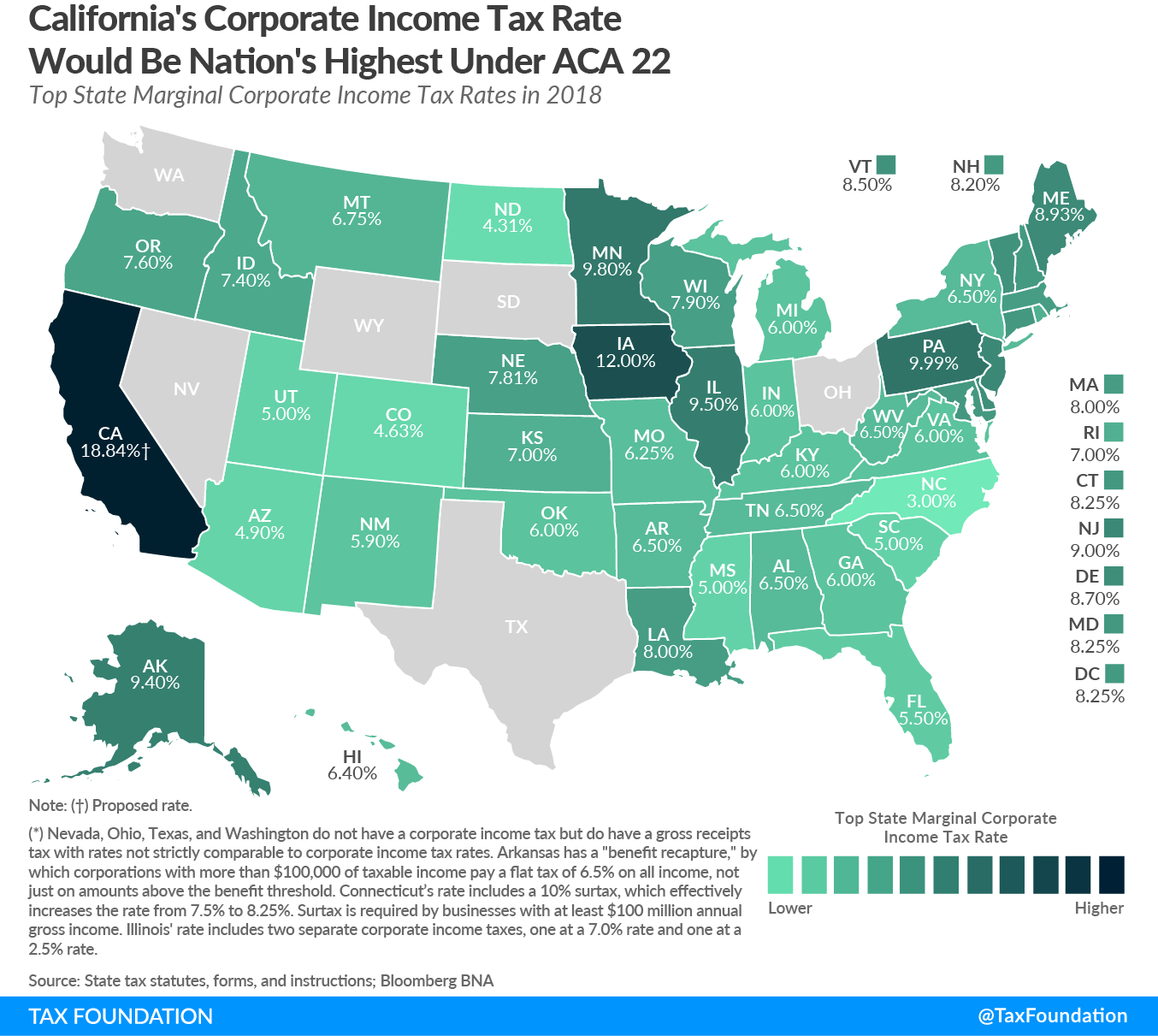
While state income tax is a primary consideration, it’s just one piece of the broader financial picture in California. The state also has a relatively high sales tax, which applies to most goods purchased and services rendered. Combined state and local sales tax rates can often exceed 9% in many areas, significantly impacting your budget for shopping, dining, and even souvenirs from iconic spots like Disneyland Park in Anaheim.
For those considering property ownership or long-term rentals, property taxes can be substantial, especially in desirable locations like Beverly Hills or coastal communities. High housing costs, whether buying or renting an apartment or villa, are perhaps the most significant financial consideration for anyone looking to establish a lifestyle in California. Additionally, the cost of gasoline, utilities, and general consumer goods tend to be higher than the national average, all of which contribute to the overall cost of living. Understanding these cumulative expenses—from the tax on your luxury hotel stay to the daily cost of transportation to Yosemite National Park—is essential for comprehensive financial planning that truly encompasses the California lifestyle.
Planning Your California Adventure: Financial Savvy for Every Journey
Embarking on a California adventure, whether for leisure, business, or a blend of both, requires careful financial planning that goes beyond merely booking flights and hotels. The state’s unique economic environment, influenced by its tax rates and cost of living, means that financial savvy is your best companion for ensuring a rewarding and stress-free journey. From choosing your accommodation to exploring diverse regions, understanding these dynamics allows you to optimize your budget and truly immerse yourself in the local culture and attractions.
Budgeting for Your Dream Trip: Accommodations, Attractions, and More
When crafting your California travel budget, it’s not just the sticker price of a hotel room or an attraction ticket that you need to consider. The broader economic context, partly shaped by the state’s tax revenues, influences everything. For instance, high income tax rates for businesses and residents contribute to higher operating costs for hotels, resorts, and tourism operators, which can then translate into higher prices for visitors. Accommodation, ranging from luxury suites in downtown Los Angeles to boutique hotels in Carmel-by-the-Sea, is often a significant expenditure. Being aware of sales tax on lodging and services, for example, helps you set realistic expectations.
Think about the cost of experiencing landmarks like Alcatraz Island, exploring the vibrant nightlife of West Hollywood, or even a simple meal in Santa Barbara. These expenses, when multiplied over a multi-day or multi-week trip, quickly add up. Travelers looking for budget-friendly options might explore hostels, vacation rentals, or consider booking accommodation during off-peak seasons. On the other hand, those planning a luxury travel experience might factor in concierge services, exclusive tours, and high-end dining, all while being mindful of the impact of local taxes on their final bill. Careful planning ensures your budget aligns with your desired experiences, whether you’re chasing thrills at Universal Studios Hollywood or finding serenity in Big Sur.
Exploring California’s Diverse Regions: Tax Implications and Lifestyle Choices
California’s immense geographical and cultural diversity means that financial considerations can vary significantly from one region to another. While the state income tax rates are uniform across California, the cost of living and, consequently, the discretionary income available to residents can differ dramatically. This, in turn, influences the types of tourism and lifestyle experiences available.
For example, cities like San Francisco, Los Angeles, and San Jose in the Bay Area are known for their high cost of living, driven by expensive housing and a robust economy with high-paying jobs. Residents in these areas, despite potentially higher salaries, face substantial deductions from their income due to the progressive tax structure and high local expenses. This can lead to a lifestyle where even seemingly affluent individuals need to carefully manage their budgets. Conversely, more rural areas or inland cities might offer a lower cost of living, allowing residents to stretch their income further, potentially freeing up funds for more frequent travel or local experiences like exploring national parks.
For visitors, this regional variation impacts everything from hotel prices to the cost of local activities. A trip to the pristine wilderness of Lake Tahoe might involve different budgetary considerations than a week-long stay in downtown Oakland. Understanding these regional nuances allows for more strategic planning, enabling you to tailor your travel itinerary to match both your financial capacity and your desired lifestyle experiences within the Golden State.
The Broader Economic Picture: How Taxes Fund California’s Charms
While often viewed as a burden, taxes, including California’s state income tax, are the lifeblood of public services and infrastructure that make the state such an attractive destination for travelers and a vibrant place to live. The revenue generated fuels the very amenities, natural preservation efforts, and cultural institutions that draw millions worldwide. Understanding this broader economic context can shift perspective, highlighting how these contributions indirectly enhance every visitor’s experience and resident’s quality of life.
Investing in Infrastructure and Tourism
A significant portion of the income tax collected in California is reinvested into the state’s infrastructure. This includes maintaining its vast network of highways and roads that connect iconic destinations from the Redwood National Park to the desert landscapes of Death Valley National Park. Improved roads mean smoother travel for tourists embarking on scenic drives like Highway 1. Furthermore, these funds support public transportation systems in major cities, making it easier for visitors to navigate attractions without a car.
Beyond roads, tax revenues also contribute to the preservation and enhancement of California’s numerous state parks, beaches, and natural landmarks. These funds help maintain trails, visitor centers, and vital conservation efforts that protect the pristine beauty of places like Joshua Tree National Park. The quality of these publicly funded assets directly elevates the tourism experience, providing stunning backdrops for adventures and ensuring that these natural treasures remain accessible and beautiful for future generations of travelers.
Lifestyle and Economic Vibrancy
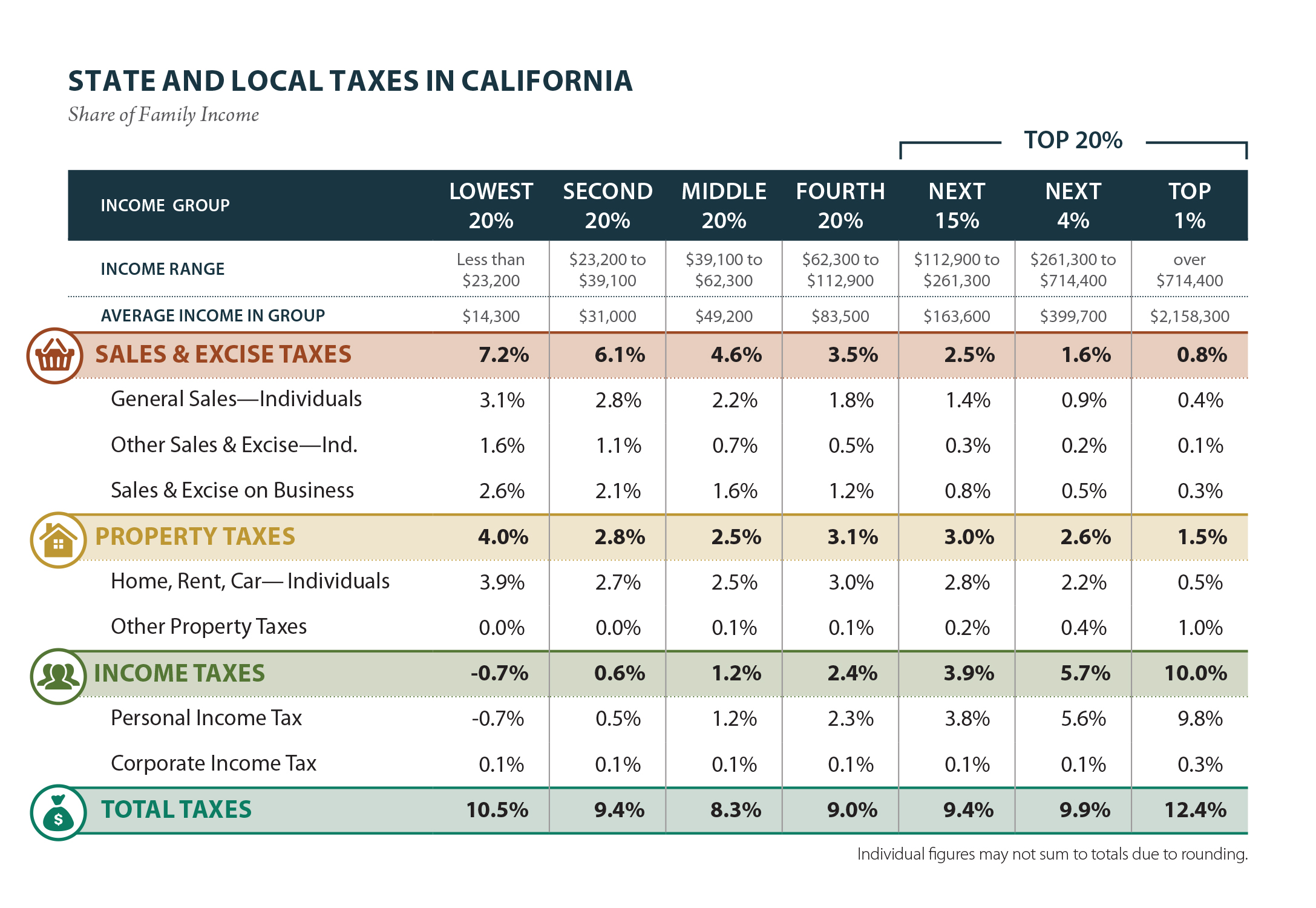
The progressive income tax system also plays a crucial role in funding essential public services that contribute to California’s overall lifestyle and economic vibrancy. This includes world-class public education, healthcare, and public safety – factors that underpin a stable and attractive environment for both residents and visitors. A well-educated workforce, supported by tax revenue, drives innovation and economic growth, particularly in sectors like technology and entertainment that are synonymous with California. This thriving economy, in turn, fosters a dynamic cultural scene, with a plethora of museums, theaters, and events that enrich the tourist experience and provide endless entertainment options.
Moreover, a portion of tax revenue supports social programs that help maintain a certain quality of life for all residents, which indirectly contributes to the safety and appeal of communities. The diverse array of experiences, from the sophisticated art galleries in Palm Springs to the historic missions in San Juan Capistrano, are all part of an ecosystem sustained by these financial contributions. For businesses operating within the state, these services provide a stable environment for growth, further stimulating job creation and economic activity that ultimately benefits the tourism sector. Thus, the state income tax, while a direct cost, is also an investment in the very fabric that makes California a premier destination and a sought-after place to live.
In conclusion, understanding “What Is The State Income Tax Rate In California?” goes far beyond a simple percentage. It’s about recognizing how this fundamental aspect of the state’s financial structure influences everything from your personal budget for a dream vacation to the sustainability of the very attractions that draw you here. Whether you’re planning a brief escape, an extended stay, or contemplating a move, factoring in California’s progressive income tax system and its broader financial landscape will empower you to make informed decisions, ensuring your experiences in the Golden State are as fulfilling and financially sound as possible.
LifeOutOfTheBox is a participant in the Amazon Services LLC Associates Program, an affiliate advertising program designed to provide a means for sites to earn advertising fees by advertising and linking to Amazon.com. Amazon, the Amazon logo, AmazonSupply, and the AmazonSupply logo are trademarks of Amazon.com, Inc. or its affiliates. As an Amazon Associate we earn affiliate commissions from qualifying purchases.