
The question of “What number state was California?” often elicits a simple, numerical answer: California proudly became the 31st state to join the United States of America. However, this seemingly straightforward fact belies a rich, complex, and captivating journey that profoundly shaped not only the Golden State but also the entire nation. California’s path to statehood was intricately woven with tales of discovery, conquest, unparalleled opportunity, and national compromise, ultimately setting the stage for its emergence as a global powerhouse in culture, innovation, and tourism. Understanding California’s 31st position requires delving into the dramatic events of the mid-19th century, events that continue to define its identity and appeal to millions of travelers, adventurers, and dreamers from across the globe.

From its Spanish colonial roots to its brief stint as an independent republic and the transformative discovery of gold, California’s narrative is a testament to its unique spirit. This article will explore the historical backdrop of California’s statehood, detailing the pivotal moments that led to its admission on September 9, 1850. Beyond the history books, we’ll also examine how this momentous event laid the foundation for the vibrant tourism, diverse accommodation options, and iconic landmarks that make California an unparalleled lifestyle destination today.
A Golden Path to Statehood: The 31st Star’s Ascendance
California’s journey to becoming the 31st state was anything but conventional. It was a rapid, often chaotic, and ultimately transformative process driven by geopolitical shifts, individual ambition, and the sheer magnetic pull of extraordinary natural resources.
From Spanish Missions to Mexican Rule
Long before it was part of the United States, California was a distant frontier of the Spanish Empire. Beginning in 1769, Spanish missionaries, soldiers, and settlers established a chain of 21 missions stretching along the coast, from San Diego in the south to Sonoma in the north. These missions, connected by El Camino Real, served as centers for colonization, agriculture, and the conversion of indigenous populations. Today, many of these beautifully preserved missions, such as Mission San Juan Capistrano or Mission Dolores in San Francisco, stand as serene landmarks, offering visitors a tangible link to California’s earliest European history and a profound sense of the region’s cultural heritage. They are popular tourist attractions, drawing those interested in history, architecture, and quiet reflection, often serving as picturesque backdrops for events and a window into the local culture and early lifestyle of the region.
After Mexico gained independence from Spain in 1821, Alta California became a Mexican territory. This period saw the secularization of the missions and the establishment of vast ranchos, laying the groundwork for a distinct Californian identity. However, Mexican rule over this remote and sparsely populated territory was tenuous, and American interest in the region, fueled by the concept of Manifest Destiny, began to intensify. Explorers and trappers like Jedediah Smith and Kit Carson ventured into the territory, paving the way for a growing influx of American settlers who saw California as a land of opportunity, rich in natural beauty and strategic importance.
The Bear Flag Republic and the Mexican-American War
The mid-1840s were a tumultuous time for California. As tensions between the United States and Mexico escalated, American settlers in Alta California, with the tacit support of U.S. Army officers like John C. Frémont, staged the Bear Flag Revolt in June 1846. They declared independence from Mexico and established the short-lived California Republic, hoisting a flag featuring a bear and a star – an emblem that would later inspire the modern state flag. This act of defiance occurred just as the Mexican-American War officially began.
The war concluded with a decisive American victory. Under the Treaty of Guadalupe Hidalgo, signed in February 1848, Mexico ceded vast territories, including California, to the United States. This monumental land acquisition expanded the U.S. by more than a quarter, fulfilling the nation’s westward ambitions and setting the stage for California’s dramatic entry into the Union.
The Call of Gold: A Rush to Destiny
Miraculously, just days before the Treaty of Guadalupe Hidalgo was signed, a discovery was made that would forever alter the course of California’s history and accelerate its path to statehood. On January 24, 1848, James W. Marshall, while working for pioneer John Sutter at a sawmill on the American River near Coloma, discovered flakes of gold. This seemingly small event ignited what would become the California Gold Rush, an unprecedented mass migration that transformed the sparsely populated territory overnight.
News of the gold spread like wildfire, attracting hundreds of thousands of “forty-niners” from across the United States and around the world – Europe, Asia, Australia, and South America. The population surged from approximately 14,000 non-native inhabitants in 1848 to over 100,000 by 1849. This explosive growth brought immense wealth but also created chaos. With a burgeoning, diverse population and no established civil government, the need for law, order, and infrastructure became paramount. Boom towns sprang up almost overnight, many of which are now charming historical sites like Columbia State Historic Park or Old Sacramento State Historic Park, offering immersive experiences into the Gold Rush era. These areas are fantastic travel destinations for those seeking a blend of history and adventure, complete with historic hotels and unique accommodations that evoke the spirit of the past. The Gold Rush was not just about finding riches; it was about building a society, quickly, in a raw and untamed land.
California’s Entry into the Union: A Compromise Forged
The sheer rapidity of California’s population growth and its unique position in the aftermath of the Mexican-American War forced the issue of its statehood onto the national agenda with urgency. However, its admission would become a central point of contention in the already fractured political landscape of the United States.
The Dilemma of Slavery
The most significant hurdle to California’s statehood was the contentious issue of slavery. At the time, the United States was precariously balanced between slave states and free states, with an equal number of each represented in the Senate. The admission of any new state threatened to upset this delicate balance, potentially giving one side a decisive advantage. California’s burgeoning population, overwhelmingly anti-slavery due to the nature of individual gold prospecting (which didn’t favor large-scale slave labor), sought admission as a free state.
This posed a grave challenge to Southern states, who feared a permanent shift in power to the North. The debate over California’s status intensified sectional divisions and pushed the nation closer to civil war.
September 9, 1850: A Date Etched in History
To avert a national crisis, congressional leaders, led by Henry Clay, engineered a series of legislative measures known as the Compromise of 1850. This comprehensive package addressed several points of contention between North and South, including:
- Admitting California as a free state.
- Organizing the territories of New Mexico and Utah with popular sovereignty (allowing residents to decide on slavery).
- Settling the Texas border dispute.
- Abolishing the slave trade in Washington D.C..
- Enacting a stricter Fugitive Slave Law.
After months of intense debate and political maneuvering, the Compromise was passed. As a direct result, on September 9, 1850, President Millard Fillmore signed the bill admitting California as the 31st state of the United States. This act was a pivotal moment, temporarily easing national tensions and cementing California’s place in the Union.
The newly formed state government faced immediate challenges. The capital, initially located in San Jose, moved several times before settling permanently in Sacramento in 1854. Infrastructure was sparse, legal systems rudimentary, and the diverse population, still swelling from the Gold Rush, presented complex social and political dynamics. Yet, from these initial struggles, California began to forge its unique identity as a land of opportunity, innovation, and immense natural beauty.
The Enduring Legacy of the 31st State: A Tapestry of Travel and Innovation
California’s statehood in 1850 was not merely a political formality; it was the genesis of a dynamic entity that would profoundly influence American culture, economy, and global perceptions. The events leading to its admission shaped its geography, its major cities, and its enduring appeal as a top travel and lifestyle destination.
Iconic Landmarks and Cities Born from Statehood
The rapid growth spurred by the Gold Rush and formalized by statehood laid the foundation for California’s iconic urban centers and the preservation of its natural wonders. San Francisco, once a sleepy port, exploded into a bustling metropolis, serving as the gateway to the goldfields. Today, its hills, cable cars, Golden Gate Bridge, Alcatraz Island, and vibrant neighborhoods like Fisherman’s Wharf and Chinatown make it a quintessential global travel destination, offering a unique blend of history, culture, and breathtaking vistas.
Similarly, Los Angeles, though a smaller town during the Gold Rush, experienced significant growth in the post-statehood era, becoming a hub for agriculture, oil, and eventually, the entertainment industry. The Hollywood Sign, Griffith Observatory, Santa Monica Pier, and the sprawling studios and theme parks like Universal Studios Hollywood and Disneyland are all direct or indirect products of California’s post-statehood development and its commitment to innovation and progress. These cities, alongside San Diego with its historic Gaslamp Quarter and Balboa Park, and the state capital of Sacramento with its Gold Rush-era Old Town, represent the vibrant tapestry of California’s urban life.
Beyond its cities, California’s statehood also fostered a growing appreciation and eventual protection of its unparalleled natural landscapes. While Yosemite National Park was established later, its iconic status and that of other natural treasures like Sequoia National Park, Redwood National Park, and the dramatic coastline of Big Sur, owe their preservation and accessibility to the organized governance and burgeoning economy that followed statehood. These natural landmarks draw millions of visitors annually, offering everything from challenging hikes to serene wilderness retreats, underscoring California’s diverse attractions.
California’s Diverse Appeal: A Lifestyle Destination
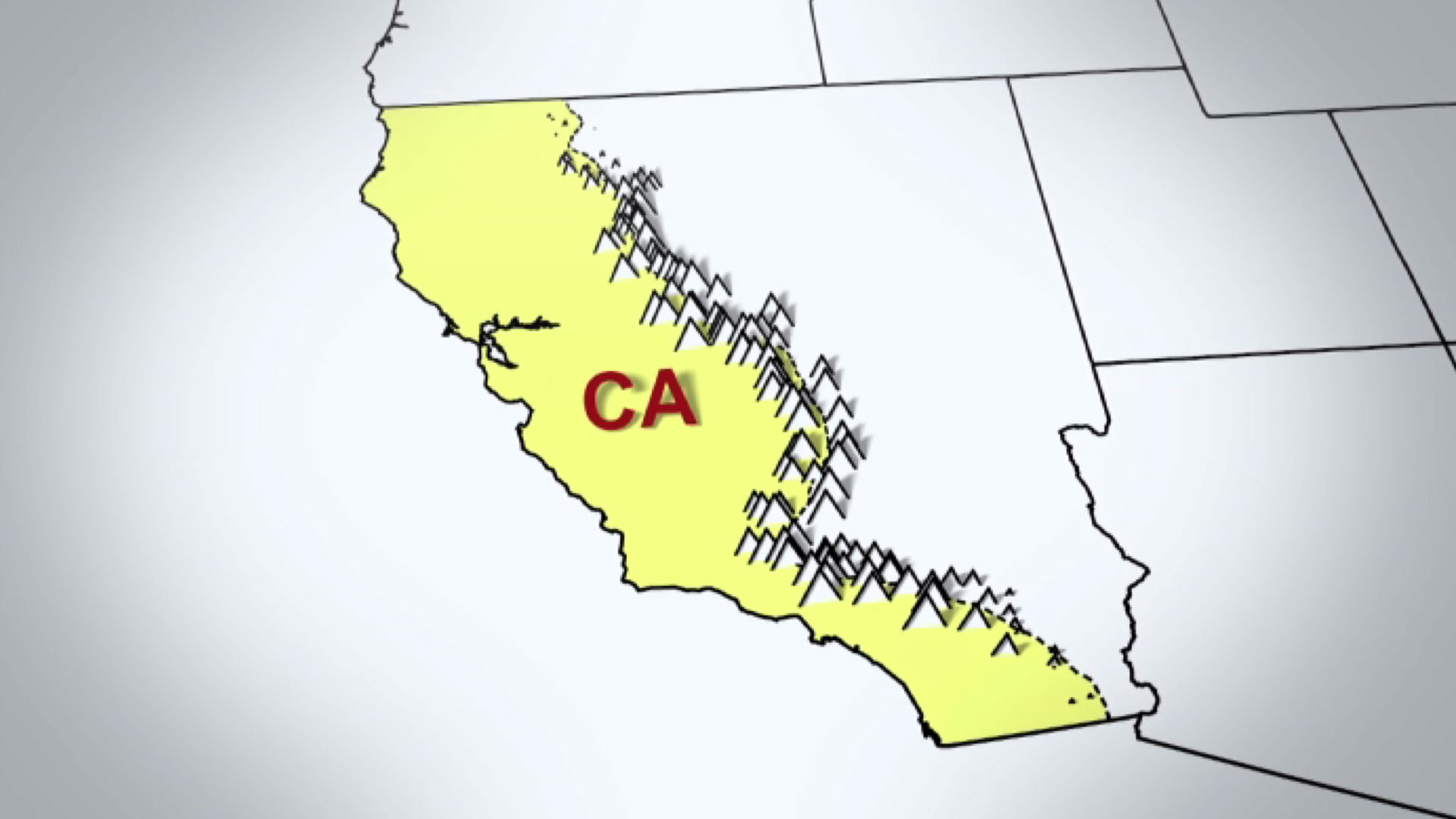
The legacy of being the 31st state is evident in California’s extraordinary diversity, making it a premier lifestyle and travel destination. Its expansive geography, spanning from the scorching deserts of Death Valley National Park and Joshua Tree National Park to the snow-capped peaks of the Sierra Nevada (home to Lake Tahoe) and the sun-drenched beaches of Malibu and Laguna Beach, offers an unparalleled range of experiences.
From luxury travel along the Pacific Coast Highway, staying at world-class resorts in Santa Barbara or Carmel-by-the-Sea, to budget-friendly family trips exploring the state’s numerous state parks and historic sites, California caters to every type of traveler. Its vibrant food scene, fueled by diverse cultures and abundant agricultural produce, offers everything from Michelin-starred dining in Napa Valley to authentic street food in Los Angeles. The state’s innovative spirit, born from the Gold Rush’s entrepreneurial drive, continues today in Silicon Valley, making it a hub for technology and future-forward thinking, attracting business travelers and curious explorers alike.
Accommodation and Experiences in the Golden State
The immense popularity of California as a travel destination has fostered an equally diverse and robust accommodation sector. From historic hotels that harken back to the Gold Rush days in Nevada City or Sonora to ultra-modern, eco-friendly resorts along the coast, there is an option for every preference and budget. Luxury hotels like The Beverly Hills Hotel or unique boutique stays in Palm Springs offer indulgent experiences, while numerous chain hotels, vacation rentals, and campsites provide comfortable and affordable choices for families and solo adventurers.
Tourism in California is a multi-faceted industry, constantly evolving to offer new experiences. Visitors can explore the wine regions of Mendocino and Temecula, surf the legendary waves of Huntington Beach, ski the slopes of Mammoth Mountain, or immerse themselves in the rich history of missions and Gold Rush towns. Each experience is built upon the foundational moments of California’s statehood, connecting the past to the present and showcasing how the rapid development and diverse influx of people after 1850 created a state unparalleled in its offerings. The infrastructure for travel and tourism, from well-maintained highways like Interstate 5 to efficient booking platforms and knowledgeable local guides, ensures that exploring the 31st state is an unforgettable journey.
In conclusion, California’s designation as the 31st state of the United States on September 9, 1850, was the culmination of a dramatic period marked by exploration, conflict, and a literal gold rush. This historical journey not only solidified its place in the Union but also profoundly shaped its identity, transforming it into the vibrant, diverse, and immensely popular travel destination it is today. From its iconic landmarks and world-class cities to its stunning natural landscapes and innovative lifestyle, the Golden State continues to captivate and inspire, a testament to the extraordinary path it took to become the 31st star in the American constellation.
LifeOutOfTheBox is a participant in the Amazon Services LLC Associates Program, an affiliate advertising program designed to provide a means for sites to earn advertising fees by advertising and linking to Amazon.com. Amazon, the Amazon logo, AmazonSupply, and the AmazonSupply logo are trademarks of Amazon.com, Inc. or its affiliates. As an Amazon Associate we earn affiliate commissions from qualifying purchases.