
The golden state of California, renowned for its vibrant cities, breathtaking national parks, and idyllic coastal towns, annually faces a formidable and increasingly devastating adversary: wildfires. These blazes, which have claimed countless homes, disrupted lives, and reshaped vast natural landscapes, are not merely a singular phenomenon but the complex culmination of interconnected factors. From the majestic peaks of the Sierra Nevada to the sun-drenched canyons near Los Angeles and the historic vineyards of Napa Valley, the question of what initiates these infernos is multifaceted, encompassing both the capricious whims of nature and the profound impact of human activity. Understanding these origins is crucial not only for fire prevention but also for safeguarding the unique travel experiences, luxurious resorts, and local cultures that define California’s allure. As travelers plan their adventures and accommodations, being aware of these environmental realities forms an important part of a responsible and informed lifestyle.
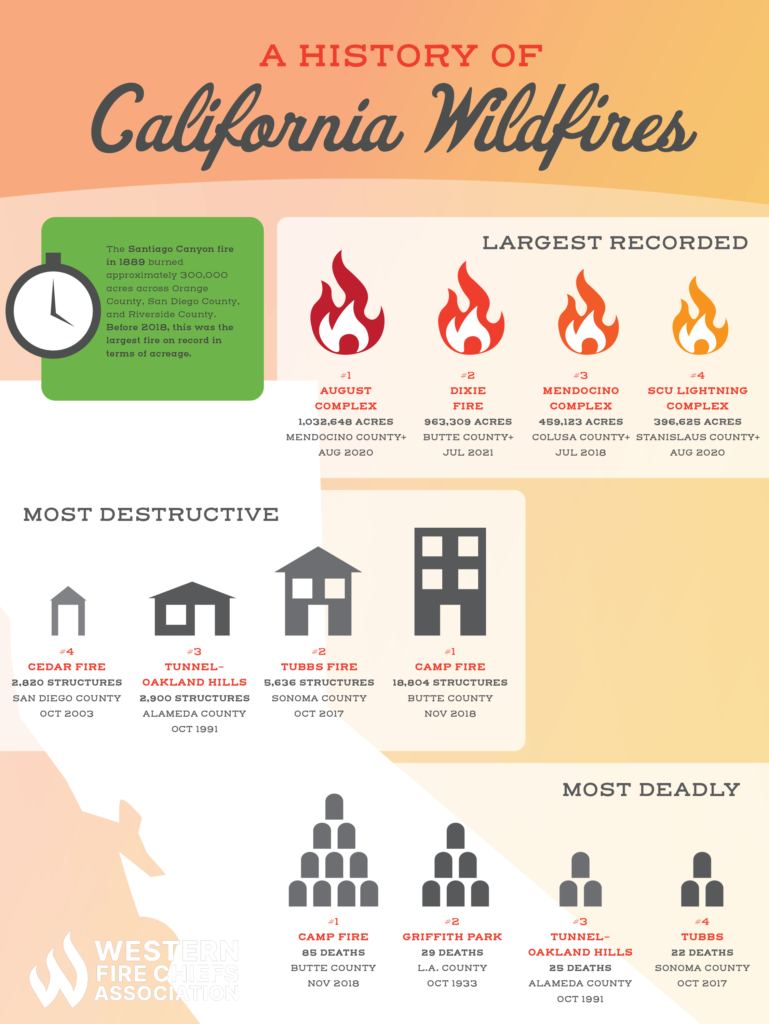
The Dual Nature of Fire: Natural Ignition Sources
While human activity often bears the brunt of the blame, nature itself plays a significant, albeit less frequent, role in igniting California’s destructive wildfires. These natural occurrences are often amplified by broader climatic shifts, creating a landscape ripe for combustion.
Lightning Strikes: A Primary Natural Catalyst
One of nature’s most dramatic forms of ignition comes from lightning. During severe thunderstorms, particularly those characterized by “dry lightning” — where thunder and lightning occur with little to no accompanying rainfall — strikes can directly hit trees, dry brush, or other flammable materials, instantly sparking a fire. These events are especially challenging for firefighters because they often occur in remote, rugged, and difficult-to-access terrain, such as deep within national forests or wilderness areas. By the time these fires are detected, they can already be well-established and rapidly spreading, especially if strong winds are present. Regions like the Sierra Nevada and portions of northern California’s forested areas are particularly susceptible to lightning-induced fires, which can quickly grow into massive blazes, threatening beloved landmarks such as Yosemite National Park and impacting travel routes. The remote nature of these ignitions means they can smolder for days before becoming visible, making early detection a significant hurdle.
Climate Change and its Amplifying Effect
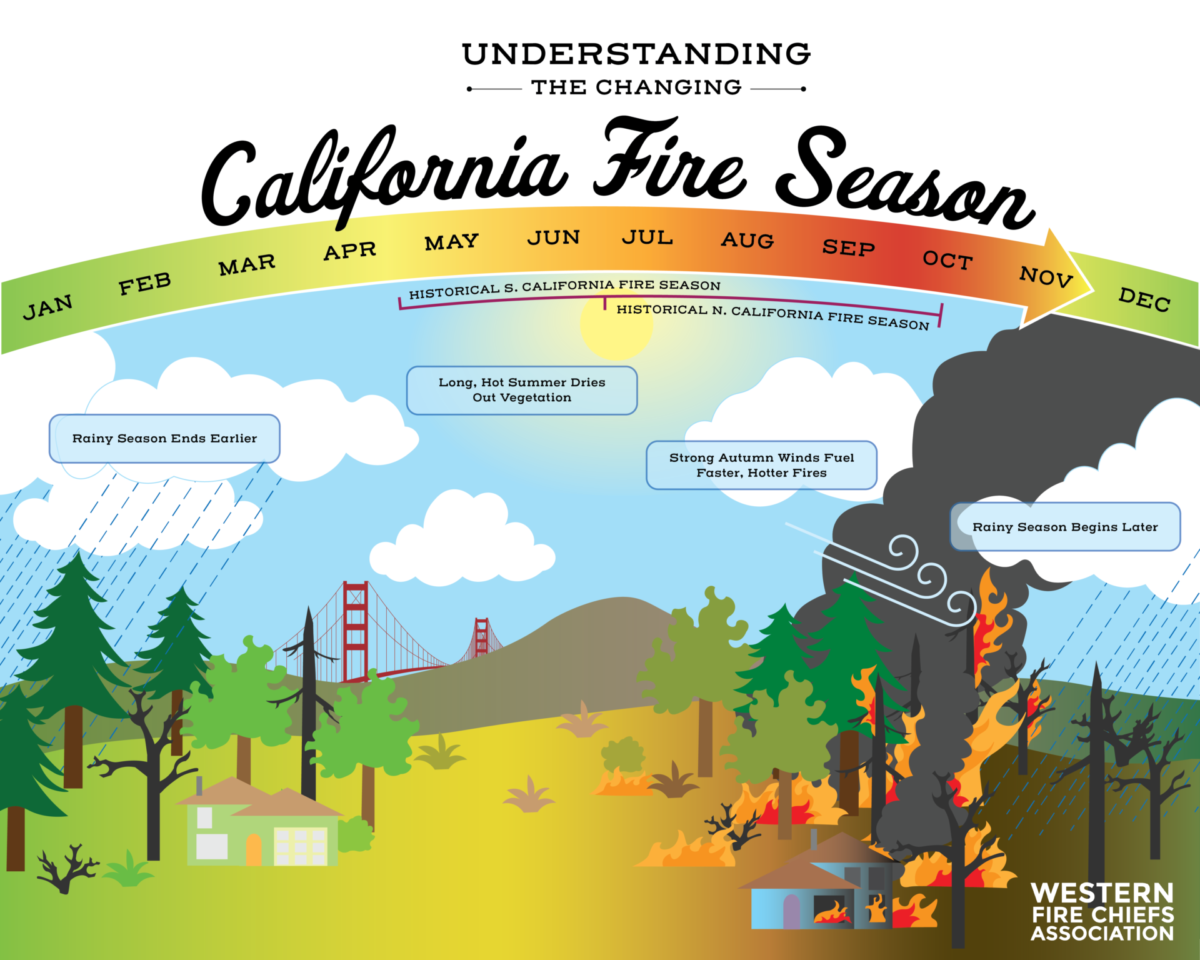
Beyond immediate sparks, climate change acts as a profound background amplifier, transforming California’s environment into a tinderbox. Rising global temperatures contribute to longer and more intense dry seasons, leading to prolonged drought conditions across the state. This sustained lack of rainfall desiccates vegetation — trees, shrubs, and grasses — turning them into highly flammable fuels. The majestic forests that draw countless tourists to California for hiking and camping experiences, as well as the chaparral-covered hills that define much of the landscape, become extraordinarily susceptible to ignition. Furthermore, warmer temperatures reduce snowpack in the mountains, a critical source of water for rivers and reservoirs, exacerbating summer dryness. The fire season itself has dramatically lengthened, extending beyond traditional summer months well into autumn and sometimes even winter. This means that any ignition, whether natural or human-caused, now has a much wider window of opportunity to take hold and spread rapidly and intensely. The changing climate is not just a contributing factor; it’s fundamentally altering the ecological balance, making California inherently more prone to larger, more destructive wildfires, affecting everything from local tourism economies to the long-term viability of certain travel destinations.
Human Hand in the Inferno: Accidental and Intentional Ignitions
Despite the natural origins of some fires, the vast majority of wildfires in California are initiated by human activities, either accidentally or intentionally. These ignitions occur across urban, suburban, and wildland areas, often with devastating consequences for communities, infrastructure, and the environment.
Faulty Infrastructure: The Peril of Power Lines
One of the most significant and often controversial human-caused sources of wildfires in California stems from electrical infrastructure. Aging power lines, transformers, and other utility equipment, especially in areas prone to high winds and overgrown vegetation, can become fire hazards. Downed power lines, often caused by gusting winds or falling tree branches, can spark dry grass or brush. Equipment malfunctions, such as an arc from a transformer or a frayed wire, can also be the point of origin. Utility companies, most notably Pacific Gas and Electric Company (PG&E), have faced immense scrutiny and legal battles for their role in numerous large-scale, destructive fires, including the devastating 2018 Camp Fire, which virtually destroyed the town of Paradise. In response, utilities have implemented Public Safety Power Shutoffs (PSPS) during periods of extreme fire risk, proactively turning off power to millions of customers. While these shutoffs disrupt daily life and tourism, they are a stark reminder of the infrastructure’s vulnerability. Efforts are underway to harden the grid, trim vegetation more aggressively, and even underground power lines, particularly in high-risk zones, to mitigate this pervasive threat, aiming to protect the myriad accommodations and travel experiences that rely on consistent power.
Everyday Actions with Catastrophic Consequences
Beyond utility infrastructure, a broad spectrum of everyday human actions, often unintentional, serve as ignition sources. These incidents highlight the need for constant vigilance and public awareness, especially in a state so popular for outdoor adventures.
- Campfires: While camping is a quintessential California experience, unattended campfires or those improperly extinguished are a leading cause of wildland fires. A single ember catching a dry leaf can quickly escalate into a massive blaze, particularly in popular spots like Lake Tahoe or along the Big Sur coastline, which draw millions of travelers seeking nature-based tourism. Responsible campfire management, including having a water source readily available and ensuring coals are cold to the touch before leaving, is paramount.
- Discarded Cigarettes: A seemingly innocuous flick of a cigarette butt from a car window or during a hike can have catastrophic results. The smoldering embers from a cigarette can ignite dry roadside vegetation, often along busy travel corridors or scenic routes, quickly spreading into surrounding wildlands. This casual disregard has been the cause of numerous fires, impacting travel safety and local environments.
- Vehicle Sparks: Mechanical issues in vehicles can also trigger fires. Sparks from catalytic converters overheating, flat tires scraping rims, or even chains dragging on the asphalt can ignite dry grass along highways. These fires can spread with incredible speed, especially when coupled with strong winds, posing a direct threat to travelers and local communities.
- Agricultural and Debris Burning: While often permitted under controlled conditions, agricultural burns to clear fields or debris burns to manage yard waste can easily escape containment, especially on windy days or when not properly monitored. What starts as a small, controlled fire can swiftly turn into an uncontrolled blaze, impacting rural communities and agricultural tourism areas like those in Sonoma County.
- Sparks from Equipment: Tools used in construction, landscaping, or forestry — such as grinders, welders, mowers, and chainsaws — can produce sparks hot enough to ignite dry vegetation. Even a small spark from a mower hitting a rock can be enough to start a fire in parched conditions. These incidents are particularly common during dry seasons when work continues in residential or wildland-adjacent areas.

The Deliberate Act: Arson
The most insidious human-caused fires are those set intentionally through arson. While difficult to quantify due to the challenges of proving intent, arsonists are responsible for a significant number of fires each year, ranging from small, nuisance blazes to large-scale, destructive infernos. The motivations behind arson vary widely, from pyromania and thrill-seeking to acts of vandalism or even attempts at insurance fraud. Identifying and prosecuting arsonists is a complex and resource-intensive task for law enforcement, as evidence is often consumed by the fire itself. These deliberate acts not only cause immense damage but also strain emergency resources, diverting firefighters from other critical incidents and impacting the safety of communities and tourist areas alike.
Underlying Conditions: Fuel, Wind, and the Wildland-Urban Interface
While ignition sources are the immediate triggers, several underlying environmental and demographic conditions in California significantly amplify the scale and intensity of wildfires, turning small sparks into regional catastrophes.
A Landscape Primed to Burn: Fuel Accumulation
One of the most critical factors contributing to California’s increasingly destructive fires is the overwhelming accumulation of dry vegetation, often referred to as “fuel load.” For over a century, a policy of aggressive fire suppression across the state, while well-intentioned, has paradoxically led to denser, overgrown forests and chaparral. Historically, low-intensity fires would naturally clear out underbrush, dead trees, and fallen leaves, maintaining a healthier, more open forest structure. By preventing these natural cycles, vast quantities of flammable materials have built up, creating a continuous “fuel ladder” that allows ground fires to climb into the tree canopy, resulting in much larger, hotter, and faster-moving crown fires that are virtually impossible to control. Invasive species, like cheatgrass, also contribute to this problem by rapidly growing and drying out, providing additional highly flammable fine fuels. This issue is particularly pronounced in federal and state forests, making iconic travel destinations like Redwood National Park or areas popular for cabin rentals inherently more risky.
The Wind’s Fury: Santa Ana and Diablo Winds
Once a fire starts, its behavior is profoundly influenced by atmospheric conditions, most notably strong winds. California is famous for its unique regional wind patterns that can transform a manageable fire into an unstoppable force. The infamous Santa Ana winds, prevalent in Southern California from late summer through autumn, are hot, dry, downward-sloping winds that originate in the desert. They literally “fan the flames,” pushing fires rapidly across vast distances, often jumping firebreaks and carrying embers far ahead of the main fire front, creating spot fires. Similarly, the Diablo winds affect Northern California, particularly the Bay Area and wine country, with similar devastating effects. These winds strip moisture from vegetation, further drying out the landscape, and make firefighting efforts incredibly dangerous and difficult. Their unpredictable nature and immense power mean that fires can explode in size within hours, threatening major cities like San Francisco and popular tourist destinations, forcing rapid evacuations and disrupting travel plans for thousands.
Expanding Risk: The Wildland-Urban Interface
The concept of the Wildland-Urban Interface (WUI) is central to understanding the escalating impact of California wildfires. The WUI refers to areas where homes and communities are built directly adjacent to, or intermingled with, wildland vegetation prone to burning. As California’s population has grown, more people have sought to live in these picturesque, often rural or semi-rural, settings, leading to an expansion of the WUI. This expansion creates a dangerous nexus:
- Increased Ignition Potential: More homes mean more people, and thus, more potential human ignition sources (e.g., campfires, equipment use, power lines, arson) in fire-prone landscapes.
- Greater Vulnerability: Structures in the WUI are directly exposed to wildfire, making property loss and fatalities more likely. Communities that blend into the natural environment, like those around Lake Tahoe or the many charming towns in Marin County, face significant risks.
- Firefighter Challenges: Protecting homes and evacuating residents in the WUI diverts critical resources from fire suppression efforts, allowing fires to spread more extensively in wildland areas. It transforms wildland firefighting into a complex urban protection operation.
- Economic Impact: The destruction of homes, businesses, and infrastructure in WUI areas has staggering economic costs, impacting local tourism, accommodation providers, and the overall lifestyle of residents.
Mitigating the Blaze: Prevention, Resilience, and the Path Forward
Addressing California’s wildfire crisis requires a multi-pronged approach that combines aggressive prevention strategies, community resilience, and adapting to a changing climate. Proactive measures are essential to safeguard the state’s natural beauty, its iconic landmarks, and its thriving tourism industry.
Prevention efforts include widespread public education campaigns emphasizing fire safety, particularly regarding campfires, vehicle maintenance, and equipment use. Land management strategies, such as controlled burns (prescribed fires) and mechanical thinning of forests, are crucial for reducing fuel loads, mimicking natural fire cycles. Creating “defensible space” around homes in WUI areas – by clearing flammable vegetation, using fire-resistant building materials, and maintaining property – significantly increases a structure’s chances of survival. Technological advancements, like satellite monitoring and AI-powered early detection systems, are improving response times for agencies like the California Department of Forestry and Fire Protection (CAL FIRE).
From a travel and tourism perspective, these measures contribute to safer destinations and more reliable experiences. Investments in fire-resistant infrastructure, improved evacuation routes, and community preparedness plans help ensure that visitors can enjoy California’s diverse attractions, from the beaches of Santa Monica to the deserts of Death Valley National Park, with greater peace of mind. The lifestyle of residents and tourists alike is inextricably linked to the state’s environmental health, making fire mitigation not just an ecological imperative but an economic and social one too.
Conclusion
The origins of California’s forest fires are a complex tapestry woven from natural phenomena and human actions, exacerbated by a warming climate. From lightning strikes in remote wilderness to sparking power lines near bustling communities and unattended campfires in popular recreation zones, the triggers are varied. Compounded by decades of fuel accumulation, the relentless push of Santa Ana and Diablo winds, and the expanding footprint of the Wildland-Urban Interface, the stage is set for an ever-increasing risk. Addressing this crisis demands an integrated approach: robust prevention, adaptive land management, resilient communities, and a collective commitment to responsible stewardship to protect this extraordinary state for future generations of residents and travelers.
LifeOutOfTheBox is a participant in the Amazon Services LLC Associates Program, an affiliate advertising program designed to provide a means for sites to earn advertising fees by advertising and linking to Amazon.com. Amazon, the Amazon logo, AmazonSupply, and the AmazonSupply logo are trademarks of Amazon.com, Inc. or its affiliates. As an Amazon Associate we earn affiliate commissions from qualifying purchases.