
When planning a trip to the United States – particularly to the sun-drenched shores and vibrant cities of California – understanding the local time zone is more than just a matter of curiosity; it’s a fundamental aspect of seamless travel. From coordinating flights and hotel check-ins to scheduling business meetings or simply making dinner reservations, knowing what time it is in California can significantly impact your experience. This guide delves into the intricacies of California‘s time zone, its implications for travelers, and how to maximize your visit to this diverse and captivating state, all within the context of the dynamic travel, accommodation, and lifestyle offerings found across the Golden State.
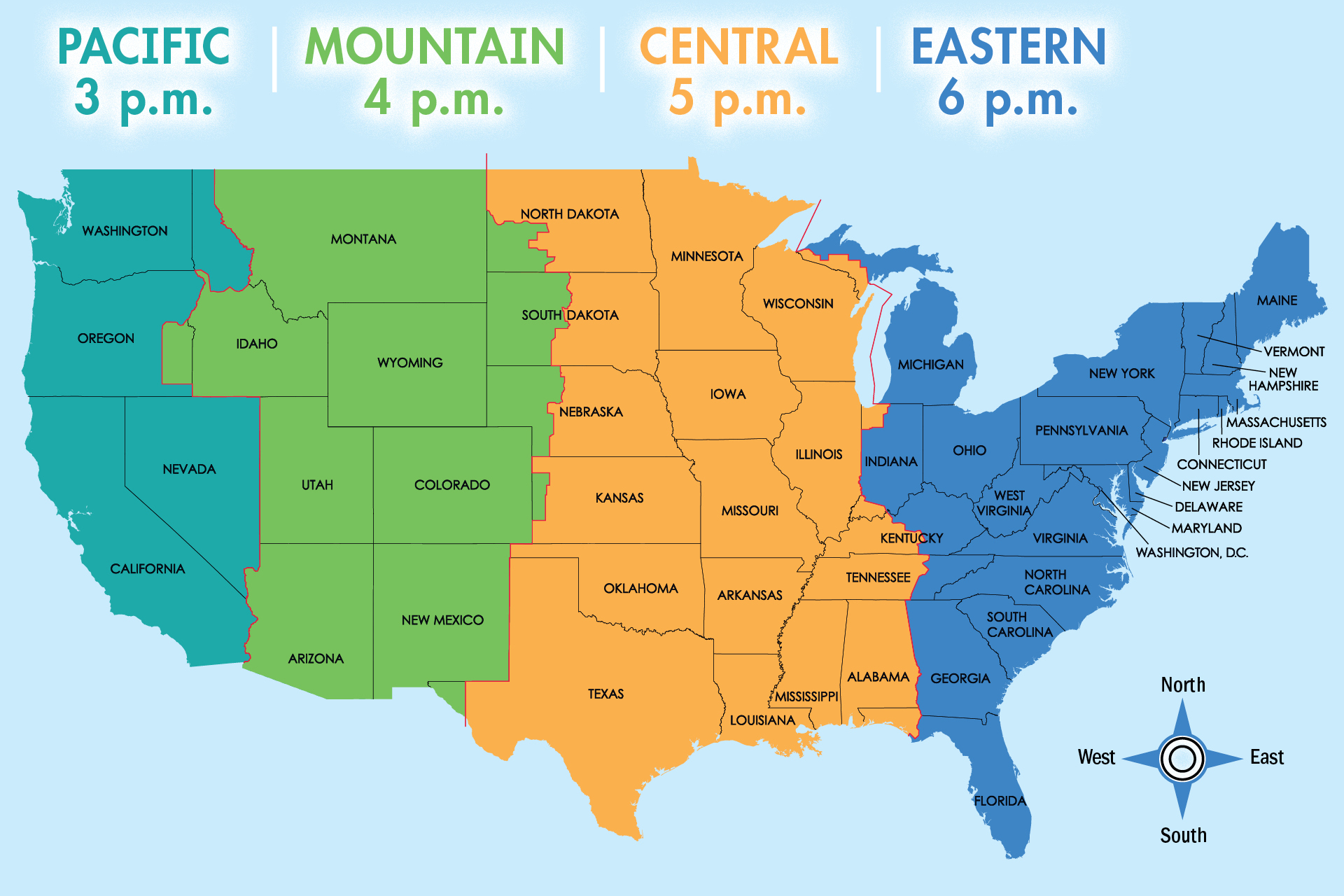
California, known for its iconic landmarks, breathtaking natural beauty, and bustling metropolitan areas, operates on the Pacific Time Zone. This means it adheres to either Pacific Standard Time (PST) or Pacific Daylight Time (PDT), depending on the time of year. For any traveler, whether you’re coming from a different part of the USA or an international destination, this time difference is the first hurdle to navigate, often dictating the severity of jet lag and the initial rhythm of your journey.
Understanding California’s Time Zone: Pacific Time Explained
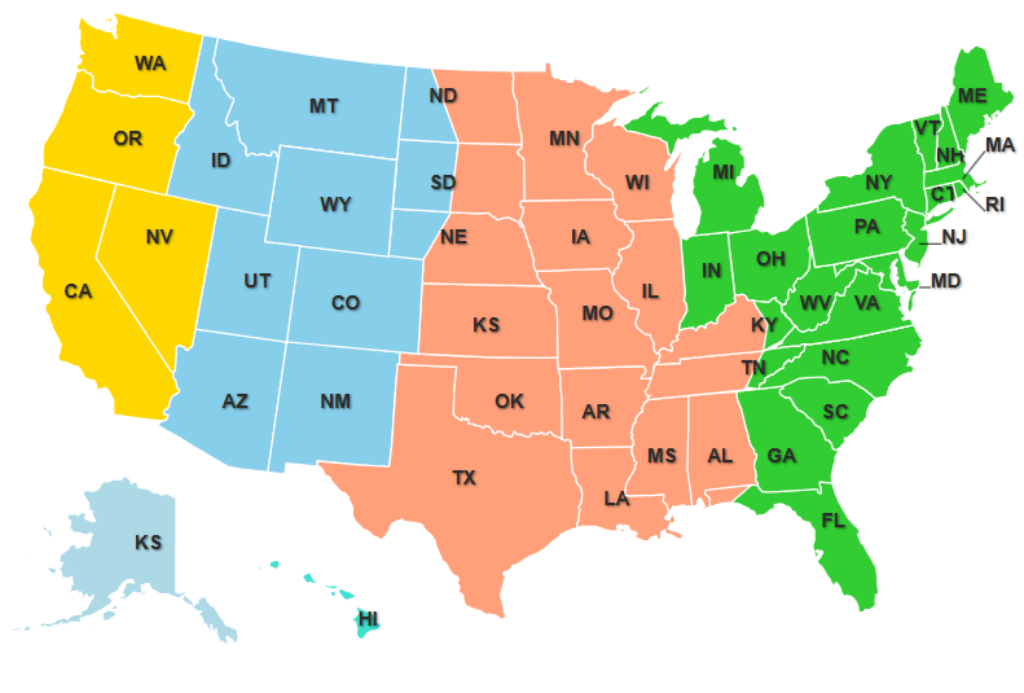
The Pacific Time Zone (PT) is one of nine standard time zones in the USA and its possessions. It covers California, as well as other western states like Oregon, Washington, Nevada, and parts of Idaho. At its core, PT is eight hours behind Coordinated Universal Time (UTC-8) during standard time and seven hours behind (UTC-7) during daylight saving time.
Pacific Standard Time vs. Pacific Daylight Time
The distinction between Pacific Standard Time (PST) and Pacific Daylight Time (PDT) is crucial for accurate timekeeping throughout the year. California observes daylight saving time, which typically begins on the second Sunday in March and ends on the first Sunday in November.
- Pacific Standard Time (PST): This is the official time during the winter months, from early November to early March. During this period, the time is UTC-8. If you’re visiting California in December, for instance, you’ll be operating on PST.
- Pacific Daylight Time (PDT): From early March to early November, the clocks in California spring forward one hour, switching to PDT. This means the time is UTC-7, allowing for longer daylight hours in the evenings, a welcome feature for those exploring the state’s attractions or enjoying outdoor activities after a day of sightseeing.
Being aware of this biannual shift is vital for travelers. A flight scheduled for 3 PM on the day daylight saving time begins or ends could lead to confusion if you haven’t adjusted your clocks. Always double-check flight times, hotel check-in windows, and tour departure schedules, especially around these transition dates, to avoid any mishaps. Most modern smartphones and digital devices will automatically adjust, but it’s always good practice to verify, especially for important appointments.
How California Compares to Other US Time Zones
For travelers within the United States, understanding the time difference between your home state and California is key to a smooth arrival. The USA spans several time zones, creating significant shifts as you travel coast to coast.
- Eastern Standard Time (EST) / Eastern Daylight Time (EDT): The East Coast is three hours ahead of California. So, if it’s 12 PM in Los Angeles, it’s 3 PM in New York City. This is the most significant time difference for continental US travelers.
- Central Standard Time (CST) / Central Daylight Time (CDT): States in the Midwest are two hours ahead of California. When it’s 12 PM in California, it’s 2 PM in Chicago.
- Mountain Standard Time (MST) / Mountain Daylight Time (MDT): California is one hour behind the Mountain Time Zone. So, 12 PM in California is 1 PM in Denver.
- Alaska Standard Time (AKST) / Alaska Daylight Time (AKDT): California is one hour ahead of Alaska.
- Hawaii Standard Time (HST): Hawaii does not observe daylight saving time, so the time difference with California varies. During PDT, California is three hours ahead of Hawaii. During PST, California is two hours ahead of Hawaii.
These differences directly impact when you should call friends and family, schedule remote work meetings, or anticipate communications from your home base. Recognizing these variations is the first step in adapting to the pace of life in California.
Time Zone Implications for Travel to California
The journey to California is an adventure in itself, but the time difference can introduce challenges, primarily jet lag. Strategic planning can mitigate these effects, ensuring you arrive refreshed and ready to explore.
Planning Your Arrival and Departure
When booking flights to California, consider the time zone change. For travelers coming from the East Coast or internationally, arriving in the afternoon or early evening Pacific Time often allows for a relatively normal dinner and bedtime, helping to kickstart your adjustment. Conversely, arriving very early in the morning might leave you feeling the full brunt of jet lag during your first day.
Departure times also matter. If you have an early morning flight out of Los Angeles International Airport (LAX) or San Francisco International Airport (SFO) back to an earlier time zone, you might be waking up at what feels like the middle of the night to catch your flight, making the journey home even more tiring. Always factor in transit time to the airport, especially in sprawling cities like Los Angeles where traffic can be unpredictable. Many travelers opt for a stay at an airport hotel the night before an early departure, ensuring a less stressful start to their journey home.
Navigating Jet Lag for a Seamless California Experience
Jet lag can significantly diminish the enjoyment of your initial days in California. The key to overcoming it is proactive management:
- Hydrate: Drink plenty of water before, during, and after your flight. Dehydration exacerbates jet lag symptoms.
- Adjust Sleep Gradually: A few days before your trip, try to shift your sleep schedule by an hour or so each day towards California time.
- Embrace Natural Light: Upon arrival, expose yourself to natural daylight as much as possible, particularly in the morning, to help reset your internal clock. Avoid napping for too long during the day, even if you’re exhausted.
- Mindful Eating: Avoid heavy meals, excessive caffeine, and alcohol, especially on your first day.
- Stay Active: Gentle exercise, like a walk along the beach in Santa Monica or through Golden Gate Park, can help you feel more alert and improve sleep quality at night.
Many hotels and resorts across California are equipped to help guests combat jet lag, offering amenities like blackout curtains, soundproofing, and even spa treatments designed for relaxation. From luxury resorts in Beverly Hills to serene retreats in Napa Valley, the focus on guest well-being is paramount.
Booking Accommodations and Activities Across Time Zones
Booking accommodations, tours, and activities requires careful attention to time zones. When browsing hotel websites or booking platforms from a different time zone, ensure you’re looking at California‘s local times for check-in/check-out, amenity availability, and cancellation policies.
For instance, if you’re booking a hot air balloon ride over Napa Valley, an early morning start will be very early Pacific Time, potentially requiring you to wake up at what feels like the middle of the night if you’re still adjusting. Similarly, coordinating a virtual business meeting with colleagues in Europe or the East Coast necessitates meticulous scheduling to find an overlap that works for everyone.
Popular attractions like Disneyland Park in Anaheim, Universal Studios Hollywood, or a tour of Alcatraz Island in San Francisco operate on strict schedules. Missing a timed entry slot due to a time zone miscalculation can lead to disappointment. Always confirm the local time for your reservations and build in extra time for travel and unexpected delays.
Exploring California’s Diverse Regions and Their Timeless Allure
California is a land of incredible diversity, from its sprawling cities to its majestic national parks. Each region offers unique experiences, all framed by the consistent rhythm of the Pacific Time Zone.
From the Bustle of Los Angeles to the Tranquility of Lake Tahoe
Los Angeles, the heart of the entertainment industry, pulsates with energy at all hours. Visitors can explore Hollywood‘s Walk of Fame, shop in Beverly Hills, or relax on the beaches of Santa Monica. Here, understanding the time helps manage tight schedules for studio tours, celebrity spotting, or catching a show. For example, a morning hike in the Santa Monica Mountains offers stunning views, but you’ll want to factor in the early start, especially if you’re still battling jet lag.
Moving eastward, the serenity of Lake Tahoe offers a stark contrast. Whether you’re hitting the ski slopes in winter or enjoying water sports in summer, time seems to slow down here. Activities like kayaking, hiking in Emerald Bay State Park, or simply enjoying a sunset cruise are best planned by anticipating daylight hours. Even in this tranquil setting, knowing the local time ensures you don’t miss a breathtaking sunrise over the mountains or a reservation at a lakeside restaurant.
Culinary Adventures and Cultural Immersion in San Francisco
San Francisco, famous for the Golden Gate Bridge, its vibrant food scene, and unique neighborhoods, is a paradise for foodies and culture enthusiasts. From Michelin-starred restaurants to diverse eateries in Fisherman’s Wharf or the Mission District, dining is a central part of the experience. Making reservations well in advance is often essential, and precise timing is key. A leisurely brunch at 11 AM in San Francisco might feel like an early afternoon meal to someone still on East Coast time, so adjust your hunger cues accordingly.
The city’s cultural calendar is packed with events, festivals, and performances. Checking event schedules in Pacific Time allows you to fully immerse yourself in the local arts scene, whether it’s a performance at the San Francisco Opera or a concert at one of the city’s historic venues. Exploring landmarks like Alcatraz Island requires pre-booked tickets for specific time slots, making accurate timekeeping absolutely critical.
Natural Wonders and Outdoor Pursuits
California is home to an unparalleled collection of natural wonders, including Yosemite National Park, Death Valley National Park, Sequoia National Park, and the stunning coastline of Big Sur. For outdoor adventurers, time takes on a different meaning, often dictated by sunrise and sunset, hiking permits, and park operating hours.
Hiking trails in Yosemite, for example, can be long and challenging, requiring an early start to avoid the heat and ensure enough daylight for a safe return. Star-gazing in Death Valley, one of the darkest places in the USA, is a late-night activity, but you’ll want to time your arrival to catch the last light of dusk. For those exploring the giant redwoods in Redwood National Park, the dense canopy can make it feel darker earlier, so planning your visits to make the most of the sun’s highest point is wise. These adventures often require specific permits or reservations, which are always issued and enforced in Pacific Time.
Making the Most of Your California Lifestyle
California offers a lifestyle as diverse as its landscapes, catering to every type of traveler – from high-stakes business executives in Silicon Valley to families on a budget vacation. Understanding the local time zone impacts how you plan and experience these different aspects of travel.
Business Travel and Meeting Schedules
For business travelers heading to California, particularly to tech hubs like Silicon Valley or financial centers in Los Angeles and San Francisco, time is often money. Coordinating meetings with clients or colleagues in different time zones requires meticulous planning. Tools like world clock apps are indispensable. Remember that a 9 AM meeting in San Francisco is already 12 PM on the East Coast, and potentially late afternoon or evening in Europe or Asia.
Hotels across California, from boutique establishments to large conference resorts, offer robust business amenities, including high-speed internet, meeting rooms, and concierge services that can assist with scheduling across time zones. Many provide 24-hour business centers, allowing flexibility for those operating on non-Pacific Time schedules.
Family Vacations and Activity Coordination
Family trips to California often revolve around theme parks like Disneyland and Universal Studios Hollywood, or outdoor adventures suitable for all ages. Managing schedules for children, especially young ones, when dealing with jet lag requires patience and flexibility. Theme parks open and close on Pacific Time, and popular rides often have long queues, so arriving early is always beneficial.
Planning activities that align with children’s natural rhythms, such as scheduling a trip to San Diego Zoo in the morning when energy levels are highest, can make for a more enjoyable experience. Many family-friendly accommodations, such as apartment-style suites or resorts with kids’ clubs, understand the needs of families adjusting to a new time zone and offer amenities that support this transition.
Luxury vs. Budget Travel in the Golden State
Whether you’re indulging in luxury travel with stays at five-star resorts in Santa Barbara or exploring California on a budget, time management plays a role. Luxury travelers might leverage concierge services to handle all scheduling, minimizing their own time zone worries. They might also choose accommodations that offer private transfers and in-room dining, allowing for a more gradual adjustment to the local time.
Budget travelers, on the other hand, might need to be more hands-on with planning. They’ll likely rely on public transportation schedules, early bird specials for attractions, and timing their visits to avoid peak crowds, all of which require a keen awareness of local Pacific Time. Hostels and budget hotels often provide communal areas where travelers can share tips on navigating local timings and activities efficiently.
In conclusion, knowing what time it is in USA California is far more than a simple fact; it’s a foundational element of successful travel planning and an enriching journey. From understanding the nuances of Pacific Standard Time and Pacific Daylight Time to strategically managing jet lag and coordinating your itinerary, every aspect of your trip to this incredible state will be influenced by the clock. By keeping time zones in mind, you can unlock the full potential of California’s diverse offerings, ensuring a memorable and seamless experience whether you’re seeking adventure, relaxation, cultural immersion, or business success. So set your watches, embrace the rhythm of the Golden State, and prepare for an unforgettable adventure.
LifeOutOfTheBox is a participant in the Amazon Services LLC Associates Program, an affiliate advertising program designed to provide a means for sites to earn advertising fees by advertising and linking to Amazon.com. Amazon, the Amazon logo, AmazonSupply, and the AmazonSupply logo are trademarks of Amazon.com, Inc. or its affiliates. As an Amazon Associate we earn affiliate commissions from qualifying purchases.