
The question “How did the California fire start?” often evokes images of devastating landscapes, heroic firefighters, and communities grappling with loss. While the immediate cause can range from a discarded cigarette to a lightning strike, understanding the origins of California’s wildfires requires looking beyond a single spark. It’s a complex interplay of human activity, natural phenomena, and a changing climate, deeply affecting not only the residents but also the vibrant tourism and travel industry that defines the Golden State. For those of us drawn to California’s diverse landscapes, from its sun-drenched beaches to its majestic forests, comprehending these fires is crucial for responsible travel and appreciating the state’s enduring spirit.
The Unseen Spark: Understanding California’s Wildfire Origins
California is a land of stunning contrasts, where rugged mountains meet expansive deserts, and redwood forests touch the Pacific Ocean. This incredible biodiversity, however, comes with a natural predisposition to fire. Historically, wildfires have been a natural part of California’s ecosystems, clearing old growth and promoting new life. However, in recent decades, their frequency, intensity, and destructiveness have escalated dramatically, prompting a deeper look into their contemporary origins.
The Human Element: Accidental Ignitions and Negligence
While nature plays a role, a significant percentage of California wildfires are attributed to human activity. These aren’t always malicious acts; often, they are tragic accidents or oversights. Sparks from faulty power lines, which have been a major point of contention and legal battles for utility companies like Pacific Gas and Electric (PG&E), have ignited some of the state’s most destructive blazes. Equipment malfunctions, such as sparks from vehicle exhausts or agricultural machinery, are also common culprits. Campfires left unattended, discarded cigarettes along scenic routes like the Pacific Coast Highway, and even seemingly innocuous activities like fireworks or controlled burns gone awry contribute to the grim statistics.
The irony is that as more people seek to live and recreate in California’s beautiful wildland-urban interface – the areas where developed communities meet undeveloped natural land – the chances of human-caused ignitions increase. This expansion into fire-prone zones not only puts lives and homes at risk but also threatens natural landmarks and popular tourist destinations. Understanding this human element is the first step towards prevention, requiring both individual responsibility and systemic improvements in infrastructure and land management.

Nature’s Fury: Lightning Strikes and Dry Conditions
While humans are a primary factor, nature itself can unleash powerful firestorms. Lightning strikes, particularly during “dry lightning” storms where rain doesn’t accompany the electrical activity, are natural igniters. These strikes can spark fires in remote, rugged terrain, making them incredibly difficult for firefighters to access and contain in their early stages. California’s long, hot, and dry summers, exacerbated by prolonged periods of drought, create perfect conditions for these natural ignitions to explode into massive blazes.
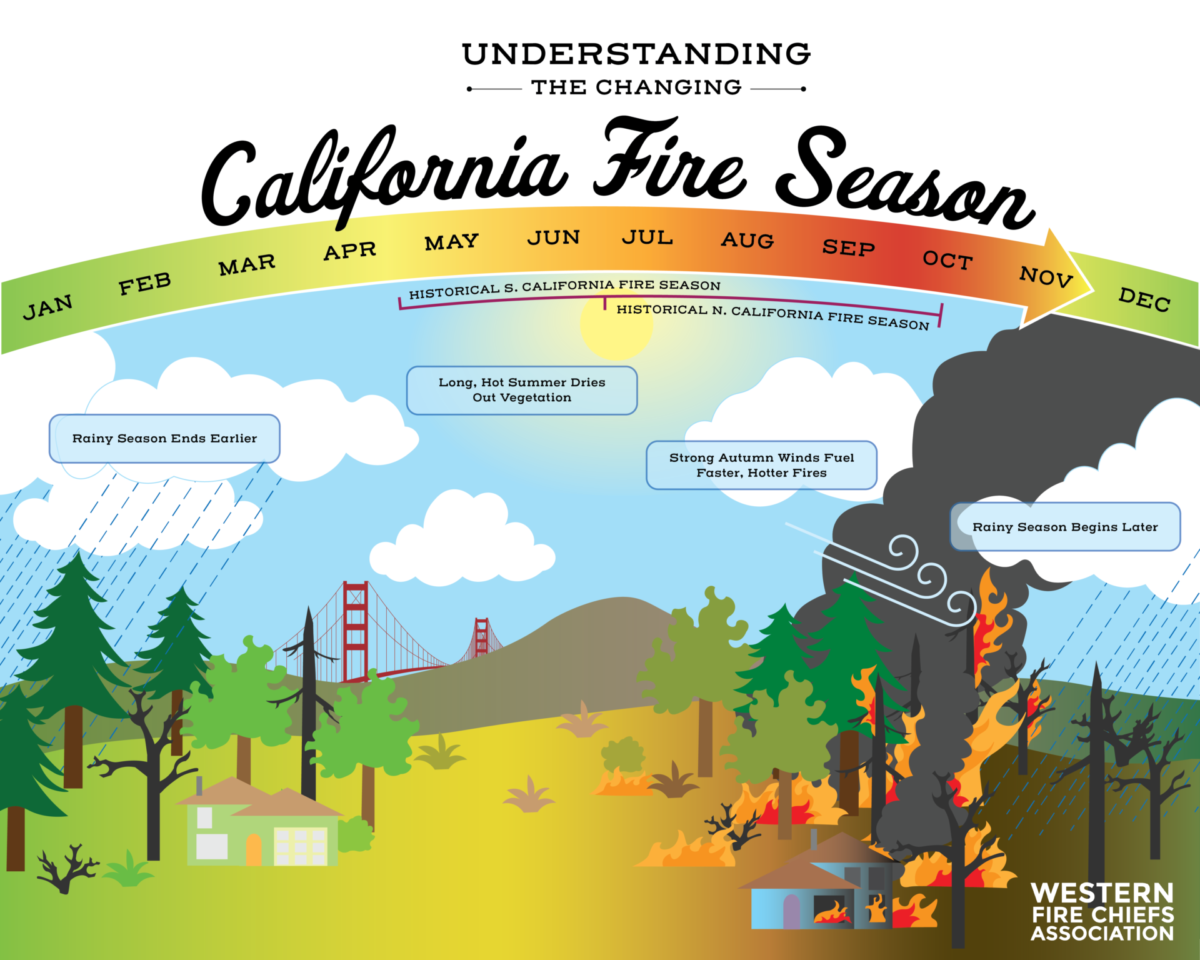
The state’s unique Mediterranean climate, characterized by wet winters and dry summers, results in abundant vegetation growth during the rainy season. However, this same vegetation, once the summer heat sets in, transforms into highly flammable “fuel.” Chaparral, sagebrush, and various tree species, particularly in regions like the Sierra Nevada foothills, become tinderboxes, ready to ignite at the slightest spark. Strong, dry winds, such as the Santa Ana winds in Southern California and the Diablo winds in the north, then act as accelerants, fanning small fires into infernos that spread with terrifying speed, often catching communities and visitors unaware.
A Changing Climate: Fueling the Inferno
Perhaps the most significant overarching factor in California’s escalating fire crisis is climate change. Rising global temperatures contribute to longer, hotter dry seasons, intensified drought conditions, and more frequent extreme weather events. This means that the “fuel” (vegetation) is drier for longer periods, making it more susceptible to ignition and allowing fires to burn hotter and faster. The average fire season in California has lengthened dramatically over the past few decades, extending well beyond the traditional summer months into late fall and even early winter.
The impacts of climate change are felt across all aspects of California life, including its vibrant tourism sector. Iconic destinations like Yosemite National Park and Sequoia National Park have faced unprecedented threats from wildfires, leading to closures and altering the visitor experience. Understanding climate change’s role in fueling these fires is crucial for developing long-term strategies, not just for fire suppression, but also for sustainable tourism and environmental stewardship in the Golden State. It calls for a collective effort to mitigate its effects and adapt to a new normal.

A Golden State Ablaze: Impact on Travel and Tourism
The narrative of California wildfires often focuses on destruction, yet for the travel and tourism industry, it’s also a story of resilience, adaptation, and the enduring allure of the state. While fires can temporarily disrupt travel plans and damage beloved landmarks, California’s tourism sector is incredibly robust, with communities and businesses often bouncing back with renewed vigor and innovative approaches to hospitality. However, visitors must be aware of the potential impacts and how to travel responsibly in fire-prone regions.
Shifting Landscapes: National Parks and Iconic Destinations
California’s natural landmarks are its crown jewels, drawing millions of visitors annually. Yosemite National Park, with its towering granite cliffs and ancient groves, Sequoia National Park and Kings Canyon National Park with their colossal trees, and Redwood National Park in the north are unparalleled natural wonders. These parks, however, are often at the front lines of wildfire activity. Fires can lead to temporary closures, rerouting of trails, and even damage to infrastructure within the parks. For instance, the 2020 Creek Fire near Mammoth Lakes significantly impacted access to parts of the Sierra National Forest, a popular destination for hikers and campers.
Beyond the immediate damage, the smoke from large wildfires can travel hundreds of miles, affecting air quality in major cities like San Francisco and Los Angeles, and even impacting views at scenic spots like the Golden Gate Bridge or the beaches of Malibu. While these conditions are often temporary, they can deter visitors and impact outdoor activities. Nevertheless, the state’s diverse geography means that while one area might be affected, many others remain open and vibrant. Travel advisories become essential tools for visitors to navigate these dynamic conditions, ensuring both safety and an enjoyable experience.
Accommodation Challenges: Resorts, Hotels, and Community Resilience
The tourism and accommodation sectors are directly impacted by wildfires. Resorts and hotels in affected areas may suffer direct damage, leading to closures and significant economic losses. The wine country regions of Napa Valley and Sonoma Valley, for example, have repeatedly faced threats from wildfires, affecting vineyards, restaurants, and luxury accommodations. Even without direct damage, cancellations due to smoke or fear can cripple local businesses.
Yet, there’s also a remarkable story of resilience. Many hotels and resorts often pivot to support displaced residents and emergency personnel, transforming into havens for those affected. After the immediate danger passes, these communities often see a surge in “voluntourism” and conscious travelers eager to support local economies. For example, charming inns and boutique hotels in areas like Lake Tahoe or Palm Springs, while sometimes threatened by nearby fires, often emerge as symbols of recovery, offering comfort and normalcy in the wake of disruption. This demonstrates the critical role that the accommodation industry plays not just in leisure but also in community support and disaster response.
Rebuilding and Responsible Tourism: Supporting Affected Regions
The aftermath of wildfires presents both challenges and opportunities for responsible tourism. Rebuilding efforts can take years, and supporting local businesses in affected areas is crucial for their recovery. Visitors can play a vital role by choosing to stay in hotels, dine at local restaurants, and purchase from local shops in communities that have been impacted. This type of conscious travel helps infuse much-needed capital back into the local economy, aiding in job creation and infrastructure repair.
Furthermore, tourism can evolve to include educational components. Some areas are developing tours that showcase ecological recovery, highlighting how landscapes heal and adapt after fire. This offers a unique perspective for travelers, transforming a potential tragedy into a learning experience about resilience and environmental cycles. Engaging with local guides and conservation groups can also provide insights into fire prevention strategies and sustainable practices, enriching the travel experience beyond typical sightseeing.
Navigating the Aftermath: Safety and Sustainable Travel in California
For anyone planning a trip to California, especially during the traditional fire season (typically late summer through fall), preparedness and awareness are paramount. While the state offers unparalleled experiences, understanding how to travel safely and sustainably in the face of wildfire risk is part of being a responsible global citizen.
Planning Your California Adventure: Staying Informed
The first step to a safe and enjoyable trip is thorough planning. Before and during your travel, regularly check official sources for fire updates and air quality reports. Websites from the California Department of Forestry and Fire Protection (CAL FIRE), the U.S. Forest Service, and local county emergency services are invaluable. Air quality maps (like those from AirNow.gov) can show real-time conditions, helping you decide if outdoor activities are advisable in certain regions.
Flexibility is key. If a wildfire is active near your planned destination, be prepared to alter your itinerary. Many hotels and tour operators in California are accustomed to these situations and often have flexible cancellation policies or can suggest alternative experiences in unaffected areas. Consider travel insurance that covers wildfire-related disruptions. For those embarking on outdoor adventures, such as hiking in Joshua Tree National Park or camping in the Lost Coast, always check fire restrictions, permit requirements, and trail closures before heading out.
Embracing Sustainable Practices for Future Generations
Beyond immediate safety, responsible travelers can contribute to long-term fire prevention and environmental health. This includes practicing “Leave No Trace” principles, which means packing out everything you pack in, respecting wildlife, and staying on marked trails. Simple acts like properly extinguishing campfires, never discarding cigarettes, and avoiding activities that could create sparks (e.g., parking hot vehicles on dry grass) can make a significant difference.
Supporting businesses that prioritize sustainability and fire-safe practices is another powerful way to contribute. Many resorts and eco-lodges in California are investing in fire-resistant landscaping, sustainable water management, and renewable energy, aligning with a lifestyle that respects the natural environment. By choosing these options, you’re not only enjoying your trip but also actively participating in the preservation of California’s natural beauty for future generations of travelers.
California’s Enduring Spirit: A Call to Explore with Conscience
The question “How did the California fire start?” leads us down a path of understanding natural cycles, human impacts, and the profound effects of climate change. But it also underscores the enduring spirit of California – a state that consistently faces challenges head-on, rebuilds, and continues to inspire. From the bustling metropolis of San Francisco with its iconic cable cars to the star-studded streets of Hollywood in Los Angeles, and the family fun of Disneyland in Anaheim, the attractions remain world-class.
For those dreaming of a California adventure, the message is clear: come, explore, and be captivated by its magic, but do so with an informed mind and a conscious heart. Engage with the local culture, savor the incredible food, discover hidden gems, and experience the diverse landscapes, from the serene beauty of Big Sur to the vibrant energy of San Diego. By understanding the risks, staying informed, and practicing sustainable tourism, travelers can not only safeguard their own experiences but also contribute to the resilience and recovery of the communities and natural wonders that make California truly golden. The fires may challenge its landscapes, but they cannot diminish its allure, nor the vibrant, welcoming spirit that defines the Golden State.
LifeOutOfTheBox is a participant in the Amazon Services LLC Associates Program, an affiliate advertising program designed to provide a means for sites to earn advertising fees by advertising and linking to Amazon.com. Amazon, the Amazon logo, AmazonSupply, and the AmazonSupply logo are trademarks of Amazon.com, Inc. or its affiliates. As an Amazon Associate we earn affiliate commissions from qualifying purchases.