
For travelers planning an unforgettable adventure to the Golden State, understanding the nuances of Daylight Saving Time (DST) can be crucial to maximizing every moment. California, a land of diverse landscapes, from sun-drenched beaches to towering mountain ranges, bustling cities to tranquil vineyards, observes DST like most of the United States. This means that twice a year, clocks are adjusted, influencing everything from the timing of your morning coffee to the golden hour for capturing that perfect sunset photo over the Pacific Ocean. For anyone seeking to explore California’s rich tapestry of experiences, whether it’s navigating the vibrant nightlife of Los Angeles, hiking in Yosemite National Park, or savoring world-class wines in Napa Valley, knowing when these time shifts occur is key to seamless travel planning and making the most of your itinerary.
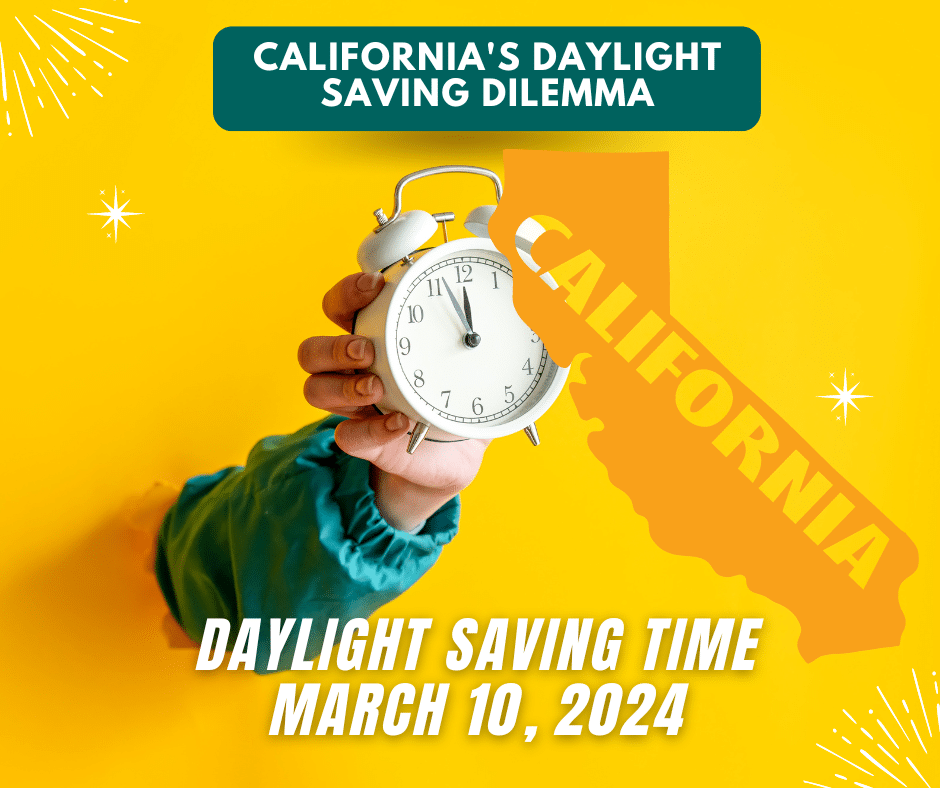
The primary purpose of this article is to clarify when Daylight Saving Time takes place in California and, more importantly, to explore its profound implications for tourism, accommodation, and the overall travel experience. From booking flights and hotel stays to scheduling tours and dining reservations, the time change can subtly, yet significantly, impact your journey. By delving into the specifics of DST, we aim to equip you with the knowledge needed to plan a flawless California getaway, ensuring that you can fully immerse yourself in the local culture, explore iconic landmarks, and enjoy the diverse lifestyle offerings this incredible state has to offer, all while staying perfectly on schedule.
Understanding Daylight Saving Time in California
Daylight Saving Time is a practice observed in many parts of the world, including California, where clocks are advanced by one hour during warmer months so that evening daylight lasts longer, and mornings have less daylight. The premise behind DST is often linked to energy conservation, though its effectiveness remains a subject of ongoing debate. For travelers, it primarily means an adjustment to the daily rhythm, offering longer daylight hours for exploration and activities during certain periods of the year.
The Annual Shift: Spring Forward, Fall Back
In California, Daylight Saving Time begins on the second Sunday in March and ends on the first Sunday in November. This twice-yearly adjustment is often remembered by the phrases “spring forward, fall back.”
-
Spring Forward: On the second Sunday in March, at 2:00 AM Pacific Time, clocks are advanced one hour to 3:00 AM Pacific Daylight Time. This means that travelers lose an hour of sleep on this particular night, but gain an hour of daylight in the evening for the months that follow. For instance, if you’re planning a trip to San Francisco in late spring, you can expect longer daylight hours to explore Alcatraz Island, stroll across the Golden Gate Bridge, or enjoy dinner overlooking Fisherman’s Wharf well into the evening.
-
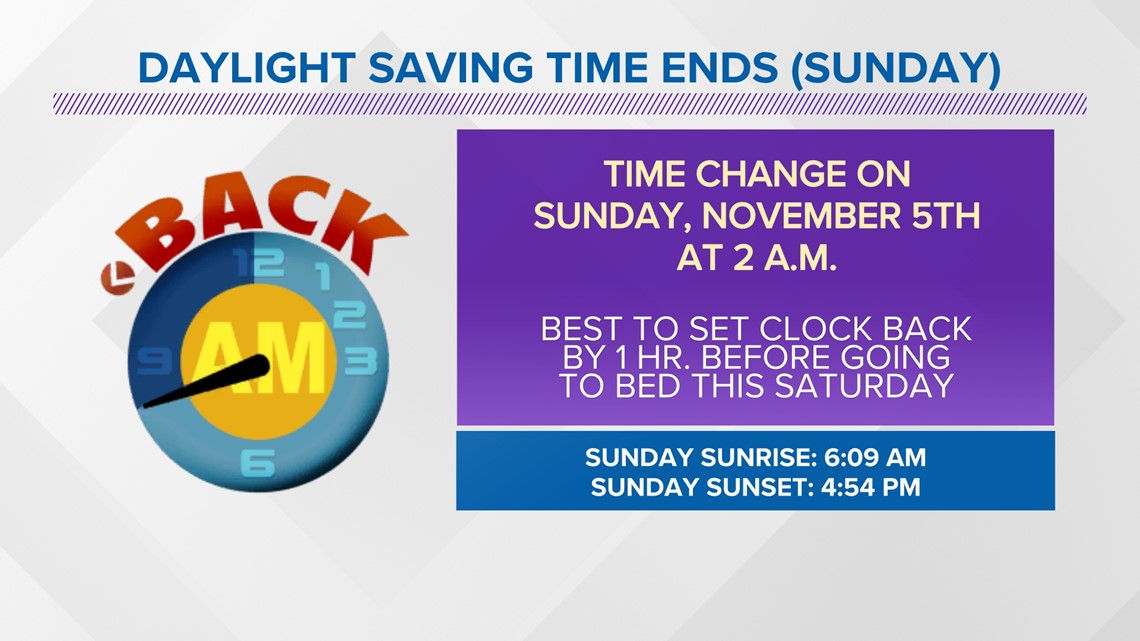
Fall Back: On the first Sunday in November, at 2:00 AM Pacific Daylight Time, clocks are set back one hour to 1:00 AM Pacific Standard Time. This grants an extra hour of sleep (or an extra hour for late-night activities!) and marks the return to standard time. While evenings become shorter, mornings are brighter earlier. If your autumn travel plans include a visit to the wineries of Sonoma Valley or a scenic drive along Big Sur, you might find yourself starting your day a bit earlier to catch the morning mist or the first rays of sun illuminating the dramatic coastline.
It’s important for visitors to note that most modern devices, such as smartphones, tablets, and smartwatches, automatically adjust for DST. However, traditional clocks, car clocks, and some hotel alarms may need to be manually updated. Always double-check your devices upon arrival, especially around the changeover dates, to avoid missing appointments or confusing tour schedules.
Historical Context and the Golden State’s Stance
The concept of Daylight Saving Time in the United States has a history dating back to World War I, though its widespread adoption became more consistent with the Uniform Time Act of 1966. In California, the debate over DST has been particularly lively. In 2018, California voters passed Proposition 7, which granted the state legislature the power to change DST. This opened the door for California to potentially move to year-round DST or even abolish it entirely, aligning with states like Arizona and Hawaii which do not observe the time change.
Despite the passage of Proposition 7, the state legislature has not yet enacted any such changes, primarily due to federal regulations. Any move to permanent DST would require a change in federal law or a waiver from Congress. This means that for the foreseeable future, travelers to California should continue to anticipate and plan for the “spring forward, fall back” schedule. Understanding this historical context helps travelers appreciate that while DST is currently observed, ongoing discussions could shape its future, potentially impacting long-term travel planning.
How DST Impacts Your California Travel Plans
For any traveler, optimizing time is paramount, and Daylight Saving Time plays a subtle yet significant role in shaping the travel experience in California. From the moment you begin planning your trip to the final farewell, being aware of the time shifts can enhance your journey, ensuring you capture every breathtaking view and experience every cultural gem.
Planning Your Itinerary: Maximizing Daylight Hours
The extended daylight hours during DST, particularly from March to November, offer a fantastic opportunity to pack more activities into your day. This is especially beneficial for those visiting California’s vast outdoor attractions. Imagine being able to enjoy a later afternoon hike in Joshua Tree National Park, allowing you to escape the midday heat and witness a spectacular desert sunset. Or perhaps, extending your beach day at Santa Monica Pier, culminating in a Ferris wheel ride under a twilight sky.
When planning your itinerary, consider:
- Outdoor Activities: Schedule hikes, beach visits, scenic drives along the Pacific Coast Highway, or explorations of Redwood National and State Parks later in the day during DST to leverage the extended light. This not only allows for more flexibility but also often provides more comfortable temperatures and fewer crowds.
- Photography: Professional and amateur photographers alike will appreciate the prolonged “golden hour” during DST. The softer, warmer light found just after sunrise and before sunset is ideal for capturing stunning landscapes, cityscapes, and portraits. Plan your visits to iconic landmarks like the Hollywood Sign, Griffith Observatory, or the vineyards of Paso Robles around these times.
- Theme Parks: California is home to world-renowned theme parks like Disneyland Resort in Anaheim and Universal Studios Hollywood. During DST, these parks often extend their operating hours, allowing for more rides, shows, and magical moments after dark. Check their schedules in advance to capitalize on these extended hours.
Conversely, during the “fall back” period (November to March), daylight hours are shorter. This might mean starting your day earlier for certain outdoor activities or planning indoor attractions and evening entertainment for later in the afternoon. For example, a visit to the Getty Center or the California State Capitol Museum in Sacramento might be perfect for those shorter daylight afternoons.
Accommodation and Booking Considerations
The time change can also subtly influence your accommodation choices and booking strategies.
- Check-in/Check-out Times: While most hotels and resorts automatically adjust their internal clocks, it’s always wise to confirm check-in and check-out times, especially if your travel dates fall directly on a DST transition day. This ensures there are no misunderstandings regarding when your room will be ready or when you need to vacate. High-end resorts in Palm Springs or boutique hotels in Carmel-by-the-Sea often have strict schedules, so clarity is key.
- Booking Flights and Ground Transportation: When booking flights into or out of California during DST transitions, pay close attention to the time zone listed on your tickets. Flight times are typically given in local time, but a miscalculation due to the time change could lead to missed connections or inconvenient delays. Similarly, if you’re arranging shuttles, car rentals, or train journeys, confirm pick-up and drop-off times with the time change in mind.
- Room Selection: For those who appreciate natural light, knowing when DST is active can help in selecting rooms. During “spring forward,” south-facing rooms might enjoy more evening sun, which can be delightful for a balcony view. During “fall back,” early morning sun might be a consideration. While a minor detail, it contributes to the overall comfort and enjoyment of your hotel or apartment stay, whether it’s a luxurious suite in Beverly Hills or a charming villa overlooking Lake Tahoe.
Dining and Entertainment Schedules

California’s culinary scene and entertainment options are vast and varied, from Michelin-starred restaurants to casual beachside cafes, and from Broadway-level shows to intimate live music venues. DST can impact these schedules in a few ways:
- Restaurant Reservations: Popular restaurants, especially in major cities like San Diego or San Jose, often book up weeks in advance. While their opening hours typically remain consistent, your internal clock might be off for a day or two after the time change, making it easy to misjudge reservation times. Always confirm the local time and your reservation.
- Evening Events and Performances: Extended daylight hours during DST can influence the start times of evening performances, concerts, and outdoor festivals. For example, open-air movie nights or concerts might begin slightly later to allow for proper darkness. Consider events like the Coachella Valley Music and Arts Festival or the Stagecoach Festival in Indio, which are meticulously scheduled, and any personal time confusion could affect your experience.
- Nightlife: For those looking to experience California’s vibrant nightlife, whether in Long Beach’s eclectic bars or Santa Barbara’s sophisticated lounges, the transition to or from DST can affect your energy levels. The “spring forward” can lead to a feeling of lost sleep, potentially impacting your desire to stay out late, while “fall back” might give you an extra boost.
Exploring California’s Landmarks and Attractions During DST
California’s iconic landmarks and attractions are a major draw for tourists. How you experience them can be significantly enhanced or subtly altered by Daylight Saving Time.
Coastal Escapes and Beach Activities
With hundreds of miles of stunning coastline, California offers unparalleled beach experiences. During DST, the extended daylight hours mean you can enjoy the beaches well into the evening.
- Santa Monica and Venice Beach: Spend longer days cycling along the beach path, enjoying street performers, or relaxing by the ocean. The later sunsets are perfect for an evening stroll or a romantic dinner with ocean views in Malibu.
- La Jolla and Laguna Beach: These picturesque coastal towns thrive with extended daylight, allowing more time for kayaking, snorkeling, or exploring tide pools. The “fall back” period means earlier sunsets, which can still be beautiful, but necessitate earlier planning for beach-centric activities.
- Monterey Bay Aquarium: While an indoor attraction, the extended daylight around Monterey means you have more time before or after your visit to explore Cannery Row and the scenic coastline.
National Parks and Outdoor Adventures
California boasts some of the most spectacular national parks in the United States, offering diverse adventures. DST is particularly advantageous for exploring these natural wonders.
- Yosemite National Park: During DST, you gain precious evening hours to hike to viewpoints like Glacier Point, explore Yosemite Valley, or simply stargaze after a longer day of exploration. This is crucial for multi-day backpacking trips where every hour of daylight counts.
- Sequoia National Park and Kings Canyon National Park: Witnessing the giant sequoias is an awe-inspiring experience. Extended daylight hours allow for deeper exploration of trails and groves, making it easier to visit multiple sites within these sprawling parks.
- Death Valley National Park: While often visited in cooler months, if you brave the spring heat, DST offers an advantage for early morning or late afternoon explorations to avoid the harshest temperatures, with the benefit of later sunsets for photography.
- Mount Whitney and Sierra Nevada: For mountaineers and serious hikers, longer daylight during the summer months (which largely coincide with DST) is critical for summit attempts and navigating challenging terrain safely.
Urban Exploration: Cities and Cultural Hotspots
California’s major cities are bustling hubs of culture, history, and entertainment. DST can influence how you experience these urban landscapes.
- San Francisco: With longer evenings, you can enjoy more time exploring neighborhoods like Chinatown, riding the cable cars, or visiting Pier 39 before settling down for dinner. The extended light also makes it easier to catch a ferry to Alcatraz Island and return while it’s still bright.
- Los Angeles: From Hollywood’s Walk of Fame to the museums and galleries, DST gives you more time to navigate the city’s vastness. Enjoy a post-museum stroll through Balboa Park in San Diego or catch a twilight performance.
- San Diego: This city’s blend of history and modernity benefits greatly from DST. Explore Old Town San Diego State Historic Park or the vibrant Gaslamp Quarter with the added glow of evening daylight. The San Diego Zoo and USS Midway Museum can be part of a day that extends leisurely into evening dining.
Navigating Time Zones and Travel Logistics
Understanding California’s position within the Pacific Time Zone and how it interacts with DST is fundamental for seamless travel, especially for those arriving from different time zones.
The Pacific Time Zone Advantage
California operates on Pacific Time (PT), which shifts to Pacific Daylight Time (PDT) during DST. This is UTC-8 during standard time and UTC-7 during daylight saving. For travelers coming from the Eastern United States, this means a three-hour time difference, and from the Central United States, a two-hour difference.
- Arrivals from the East: When flying west to California, many travelers appreciate the “extra” hours gained due to the time difference. For example, if you depart New York City at 9:00 AM Eastern Time (ET), you might arrive in Los Angeles by noon Pacific Time. This allows for a full afternoon of exploration, even on your arrival day. During DST, this feeling of having “more time” is amplified by the longer daylight evenings.
- Departures to the East: Conversely, flying east means losing hours, which can make early morning departures feel even earlier. Adjusting your sleep schedule a day or two before departure can help mitigate jet lag.
Tips for Adjusting to the Time Change
Whether you’re traveling across time zones or arriving during a DST transition, adjusting to the time change can impact your energy levels and enjoyment.
- Gradual Adjustment: If possible, try to gradually adjust your sleep schedule a few days before the “spring forward” or “fall back” transition, or before arriving in California from a different time zone.
- Hydration and Light Meals: Staying well-hydrated and consuming lighter meals can help your body adapt more quickly to a new schedule.
- Embrace Daylight: During DST, take full advantage of the extended daylight hours. Spend time outdoors in the natural light, especially in the mornings, to help regulate your circadian rhythm.
- Minimize Napping: While tempting, try to avoid long naps, especially when adjusting to “spring forward” or jet lag from an eastward journey.
- Set All Clocks: As mentioned, verify all your clocks – including any in your rental car or hotel room – have correctly updated. This small step can prevent major logistical headaches.
- Plan Buffer Time: Always build in buffer time for appointments, tours, and flights, especially around the DST changeover dates. This allows for unexpected delays and helps reduce stress, ensuring you enjoy every aspect of your California experience, from a relaxing stay at a luxury resort in Laguna Niguel to an adventurous drive through the Mendocino Coast.
The Future of Daylight Saving Time in California
The conversation surrounding Daylight Saving Time in California is a dynamic one, reflecting broader national and international debates about its efficacy and impact. While California continues to observe DST under the current federal framework, the prospect of change remains a topic of interest for residents and potential visitors alike.
Ongoing Debates and Potential Changes
The passage of Proposition 7 in 2018 clearly indicated a public desire for the flexibility to either abolish DST or adopt permanent year-round daylight saving. Proponents for change often cite arguments related to public health (disruptions to sleep cycles), energy consumption (the original justification, which is now heavily debated), and economic impacts (on sectors like agriculture and tourism).
- Arguments for Permanent Standard Time: Some advocate for a permanent return to Pacific Standard Time (PST), arguing that it aligns more closely with our natural circadian rhythms and reduces the health risks associated with the biannual clock changes. This would mean brighter mornings but earlier sunsets year-round.
- Arguments for Permanent Daylight Saving Time: Others support making Pacific Daylight Time (PDT) permanent. This would mean consistently longer evenings throughout the year, which could be seen as a boon for tourism, outdoor recreation, and evening entertainment, especially in a state like California that thrives on outdoor activities. Imagine more permanent daylight to explore Balboa Park in San Diego or enjoy an evening on Catalina Island.
However, significant hurdles remain. For California to permanently adopt DST, it would likely require an act of Congress to amend the Uniform Time Act of 1966, or a special waiver. Until such federal action occurs, California is bound by the current DST schedule. This means that travelers should continue to plan their trips around the “spring forward” and “fall back” transitions for the foreseeable future. States like Florida have also passed similar legislation to move to year-round DST, reflecting a broader movement across the United States that could eventually lead to federal reform.
For now, the regular observation of DST remains a predictable element of planning a California vacation. While the future holds the possibility of change, the current system has its own unique implications for how visitors experience the state’s incredible array of destinations, from the world-class theme parks of Anaheim to the serene beauty of Lake Tahoe and the historic charm of Solvang. Travelers can rest assured that with careful planning and awareness, the time adjustments will not detract from an unforgettable journey through the Golden State, allowing them to fully enjoy its rich culture, breathtaking landscapes, and unparalleled lifestyle offerings.
LifeOutOfTheBox is a participant in the Amazon Services LLC Associates Program, an affiliate advertising program designed to provide a means for sites to earn advertising fees by advertising and linking to Amazon.com. Amazon, the Amazon logo, AmazonSupply, and the AmazonSupply logo are trademarks of Amazon.com, Inc. or its affiliates. As an Amazon Associate we earn affiliate commissions from qualifying purchases.