
California, a state renowned for its diverse landscapes, from sun-drenched beaches to towering mountain peaks, offers a unique rhythm to its wilderness calendar. For many, the mention of “deer season” immediately brings to mind hunting. However, for the discerning traveler, nature enthusiast, or adventure seeker, deer season in California signifies much more: it’s a period of vibrant autumn foliage, exceptional wildlife viewing opportunities, and a chance to experience the Golden State’s majestic backcountry in a different light. It’s a time when the wilderness comes alive, attracting not only those pursuing game but also photographers, hikers, and families looking for a tranquil escape into nature. Understanding when and where deer season occurs is key, whether you’re planning a hunting expedition or simply wish to immerse yourself in the natural beauty of California’s wild during this specific time of year. Unlike a single, uniform period, deer season in California is a complex tapestry of zones and regulations, varying significantly depending on the specific region and type of hunt. This article will guide you through the intricacies of California’s deer seasons, exploring everything from hunting regulations to the best travel and accommodation options for an unforgettable wilderness experience, framing it within the broader context of travel, tourism, and lifestyle.
Navigating California’s Diverse Deer Hunting Zones and Seasons
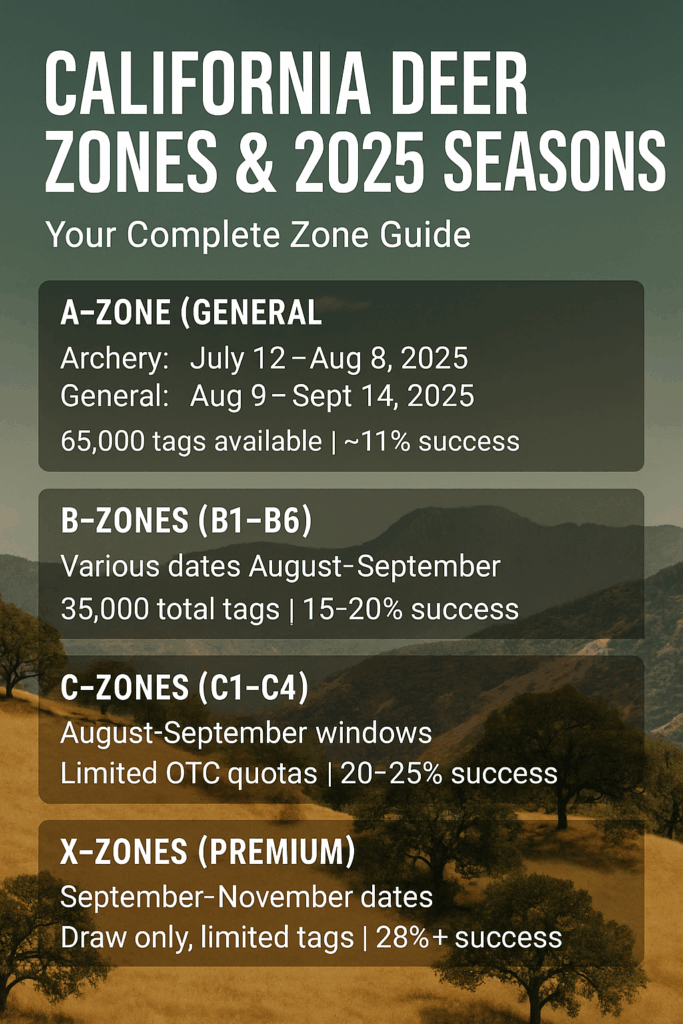
Pinpointing “when” deer season is in California is not as simple as marking a single date on the calendar. The state’s vast geographical and ecological diversity necessitates a nuanced approach to wildlife management, resulting in a complex system of deer hunting zones, each with its own specific regulations and season dates. This mosaic of rules is designed to ensure sustainable deer populations across different habitats, from coastal forests to high desert ranges.
Understanding the Zone System: A Hunter’s Guide
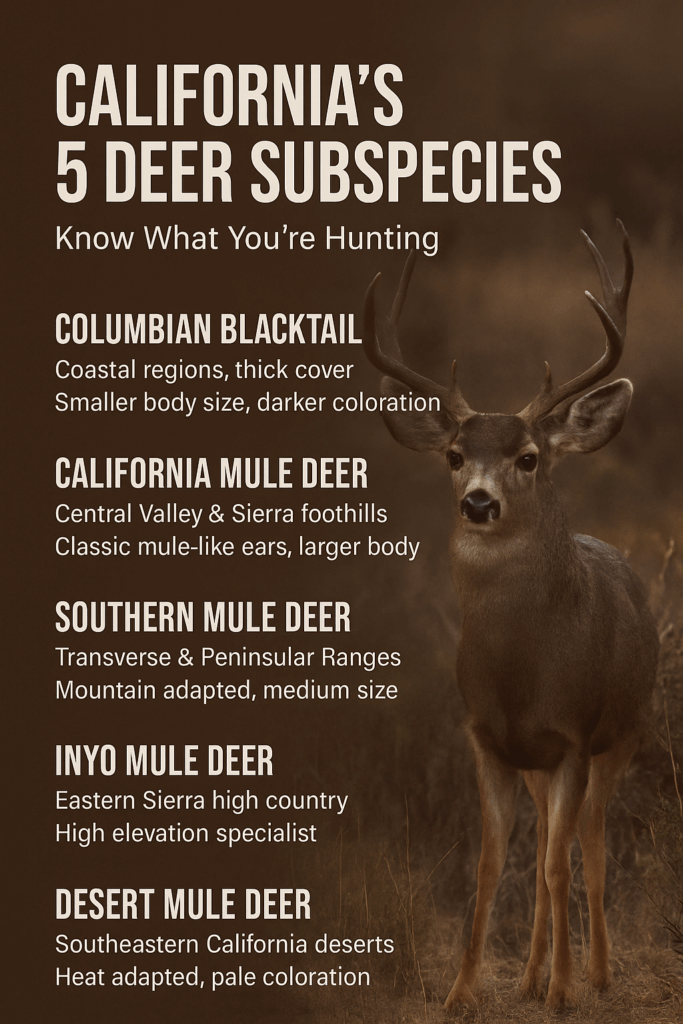
The California Department of Fish and Wildlife (CDFW) meticulously manages deer populations by dividing the state into numerous hunting zones, primarily categorized as A, B, C, D, and X zones. These zones account for varying deer species – primarily the coastal blacktail deer in the western parts of the state and mule deer, including the Rocky Mountain mule deer and California mule deer, in the eastern and southern regions – as well as their distinct habitats, migration patterns, and population densities. Zone A, for instance, covers the sprawling Coastal Range and interior Coast Ranges, dominated by blacktail deer, while the X zones typically encompass the more arid and mountainous regions of the Eastern Sierra and Southern California, home to various mule deer subspecies. Understanding which zone you intend to visit, whether for hunting or observation, is the first critical step in planning your trip. Each zone has specific start and end dates for general rifle seasons, along with unique tag quotas, which are often allocated through a lottery drawing system, especially for the coveted X zones.
Key General Seasons by Zone: Dates and Destinations
While precise dates can shift slightly year by year, the general patterns for deer season in California remain consistent. For the popular Zone A, covering much of the central and northern Coastal Range and Diablo Range stretching south of San Francisco down towards the San Joaquin Valley, the general season typically opens in mid-August and extends through late September. This early season often means warmer weather, ideal for travelers who prefer a milder outdoor experience. Zone B zones, encompassing the rugged Klamath Mountains, Trinity Alps Wilderness, and parts of Northern California’s forested regions like the Shasta-Trinity National Forest and Mendocino National Forest, generally open in mid-September and conclude by mid-October. This period coincides with the vibrant peak of autumn colors in many of these areas, offering breathtaking scenic backdrops.
The extensive D zones, which cover much of the vast Sierra Nevada and its western foothills, often begin in mid-September and run into late October. These zones are popular for their diverse terrain, from oak woodlands to pine forests, and offer excellent opportunities for both hunting and enjoying the crisp fall air. Finally, the X zones, stretching across the Eastern Sierra, Modoc National Forest, Inyo National Forest, and other high-country areas, typically feature shorter, more specific seasons that often start in early October. Access to these highly sought-after zones is usually granted through a draw, requiring meticulous advance planning and application.
Archery, Muzzleloader, and Special Hunts
Beyond the general rifle seasons, California also offers dedicated seasons for archery and muzzleloader hunters. Archery seasons typically precede the general rifle seasons in most zones, often starting as early as mid-July in some areas and extending into August or September, providing an opportunity for an earlier wilderness immersion. Muzzleloader seasons, similarly, have specific dates that can either precede or follow the general seasons, offering a unique challenge for those interested in traditional hunting methods. Additionally, special hunt opportunities, often targeting specific deer populations or managing herd health, are available through separate draw processes. These alternative seasons emphasize advanced planning, as permits are limited and regulations distinct. Travelers interested in these specific pursuits should consult the CDFW website annually for the most up-to-date and detailed information.
Crafting Your California Wilderness Retreat: Beyond the Hunt
Whether you’re holding a hunting tag or a camera, deer season offers a prime opportunity to explore California’s vast wilderness. This period transforms the landscape, creating ideal conditions for outdoor adventure, wildlife observation, and serene natural escapes. Planning your trip around these seasons means not just understanding the regulations, but also identifying the perfect destination and securing suitable accommodation that enhances your experience.
Choosing Your Ideal Wilderness Destination
For those drawn to the rugged beauty of the Klamath Mountains and Trinity Alps Wilderness, destinations around Redding serve as excellent launching points into the Shasta-Trinity National Forest and beyond. Here, the landscape is dominated by dense forests, alpine lakes, and impressive peaks like Mount Shasta, offering not only prime deer habitat but also extensive hiking trails and breathtaking scenic drives. Farther south, the Sierra Nevada range, particularly areas near Lake Tahoe and the Eastern Sierra, provides a dramatic backdrop. Towns like Mammoth Lakes and Bishop are gateways to the Inyo National Forest, known for its stunning fall colors and diverse wildlife. Even if you’re not hunting, the crisp air and vibrant autumn hues make these areas perfect for photography, fly-fishing, and exploring picturesque trails. For a more secluded experience, the Mendocino National Forest or the expansive Los Padres National Forest in Southern California offer rugged terrain and dense chaparral, providing a quintessential California wilderness adventure with opportunities for solitude and immersion.
Accommodation Options for Every Wilderness Explorer
Your choice of accommodation can significantly shape your wilderness retreat, catering to different preferences for comfort and immersion. For those seeking a blend of nature and luxury, gateway towns to popular hunting and outdoor areas like Mammoth Lakes, Bishop, or Redding offer a range of hotels and resorts. You can find everything from opulent suites with panoramic mountain views to charming boutique hotels providing personalized service and amenities like spas, gourmet dining, and guided tours. These options provide a comfortable base from which to launch daily expeditions into the wild, returning to relaxation and modern conveniences.
For a more immersive and private experience, consider booking cabins, lodges, apartments, or villas. These vacation rentals are often nestled closer to the wilderness boundaries, offering a sense of seclusion and direct access to trails and natural beauty. Rustic cabins provide a cozy, authentic outdoor feel, while larger villas or apartments can accommodate families or groups, complete with full kitchens and living areas, perfect for long-term stays. Platforms for booking and comparing options make it easy to find a rental that suits your budget and needs, with reviews offering insights into the quality and location.
For the true adventurer, camping and RV parks offer the most direct connection to nature. California’s national forests and state parks provide numerous campgrounds, ranging from primitive backcountry sites to developed parks with hookups and facilities. This is often the most budget-friendly accommodation choice and allows for early morning access to wildlife viewing or hunting spots. Regardless of your preference, advance booking is highly recommended, especially for popular destinations during deer season, as accommodations can fill up quickly.
Essential Gear and Preparations for Your Adventure
A successful and enjoyable wilderness trip during deer season hinges on proper preparation. Given the varying altitudes and microclimates across California’s zones, layering your clothing is crucial. Be prepared for warm days and potentially freezing nights, especially in mountain regions. Waterproof and windproof outer layers are essential, as are sturdy hiking boots. Navigation tools, such as detailed maps (both paper and digital), a compass, and a GPS device, are indispensable for safety, even for seasoned explorers. For hunters, appropriate licenses, tags, and firearms or archery equipment must be secured well in advance and meticulously maintained. Always pack a comprehensive first-aid kit, ample water, non-perishable food, and emergency supplies. Before heading out, check weather forecasts, fire restrictions, and any specific regulations for the area you plan to visit, including any restrictions on off-road vehicle use or campfires.
Embracing the Autumn Charm: Beyond Deer Season’s Primary Focus
While deer season is specifically defined by hunting regulations, the broader autumnal period in California’s wildlands offers a wealth of experiences for all travelers. It’s a time when nature showcases its vibrant transformation, providing unique opportunities for wildlife observation, stunning scenic beauty, and a taste of local culture far from the bustling cities of Los Angeles or Sacramento.
Wildlife Observation and Photography: A Nature Lover’s Paradise
For non-hunters, deer season can be an exceptional time for wildlife viewing and photography. The cooler temperatures and changing foliage often make deer more active and visible, particularly during dawn and dusk. Areas surrounding national forests and designated wilderness areas are prime locations to spot not only deer but also other charismatic megafauna like black bears, coyotes, various bird species, and even the occasional bobcat. The Eastern Sierra regions, particularly around June Lake Loop and the Owens Valley, are famed for their abundant wildlife. Even in high-traffic areas near Yosemite National Park (outside of park boundaries where hunting is permitted), or the Lassen National Forest and Plumas National Forest, patient observers will be rewarded. Remember to maintain a respectful distance, use telephoto lenses for photography, and never approach or feed wild animals.
Scenic Drives and Fall Foliage
The advent of autumn blankets parts of California in a spectacular display of fall colors, rivaling even the famed leaf-peeping destinations of the Pacific Northwest or New England. Coinciding with many deer seasons, this period offers breathtaking scenic drives. The Eastern Sierra is arguably the most celebrated region for fall foliage, with aspen groves transforming into brilliant golds, oranges, and reds. Routes like the June Lake Loop and various byways throughout the Owens Valley provide postcard-perfect vistas. Further north, the forests around Lake Tahoe, Mount Shasta, and areas within the Gold Country also offer stunning displays. Planning a road trip around these areas allows travelers to combine wildlife spotting with an unforgettable visual feast, creating a holistic travel experience.
Local Culture, Cuisine, and Community Engagement
Visiting California’s wilderness areas during deer season also provides an opportunity to delve into the local culture of the small towns and communities that dot these regions. Many of these towns thrive on outdoor tourism and maintain a unique charm. You can explore local art galleries, discover quaint shops, and experience farm-to-table dining that often highlights seasonal, locally sourced ingredients. Some communities might even host harvest festivals or local events that coincide with the autumn season, offering a glimpse into their traditions and community spirit. Engaging with locals can provide invaluable insights into the best spots for recreation, wildlife viewing, or even a hidden gem for a post-adventure meal.
Responsible Travel and Sustainable Practices in California’s Wildlands
For all visitors to California’s pristine wilderness, understanding and adhering to principles of responsible travel is paramount. The beauty and ecological richness of these areas are fragile, and their preservation depends on the thoughtful actions of every individual. Whether you are hunting, hiking, photographing, or simply enjoying a scenic drive, practicing ethical and sustainable behaviors ensures that these natural treasures remain vibrant for future generations.
Respecting Regulations and the Environment
For hunters, a thorough understanding of California Department of Fish and Wildlife regulations, including specific zone rules, tag requirements, and ethical hunting practices, is not just a legal obligation but a moral one. Respecting private property, being aware of non-hunting recreationalists, and prioritizing safety are crucial. For all visitors, familiarity with local rules regarding campfires, waste disposal, and wildlife interaction is essential. Many areas, particularly during dry autumn months, have strict fire restrictions to prevent devastating wildfires. Always check current conditions before lighting any flame.
Leave No Trace: Preserving California’s Natural Beauty
The universal “Leave No Trace” principles serve as an excellent guideline for all outdoor enthusiasts. These seven principles – Plan Ahead and Prepare; Travel and Camp on Durable Surfaces; Dispose of Waste Properly; Leave What You Find; Minimize Campfire Impacts; Respect Wildlife; Be Considerate of Other Visitors – are designed to minimize human impact on natural environments. Pack out everything you pack in, stay on designated trails, and refrain from disturbing wildlife or natural features. By adhering to these practices, we contribute to the longevity and pristine condition of California’s wildlands, ensuring that the magic of deer season, and the broader appeal of its autumn landscapes, can be enjoyed by everyone for years to come.
In conclusion, deer season in California offers a compelling invitation to explore the state’s magnificent natural heritage. Whether you are drawn by the thrill of the hunt, the serenity of wildlife observation, the allure of vibrant fall foliage, or simply the desire for a rejuvenating escape into the wild, the autumn months present a unique opportunity. By understanding the intricate zone system, planning your travel and accommodation wisely, and committing to responsible and ethical practices, you can craft an unforgettable California wilderness experience that aligns perfectly with the spirit of adventure and respectful tourism.
LifeOutOfTheBox is a participant in the Amazon Services LLC Associates Program, an affiliate advertising program designed to provide a means for sites to earn advertising fees by advertising and linking to Amazon.com. Amazon, the Amazon logo, AmazonSupply, and the AmazonSupply logo are trademarks of Amazon.com, Inc. or its affiliates. As an Amazon Associate we earn affiliate commissions from qualifying purchases.