
California, a land of sun-kissed beaches, towering redwoods, and vibrant cities, is a dream destination for travelers worldwide. From the iconic cityscape of San Francisco to the glamorous allure of Los Angeles and the serene beauty of Yosemite National Park, the Golden State offers an unparalleled array of experiences. Yet, amidst its diverse landscapes and attractions, one natural element frequently makes its presence known: the wind. For those planning a meticulously curated itinerary, whether for luxury travel, a budget-friendly adventure, or a memorable family trip, understanding California’s wind patterns isn’t just a matter of curiosity—it’s key to optimizing your travel experience, choosing the perfect accommodation, and truly embracing the local lifestyle.

The question, “When will the wind stop in California?” is often posed by visitors looking for that idyllic, breezeless moment. The truth is, wind is an intrinsic part of the state’s dynamic climate, driven by a complex interplay of geography and atmospheric pressures. While it rarely “stops” entirely, its intensity, direction, and frequency vary dramatically depending on the season, time of day, and specific location. Rather than wishing for its absence, savvy travelers learn to anticipate and even appreciate the wind, recognizing its role in shaping the state’s unique environments and invigorating its air. This comprehensive guide will delve into California’s wind dynamics, offering insights into how these breezes impact your travel plans, and practical tips to ensure your visit is nothing short of spectacular.
Understanding California’s Breezes: A Climatic Overview
California’s vast and varied topography—stretching from a lengthy coastline along the Pacific Ocean to towering mountain ranges like the Sierra Nevada and expansive deserts such as the Mojave Desert—creates a diverse microclimate system. Each region has its characteristic wind patterns, influenced by thermal differences, pressure gradients, and the physical barriers of the landscape.
The Dynamics of Coastal Winds
Along California’s magnificent coastline, from San Diego in the south to Redwood National Park in the north, ocean breezes are a daily phenomenon. These refreshing winds are a result of the temperature difference between the cooler Pacific Ocean and the warmer landmass. As the sun heats the land during the day, the warm air rises, creating a low-pressure area that draws in cooler, denser air from the ocean. This creates a predictable onshore breeze that often picks up in the late morning and peaks in the afternoon, providing a natural air conditioning system.
Cities like San Francisco are particularly famous for their persistent coastal winds, which, combined with the often-present fog, contribute to its distinct charm. The winds here are a significant factor, especially when traversing the iconic Golden Gate Bridge or taking a ferry ride to Alcatraz Island. Further south, in destinations like Monterey and Santa Barbara, these breezes keep temperatures mild and clear the air, making outdoor activities pleasant even in summer. While generally moderate, these coastal winds can sometimes become quite strong, particularly during transitional seasons or when larger weather systems move through.
The Infamous Santa Ana Winds
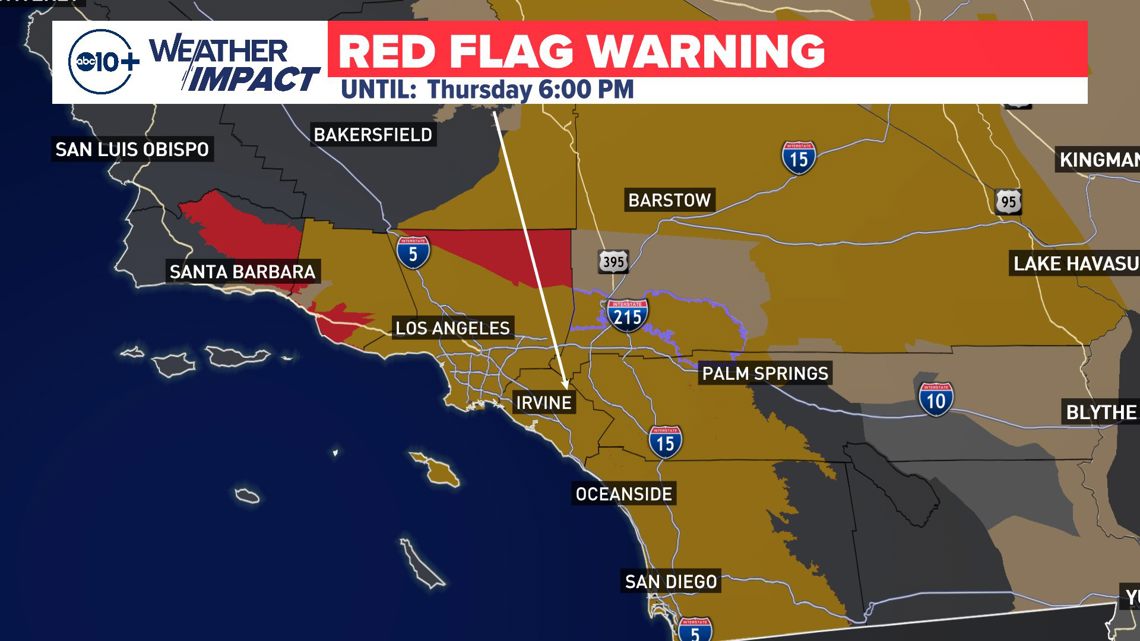
Perhaps the most notorious of California’s winds are the Santa Ana winds. These hot, dry, and often powerful winds typically sweep across Southern California during the autumn and winter months. Originating from high-pressure systems over the Great Basin, the air flows westward and downhill, warming and drying as it compresses and passes through mountain passes and canyons. The effect is often described as a “devil wind” due to its ability to rapidly increase temperatures, significantly lower humidity, and fan devastating wildfires.
Regions most affected include Los Angeles, Orange County, San Diego, and the Inland Empire. While these periods can be challenging due to fire risk and uncomfortable dryness, they are also associated with incredibly clear skies and warm temperatures, sometimes creating a surreal, almost tropical feel in the middle of winter. For travelers, understanding the seasonality of Santa Ana winds is crucial for planning activities, especially outdoor excursions, and considering accommodation with good air filtration.
Mountain and Desert Gusts
Inland California presents yet another set of wind phenomena. The Sierra Nevada mountains, while offering breathtaking vistas in places like Lake Tahoe and Mammoth Lakes, can experience strong, unpredictable winds, especially at higher elevations or in valleys that channel air currents. These winds are often influenced by frontal systems moving across the state or by localized thermal updrafts. Hikers and skiers need to be particularly mindful of these conditions for safety.
To the east, the vast deserts, including the Mojave Desert and Death Valley National Park, are characterized by intense heat and surprisingly strong winds, particularly during spring. These winds can kick up vast amounts of dust and sand, creating challenging conditions for driving and outdoor activities. Areas like Palm Springs, though famous for its sheltered resorts and golf courses, can experience significant gusts, particularly in the afternoons, due to its proximity to mountain passes. These winds are often critical for the region’s wind energy production, making wind farms a common sight, yet they also require careful planning for visitors seeking a tranquil desert escape.
Navigating Your California Getaway: Wind’s Influence on Travel & Tourism
The varying wind patterns across California undoubtedly influence travel and tourism. Rather than being a deterrent, understanding these influences allows travelers to make informed choices that enhance their overall experience, from choosing destinations and attractions to booking the perfect accommodation.
Planning Outdoor Adventures
For many, California is synonymous with outdoor activities. Hiking in Griffith Park to see the Hollywood Sign, surfing at Huntington Beach, cycling along the Big Sur coast, or exploring the dramatic cliffs of Laguna Beach—all these experiences can be profoundly affected by wind. Strong winds can make a scenic hike feel like a struggle, generate choppy waters for water sports, or simply make a leisurely beach day less enjoyable due to blowing sand.
When planning activities, especially those involving elevated viewpoints like the Griffith Observatory or open spaces, it’s wise to check the local wind forecast. Mornings generally tend to be calmer, especially along the coast, offering ideal conditions for walks or photography sessions. For activities like sailing or windsurfing, consistent breezes are, of course, a boon, and destinations like San Francisco Bay and parts of the Sacramento-San Joaquin River Delta are world-renowned for them. For others, like a romantic picnic in Napa Valley, a less windy day is preferable.
Choosing the Right Accommodation
The choice of accommodation can significantly impact your comfort during windy periods. Resorts, hotels, apartments, and villas often have varying degrees of exposure to the elements. When strong winds are expected, booking a hotel or resort with sheltered courtyards, indoor pools, or extensive indoor amenities can be a game-changer. For instance, many luxury resorts in Palm Springs or La Quinta are designed with protective landscaping and architectural features to mitigate the desert gusts, offering serene environments despite external conditions.
Consider suites or rooms on lower floors if you’re sensitive to wind noise, especially in high-rise city hotels in San Francisco or Los Angeles. When reviewing accommodation options, look for mentions of “sheltered patios,” “wind-protected outdoor dining,” or “ample indoor recreation.” For long-term stays or apartment rentals, inquire about window insulation and potential noise levels from wind. Websites offering booking, reviews, and comparison tools often include insights from previous guests regarding such details, which can be invaluable.
Enhancing Your Lifestyle Experience
Wind also shapes the local culture and lifestyle, influencing everything from dining experiences to architectural design. In windy coastal towns, outdoor dining often features windbreaks or heaters, ensuring comfort. Local festivals and events might be scheduled during traditionally calmer periods or adapted to prevailing conditions. For those embracing a luxury travel lifestyle, many exclusive resorts and spas are designed with tranquil, sheltered zones where guests can relax undisturbed.
For photographers, wind can be both a challenge and an opportunity, creating dramatic skies or dynamic movement in nature. The constant battle against the wind in San Francisco even lends itself to unique fashion trends—layers are always in vogue! By observing how locals adapt, travelers can glean valuable tips, making their experience more authentic and enjoyable. Whether it’s choosing a cozy cafe over an outdoor terrace or opting for an indoor activity like visiting the Monterey Bay Aquarium or a museum, adapting to the weather is part of the adventure.
Practical Tips for a Smooth Trip: Embracing California’s Winds
Instead of asking when the wind will stop, a more productive approach is to understand how to thrive amidst California’s atmospheric dynamics. With a few practical tips, your journey through the Golden State can be seamless and enjoyable, regardless of the breezes.
Seasonal Considerations and Best Times to Visit
Understanding the seasonal variations in wind intensity is paramount for planning. Generally, spring (March to May) can be one of the windiest seasons across much of California, as transitional weather patterns bring stronger frontal systems. Autumn (September to November) in Southern California often brings the Santa Ana winds, while coastal areas can see a decrease in their daily sea breezes as land and sea temperatures equalize. Summers (June to August) offer more consistent, though often strong, coastal breezes, which provide a welcome cooling effect. Winters (December to February) can vary, with calm days interspersed with powerful storm winds.
- For calmer coastal experiences: Aim for early mornings in summer, or consider late autumn/early winter, outside of potential Santa Ana wind events in the south.
- For desert exploration (e.g., Joshua Tree National Park or Death Valley National Park): Late autumn or early spring typically offer pleasant temperatures but be prepared for potential wind and dust. Winter can be surprisingly calm.
- For mountain adventures (e.g., Lake Tahoe or Yosemite National Park): Summer and early autumn generally provide the most stable weather, though high-altitude winds are always a possibility.
Always check local forecasts just before and during your trip, as microclimates can lead to significant variations even within short distances.
Packing Essentials and Preparedness
A well-packed suitcase is your best defense against California’s winds. Layers are non-negotiable, especially for coastal areas or mountain regions where temperatures can fluctuate rapidly and winds make it feel much cooler. Even on sunny days, a windbreaker or a medium-weight jacket can be indispensable.
- Clothing: Pack versatile layers, including a sturdy windbreaker or waterproof jacket. Long pants and closed-toe shoes are advisable for many outdoor activities, protecting against dust and cooler air.
- Accessories: A hat that secures well (or even a beanie) is crucial in windy areas like San Francisco or open desert landscapes. Sunglasses protect your eyes from sun and blowing dust, and a scarf can be useful for both warmth and dust protection.
- Hydration: Wind can be dehydrating, especially dry desert winds. Always carry a reusable water bottle.
- Sunscreen: Even on windy or cloudy days, the sun’s UV rays in California can be intense. Apply sunscreen regularly.
Flexibility and Alternative Plans
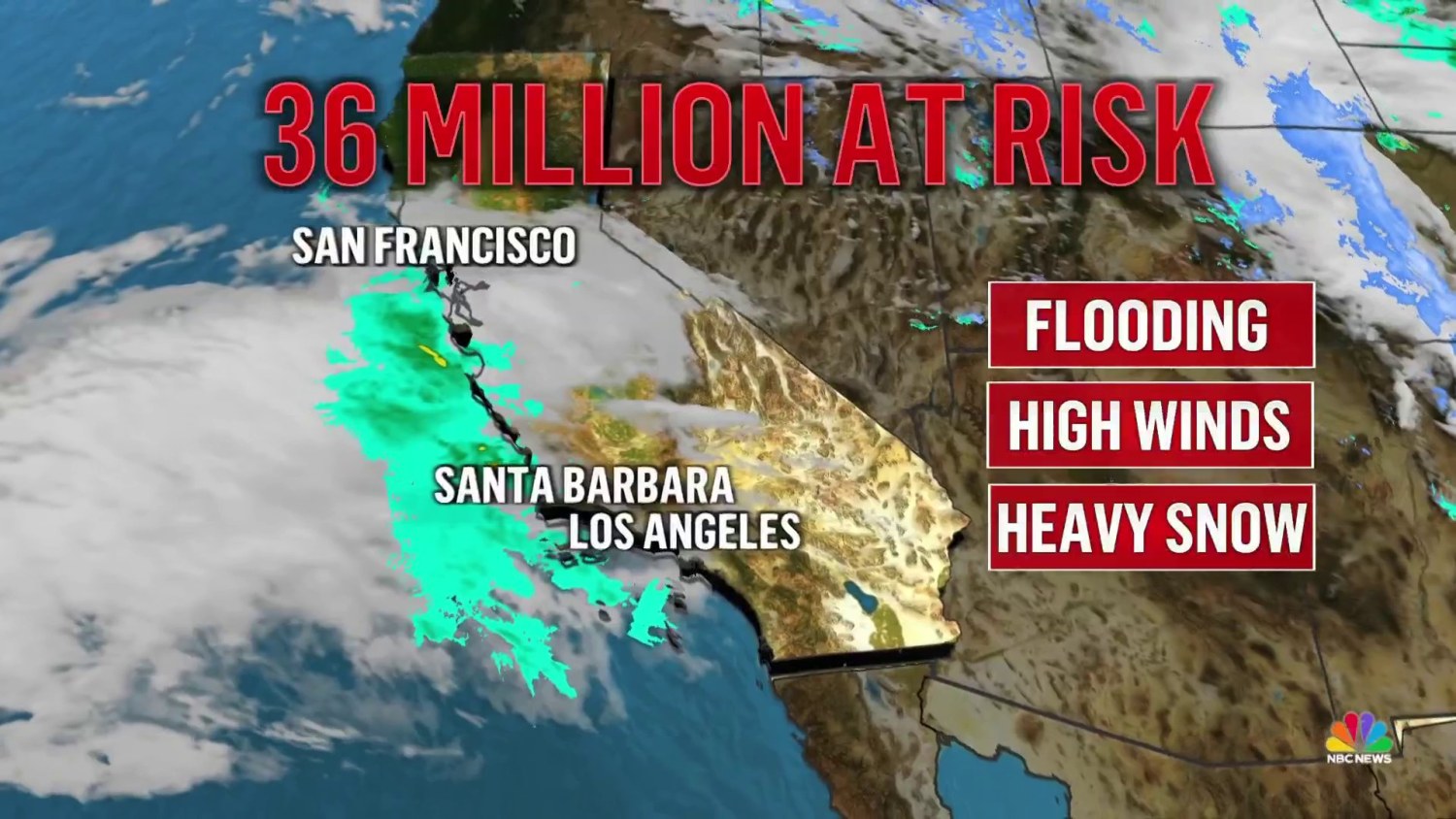
One of the most valuable tips for travel in California is to embrace flexibility. If a planned beach day in Santa Monica turns out to be unexpectedly gusty, have a backup plan. California is rich with indoor attractions, from world-class museums like The Getty Center in Los Angeles or the California Academy of Sciences in San Francisco, to shopping districts, vibrant food scenes in places like Sausalito, and entertainment hubs like Universal Studios Hollywood or Disneyland.
Consider visiting landmarks that are less exposed, such as the historic interiors of Hearst Castle, or exploring charming small towns with quaint shops and cafes. Many hotels, especially resorts, offer excellent indoor amenities like spas, fitness centers, and gourmet restaurants, providing comfortable alternatives when outdoor conditions are less than ideal. Keeping an eye on weather apps and being prepared to pivot plans will ensure your trip remains enjoyable and stress-free.
In conclusion, the wind in California is not an obstacle to be avoided but rather a dynamic force that shapes the state’s character and diverse experiences. By understanding its patterns, preparing appropriately, and embracing flexibility, you can transform potential challenges into unique opportunities. Whether you’re seeking a serene escape, an adventurous journey, or a luxurious retreat, California continues to offer an unforgettable backdrop, breezes and all. So, rather than waiting for the wind to stop, learn to dance with it and discover the many facets of this incredible destination.
LifeOutOfTheBox is a participant in the Amazon Services LLC Associates Program, an affiliate advertising program designed to provide a means for sites to earn advertising fees by advertising and linking to Amazon.com. Amazon, the Amazon logo, AmazonSupply, and the AmazonSupply logo are trademarks of Amazon.com, Inc. or its affiliates. As an Amazon Associate we earn affiliate commissions from qualifying purchases.