
For travelers planning an escape to the breathtaking landscapes of Northern California, understanding the nuances of its fire season has become an essential part of trip preparation. While the immediate question “Where are fires?” often seeks a real-time answer, this article delves deeper into how wildfires impact travel, tourism, accommodation, and the overall lifestyle of visiting this stunning region. It’s about more than just avoiding affected areas; it’s about responsible travel, informed decision-making, and experiencing the resilience of a destination that continues to enchant visitors year after year.
Northern California boasts an incredible diversity of attractions, from the towering redwoods of Humboldt County and Redwood National Park to the world-renowned vineyards of Napa Valley and Sonoma County, the majestic peaks of the Sierra Nevada and Mount Shasta, and the iconic urban charm of San Francisco. Each year, particularly during the late summer and fall, wildfires can pose significant challenges, altering itineraries and demanding a heightened sense of awareness from locals and tourists alike. This guide aims to equip you with the knowledge to navigate these conditions, ensuring your Northern California adventure remains safe, enjoyable, and unforgettable.

Understanding Northern California’s Fire Season
Wildfires are a natural, albeit often destructive, part of the California ecosystem, particularly in its northern regions. While they can occur at any time, the fire season typically intensifies from late spring through late fall, peaking in the hottest and driest months. Understanding the factors that contribute to these events is crucial for any traveler.
Causes and Contributing Factors
The primary drivers of wildfires in Northern California are a complex interplay of natural and human elements. Prolonged droughts, exacerbated by climate change, leave vast areas of vegetation incredibly dry, turning forests and grasslands into tinderboxes. High temperatures and strong, dry winds, such as the Diablo winds in the Bay Area or the Santa Ana winds further south (though less prevalent in Northern California itself), can rapidly spread small ignitions into large, uncontrollable blazes.
Human activity is also a significant factor, with sparks from faulty power lines, campfires, discarded cigarettes, vehicle malfunctions, and even arson being common ignition sources. While lightning strikes cause some natural fires, especially in remote wilderness areas, a substantial number of fires are preventable. For travelers, this underscores the importance of adhering to fire safety regulations, especially when enjoying outdoor activities like camping or hiking in national forests and parks.
Geographical Impact and Hotspots
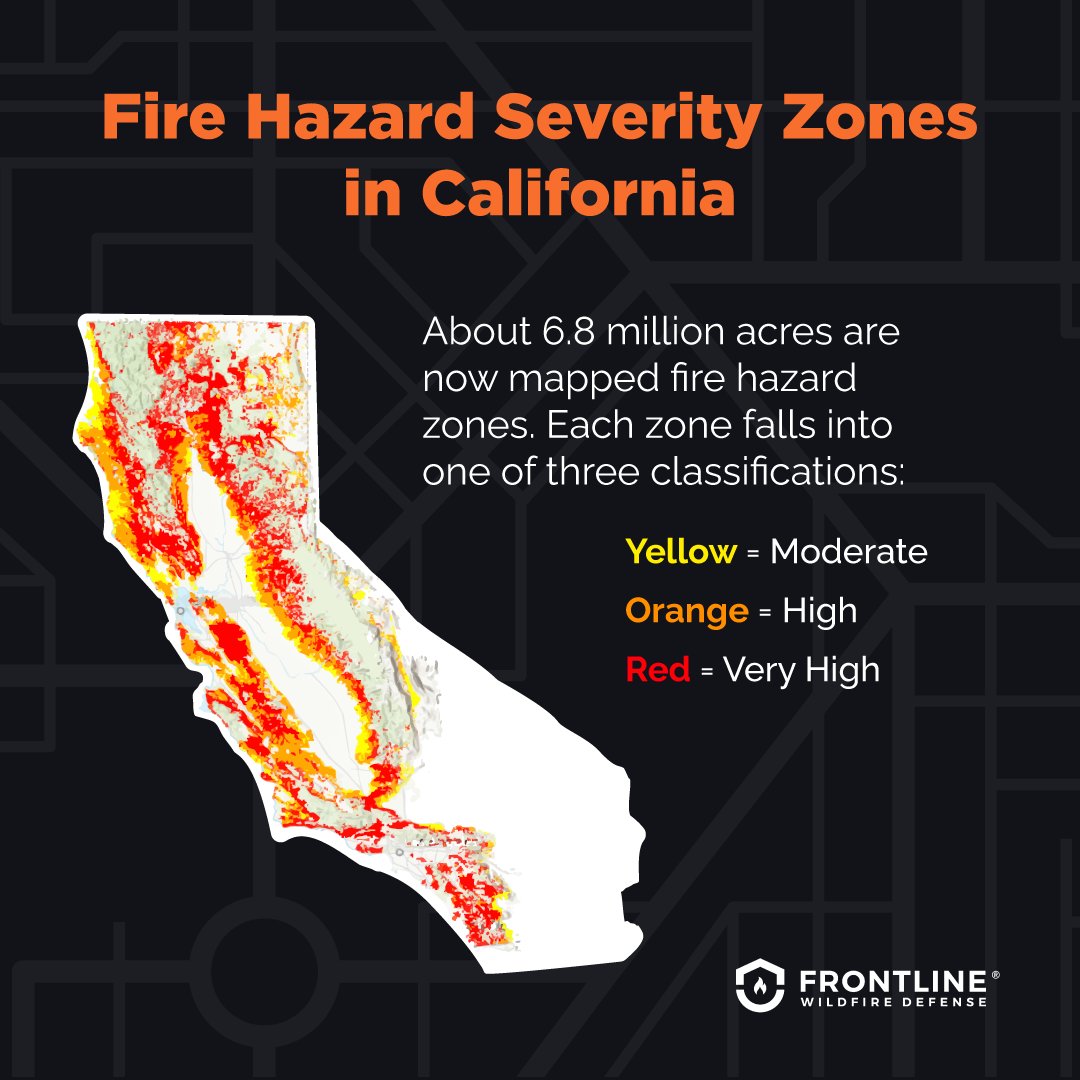
While no area is entirely immune, certain regions in Northern California are historically more susceptible to significant wildfire activity. The wildland-urban interface, where development meets undeveloped natural land, is particularly vulnerable. Areas rich in dense forests and chaparral, such as parts of the Sierra Nevada foothills, the Coastal Ranges (including portions of Sonoma County, Napa Valley, and Mendocino), and the Shasta Cascade region around Mount Shasta and Lake Tahoe, frequently experience fire activity.
Major metropolitan areas like San Francisco or the state capital, Sacramento, are less likely to be directly impacted by the flames themselves, but they can suffer from poor air quality due to smoke plumes traveling hundreds of miles. This highlights that even if your chosen destination is not in a direct fire zone, indirect impacts such as smoky skies can still affect your travel experience, particularly for outdoor activities.
Navigating Travel During Fire Season: What You Need to Know
Traveling through Northern California during fire season requires diligence and a proactive approach. The key is staying informed and being prepared for potential changes to your plans.
Prioritizing Traveler Safety and Preparedness
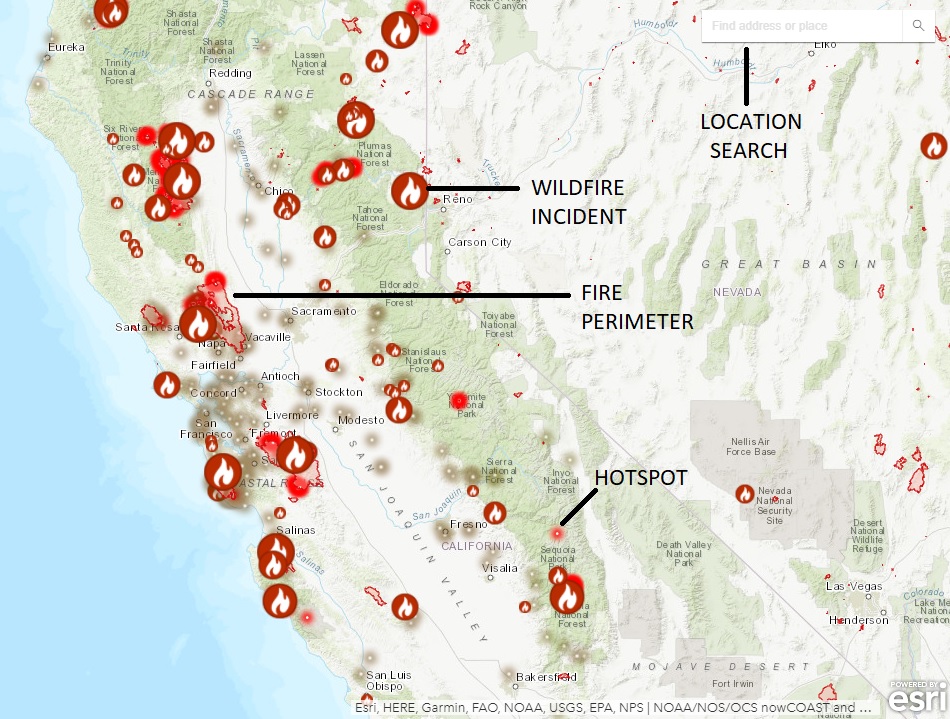
Your safety should always be the top priority. Before and during your trip, monitor official sources for fire updates. The California Department of Forestry and Fire Protection (CAL FIRE), the National Wildfire Coordinating Group (NWCG), and local county emergency services websites are invaluable resources. Pay close attention to evacuation orders and warnings. If an area is under an evacuation order, do not attempt to visit or remain there.
Consider creating a small emergency kit for your vehicle, especially if you plan to drive through more rural areas. This might include water, snacks, a first-aid kit, a flashlight, a portable phone charger, and a physical map in case GPS is unreliable or cell service is lost. Inform someone of your itinerary, especially if you’re venturing into remote areas. For those staying in hotels or resorts, familiarize yourself with their emergency exits and evacuation procedures. Luxury hotels, like the fictional Sonoma Grand Estate or a charming boutique Napa Valley Inn, often have sophisticated safety protocols in place, but it’s always wise to know the basics yourself.
Air Quality and Health Considerations
Even distant fires can lead to significant drops in air quality, impacting destinations far from the flames. Smoke contains fine particulate matter that can irritate eyes, throat, and lungs, and pose serious health risks, particularly for individuals with respiratory conditions like asthma or heart disease. Before heading out each day, check air quality indices (AQI) through resources like AirNow.gov or local news outlets.
If the AQI is high (e.g., above 100-150), outdoor activities should be limited or avoided. This might mean swapping a planned hike in Yosemite National Park for an indoor activity in San Francisco or exploring a museum in Sacramento. Wearing an N95 mask can offer some protection when air quality is moderately poor, but it’s best to stay indoors with windows closed and air conditioning set to recirculate if conditions are severe.
Impact on Attractions and Outdoor Activities
Wildfires can lead to temporary closures of national parks, state parks, forests, and other outdoor recreational areas. Roads, including scenic routes like portions of the Pacific Coast Highway in certain sections if fire is nearby, might be closed for safety. Before embarking on any outdoor adventure, check the official websites of the specific park or attraction for real-time updates on closures, advisories, and conditions.
Wineries in Napa Valley or Sonoma County might cancel tastings or tours due to smoke or proximity to a fire. Events, festivals, and concerts could also be postponed or canceled. Always confirm directly with the venue or organizer. This dynamic situation means flexibility is paramount to enjoying your trip without unnecessary risks or disappointments.
Smart Planning for Your Northern California Adventure
Proactive planning is key to a successful and stress-free Northern California experience, especially during fire season.
Flexible Bookings and Travel Insurance
When booking flights, hotels, or rental cars, opt for options with flexible cancellation or rebooking policies. Many airlines and hotels now offer more lenient terms, but it’s crucial to read the fine print. Consider purchasing travel insurance that covers fire-related disruptions, such as mandatory evacuations, flight cancellations due to smoke, or accommodations becoming uninhabitable. Standard travel insurance policies vary, so ensure you choose one that specifically includes such events.
For accommodation, inquire directly with the property about their fire safety plans and cancellation policies related to natural disasters. Many resorts and hotels, like the upscale Lake Tahoe Serenity Resort or a cozy Mendocino B&B, are well-versed in handling fire season challenges and can provide peace of mind.
Seeking Alternative Destinations and Experiences
If your initial plans are impacted by fires or smoke, Northern California offers a wealth of alternatives. If a national forest is closed, consider urban exploration in San Francisco, visiting museums like the California Academy of Sciences or the Exploratorium, or taking a ferry ride to Alcatraz Island. The state capital, Sacramento, boasts a vibrant food scene and historical sites like Old Sacramento State Historic Park.
Coastal areas, generally less prone to direct fire impact, can offer refuge from inland smoke. Exploring charming towns along the coast, enjoying beach walks, or indulging in fresh seafood can be wonderful alternatives. Even within fire-affected counties, often only specific zones are impacted, leaving large parts of the region perfectly safe and open for tourism. A quick check of local tourism boards can provide up-to-date information on what’s open and safe to visit.
Supporting Local Communities Responsibly
When fires do occur, local communities can suffer significant economic hardship due to decreased tourism. If your plans are minimally impacted, or if you find safe alternatives within the region, consider supporting local businesses. Dine at local restaurants, shop at small boutiques, and book tours with local operators. Your tourism dollars can play a vital role in their recovery and resilience.
Engage with locals respectfully, recognizing that they may be directly affected by the fires. Avoid spreading misinformation and rely on official sources for updates. Being a responsible and compassionate traveler during challenging times is part of a positive lifestyle experience.
Accommodation and Lifestyle Choices in Challenging Times
Your choice of accommodation and how you approach your daily activities during fire season can significantly enhance your safety and enjoyment.
Selecting Fire-Aware Hotels and Resorts
When booking accommodation, inquire about fire safety measures. Many modern hotels and resorts, including chains like the Grand Hyatt San Francisco or luxury boutique properties, are built to higher fire safety standards and have comprehensive emergency plans. Look for properties with robust air filtration systems to combat smoke, especially if air quality is a concern. Some accommodations might even offer N95 masks to guests during periods of poor air quality.
Consider staying in larger cities or areas less prone to direct fire impact. While a rustic cabin in a national forest might be appealing, during peak fire season, a hotel in a town center might offer greater peace of mind and easier access to emergency services if needed. Many high-end Northern California hotels now incorporate amenities that cater to a safety-conscious traveler, from in-room air purifiers to detailed emergency communication protocols.
Sustainable Travel Practices
Beyond direct fire safety, travelers can adopt a more sustainable approach to their Northern California adventures. This includes minimizing your own fire risk: properly extinguishing campfires (if allowed), disposing of cigarettes responsibly, and avoiding activities that could cause sparks in dry vegetation. Support businesses that prioritize environmental stewardship and resilient tourism practices.
Choosing eco-friendly accommodations, reducing waste, and conserving water are all parts of a lifestyle that helps protect the natural beauty of Northern California from the threats of climate change and environmental degradation, which contribute to the severity of fire seasons.
The Resilient Spirit of Northern California Tourism
Despite the annual challenges posed by wildfires, Northern California remains an unparalleled travel destination. Its communities, tourism industry, and natural landscapes have demonstrated incredible resilience. While the question “Where are fires?” is a valid and important one for planning, the enduring spirit of the region ensures that its beauty and allure persist.
By staying informed, prioritizing safety, being flexible with your itinerary, and supporting local businesses, you can still have an enriching and memorable trip. Northern California continues to offer diverse destinations, unique attractions, luxurious hotels, and authentic cultural experiences, even amidst the complexities of fire season. Responsible tourism is about engaging with a destination thoughtfully, understanding its challenges, and contributing positively to its future. With proper preparation, your journey through this magnificent part of California will undoubtedly be a rewarding one.
LifeOutOfTheBox is a participant in the Amazon Services LLC Associates Program, an affiliate advertising program designed to provide a means for sites to earn advertising fees by advertising and linking to Amazon.com. Amazon, the Amazon logo, AmazonSupply, and the AmazonSupply logo are trademarks of Amazon.com, Inc. or its affiliates. As an Amazon Associate we earn affiliate commissions from qualifying purchases.