
California is a land of unparalleled beauty and diverse landscapes, attracting millions of visitors each year with its sun-kissed beaches, towering ancient forests, vibrant cities, and majestic mountain ranges. From the iconic Golden Gate Bridge to the serene Yosemite National Park, the Golden State offers an endless array of experiences for every type of traveler. However, beneath this picturesque facade lies a formidable challenge that has become an increasingly prominent feature of the California landscape: wildfires.
These catastrophic events, while a natural part of the ecosystem, have grown in frequency, intensity, and destructiveness, profoundly impacting communities, natural resources, and, inevitably, the state’s vital tourism and travel industries. Understanding “where fire California” rages is not merely about tracking blazes on a map; it’s about comprehending the complex interplay of environmental factors, human activity, and the resilience required to navigate and rebuild. For those planning a trip, living in, or simply admiring the state, acknowledging the reality of wildfires is essential to ensuring safe and responsible travel, protecting the stunning destinations, and supporting the communities that rely on tourism.
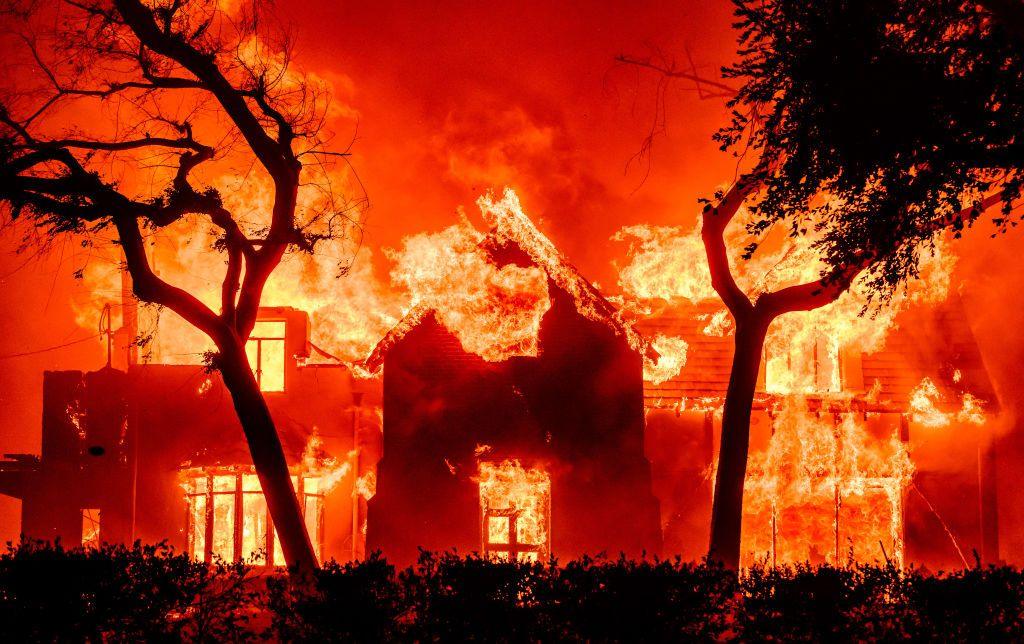
This article delves into the phenomenon of California wildfires, exploring their causes, the immediate and lasting effects on various facets of travel, accommodation, and lifestyle, and offering insights into how visitors can navigate the state responsibly. From the luxury resorts that must adapt to the challenges, to the charming small towns that face the brunt of destruction, to the breathtaking landmarks that are temporarily obscured or threatened, we will examine the landscape of fire and its implications for the Golden State’s tourism future.
The Anatomy of a Wildfire Season in California
Understanding the “where” of California wildfires begins with grasping the conditions that fuel them and the regions most susceptible to their devastating reach. These aren’t random occurrences but rather a complex weave of climate, geography, and human interaction.
Understanding the Causes and Geography
California’s unique Mediterranean climate, characterized by hot, dry summers and mild, wet winters, creates prime conditions for wildfires. During the prolonged dry seasons, vegetation—from chaparral to towering redwoods—becomes tinder-dry. This natural predisposition is exacerbated by a range of factors. Drought conditions, a recurring issue for the state, leave forests and grasslands parched and highly combustible. Adding to this volatility are the infamous wind events: the Santa Ana winds in Southern California and the Diablo winds in Northern California. These powerful, dry winds act like bellows, fanning small fires into infernos and carrying embers for miles, making containment incredibly challenging.
While natural phenomena like lightning strikes can ignite fires, human activity is often the primary culprit. Faulty power lines, accidental sparks from equipment, unattended campfires, discarded cigarettes, and even arson contribute to a significant percentage of ignitions. The wildland-urban interface, where human developments encroach upon wildlands, further amplifies the risk, placing homes, businesses, and lives directly in harm’s way.
Geographically, almost no part of California is entirely immune. Historically, the Sierra Nevada mountain range has seen large-scale forest fires, impacting vast tracts of timberland and national parks like Sequoia National Park and Kings Canyon National Park. The wine country regions of Napa Valley and Sonoma Valley have repeatedly faced devastating blazes, such as the 2017 Napa and Sonoma County fires, which ravaged vineyards and communities, including parts of Santa Rosa. Southern California has seen its share of destructive fires, including the Woolsey Fire that impacted areas like Malibu and Malibu Creek State Park, and the Thomas Fire which became California’s largest modern fire at the time. The 2018 Camp Fire famously decimated the town of Paradise in Northern California, while the more recent Dixie Fire burned through the Sierra Nevada foothills, threatening parts of the Lassen Volcanic National Park.
Seasonal Patterns and Predictive Measures
Wildfire season in California typically runs from late summer through late fall, with peak activity often occurring in September and October. However, with climate change contributing to hotter and drier conditions, the season has expanded, making year-round fire threats a growing concern.
To combat this, the state relies heavily on agencies like Cal Fire and the US Forest Service. These organizations monitor weather patterns, fuel moisture levels, and wind forecasts to issue crucial warnings, such as “Red Flag Warnings,” which alert communities to extreme fire danger. Predictive models are constantly being refined to better anticipate where fires might ignite and how they might spread, allowing for pre-positioning of resources and proactive evacuations. These measures are vital, not just for resident safety but also for informing travelers about potential risks and closures.
Immediate and Long-Term Impacts on Travel and Tourism
The impact of wildfires on California’s robust travel and tourism sector is multifaceted, ranging from immediate disruptions to lingering economic and emotional challenges.
Disruptions to Destinations and Attractions
When fires ignite, the immediate effect is often the closure of popular tourist destinations. National parks, including large sections of Yosemite National Park and Sequoia National Park, frequently close to ensure visitor safety and allow emergency crews to operate. State parks, national forests, and wilderness areas, popular for hiking, camping, and fishing, are also routinely shut down. Air quality, even hundreds of miles from an active blaze, can become hazardous due to smoke, leading to advisories against outdoor activities. This can deter visitors from even seemingly unaffected urban centers. For instance, the majestic Golden Gate Bridge in San Francisco, while physically untouched, can be shrouded in an unhealthy haze, diminishing the visitor experience and causing cancellations. Major theme parks like Disneyland in Orange County might issue travel advisories or see a dip in attendance during severe wildfire events, even if geographically distant, due to generalized concerns about air quality and safety across the state.
Beyond direct closures, wildfires disrupt the very essence of California’s tourism appeal. Wine tasting experiences in Napa Valley or Sonoma Valley can be halted, outdoor adventures in the Sierra Nevada or Big Sur become impossible, and scenic drives along the coast might be marred by detours or visible destruction. The psychological impact on potential visitors, seeing images of fire-ravaged landscapes, can lead to widespread cancellations and a reluctance to visit the state even after the fires are contained.
Accommodation Challenges and Adaptations
The accommodation sector bears a significant brunt of wildfires. Hotels, resorts, and vacation rentals in affected areas may face mandatory evacuations, leading to immediate closures and substantial revenue loss. Luxury properties like the Post Ranch Inn in Big Sur or Auberge du Soleil in Rutherford (Napa Valley), known for their exclusivity and stunning natural settings, have had to implement sophisticated emergency protocols and sometimes endure closures, impacting high-spending guests and staff. Similarly, hotels in cities like Santa Barbara, while not directly in the fire path, might be overwhelmed by evacuees, requiring them to shift from catering to tourists to providing emergency lodging.
Platforms like Airbnb and VRBO often activate emergency policies, allowing hosts and guests to cancel bookings without penalty and sometimes even offering free accommodations to displaced residents and first responders. The long-term impact on properties can be catastrophic, with some luxury resorts needing extensive rebuilding and renovation after suffering damage. Even properties spared direct fire damage can face prolonged periods of reduced occupancy due to lingering smoke, infrastructure issues, or a general downturn in tourism interest. The Four Seasons Resort The Biltmore Santa Barbara, for example, has faced disruptions due to nearby fires and subsequent mudslides. The resilience of the hospitality industry, exemplified by establishments like The Ritz-Carlton, Laguna Niguel which often serves as a beacon of luxury in Southern California, is continuously tested.
Economic Repercussions and Community Resilience

The economic toll of wildfires on California’s tourism sector is immense. Loss of visitor spending impacts local businesses, from family-owned restaurants and boutique shops to tour operators and service providers. This ripple effect can lead to job losses, reduced tax revenues, and a slowdown in local economies. Communities like Paradise, completely razed by the Camp Fire, face an arduous journey of rebuilding, not just homes but also their entire economic base, including any semblance of tourism infrastructure.
Despite the devastation, there’s a powerful spirit of resilience that emerges. The hashtag “Paradise Strong” became a symbol of a community determined to rebuild. Support often pours in from across the state and nation, with organizations like the California Community Foundation and the American Red Cross providing crucial aid. Many local businesses, once displaced, find ways to reopen, often with the support of their loyal patrons and community initiatives. For visitors, understanding this resilience and choosing to visit recovering areas when it’s safe and appropriate becomes a powerful act of support, contributing directly to the long-term economic recovery of these impacted regions.
Navigating California Travel During Wildfire Season
For those determined to experience the wonders of California, especially during the traditional wildfire season, informed and responsible travel is paramount.
Essential Preparedness and Safety Tips
The first and most crucial step is to stay informed. Before and during your trip, regularly check official sources like Cal Fire for active fire incidents, the US Forest Service for national forest closures, and state park websites for specific park conditions. Local news outlets and county sheriff’s departments provide real-time updates on evacuations and road closures. Websites that monitor air quality, such as AirNow.gov, are invaluable tools for assessing conditions in your planned destinations.
Travel insurance is an increasingly vital consideration for any trip to California, especially during wildfire season. Policies that cover trip interruptions, cancellations due to natural disasters, or emergency medical evacuations can provide peace of mind and financial protection. Opting for flexible booking options, such as refundable hotels and flights, is also a wise strategy.
If you are traveling by car, know your route and potential alternative routes in advance. Keep your phone charged and have an emergency kit in your vehicle, including water, snacks, a first-aid kit, and any necessary medications. Familiarize yourself with local emergency alerts and be prepared to evacuate if advised by authorities. When visiting natural areas, adhere strictly to all fire restrictions, such as those regarding campfires or spark-producing activities.
Responsible Tourism and Supporting Recovery
Choosing to travel responsibly during wildfire season means making conscious decisions that prioritize safety and support the state’s recovery efforts. If a region is actively battling fires or is under an evacuation order, it is imperative to avoid that area. Instead, consider exploring the many other stunning parts of California that are unaffected. San Diego, Los Angeles, and San Francisco typically have large urban cores that remain open, though air quality may vary. Coastal gems like Santa Cruz, Monterey, and Carmel-by-the-Sea often escape the direct impact of inland fires, offering beautiful alternatives. Even inland, areas like Palm Springs and the Greater Palm Springs area, while prone to heat, are typically less susceptible to the type of forest fires seen in the Sierra Nevada or chaparral fires further west.
When visiting communities that have recently experienced fires and are in the recovery phase, your presence can be a powerful form of support. Spend your money locally—dine at their restaurants, shop at their small businesses, and stay in their hotels. This direct infusion of cash helps these communities get back on their feet. Ensure you are respectful of the recovery process; avoid areas still undergoing cleanup or reconstruction, and remember that local residents may have experienced significant trauma. Volunteering with reputable organizations or donating to relief funds like the California Community Foundation can also make a tangible difference.
The Future of Travel in Fire-Prone California
As wildfires become an increasingly persistent challenge, California’s tourism and hospitality sectors are actively evolving, adopting innovative strategies for both prevention and adaptation.
Innovation in Fire Management and Prevention
The state is investing heavily in cutting-edge technologies and practices to mitigate wildfire risks. This includes advanced satellite monitoring and drone technology for early detection, sophisticated AI-driven models to predict fire behavior, and expanded alert systems that deliver critical information directly to residents and visitors. Forest management practices are undergoing significant changes, focusing on controlled burns, aggressive fuel reduction programs (thinning forests, clearing undergrowth), and creating defensible spaces around communities.
On the infrastructure front, utility companies are hardening power grids, burying lines, and employing public safety power shutoffs during extreme wind events, although these measures can also cause inconvenience. Innovations in construction are leading to more fire-resistant building materials and designs, particularly important for homes and accommodation in high-risk areas. For instance, new luxury resorts are often designed with extensive landscaping that serves as a firebreak and uses materials less prone to ignition. These collective efforts aim to reduce the likelihood of large-scale fires and protect both natural and developed assets.
Adapting Tourism for a Changing Climate
The tourism industry in California is also adapting to ensure its long-term viability. This involves promoting shoulder seasons (spring and late fall/early winter) as ideal times to visit, when fire risk is typically lower and crowds are smaller. Destinations are diversifying their offerings, encouraging visitors to explore less fire-prone regions or focusing on indoor attractions in urban centers during peak fire season. For example, while Yosemite National Park’s Yosemite Valley might face closures, the vibrant arts scene in Los Angeles or the culinary experiences of San Francisco remain largely unaffected.
Educational initiatives are also key, informing visitors about the importance of fire safety, the role of responsible outdoor recreation, and how their choices can impact the environment. Hotels and tour operators are integrating fire safety information into their guest communications and training their staff to assist visitors during emergencies. Furthermore, there’s a growing emphasis on “regen tourism,” where visitors actively contribute to the regeneration of natural landscapes or communities. This could involve participating in tree-planting initiatives or contributing to local conservation efforts, turning a holiday into a meaningful act of environmental stewardship. Communities that have recovered, such as portions of Napa and Sonoma counties, are re-emerging with renewed vigor, inviting guests to witness their resilience and enjoy their world-class offerings. New destinations and types of lifestyle travel, such as glamping in less fire-prone areas like Joshua Tree National Park or exploring the unique geological formations of Death Valley National Park, are also being highlighted. Even areas like Lake Tahoe, which has seen fires on its shores, are investing in protective measures to keep their natural beauty accessible.

Conclusion
California’s enduring allure as a premier global travel destination is undeniable. From the majestic redwoods of Redwood National Park to the bustling streets of Los Angeles, and from the historical charm of Sacramento to the tech hub of San Jose, the state offers an incredible tapestry of experiences. However, the increasing intensity and frequency of wildfires present a profound and ongoing challenge that reshapes how we understand and engage with this beautiful, yet vulnerable, land.
The question “Where fire California” is not just about locations of current blazes, but about the collective responsibility to understand, prepare, and adapt. For travelers, this means being informed, exercising caution, and making choices that support the state’s resilience. For the tourism and hospitality industries, it signifies an ongoing commitment to innovation, safety, and sustainable practices. Whether it’s a family trip to Disneyland, a luxury stay at a coastal resort, or an adventurous hike near the Hollywood Sign, the spirit of California remains vibrant and welcoming. By embracing responsible travel and supporting the communities working tirelessly to rebuild and protect their homes and natural wonders, visitors can continue to experience the Golden State’s magic, contributing to its enduring legacy for generations to come. From small coastal towns like Pescadero and Half Moon Bay to more remote destinations like Mendocino and Humbolt County or the Russian River Valley, California invites exploration, with a renewed emphasis on thoughtful and informed journeys.
LifeOutOfTheBox is a participant in the Amazon Services LLC Associates Program, an affiliate advertising program designed to provide a means for sites to earn advertising fees by advertising and linking to Amazon.com. Amazon, the Amazon logo, AmazonSupply, and the AmazonSupply logo are trademarks of Amazon.com, Inc. or its affiliates. As an Amazon Associate we earn affiliate commissions from qualifying purchases.