
For travelers planning a dream escape to the Golden State, the question “Where in California is the fire?” is more than a simple query – it’s a critical consideration that impacts travel itineraries, accommodation choices, and overall trip enjoyment. California, a land of breathtaking diversity, from sun-kissed beaches to snow-capped peaks, vibrant cities to serene deserts, is undeniably one of the world’s most alluring destinations. However, it’s also a region that experiences annual wildfire seasons, a natural phenomenon that, while concerning, doesn’t diminish the state’s enduring appeal as a premier travel destination when approached with proper planning and awareness.

This article aims to provide a comprehensive guide for travelers navigating California’s wildfire landscape, offering insights into understanding fire patterns, ensuring safety, finding real-time information, and discovering the countless unaffected areas still ripe for exploration. Our focus is on empowering you to make informed decisions, ensuring your California adventure remains safe, enjoyable, and unforgettable, no matter the season. We’ll delve into how these events intersect with travel planning, accommodation logistics, local tourism impacts, and the various lifestyle choices available, from luxury resorts to budget-friendly stays, all while respecting the natural environment and supporting local communities.
Understanding California’s Wildfire Landscape for Travelers
The majestic landscapes of California are shaped by a unique combination of Mediterranean climate, diverse topography, and natural vegetation. While wildfires are a natural part of the ecosystem, their increasing intensity and frequency due to climate change and other factors have made them a more prominent concern for both residents and visitors. Understanding the context of these events is the first step towards a well-planned and safe trip.
The Seasonal Nature of Wildfires and What It Means for Your Trip
Wildfires in California are typically most prevalent during the warmer, drier months, generally from late spring through late autumn. This period, often referred to as “fire season,” sees an increased risk due to dry vegetation, high temperatures, and strong winds (like the Santa Ana winds in Southern California or the Diablo winds in Northern California’s Wine Country).
For travelers, this means a heightened need for vigilance during these months. The primary impacts on travel can include:
- Air Quality: Smoke from distant fires can affect air quality even in areas far from the burn zone. This is a crucial consideration for those with respiratory sensitivities. Monitoring air quality indices (AQI) becomes a standard part of daily planning.
- Road Closures and Evacuations: Active fires can lead to immediate road closures, particularly in rural or forested areas, potentially disrupting travel plans and access to certain landmarks or attractions. In severe cases, mandatory evacuations may affect hotels or accommodation providers in threatened zones.
- Park and Attraction Closures: National and State Parks, beloved for their natural beauty, are often in areas prone to wildfires. Portions, or even entire parks, may close for safety reasons or due to active fires, impacting plans for hiking, camping, or sightseeing in places like Yosemite National Park or Sequoia National Park.
- Mental Well-being: The presence of fires, even if distant, can cause anxiety for travelers. Being informed and prepared helps mitigate this stress.
It’s important to remember that fire season does not equate to the entire state being ablaze. California is an immense state, and fires are localized events. A fire in Southern California will likely have no direct impact on Northern California and vice-versa, though widespread smoke can sometimes drift.
Identifying Impacted Regions and Safe Havens
When a fire erupts, its location is paramount. Understanding California’s geography helps put things in perspective. Major population centers and tourist hubs like Los Angeles, San Francisco, and San Diego are generally large enough and often surrounded by developed areas that direct fire impact is less common, though they can experience smoke.
Historically, some regions are more susceptible to large-scale fires:
- Mountainous and Forested Areas: The Sierra Nevada range, home to magnificent national parks like Yosemite National Park, Kings Canyon National Park, and Redwood National Park, frequently sees fires, especially during prolonged droughts.
- Chaparral-covered Hills: The hills and canyons of Southern California, stretching from Santa Barbara to San Diego, are prone to fast-moving brush fires fueled by dry chaparral.
- Wine Country: Napa Valley and Sonoma Valley have experienced devastating fires, impacting vineyards, resorts, and local tourism infrastructure.
However, many iconic California destinations often remain untouched or recover quickly. Coastal cities like Monterey, Carmel-by-the-Sea, Laguna Beach, and Santa Monica are generally safer due to their proximity to the ocean and often milder, more humid climates. Desert regions such as Palm Springs and Joshua Tree National Park have their own unique fire risks, but their desert ecosystems burn differently than forests or chaparral, and they often provide an excellent alternative for those seeking clear skies and open spaces.
Even during active fire seasons, the vast majority of California remains open and welcoming. The key is to know where to look for accurate information and how to adjust your plans proactively. This approach not only ensures your personal safety but also allows you to experience the diverse beauty of the Golden State without unnecessary stress.
Planning Your California Adventure During Fire Season
Forewarned is forearmed, especially when planning travel to a region with dynamic natural conditions. A well-prepared traveler can easily navigate the challenges of California’s fire season, transforming potential anxieties into opportunities for flexible and rewarding exploration. From securing the right accommodation to understanding official alerts, strategic planning is essential.
Essential Resources for Real-Time Updates
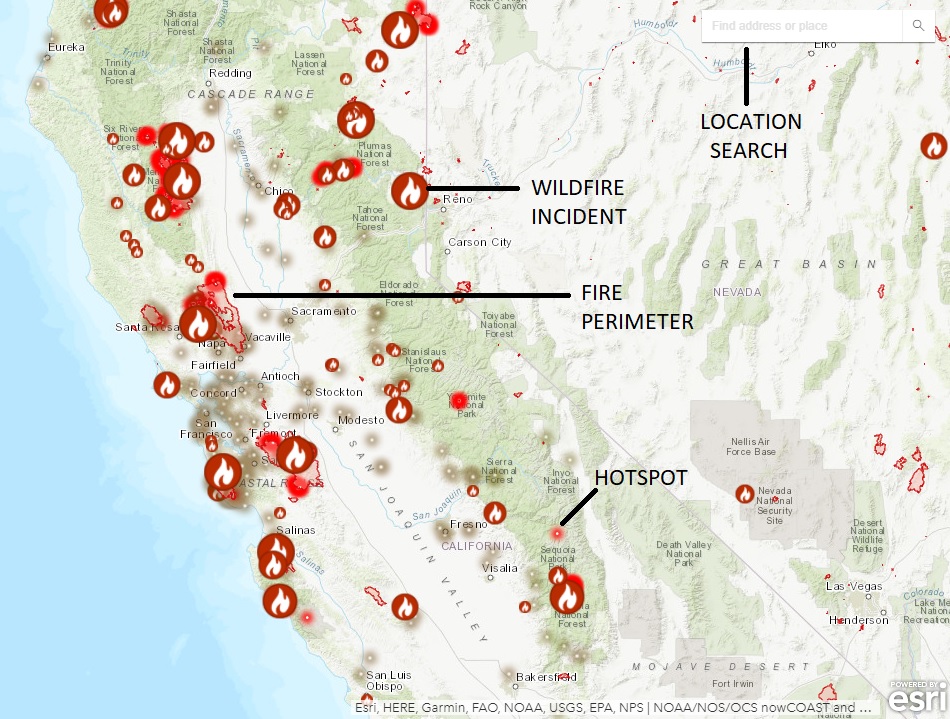
The digital age provides an abundance of resources for staying informed. For up-to-the-minute, reliable information on wildfires in California, always turn to official channels:
- Cal Fire (California Department of Forestry and Fire Protection): This is the primary authority for wildfire information in the state. Their website provides incident maps, detailed reports on active fires, containment percentages, and critical safety alerts. It’s the single most important resource for anyone concerned about current fire activity.
- National Weather Service (NWS): The NWS provides weather forecasts, red flag warnings (indicating critical fire weather conditions), and air quality alerts. Their local offices in cities like Sacramento, Los Angeles, and San Francisco offer specific regional insights.
- Local County Sheriff and Emergency Services: For granular, hyper-local information on evacuations, road closures, and community-specific alerts, check the websites and social media feeds of the sheriff’s department and emergency management agencies in the counties you plan to visit.
- National Park Service and State Parks: If your itinerary includes national parks or state parks, always consult their official websites for the latest on closures, fire activity within park boundaries, and smoke impacts. For example, before visiting Yosemite National Park, check the official park site.
- Air Quality Monitoring Sites: Websites and apps like AirNow.gov provide real-time air quality data based on your location, helping you decide if outdoor activities are advisable.
Beyond official sources, consider travel insurance. Many policies now offer “cancel for any reason” options, which can provide peace of mind if a wildfire directly impacts your chosen destination or makes travel unsafe, allowing you to recoup non-refundable expenses for hotels, flights, and tours. Always read the fine print to understand what is covered.
Flexible Itineraries and Alternative Destinations
The golden rule for travel during California’s fire season is flexibility.
- Book Flexible Accommodation: Prioritize hotels, vacation rentals, or resorts with generous cancellation policies. Many major hotel chains, from luxury properties like The Ahwahnee in Yosemite or the Ritz-Carlton, Laguna Niguel to more budget-friendly options, offer flexible booking options that can be a lifesaver if plans need to change.
- Consider Multi-Destination Trips: Instead of focusing on one area, plan a trip with several distinct destinations. This strategy makes it easier to pivot if one region becomes affected. For instance, if the Sierra Nevada is experiencing fire activity, a coastal itinerary focusing on Big Sur, Monterey, and San Francisco might be a perfect alternative.
- Explore California’s Diverse Alternatives:
- Coastal Escapes: The iconic Pacific Coast Highway offers stunning ocean views and charming towns like Santa Barbara, San Luis Obispo, and Malibu. These areas, often cooled by ocean breezes, make for excellent alternatives. Consider a stay at a boutique hotel in Carmel-by-the-Sea or a luxury experience at Post Ranch Inn in Big Sur.
- Desert Wonders: The stark beauty of the desert can be incredibly appealing. Palm Springs offers mid-century modern architecture, vibrant art scenes, and relaxing resorts. Nearby, Joshua Tree National Park and Death Valley National Park provide unique outdoor experiences, though always check conditions for extreme heat and any localized fire risks.
- Urban Adventures: Cities like Los Angeles, San Francisco, and San Diego offer endless attractions, world-class dining, and diverse cultural experiences that are rarely directly impacted by wildfires. Explore Hollywood, stroll across the Golden Gate Bridge, visit Disneyland Park or Universal Studios Hollywood, or immerse yourself in the art scene at the Getty Center and Museum of Contemporary Art. These urban centers offer numerous hotels and accommodation options, from luxury high-rises like the Waldorf Astoria Beverly Hills to charming boutique stays.
- Lake and River Regions: Consider areas around Lake Tahoe (checking for specific regional fire alerts) or other large lakes that offer water-based activities and stunning scenery.
By embracing a flexible mindset and having alternative plans, you can ensure your California trip remains a journey of discovery, even when nature throws a curveball.
Navigating Your Trip: Safety First and Supporting Local Tourism
Once your trip is underway, maintaining awareness and prioritizing safety are paramount. Furthermore, being a responsible traveler means understanding how your presence can both impact and support the local communities, especially those that might be recovering from or impacted by wildfires.
Prioritizing Personal Safety and Well-being
Your safety should always be the top priority.
- Stay Informed On The Go: Continuously monitor the official resources mentioned earlier. Many California counties have opt-in alert systems (reverse 911, Nixle) that send emergency notifications directly to your phone. Sign up for these in areas you’ll be visiting.
- Heed Warnings and Evacuation Orders: If you receive an evacuation order or are advised to avoid a specific area, do so immediately and without hesitation. Emergency services personnel are working to keep you safe, and obstructing their efforts puts everyone at risk.
- Air Quality Awareness: If air quality becomes poor due to smoke, limit outdoor activities, especially if you have respiratory conditions. Stay indoors, ensure windows and doors are closed, and use air conditioning with a recirculation setting. Consider carrying N95 masks for outdoor use if needed.
- Fire Preparedness: Familiarize yourself with fire safety protocols, especially if staying in rural accommodation or camping. Understand escape routes and emergency procedures. Never start a campfire outside of designated, approved areas, and always ensure it’s completely extinguished. Avoid activities that could spark a fire, such as discarding cigarettes or parking on dry grass.
Remember that while wildfires are serious, the vast majority of visitors to California during fire season experience no direct impact on their personal safety, provided they stay informed and follow advice.
How Travelers Can Positively Impact Affected Areas
Being a conscious traveler means more than just visiting; it means contributing positively to the places you explore.
- Support Local Businesses in Unaffected Areas: Even if your original destination is affected, consider shifting your plans to a nearby, unaffected community. Spending your tourist dollars at local shops, restaurants, hotels, and attractions helps sustain the region’s economy and supports local jobs. For instance, if Napa Valley has active fires, explore the coastal charm of Mendocino or the historical richness of Sacramento, with its Old Town Sacramento and Gold Rush history.
- Return When it’s Safe: Communities impacted by fires often rely heavily on tourism for recovery. Once areas are declared safe and open, plan a return visit. This provides vital economic support and helps communities rebuild. Many businesses, including wineries in Napa Valley and Sonoma Valley, have shown incredible resilience and are eager to welcome visitors back. Explore a wine tour on the Napa Valley Wine Train or drive the scenic Silverado Trail.
- Volunteer or Donate Responsibly: If you feel compelled to help, research reputable local charities and relief organizations (such as the California Community Foundation or local Red Cross chapters). Direct financial donations are often the most effective way to support recovery efforts.
- Respect the Environment: Adhere to “Leave No Trace” principles, especially in natural areas. This includes proper waste disposal, staying on marked trails, and respecting wildlife. These actions collectively contribute to the health and resilience of California’s ecosystems, which in turn reduces fire risk.
By being a thoughtful and informed traveler, your journey through California can be a positive force, even in the face of natural challenges.
Beyond the Flames: California’s Enduring Allure
Despite the occasional challenges posed by wildfires, the spirit of California remains undimmed. The state’s vastness, incredible diversity, and sheer number of world-class attractions ensure that there is always an extraordinary experience awaiting every traveler. From rugged coastlines to sprawling vineyards, iconic cities to serene deserts, California’s appeal is truly year-round.
The Resilience of California’s Diverse Landscapes
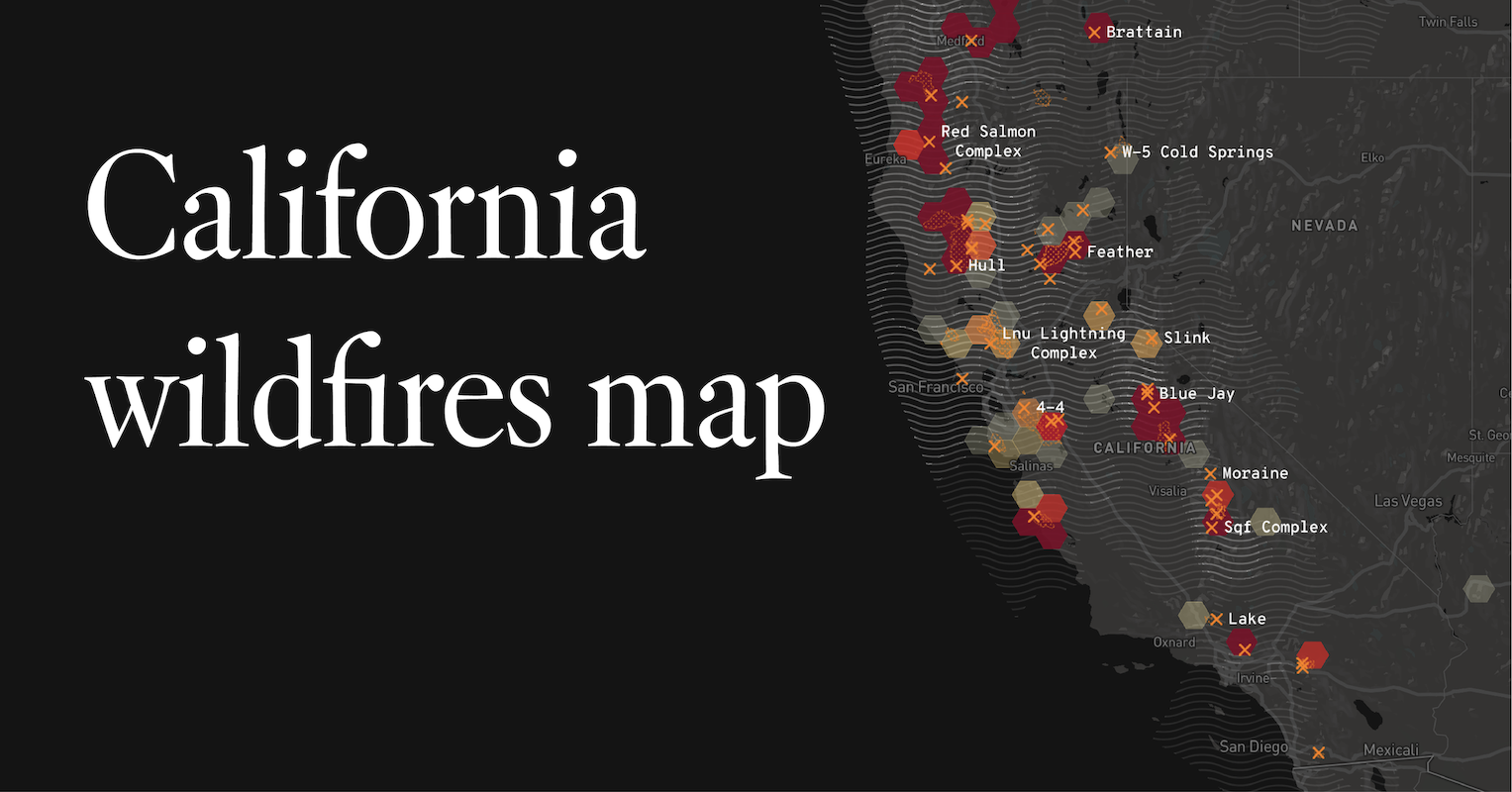
California is a tapestry of microclimates and distinct geographic regions, each offering its own unique charm. A fire affecting one corner of the state leaves countless others open for exploration.
- The Vibrant Cities: Los Angeles, with its glittering Hollywood studios, world-class dining, and diverse neighborhoods from Beverly Hills to Malibu, offers endless urban sophistication. San Francisco captivates with its cable cars, historic Alcatraz Island, bustling Pier 39, and cultural richness. San Diego delights with its laid-back coastal vibe, Balboa Park, and famous San Diego Zoo, alongside beautiful beach communities like La Jolla.
- The Stunning Coastline: The entire length of California’s coast, from the towering redwoods of the north to the sunny beaches of the south, offers unparalleled beauty. Drive the Pacific Coast Highway through Big Sur, visit the historic Hearst Castle, or enjoy whale watching in Monterey.
- The Majestic Mountains and Forests: While fire-prone, the Sierra Nevada and other mountain ranges are also home to some of America’s most iconic natural landmarks. When clear, destinations like Yosemite National Park and Lake Tahoe offer world-class hiking, skiing, and unparalleled scenic beauty.
- The Deserts and Valleys: The stark landscapes of Joshua Tree National Park and Death Valley National Park provide unique adventures, especially during the cooler months. Meanwhile, regions like the Central Valley, the agricultural heartland, offer a different perspective on the state’s bounty.
The story of California is one of constant renewal. Even in areas that have experienced fires, nature begins its slow process of recovery, revealing new growth and demonstrating the resilience of these ecosystems.
A Call to Responsible and Informed Travel
Ultimately, the question “Where in California is the fire?” is an invitation to engage in more thoughtful and responsible travel. It highlights the importance of staying informed, respecting natural environments, and supporting the communities that make California such a special place.
By utilizing the available resources, planning flexible itineraries, and choosing accommodation that offers peace of mind, you can confidently plan an incredible California trip. Embrace the adventure, explore the diverse landscapes, immerse yourself in local culture and lifestyle, and discover why California remains a top-tier destination for millions of visitors worldwide, year after year. Whether you’re seeking luxury resorts and fine dining, budget-friendly boutique hotels and outdoor experiences, or family-friendly attractions like Griffith Observatory or historic drives along Route 66, California offers an unparalleled tapestry of journeys. With a little preparation and an open mind, your next California experience will be nothing short of spectacular.
LifeOutOfTheBox is a participant in the Amazon Services LLC Associates Program, an affiliate advertising program designed to provide a means for sites to earn advertising fees by advertising and linking to Amazon.com. Amazon, the Amazon logo, AmazonSupply, and the AmazonSupply logo are trademarks of Amazon.com, Inc. or its affiliates. As an Amazon Associate we earn affiliate commissions from qualifying purchases.