
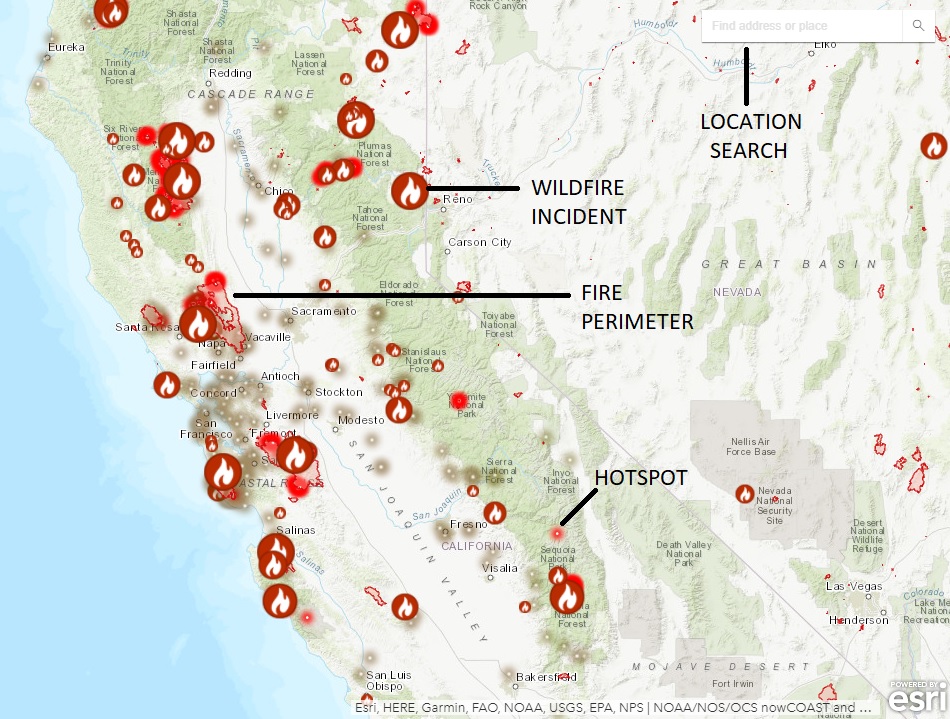
California, a state synonymous with innovation, natural beauty, and a vibrant lifestyle, also grapples with a recurring and impactful phenomenon: wildfires. The question “Where is Fire In California?” is not merely a geographical inquiry, but a critical understanding of the state’s evolving landscape, its impact on residents and visitors, and the preventative measures being taken. While “fire” in this context primarily refers to wildfires, it’s crucial to distinguish this natural force from the fiery spirit of California’s culture and attractions. This exploration delves into the regions most prone to these natural events, the contributing factors, and how they shape the travel experience within the Golden State.
Understanding California’s Fire-Prone Landscapes
California’s diverse geography, from arid deserts to dense forests and coastal chaparral, creates a complex mosaic of fire-prone ecosystems. Understanding these regions is key to appreciating the scale and impact of wildfires.
The Chaparral and Scrublands: A Tinderbox Waiting to Ignite
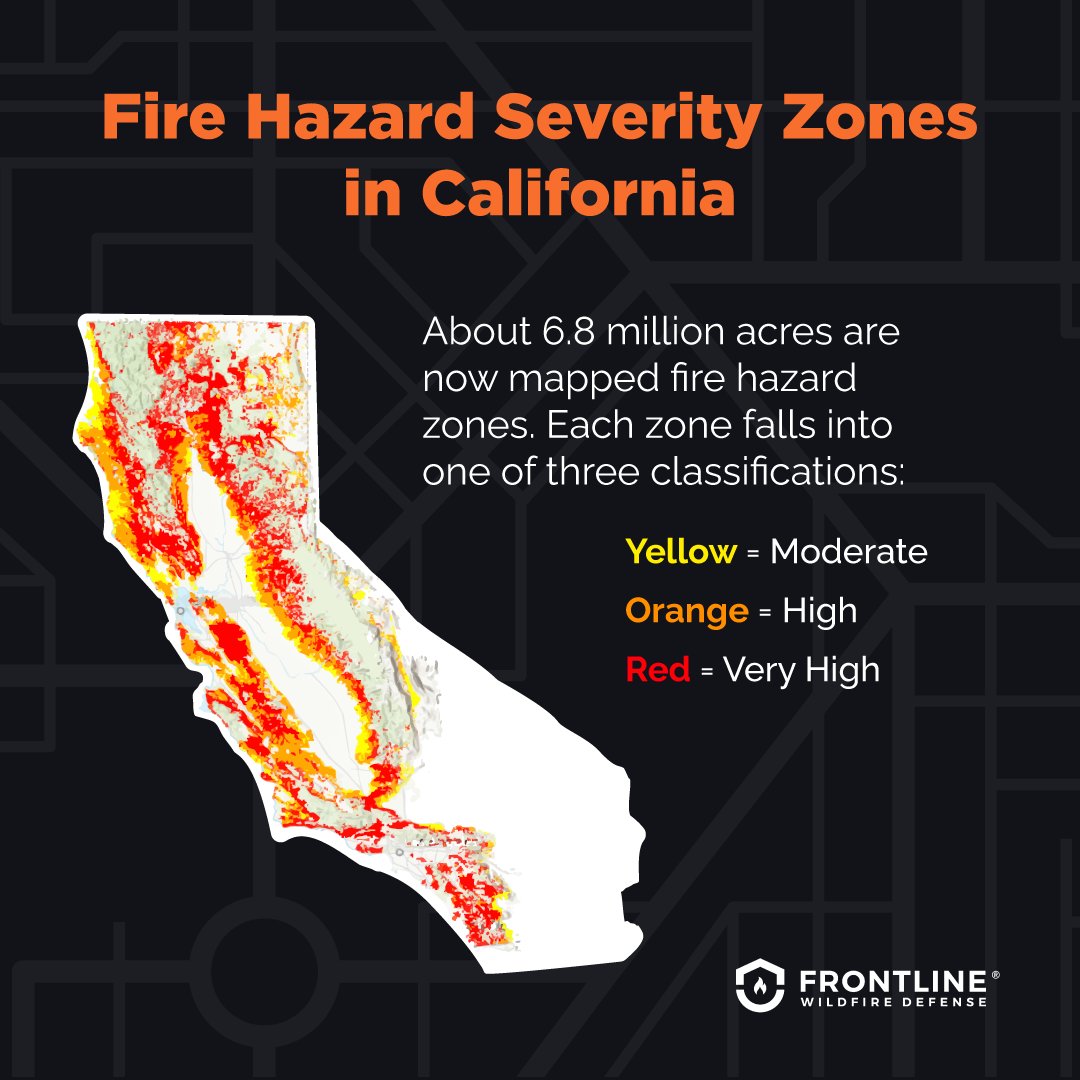
Much of Southern California’s rugged terrain is dominated by chaparral, a dense, shrubby vegetation characterized by small, leathery leaves adapted to dry, hot summers. This ecosystem is naturally fire-dependent, with many plant species requiring fire to germinate their seeds. However, prolonged drought conditions, exacerbated by climate change, can make these areas exceptionally volatile. Regions like the Santa Monica Mountains, the San Gabriel Mountains, and the wildlands surrounding cities like Los Angeles and San Diego are particularly susceptible. The dense, dry vegetation acts as a ready fuel source, allowing fires to spread rapidly, often driven by Santa Ana winds, which are hot, dry offshore winds that can fan flames with alarming intensity.
Sierra Nevada Forests: From Timberlands to Tinder
The majestic Sierra Nevada mountain range, home to iconic national parks like Yosemite and Sequoia, also experiences significant wildfire activity. Historically, these forests have undergone natural, low-intensity fires that cleared out undergrowth. However, decades of fire suppression have led to an unnatural build-up of fuel, making forests more vulnerable to larger, more destructive blazes. The dense stands of Ponderosa Pine and Giant Sequoia can ignite and burn intensely, posing a threat to both natural resources and surrounding communities. The Lake Tahoe basin, with its surrounding pine forests, is another area that frequently sees wildfire concerns.
Northern California’s Grasslands and Forests: A Growing Threat
While often associated with Southern California’s chaparral fires, Northern California is also highly vulnerable. The vast expanses of dry grasslands in the inland valleys, particularly during dry summers, can become tinderboxes. Furthermore, the extensive coniferous forests of Northern California, stretching from the North Coast redwoods to the inland ranges, are increasingly experiencing larger and more intense wildfires. Areas in Sonoma County, Napa County, and the Shasta-Trinity National Forest have been significantly impacted in recent years, highlighting the widespread nature of this challenge.
Factors Fueling California’s Wildfires
Several interconnected factors contribute to the prevalence and intensity of wildfires in California, creating a challenging environment for both residents and visitors.
Climate Change and Drought: The Underlying Conditions
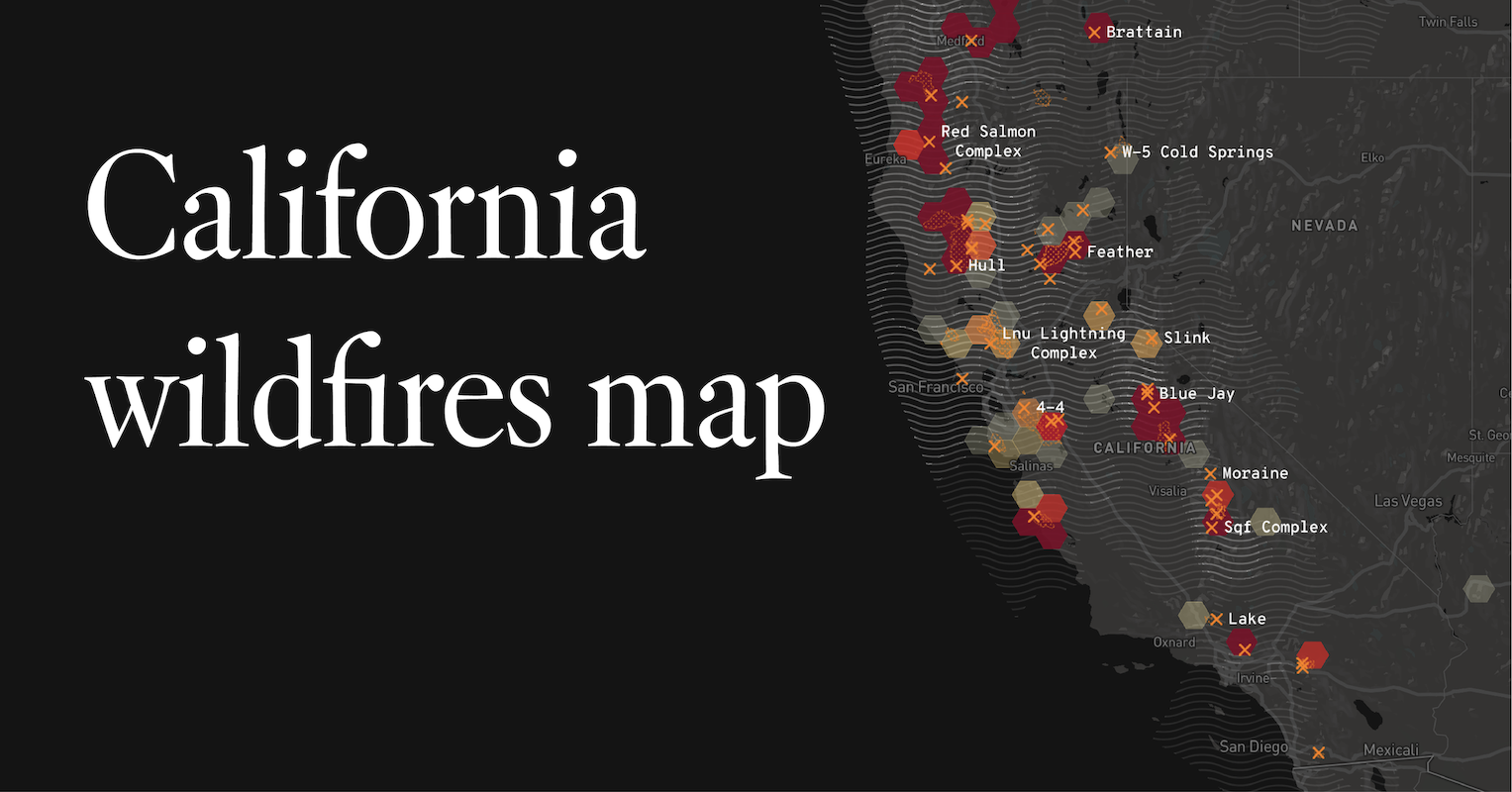
The most significant overarching factor is climate change. Rising global temperatures contribute to prolonged and more severe drought conditions across California. This leads to drier vegetation, making it more susceptible to ignition and faster spread. Extended periods without significant rainfall desiccate grasses, chaparral, and forests, turning them into highly flammable fuel. The frequency and intensity of heatwaves further exacerbate these dry conditions, creating a perfect storm for wildfire outbreaks. This environmental shift means that fire season is no longer confined to specific months but can extend throughout the year in some regions.
Human Activity: The Spark and Spread
While natural causes like lightning do ignite fires, a significant percentage of wildfires in California are human-caused. These can range from accidental ignitions due to faulty electrical equipment, campfires left unattended, discarded cigarettes, or sparks from vehicles and machinery, to deliberate arson. The expansion of human development into wildland areas, known as the wildland-urban interface (WUI), brings more people into close proximity with flammable vegetation. This increases the likelihood of ignitions and also complicates firefighting efforts, as structures and lives are directly threatened.
Topography and Wind: The Accelerants
California’s dramatic topography plays a crucial role in how fires behave. Steep slopes can cause fires to spread uphill rapidly, as heat rises and preheats the fuel above. Wind is perhaps the most critical factor in accelerating fire spread. As mentioned, the Santa Ana winds in Southern California and the Diablo winds in Northern California are notorious for their ability to push flames with incredible speed and intensity, often overwhelming suppression efforts. These strong, dry winds can carry embers for miles, igniting spot fires and rapidly expanding the fire’s perimeter.
Navigating California Amidst Wildfire Concerns
For travelers and residents alike, understanding the wildfire landscape in California is essential for safety and to appreciate the resilience of its communities. While wildfires are a serious concern, they do not define the entire California experience.
Assessing Risk and Staying Informed
When planning a trip to California, particularly during the dry season (typically late spring through fall), it is advisable to check current fire conditions. Fire agencies like CAL FIRE and the U.S. Forest Service provide real-time maps and updates on active wildfires and fire weather advisories. Many travel websites and news outlets also offer information on areas experiencing significant fire activity. Being aware of evacuation orders or air quality alerts is paramount for personal safety. Air quality can be significantly impacted by wildfire smoke, even in areas far from the flames, leading to respiratory issues and reduced visibility.
Embracing Resilient Communities and Adaptable Travel
Despite the challenges, California’s communities are remarkably resilient. Many areas affected by fires are quick to rebuild and welcome visitors back. Destinations that may have experienced past fires often have new growth and renewed natural beauty to offer. The focus on fire preparedness and mitigation has also led to innovative approaches in land management and community planning. For travelers, this means being adaptable. If a particular trail or park is closed due to fire activity, there are often numerous other equally stunning natural attractions to explore. The spirit of California, with its diverse attractions from the beaches of Malibu to the vineyards of the Napa Valley and the iconic Golden Gate Bridge in San Francisco, remains vibrant and accessible.
The Importance of Responsible Outdoor Practices
Part of navigating California responsibly involves understanding and practicing fire prevention when enjoying its natural beauty. This includes adhering to campfire regulations, properly disposing of cigarettes, ensuring vehicles are in good condition to prevent sparks, and being mindful of any burn bans in effect. By respecting the environment and following safety guidelines, visitors and residents can contribute to minimizing the risk of human-caused ignitions and enjoy the state’s breathtaking landscapes safely. California’s commitment to managing its wildlands and mitigating fire risk is an ongoing effort, balancing the natural role of fire with the need for human safety and the preservation of its invaluable ecosystems.
LifeOutOfTheBox is a participant in the Amazon Services LLC Associates Program, an affiliate advertising program designed to provide a means for sites to earn advertising fees by advertising and linking to Amazon.com. Amazon, the Amazon logo, AmazonSupply, and the AmazonSupply logo are trademarks of Amazon.com, Inc. or its affiliates. As an Amazon Associate we earn affiliate commissions from qualifying purchases.