
Embarking on a journey through the Golden State promises unparalleled scenic beauty, vibrant cities, and a wealth of experiences. From the sun-drenched beaches of San Diego to the majestic redwoods of Northern California, and the iconic landmarks of Los Angeles and San Francisco, California is a dream destination for many. Whether you’re planning a thrilling road trip along the Pacific Coast Highway, a family adventure to Disneyland, or a wine-tasting escape in Napa Valley, understanding the local rules of the road is paramount. A common pitfall that can quickly transform a carefree vacation into a budget-straining ordeal is a speeding ticket. Far from being a mere slap on the wrist, a speeding ticket in California can carry a surprisingly hefty price tag, impacting not just your immediate finances but also long-term aspects like insurance premiums and even future travel plans. This comprehensive guide will break down the true cost of a California speeding ticket, offering insights into the various fees, surcharges, and hidden expenses that can accumulate, ensuring you can navigate the state’s roadways with confidence and avoid an unwelcome souvenir.
Understanding the True Cost of a California Speeding Ticket
When you receive a speeding ticket in California, the amount written on the ticket itself, often referred to as the “base fine,” is just the beginning. The state has a complex system of fees, surcharges, and assessments that dramatically inflate the initial penalty. What might start as a $35 base fine for going a few miles over the limit can easily balloon into hundreds of dollars once all the additional charges are factored in. This multi-layered approach to traffic penalties is designed to fund various state and local programs, from court operations to emergency medical services, making a seemingly minor infraction a significant financial burden. For travelers, especially those on a strict budget, such an unexpected expense can derail an entire trip, forcing difficult choices between planned activities, dining experiences, or even the quality of their accommodation. Understanding these components is crucial for anyone driving in the state, whether you’re a resident or an excited tourist exploring the sights of Hollywood or the natural wonders of Yosemite National Park.
The Base Fine and Court Fees: A Multiplier Effect
The core of your speeding ticket cost begins with the base fine, which is directly tied to how fast you were driving over the posted speed limit. For instance, speeding 1 to 15 miles per hour over the limit might have a base fine starting around $35. If you’re caught going 16 to 25 miles per hour over, that base fine could jump to $70, and exceeding 25 mph over the limit could see it rise to $100 or more. However, these figures are merely theoretical starting points.
The real shock comes when the various mandatory fees, surcharges, and assessments are added. These can include:
- State Penalty Assessments: These are the largest multipliers, often adding $10 for every $10 of the base fine.
- County Penalty Assessments: Similar to state assessments, these also add a significant amount.
- Court Construction Fee: A fee designated for building and maintaining courthouse facilities.
- Emergency Medical Services (EMS) Fund: A contribution to statewide EMS.
- Night Court Fee: Even if your case isn’t heard at night, this fee often applies.
- Traffic Violator School Fee: If you opt to attend traffic school (which also has its own separate fee), there’s a court administrative fee for processing this option.
When all these are combined, a base fine of $35 can easily escalate to over $230. A $70 base fine can surpass $360, and a $100 base fine might exceed $500. These are conservative estimates, and the exact total can vary depending on the specific county and municipality where the ticket was issued. This complex web of fees makes predicting the precise cost challenging, but it ensures that even a seemingly minor speeding infraction becomes a substantial financial hit. For a family enjoying a budget-conscious California vacation, an unexpected $300-$500 charge can mean the difference between staying at a comfortable hotel suite or downgrading to a more basic motel, or even cutting short planned activities.
Beyond the Fine: Hidden Expenses and Long-Term Impacts
The immediate financial outlay of paying a speeding ticket is only part of the story. There are often more insidious, long-term costs that can drain your finances and affect your lifestyle long after the ticket has been paid. These hidden expenses are particularly critical for frequent travelers or those who rely on vehicle rentals, as they can have far-reaching implications for insurance, driving records, and even the ease of future travel. Ignoring these aspects can lead to even greater financial strain and inconvenience down the line, potentially impacting everything from your ability to secure affordable car rental to the premium you pay for your own vehicle insurance back home.
Insurance Premium Hikes: A Silent Drain
One of the most significant and often overlooked costs of a speeding ticket is the inevitable increase in your auto insurance premiums. In California, a speeding ticket typically adds a “point” to your driving record. Insurance companies view these points as an indicator of increased risk. Even a single point can cause your annual insurance premiums to jump by 10% to 20% or even more, lasting for three to five years.
Consider this: if your annual premium is $1,500, a 15% increase means an extra $225 per year. Over three years, that’s an additional $675. This amount is paid silently, month after month, and often far surpasses the initial cost of the ticket itself. For travelers who own their vehicles, this means a long-term financial penalty that extends well beyond their California trip. For those renting cars, while it might not directly affect their personal insurance immediately (unless they use their own policy for the rental), accumulating points could still impact their record and future rates, especially if the infraction is reported to their home state’s Department of Motor Vehicles. Planning a luxury travel experience often involves considering all potential costs; an insurance hike is a budget breaker that many fail to anticipate.

Points on Your Driving Record: What They Mean
As mentioned, a speeding ticket in California typically results in one point being added to your driving record. Accumulating too many points within a specific timeframe can lead to more severe consequences:
- 4 points in 12 months: Potential driver’s license suspension.
- 6 points in 24 months: Potential driver’s license suspension.
- 8 points in 36 months: Potential driver’s license suspension.
For residents, a license suspension is a major disruption. For out-of-state visitors, while California cannot suspend your home state’s license, they can suspend your privilege to drive in California. Furthermore, most states have agreements to share driving record information, meaning points accumulated in California can, and often will, be transferred to your home state’s Department of Motor Vehicles (DMV) record, leading to local penalties and insurance increases there. This can significantly complicate future travel plans that involve driving.
Traffic School: An Investment to Save Points
One way to mitigate the impact of a speeding ticket on your driving record and insurance premiums is to attend traffic school. If eligible (typically for a first-time offense, non-major violations, and if you haven’t attended traffic school in the last 18 months), completing an approved traffic school course prevents the point from being added to your DMV record.
However, opting for traffic school isn’t free:
- Traffic School Fee: The course itself usually costs between $20 and $60.
- Court Administrative Fee: The court charges an additional fee for the privilege of attending traffic school, often around $60-$70.
- Time Commitment: The course typically takes 6-8 hours to complete, either online or in person. For a tourist, this means dedicating precious vacation time to classroom instruction rather than exploring San Francisco’s vibrant neighborhoods or relaxing by Lake Tahoe.
While these costs add to the immediate financial burden, attending traffic school is often a wise investment to avoid the long-term sting of increased insurance premiums. It’s a strategic decision for any driver, especially those who travel frequently and want to maintain a clean driving record.
Navigating the Aftermath: Options and Consequences for Drivers
Once you’ve received a speeding ticket in California, you have several paths you can take, each with its own set of consequences. Understanding these options is vital, particularly for visitors who might be unfamiliar with the state’s legal system. Your choice can impact not only the immediate financial outlay but also your driving privileges and overall travel experience. Whether you decide to pay the fine, fight the ticket, or opt for traffic school, each decision requires careful consideration, especially when you’re away from home.
Paying the Fine: The Easiest but Costliest Option
The simplest option is to pay the fine. This means you admit guilt, pay the full amount (including all base fines, surcharges, and fees), and accept the point on your driving record. For many busy individuals or out-of-state travelers who don’t want the hassle of dealing with court appearances from afar, this seems like the path of least resistance. However, as discussed, this is often the most expensive option in the long run due to insurance premium increases. If you choose this route, ensure you pay before the due date to avoid additional late fees or even a warrant for your arrest, which could severely complicate your ability to return to the United States or even rent a car in the future.
Fighting the Ticket: When to Consider a Lawyer
If you believe you were wrongly accused, or if the ticket involves a significant speed infraction or multiple points, fighting the ticket in court might be an option. This typically involves pleading “not guilty” and appearing before a judge. While challenging a ticket can sometimes result in a dismissal or a reduced fine, it also comes with its own costs and complexities:
- Time: Court appearances can be time-consuming, requiring multiple visits, which is highly impractical for travelers.
- Legal Fees: Hiring a traffic attorney is often recommended, especially for serious offenses. Legal fees can range from hundreds to thousands of dollars, quickly exceeding the ticket cost. However, a good attorney might be able to get the ticket dismissed or reduced to a non-point violation, saving you money on insurance in the long term.
- Uncertainty: There’s no guarantee of success. You could still end up paying the full fine and incurring legal costs.
For out-of-state drivers, fighting a ticket remotely can be particularly challenging. Some attorneys specialize in these cases and can appear on your behalf, but this adds another layer of expense. Before deciding to fight, weigh the potential savings (especially on insurance) against the legal fees and the time investment.
Special Considerations for Travelers and Out-of-State Drivers
Driving in California as a tourist presents unique challenges when dealing with a speeding ticket.
- Rental Car Complications: If you receive a ticket in a rental car, the rental agency will typically receive notification of the infraction. They will then charge your credit card for the fine, often with an additional administrative fee (which can be $25-$50) for their trouble. Furthermore, if you don’t pay the ticket, the rental company will report it, potentially affecting your ability to rent vehicles from that company or others in the future.
- Interstate Compacts: Most states, including California, are part of interstate compacts like the Driver License Compact. This means that a speeding ticket received in California will likely be reported to your home state’s DMV, leading to points and insurance increases on your home driving record. This is a critical point for any domestic visitor from the United States.
- International Drivers: For international visitors, the consequences can be complex. While points might not directly transfer to an international driving record, an unpaid ticket can lead to issues if you attempt to re-enter the United States or rent a car in the future. It’s always best to resolve any traffic infractions before leaving the country.
Preventative Measures: Driving Smart in the Golden State
The best way to avoid the financial strain and administrative hassle of a California speeding ticket is to simply drive safely and within the law. This approach not only protects your wallet but also ensures a more pleasant and stress-free travel experience, allowing you to fully enjoy the incredible destinations the state has to offer, from the bustling streets of Sacramento to the tranquil beauty of Big Sur. Proactive measures are key to a seamless California adventure.
Understanding California’s Unique Traffic Laws and Habits
California has a vast and varied road network, and speed limits can change quickly. Pay close attention to posted signs, especially when entering residential areas, school zones (where fines are significantly higher), or construction zones. The state also has unique elements like the “Basic Speed Law,” which states you must never drive faster than is safe for current conditions, regardless of the posted speed limit. This means even if you’re below the limit, you could still be cited if conditions like heavy rain, fog, or heavy traffic make that speed unsafe.
Furthermore, California drivers are known for being fast-paced, particularly on multi-lane highways. While it can be tempting to keep up with the flow of traffic, remember that you are responsible for your own speed. Using navigation apps like Waze or Google Maps can sometimes help alert you to speed traps or sudden speed limit changes, but nothing replaces vigilant observation.
Tips for a Smooth and Ticket-Free Journey
- Obey Posted Speed Limits Rigorously: This is the most straightforward advice. Speed limits are clearly marked, and enforcement is often active, especially in high-traffic areas, near landmarks, and on major interstates.
- Be Mindful of Speed Limit Changes: Limits can drop significantly when transitioning from highways to urban areas, or near schools and parks. Stay alert.
- Use Cruise Control: On long stretches of highway, cruise control can help you maintain a consistent, legal speed and prevent unintentional speeding.
- Allow Ample Travel Time: Rushing is a primary cause of speeding. Build extra time into your travel itinerary, especially if you’re navigating unfamiliar routes to popular attractions or trying to make a flight out of San Jose or Ontario International Airport. This reduces the pressure to speed.
- Understand Lane Discipline: In California, the far-left lane on multi-lane highways is generally for passing. While not a direct cause of speeding tickets, poor lane discipline can lead to frustration for other drivers and sometimes aggressive driving behaviors that increase the risk of an infraction.
- Avoid Distractions: Cell phone use (without a hands-free device) is illegal and can lead to tickets, but any distraction (eating, navigating, lively conversations) can cause you to miss speed limit signs or reduce your awareness of traffic conditions, making you more prone to speeding.
- Drive Defensively: Be aware of your surroundings, anticipate potential hazards, and always leave enough space between your vehicle and the one in front of you. This reduces the need for sudden maneuvers and helps you maintain control and legal speeds.
- Know Your Rental Car: If driving a rental car, take a moment to familiarize yourself with its controls, especially the speedometer and cruise control, before hitting the road. Modern cars can feel different, and accidental speeding can occur simply due to unfamiliarity.
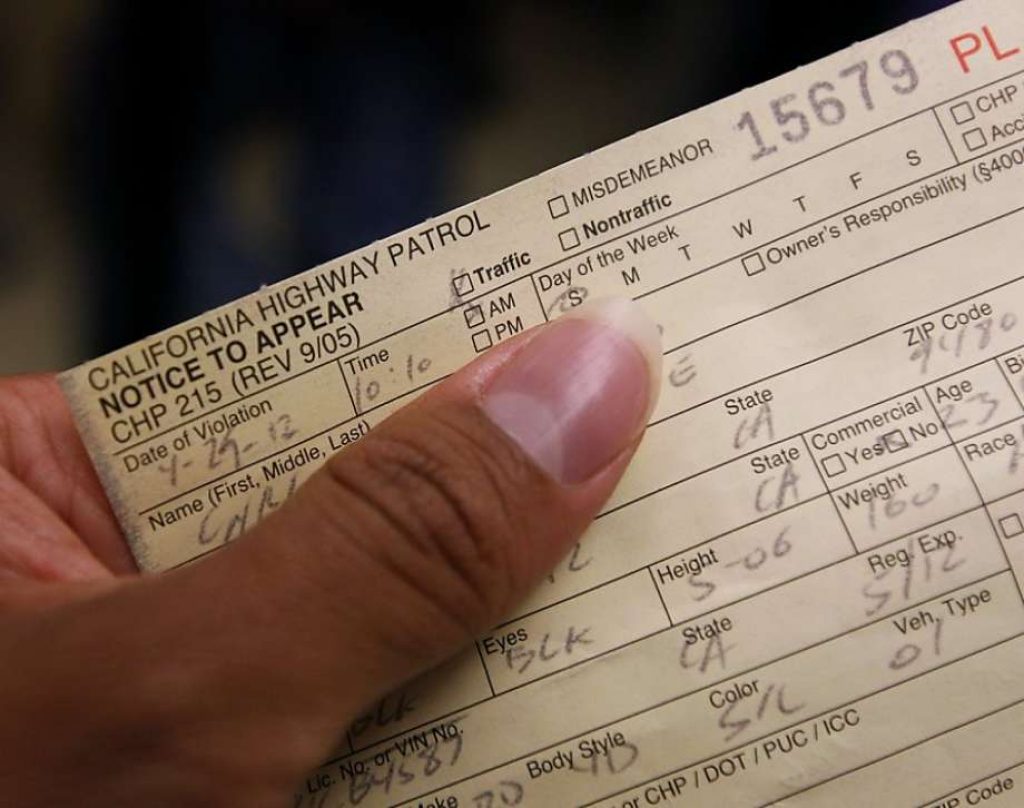
In conclusion, a California speeding ticket is far more than just a base fine; it’s a multi-faceted financial burden that can stretch into the hundreds or even thousands of dollars when all factors, including insurance increases, are considered. For travelers, this unexpected expense can significantly impact their budget travel plans or even force changes to their meticulously planned itinerary. By understanding the true costs, knowing your options if you receive a ticket, and most importantly, practicing safe and lawful driving habits, you can ensure your visit to the Golden State remains a memorable and enjoyable adventure, free from the unwelcome shadow of a traffic infraction. Drive responsibly, soak in the stunning scenery, and make your California journey one for the good kind of memories.
LifeOutOfTheBox is a participant in the Amazon Services LLC Associates Program, an affiliate advertising program designed to provide a means for sites to earn advertising fees by advertising and linking to Amazon.com. Amazon, the Amazon logo, AmazonSupply, and the AmazonSupply logo are trademarks of Amazon.com, Inc. or its affiliates. As an Amazon Associate we earn affiliate commissions from qualifying purchases.