
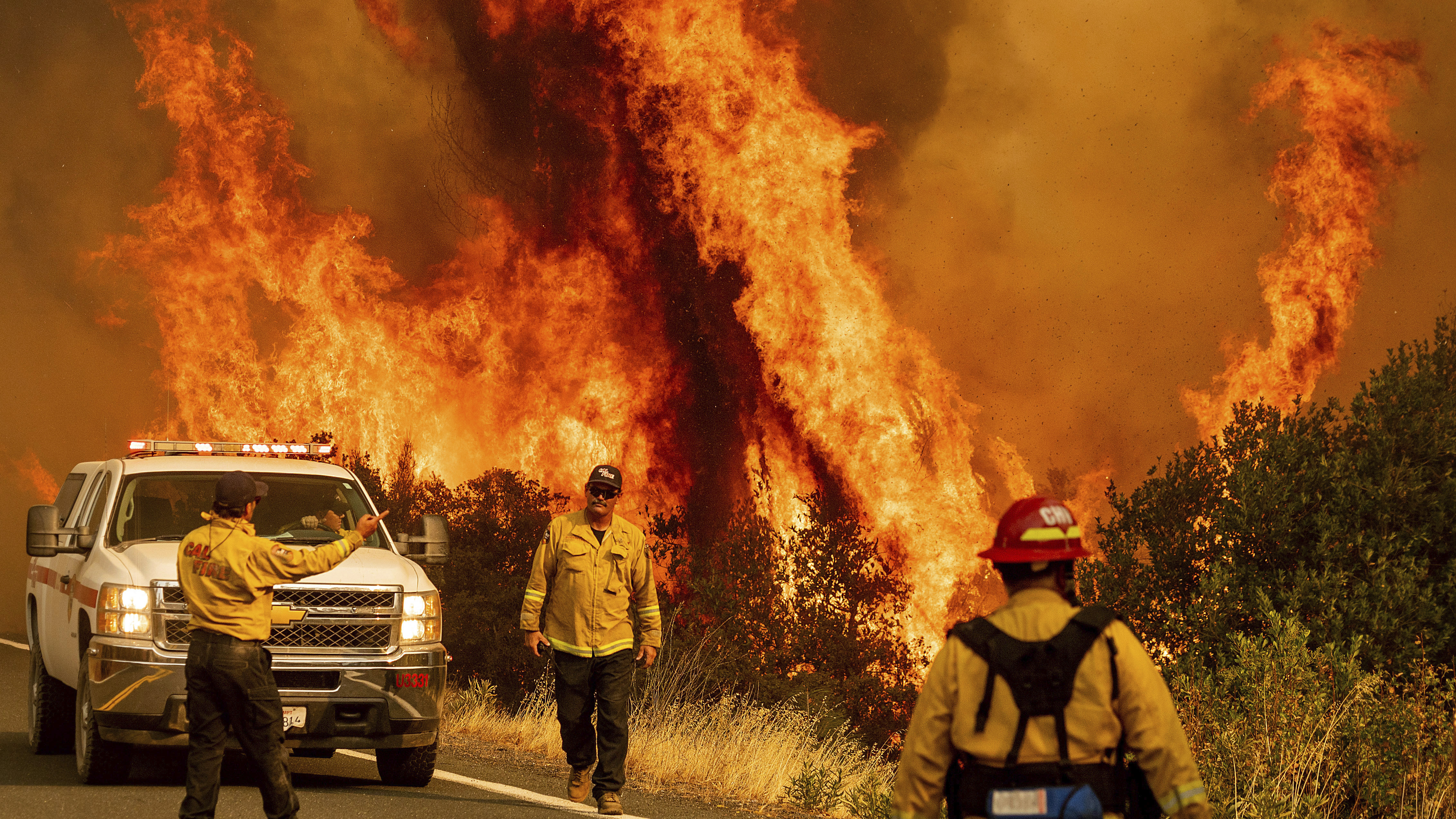
Northern California, a region renowned for its stunning natural beauty, vibrant cities, and world-class tourism destinations, periodically faces the challenge of wildfires. For travelers planning a visit, or residents with loved ones in the area, the question “Where is the North California fire?” is often top of mind, signaling a need for crucial information regarding safety, travel disruptions, and potential impacts on their meticulously planned itineraries. This article aims to address that query comprehensively, delving into the typical patterns of wildfires in the region, their effects on travel and accommodation, and how visitors can responsibly navigate these events while still experiencing the best of what Northern California has to offer.

Understanding the current fire situation requires real-time data, as conditions can change rapidly due to wind, temperature, and fuel availability. However, we can equip ourselves with the knowledge to access this information and make informed decisions, ensuring a safe and enjoyable journey. Whether you’re eyeing a retreat to the famous wine regions of Napa Valley and Sonoma County, an adventure in the majestic Sierra Nevada mountains, or a city break in iconic San Francisco, being prepared is key.
Understanding the Current Landscape: Pinpointing Wildfire Activity
When wildfires strike Northern California, the immediate concern for many is to understand their exact location and proximity to populated areas and popular destinations. The region, stretching from the dramatic Pacific Coast Highway to the eastern borders with Nevada and Oregon, encompasses a diverse range of landscapes, each with varying fire risks. Areas prone to drought, dense vegetation, and specific weather patterns are often identified as high-risk zones, particularly during the dry summer and fall months.
The most reliable sources for up-to-the-minute fire information come from official government agencies. The California Department of Forestry and Fire Protection (CAL FIRE) provides detailed incident reports, interactive maps, and updates on containment efforts. Additionally, the National Interagency Fire Center (NIFC) offers a broader perspective on wildfire activity across the United States, including major incidents within California. These resources are invaluable for travelers and residents alike, offering a clear picture of active fires, evacuation orders, and road closures. Consulting local news outlets and emergency services websites for the specific counties you plan to visit can also provide localized details that might not be immediately apparent from statewide maps.
Key Fire Zones and Affected Regions
While no specific area is entirely immune, certain parts of Northern California have historically faced more significant wildfire challenges. The forested regions of the Shasta Cascade in the far north, the foothills of the Sierra Nevada (near popular areas like Lake Tahoe and Yosemite National Park), and the wildland-urban interface within Sonoma and Napa counties are frequently monitored. When fires do occur in these zones, the impact on travel can be profound. Road closures, such as those impacting sections of Highway 1 or other scenic routes, can force significant detours and disrupt travel schedules.
Beyond the immediate fire perimeter, the effects can extend to air quality over vast distances. Smoke plumes can travel hundreds of miles, impacting cities like San Francisco or the state capital, Sacramento, even if these areas are not directly threatened by flames. This widespread impact necessitates a holistic view when assessing travel risks.
Air Quality and Health Considerations
One of the most pervasive and far-reaching effects of wildfires, even those located at a considerable distance, is the degradation of air quality. Smoke from wildfires contains particulate matter and harmful gases that can pose significant health risks, especially for individuals with respiratory conditions, the elderly, and young children. Monitoring air quality indices (AQI) becomes crucial during fire season. Websites like AirNow.gov, managed by the U.S. Environmental Protection Agency (EPA), provide real-time AQI data, offering guidance on whether it’s safe to engage in outdoor activities.
Travelers should consider packing N95 masks, especially if their travel dates coincide with active fire season, and be prepared to adjust plans to indoor activities if air quality dictates. Hotels and resorts in affected areas often have updated air filtration systems, but it’s always wise to confirm with your chosen accommodation regarding their measures to ensure guest comfort and safety during smoky conditions. Prioritizing health is paramount, and sometimes, a slight pivot in your itinerary to cleaner air zones can make all the difference for your overall travel experience.
Navigating Travel Plans Amidst Wildfire Season
Planning a trip to Northern California requires a proactive approach, particularly during the typical wildfire season from late spring through fall. While the region remains an exceptional destination, staying informed and being flexible are key to a successful journey. Understanding how to interpret advisories, adapt your itinerary, and ensure your safety will help mitigate potential disruptions and maximize your enjoyment. This section provides essential guidance for travelers considering or already embarked on their Northern California adventure.
Essential Safety Guidelines for Travelers
The safety of travelers is always the top priority. When wildfires are active, several guidelines should be strictly adhered to:
- Stay Informed: Regularly check official sources like CAL FIRE, local county emergency services, and the National Park Service for the latest updates on fire locations, containment, and evacuation orders. Sign up for local emergency alerts if you’re staying for an extended period.
- Heed Warnings and Evacuation Orders: If an area is under an evacuation order, leave immediately. Do not attempt to bypass road closures or enter restricted zones, as this puts yourself and emergency responders at risk.
- Practice Fire Safety: Even in unaffected areas, be vigilant. Observe all fire bans (e.g., no campfires) and dispose of smoking materials properly. Remember that human activity is often a significant cause of wildfires.
- Develop a Contingency Plan: Have alternative routes and backup accommodation options in mind. Keep your travel documents, medications, and essentials easily accessible in case of a sudden need to relocate. Travel insurance that covers wildfire-related cancellations or interruptions is also a wise investment.
- Monitor Air Quality: As mentioned, air quality can change quickly. Use air quality apps or websites and limit outdoor activities if the AQI indicates unhealthy levels.
By following these guidelines, travelers can significantly reduce their risks and contribute to overall public safety during wildfire events.
Impact on Popular Destinations and National Parks
Northern California is home to some of the most iconic natural landmarks and attractions in the United States. Yosemite National Park, Redwood National and State Parks, and the majestic Lake Tahoe are major draws for visitors seeking outdoor experiences. Wildfires can directly impact these areas through closures, trail restrictions, or reduced visibility due to smoke.
For instance, Yosemite and Lake Tahoe have, in past fire seasons, experienced temporary closures or significant disruptions. Before traveling to any national park or wilderness area, check their official websites for alerts, road conditions, and any fire-related advisories. Similarly, the wine regions of Napa Valley and Sonoma County, while not typically in deep wilderness, can be affected by nearby fires, leading to evacuations or closures of wineries and resorts.
Urban centers like San Francisco are rarely directly threatened by wildfires, but they are not immune to the effects of smoke. Visitors might find their plans to see the Golden Gate Bridge or visit Alcatraz Island impacted by hazy skies or recommendations to stay indoors. Flexibility is key; consider indoor alternatives like museums, aquariums, or culinary tours if outdoor conditions are unfavorable.
Accommodation and Tourism Resilience
The tourism and hospitality industries in Northern California are remarkably resilient, adapting to challenges like wildfires to ensure guest safety and comfort. While some areas might experience temporary closures, many remain open and actively welcome visitors, often implementing enhanced safety protocols. Understanding how hotels, resorts, and other accommodation providers respond to wildfires is crucial for travelers.
Finding Safe Accommodation Options
During wildfire events, finding suitable and safe accommodation becomes a priority.
- Prioritize Safety First: Always book accommodation outside of current or predicted evacuation zones. Use official fire maps to cross-reference your chosen location.
- Direct Communication with Providers: Before confirming your booking, especially during fire season, contact the hotel, resort, or rental property directly. Inquire about their specific fire safety protocols, any current advisories affecting their location, and their cancellation policy in case of fire-related emergencies. Many properties, particularly in vulnerable areas, have robust emergency plans in place.
- Look for Reputable Chains and Boutique Hotels: Established hotel chains like Marriott, Hilton, or Hyatt often have standardized safety procedures and communication channels. Smaller boutique hotels and villas, while charming, should also be thoroughly vetted for their emergency preparedness.
- Consider Flexible Booking Options: Opt for bookings with free cancellation or modification policies. This flexibility is invaluable if plans need to change due to unforeseen fire activity or air quality issues.
- Alternative Destinations: If your initial destination is heavily impacted, explore alternative safe areas within Northern California or even consider a different region entirely. For instance, if the Sierra Nevada foothills are affected, coastal towns along the Mendocino Coast or urban areas around San Francisco might offer a viable pivot.
Platforms like Booking.com, Expedia, and Airbnb allow for filtering based on location and guest reviews, which can sometimes hint at local conditions, though direct verification is always best.
Supporting Local Communities and Responsible Travel
During and after wildfire events, local communities in Northern California face significant challenges, from economic downturns due to reduced tourism to the arduous process of rebuilding. Responsible travel plays a crucial role in aiding their recovery.
- Visit When It’s Safe: Once an area is declared safe and open for visitors, consider planning a trip. Your tourist dollars spent on accommodation, dining, and local attractions directly support businesses and residents trying to get back on their feet.
- Buy Local: Seek out local shops, restaurants, and experiences. This helps circulate money within the affected community and supports small business owners who may have endured significant hardship.
- Volunteer or Donate (If Appropriate): If you’re passionate about making a direct impact, research reputable local charities and relief organizations that are assisting wildfire victims and recovery efforts. However, always ensure your visit does not impede recovery work.
- Respect the Environment: Adhere to all fire safety regulations, especially in natural areas. Understand that the landscape may be recovering, and treat it with respect. Stick to marked trails and avoid disturbing sensitive ecosystems.
- Spread Accurate Information: Combat misinformation by sharing verified updates from official sources. This helps rebuild confidence in affected regions and encourages informed travel.
By choosing to engage in responsible and thoughtful travel, visitors can become part of the solution, helping Northern California’s cherished communities and natural wonders heal and thrive once more.
Beyond the Blaze: Exploring Northern California’s Enduring Allure
Despite the seasonal challenges posed by wildfires, Northern California’s allure remains undiminished. Its vast and varied landscape, from dramatic coastlines to towering forests and bustling metropolises, offers an endless array of experiences for every type of traveler. The spirit of resilience, innovation, and natural beauty that defines this region endures, inviting exploration even amidst the complexities of a changing climate.
Travelers can still discover untouched gems, support sustainable tourism initiatives, and witness the incredible regenerative power of nature. This section encourages a broader perspective, highlighting the opportunities to explore unaffected areas and to appreciate Northern California’s lasting charm.
Discovering Unaffected Gems and Alternative Destinations
Even during active fire seasons, vast portions of Northern California typically remain unaffected and safe for travel. The key is strategic planning and an openness to exploring alternative destinations or lesser-known attractions.
- Coastal Escapes: The Mendocino and Sonoma coasts, for example, often experience different weather patterns than inland areas, making them excellent choices for fresh air and scenic beauty. Quaint towns like Mendocino or Bodega Bay offer stunning ocean views, charming accommodation like boutique hotels and villas, and delicious local cuisine, often remaining vibrant even when inland areas face challenges.
- Urban Adventures: Major cities such as San Francisco, Oakland, and Sacramento provide an abundance of indoor attractions—museums, theaters, culinary tours, and shopping—that are largely unaffected by distant wildfires, aside from potential air quality impacts. These urban centers offer a rich cultural experience, from exploring historic landmarks to indulging in world-class dining.
- Northernmost Regions: The far northern reaches of California, including the Redwood National and State Parks and the rugged Shasta Cascade region, can also be safe havens, depending on specific fire locations. Always check local conditions, but these areas offer unique natural attractions and outdoor activities that provide a different perspective of California’s diverse landscapes.
- Focus on Specific Activities: Instead of focusing on a broad region, target specific activities like exploring vineyards in unaffected parts of Napa or Sonoma, or visiting less fire-prone state parks and reserves.
By diversifying your choices and staying updated on local conditions, you can still discover the magic of Northern California while ensuring a safe and responsible journey.

The Future of Travel in a Changing Climate
The recurring nature of wildfires in Northern California, intensified by climate change, underscores a broader conversation about the future of travel and tourism in environmentally vulnerable regions globally. As travelers, our choices have an impact, and embracing sustainable and adaptable travel lifestyles is becoming increasingly vital.
- Sustainable Tourism Practices: Supporting hotels, resorts, and tour operators that prioritize environmental conservation, local sourcing, and community engagement helps build resilience against climate impacts. Look for eco-certified accommodations and businesses.
- Off-Season Travel: Considering travel during the shoulder seasons (spring or late fall/early winter) can offer pleasant weather, fewer crowds, and lower fire risk, providing a more relaxed and often more budget-friendly experience.
- Education and Awareness: Becoming informed about local environmental challenges, like drought and fire risk, allows travelers to be more mindful and make decisions that support conservation efforts. Understanding the ecosystem helps foster a deeper appreciation for the destinations we visit.
- Flexibility and Preparedness: The ability to adapt to unforeseen circumstances, whether it’s a wildfire, a natural disaster, or unexpected weather, will be a defining characteristic of future travel. Investing in travel insurance and having contingency plans will be standard practice.
Northern California remains a captivating and essential destination, embodying both the grandeur of nature and the resilience of human spirit. By staying informed, traveling responsibly, and appreciating the diverse tapestry of experiences it offers, we can continue to explore and cherish this remarkable part of the United States for generations to come, even as we navigate the evolving landscape of global travel.
LifeOutOfTheBox is a participant in the Amazon Services LLC Associates Program, an affiliate advertising program designed to provide a means for sites to earn advertising fees by advertising and linking to Amazon.com. Amazon, the Amazon logo, AmazonSupply, and the AmazonSupply logo are trademarks of Amazon.com, Inc. or its affiliates. As an Amazon Associate we earn affiliate commissions from qualifying purchases.