
Embarking on a journey to the Golden State promises an unparalleled blend of stunning landscapes, vibrant cities, and diverse cultural experiences. From the sun-drenched beaches of Southern California to the majestic redwoods of the north, and from the bustling urban sprawl of Los Angeles to the iconic hills of San Francisco, California truly offers something for every traveler. However, as you meticulously plan your adventures, book your dream accommodations, and map out your culinary explorations, there’s one crucial aspect often overlooked until the bill arrives: taxes. Understanding “how much is tax in California?” isn’t just about financial prudence; it’s about smart budgeting, ensuring a seamless and surprise-free travel experience, whether you’re indulging in luxury travel or sticking to a budget.
California’s tax structure is multi-faceted, encompassing state-level mandates combined with a patchwork of local district taxes that can significantly impact the final cost of your stay, from the price of your hotel room to the souvenirs you pick up. For those exploring destinations, booking unique stays, or diving deep into local culture, being aware of these fiscal components is essential. This comprehensive guide aims to demystify California’s tax landscape, helping you navigate these charges with confidence and allocate your travel funds effectively for an unforgettable trip. By breaking down the various types of taxes you’re likely to encounter, from sales tax on purchases and dining to occupancy taxes on your accommodation, we’ll equip you with the knowledge to plan a truly informed and enjoyable visit to one of the United States’ most sought-after destinations.
Understanding California’s Taxation Landscape for Visitors
California’s taxation system is complex, primarily due to its size and the autonomy granted to local jurisdictions to impose their own rates on top of statewide taxes. This means that the exact amount you pay in tax can vary significantly depending on where you are in the state, from a coastal resort town to an inland city. For visitors, the most impactful taxes typically fall into categories directly related to consumption and accommodation. Unlike some other states, California doesn’t have a separate tourism tax per se, but rather a combination of existing taxes that disproportionately affect travelers.
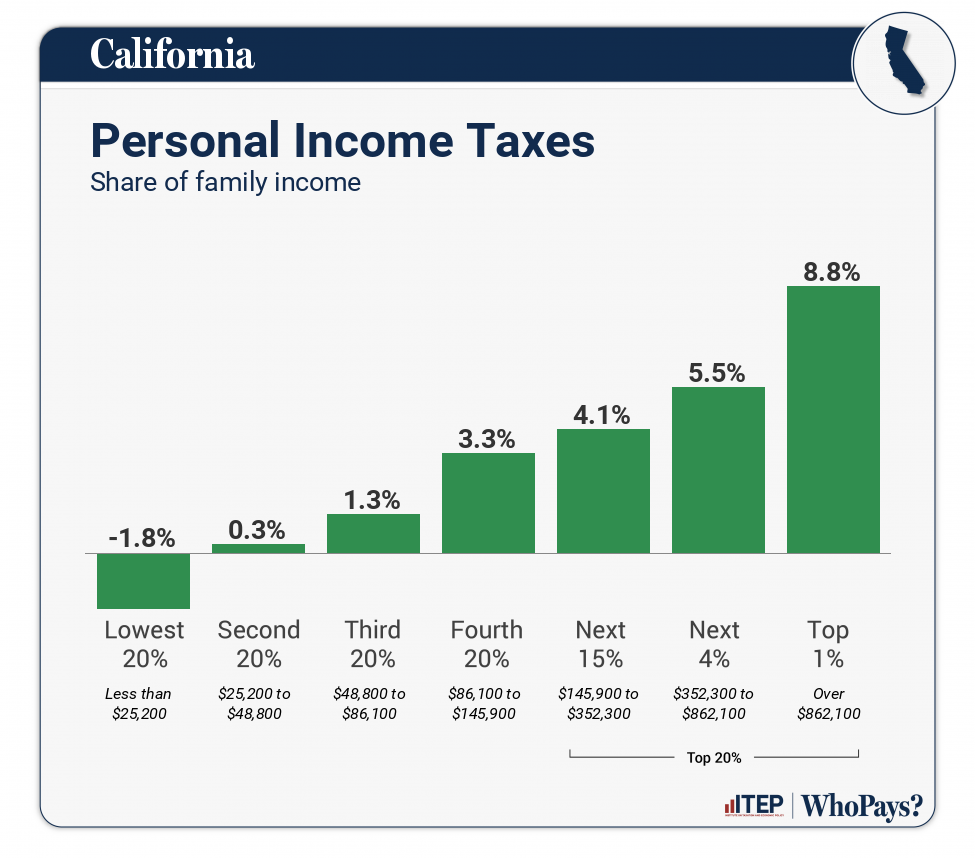
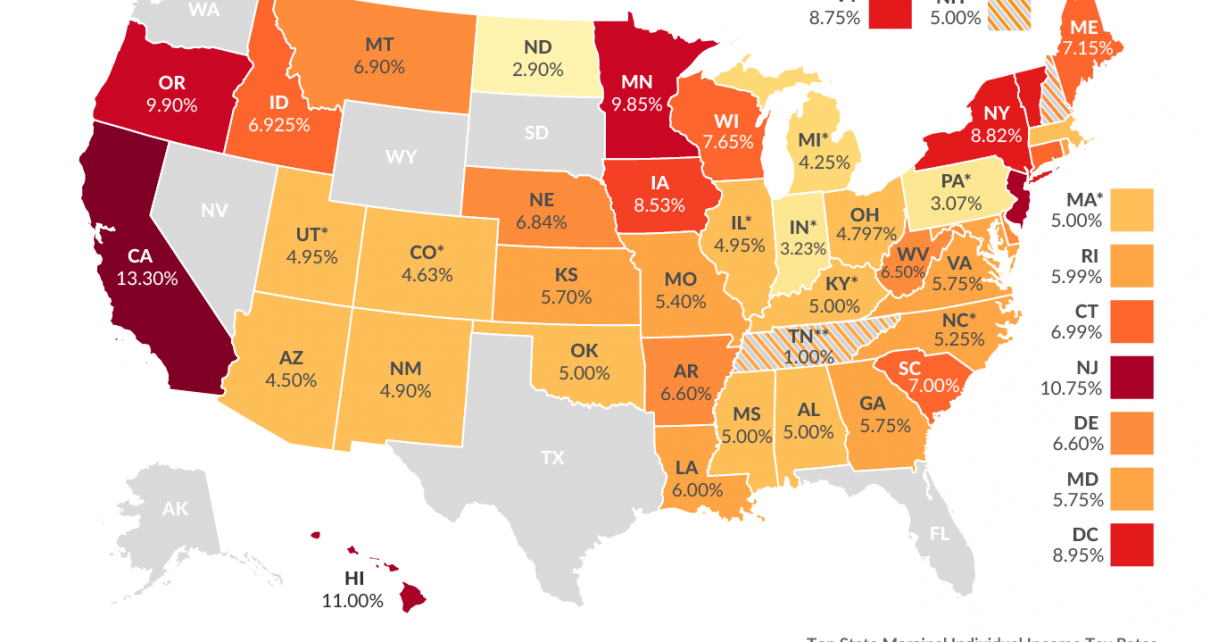
The state operates on a progressive income tax system, which is largely irrelevant for short-term tourists but crucial for those considering longer stays, remote work, or even business trips where income might be earned within the state. However, for the average traveler, the focus shifts to sales tax, transient occupancy taxes (TOT), and various fees associated with services like car rentals. These taxes contribute to funding local infrastructure, public services, and state programs, indirectly enhancing the very attractions and amenities that draw tourists in the first place. Understanding this variability is the first step towards accurate budgeting. A meal in Beverly Hills might incur a different sales tax rate than one in Palm Springs, just as a hotel room in Napa Valley will have a different TOT than one near Disneyland in Anaheim. This localized impact underscores the importance of not just knowing the statewide average, but delving into the specific rates of your chosen destinations.
Key Taxes Impacting Your California Travel Budget
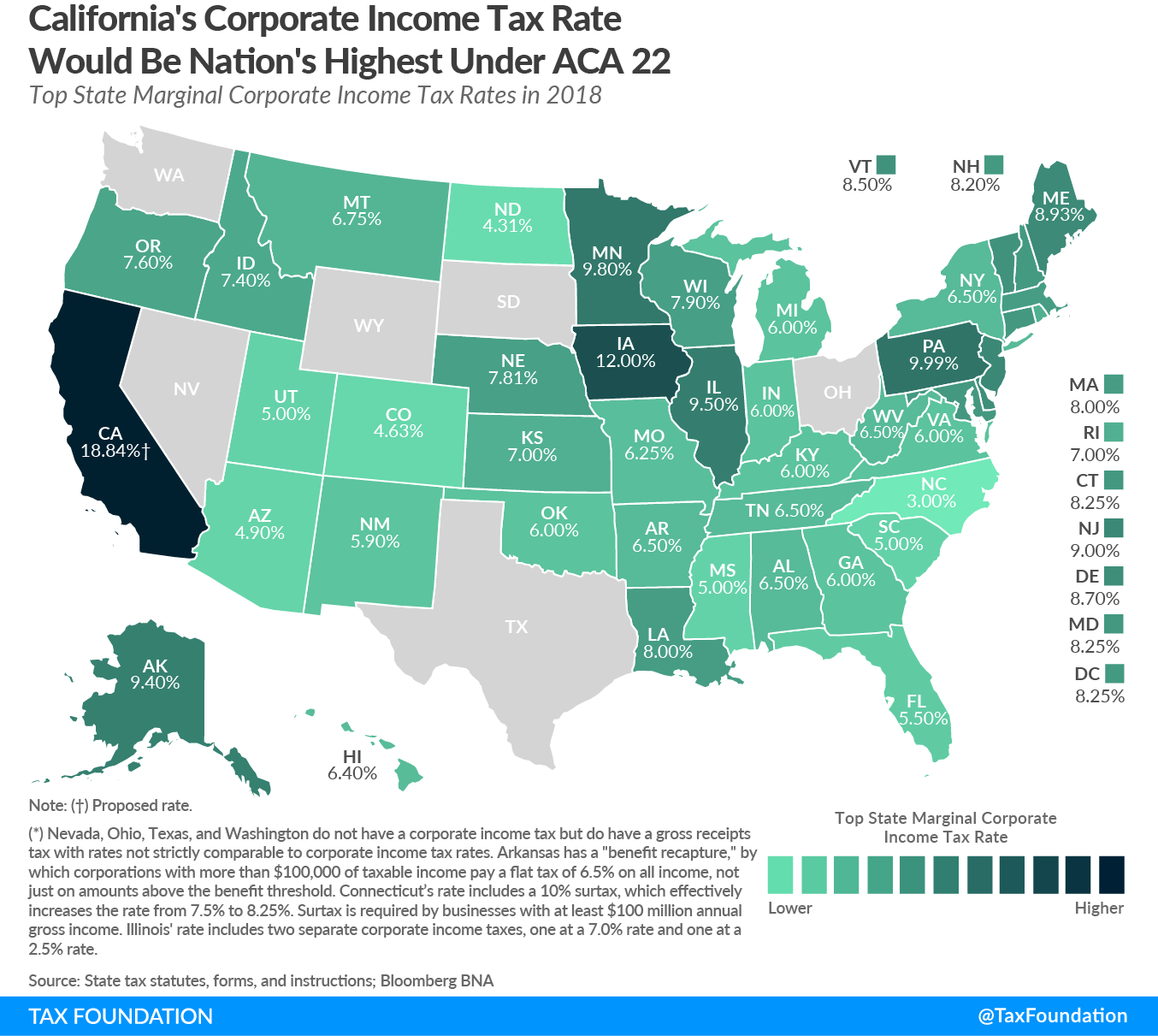
When planning your trip to California, a clear understanding of the various taxes you’ll encounter is crucial for accurate budgeting. These charges can add a significant percentage to your overall travel expenses, from the cost of your morning coffee to your luxury suite overlooking the Pacific Ocean.
Sales Tax: On Goods, Meals, and Souvenirs
The statewide sales tax rate in California is a base 7.25%. However, this is rarely the final rate you’ll pay. Cities and counties have the authority to impose their own district taxes on top of the state rate, leading to considerable variation across different locations. This combined rate is what you’ll encounter when purchasing goods, dining out, or buying souvenirs to remember your trip.
For instance, in major tourist hubs:
- In Los Angeles County, the sales tax rate can range from 9.5% to 10.25% depending on the specific city. A lavish dinner in Santa Monica or a shopping spree on Rodeo Drive will reflect these higher rates.
- San Francisco typically sees a combined sales tax rate of 8.625%. This applies to everything from a sourdough bowl near Fisherman’s Wharf to unique boutiques in the Mission District.
- San Diego generally has a sales tax rate of 7.75%, making purchases there slightly less taxed than in its northern counterparts.
- Even smaller, more rural areas will have at least the base 7.25%, but many will add their district taxes.
This means that a $100 purchase could cost you anywhere from $107.25 to $110.25, depending on your location. When planning your budget for dining, shopping, and entertainment, it’s wise to factor in this additional percentage, especially if you anticipate significant spending in high-tax areas.
Transient Occupancy Tax (TOT): Your Accommodation Costs
One of the most significant taxes for travelers is the Transient Occupancy Tax (TOT), often referred to as the “hotel tax.” This tax is levied on short-term stays at hotels, motels, bed and breakfasts, vacation rentals (like those booked through Airbnb or VRBO), and other similar accommodations. The TOT is not a state-mandated uniform rate but is determined by individual cities and counties. This local control leads to a wide range of rates across California.
The TOT typically ranges from 8% to as high as 17% in some popular tourist destinations. For example:
- San Francisco imposes a high TOT, often around 14% to 16.5% depending on specific surcharges. This can significantly increase the cost of a luxurious stay in a Union Square hotel or a charming boutique inn.
- Los Angeles generally applies a TOT of 12% to 14%, affecting everything from budget motels near LAX to upscale resorts in Malibu.
- In Anaheim, home to Disneyland, the TOT is typically around 15%, a substantial addition for families planning a magical getaway.
- Napa Valley cities might have rates from 10% to 14%, impacting your stay at a vineyard resort or a charming guesthouse.
- Even national parks adjacent towns, like those near Yosemite National Park, will have their own TOT rates, affecting your cabin or lodge bookings.
When browsing accommodation options, always look for the “total price” that includes taxes and fees, not just the nightly rate, to get an accurate picture of your expense. This tax is a major contributor to local government revenue, supporting tourism infrastructure and services that enhance visitor experiences.
Rental Car Taxes and Fees: Navigating the Golden State
For many, exploring California means hitting the open road, whether it’s a scenic drive along Highway 1 through Big Sur or a journey to the majestic peaks of Lake Tahoe. Rental cars come with their own set of taxes and fees that can accumulate quickly. Beyond the standard sales tax (which applies to the rental cost itself), you’ll often encounter several specific surcharges:
- Vehicle License Fee (VLF) Surcharge: This is a state-mandated fee intended to cover the cost of registering vehicles in California. It’s typically a percentage of the rental price or a flat daily fee.
- Concession Recovery Fee/Airport Surcharge: If you pick up your rental car at an airport (like LAX, SFO, or San Diego International Airport), you’ll almost certainly pay an airport concession fee. This is a percentage charged by the airport for the privilege of rental car companies operating on their property, often ranging from 10% to 15%.
- Tourism Surcharge: Some areas may also include a small tourism surcharge on rental cars to fund local initiatives.
- Energy Surcharge/Environmental Fee: Some companies add a small fee to cover energy costs or environmental initiatives.
These fees, combined with the sales tax, can add 20-30% or more to your base rental car cost. It’s crucial to factor these into your budget, especially for longer rental periods or if you plan to frequently use your car to visit multiple landmarks and attractions across the state, such as Joshua Tree National Park or the wineries of Sonoma County. Always request a detailed breakdown of all charges before finalizing your rental agreement.
Gasoline Excise Tax: Fueling Your Adventures
While not a direct “tourism tax,” the high price of gasoline in California is largely due to state and federal excise taxes, as well as various environmental fees. California consistently has some of the highest gas prices in the United States. As of late, the state excise tax on gasoline alone is over 50 cents per gallon, plus sales tax on top of that, and other charges for specific fuel formulations required in the state.
For travelers embarking on extensive road trips, exploring the length of the coast, or venturing into vast national parks like Death Valley National Park or Sequoia National Park, these fuel costs can add up significantly. Budgeting for fuel should not be an afterthought; it’s a primary consideration for anyone planning to cover substantial distances. Keep an eye on gas price apps and consider the fuel efficiency of your rental car when making your choice.
Beyond the Basics: Other Potential Fees and Considerations
While sales tax and TOT are the most common taxes impacting tourists, California travel can involve other specific fees and surcharges, particularly for those delving into specific experiences or luxury accommodations.
Tourism Improvement Districts (TID) and Special Assessments
In some California cities, you might encounter additional surcharges on your hotel bill labeled as Tourism Improvement District (TID) fees or similar special assessments. These are not taxes in the traditional sense, but rather fees levied by specific districts, often with the consent of local businesses, to fund activities that promote tourism within that district. This could include marketing campaigns, event promotion, or maintenance of public spaces popular with tourists.
For example, a city might establish a TID in its downtown area or near a major convention center. Hotels within this district would then collect a small percentage (typically 1% to 3%) on top of the room rate and TOT. While seemingly small, these can add up, especially on longer stays or luxury accommodations. Always scrutinize your hotel invoice for any line items beyond the room rate and standard TOT. These fees are usually passed directly to the district to further enhance the visitor experience and local economy, connecting directly to the themes of tourism and local culture.
Event Tickets and Entertainment Taxes
Attending a major concert, a sporting event, visiting a theme park, or going to a museum in California can also involve various taxes and fees. While the base sales tax applies to merchandise bought at these venues, tickets themselves can have a separate set of charges:
- Amusement Taxes: Some cities or counties levy specific taxes on admission tickets to entertainment venues, theme parks, and major attractions. For example, a trip to Universal Studios Hollywood or a show at the Hollywood Bowl might include such a tax.
- Facility Fees/Service Charges: These are often added by the venue or ticket vendor, covering operational costs or booking services. While not strictly a tax, they increase the total cost.
- Parking Fees: While not a tax, substantial parking fees are common at popular attractions, stadiums, and city centers. These often catch budget-conscious travelers off guard. For example, parking near the Santa Monica Pier or for a baseball game at Dodger Stadium can easily add $20-$50 to your outing.
When purchasing tickets online, ensure you view the “all-in” price to understand the full cost before committing. These charges are usually disclosed during the checkout process and are essential for budgeting for your experiences, whether it’s cultural immersion, a family trip to a theme park, or a business stay coinciding with a major event.
Budgeting for Taxes: Smart Tips for Your California Trip
Navigating the various taxes and fees in California doesn’t have to be a daunting task. With a few smart budgeting strategies, you can ensure your trip remains enjoyable and free from unexpected financial surprises. The key is proactive research and incorporating these charges into your overall travel plan from the outset.
First and foremost, always factor taxes into advertised prices. Whether you’re looking at a hotel room rate, the cost of a rental car, or an item on a restaurant menu, assume that the listed price is not the final price. Add an estimated percentage for sales tax (usually 8-10% depending on the city) for purchases and dining, and a higher percentage (10-17%) for accommodation. Many booking websites will show the total price including taxes and fees before you confirm, which is incredibly helpful. For hotels and accommodation, pay close attention to the breakdown of costs, distinguishing between the room rate, TOT, and any resort fees or TID assessments.
Secondly, research specific city tax rates before booking. Because taxes, especially the Transient Occupancy Tax and sales tax, vary so widely by city and county, a little research can go a long way. Before finalizing your hotel in San Francisco or Los Angeles, quickly check their specific TOT and sales tax rates online. This will give you a more accurate picture of your true accommodation and spending costs in that particular destination. Websites often provide this information in their FAQ or booking policy sections.
Thirdly, consider package deals. Sometimes, booking a travel package that includes flights, hotels, and even rental cars can offer a consolidated price that might be less affected by individual tax breakdowns, or at least presents a clearer “all-in” cost upfront. While taxes are still inherently part of the package price, the transparency can be higher, making budgeting easier. This strategy is particularly useful for budget travel or family trips where managing multiple line items can be cumbersome.
Fourth, understand resort fees and other non-tax surcharges. While not technically taxes, resort fees (also known as destination fees or amenity fees) are mandatory daily charges levied by many hotels, especially those in popular tourist areas like Palm Springs or coastal resorts. These fees cover amenities like Wi-Fi, fitness center access, and pool towels, but they are added on top of your room rate and taxes. Always check if a hotel charges a resort fee, as these can easily add $25-$50 or more per night. Similarly, some restaurants might add a “service charge” in lieu of tips, or event venues might have “convenience fees.” Being aware of these additional costs prevents sticker shock.
Finally, adjust your spending based on your travel style. For luxury travel, the impact of taxes might be less noticeable in the grand scheme of your budget, but for budget travel, every percentage point counts. If you’re on a tight budget, consider destinations with slightly lower TOT rates, choose accommodations that don’t charge resort fees, and be mindful of your discretionary spending on items subject to high sales tax. Planning your itinerary around public transportation in cities like San Francisco or Los Angeles can also mitigate high rental car taxes and gas costs.
In conclusion, while California’s array of taxes might seem complex, a bit of preparation goes a long way. By understanding the key taxes you’ll face—sales tax, transient occupancy tax, rental car fees, and fuel taxes—and incorporating smart budgeting strategies, you can ensure your focus remains on enjoying the incredible experiences that the Golden State has to offer. From exploring historic landmarks like the Golden Gate Bridge to savoring the diverse culinary scene, your adventure will be all the more rewarding when you’re fully prepared for the financial landscape.
LifeOutOfTheBox is a participant in the Amazon Services LLC Associates Program, an affiliate advertising program designed to provide a means for sites to earn advertising fees by advertising and linking to Amazon.com. Amazon, the Amazon logo, AmazonSupply, and the AmazonSupply logo are trademarks of Amazon.com, Inc. or its affiliates. As an Amazon Associate we earn affiliate commissions from qualifying purchases.