
California, a land of sun-kissed beaches, towering redwoods, and vibrant cities, beckons millions of travelers each year with its unparalleled beauty and diverse experiences. From the iconic Golden Gate Bridge in San Francisco to the star-studded streets of Los Angeles and the breathtaking natural wonders of Yosemite National Park, the Golden State offers an endless array of destinations and attractions. However, for both its residents and the visitors planning a scenic road trip along Highway 1 or a family vacation to a desert resort, one recurring challenge casts a shadow: the consistently high price of gasoline.

The question “Why are California gas prices so high?” is a common lament, often leading to adjustments in travel budgets and lifestyle choices. Understanding the multifaceted reasons behind these elevated costs is crucial for anyone navigating the state, whether for leisure or business. It’s not a single factor but a complex interplay of global market dynamics, unique state regulations, and regional economic forces that push pump prices well above the national average. For a website dedicated to travel, hotels, tourism, accommodation, landmarks, and lifestyle, comprehending these dynamics is essential to provide valuable insights and tips for exploring this magnificent state without breaking the bank.
The Complex Web of Supply and Demand
At the heart of gasoline pricing, in California and everywhere else, lies the fundamental principle of supply and demand. However, several layers of complexity make this equation particularly challenging for the Golden State.
Global Oil Markets and Geopolitical Factors
The most significant component of gasoline prices is the cost of crude oil, which is a global commodity. California is not immune to international market fluctuations, which can be volatile and unpredictable. Decisions made by major oil-producing nations, particularly the Organization of the Petroleum Exporting Countries (OPEC), have a direct impact on global supply. When OPEC decides to cut production, or if there are disruptions in key oil-producing regions, crude oil prices inevitably rise.
Geopolitical events also play a critical role. Conflicts in the Middle East, such as tensions in the Strait of Hormuz, or broader international conflicts like the Russia-Ukraine war, can significantly disrupt oil supplies or create uncertainty in the markets. This uncertainty often leads to speculative trading, driving up the price of crude oil even before actual supply disruptions occur. For travelers planning an extensive road trip across California’s diverse regions, from the arid deserts to the lush coastal forests, these global factors mean that the cost of fuel can change rapidly, sometimes making pre-trip budgeting a challenge. Those considering long-term stays or extensive travel experiences will find their transportation costs heavily influenced by these international developments.
Refinery Capacity and Maintenance Issues
Beyond the cost of crude oil, the process of refining it into gasoline adds another layer of expense. California operates what is often described as a “fuel island” market. This means the state relies heavily on its own relatively limited number of refineries to produce gasoline. Unlike other states that can easily import fuel from neighboring regions via pipelines, California’s unique environmental regulations require specialized fuel blends, making it difficult and costly to import compliant gasoline from outside the state’s immediate refining network.
These refineries often operate near capacity, and when one or more facilities undergo planned maintenance (known as “turnarounds”) or experience unplanned outages due to technical issues, the supply of gasoline immediately tightens. This reduction in supply, coupled with the difficulty of importing alternatives, can lead to swift and significant price spikes at the pump. Imagine planning a spontaneous weekend getaway to Big Sur or a desert retreat, only to find gas prices have surged overnight due to a refinery hiccup hundreds of miles away. Such incidents underscore the vulnerability of California’s fuel market and directly impact the financial feasibility of many spontaneous travel plans and local tourism activities.
California’s Unique Regulatory Environment
While global markets set the baseline, California’s distinctive regulatory landscape is arguably the most significant differentiator, pushing its gas prices consistently higher than the national average. These regulations, while designed to protect the environment, come with a substantial cost that is ultimately passed on to consumers.
Taxes and Environmental Regulations
California boasts some of the highest fuel taxes in the United States. These include a state excise tax, a state sales tax that applies to gasoline, and various local taxes. These levies are primarily used to fund critical infrastructure projects, such as road maintenance and public transportation improvements, which are vital for a state as populous and geographically diverse as California. While necessary, these taxes add a fixed cost per gallon that significantly contributes to the overall price.
Beyond direct taxes, several environmental programs impose additional costs. The state’s Cap-and-Trade program aims to reduce greenhouse gas emissions by setting a cap on the amount of pollution businesses can emit. Fuel producers must purchase allowances for their emissions, and these costs are invariably incorporated into the retail price of gasoline. Similarly, the Low Carbon Fuel Standard (LCFS) is designed to decrease the carbon intensity of transportation fuels. This program incentivizes the production and use of cleaner, alternative fuels, but it also adds a premium to the cost of traditional gasoline as producers navigate compliance requirements. For travelers considering a luxurious road trip through wine country or an extensive tour of California’s famous landmarks, these regulatory costs mean that the baseline expense for fuel is already elevated before even considering the base price of crude oil. It’s a key factor influencing budget travel versus more indulgent lifestyle choices.
Specialized Fuel Blends (CARB)
Perhaps the most unique and impactful regulation is the requirement for specialized fuel blends mandated by the California Air Resources Board (CARB). To combat the state’s persistent smog problem, especially in densely populated areas like Los Angeles and the Bay Area, CARB requires gasoline to meet stringent specifications, particularly regarding its vapor pressure and sulfur content. This “cleaner burning” fuel, known as CARB gasoline, is more expensive to produce than conventional gasoline used in most other states. It requires specific additives and a more complex refining process.
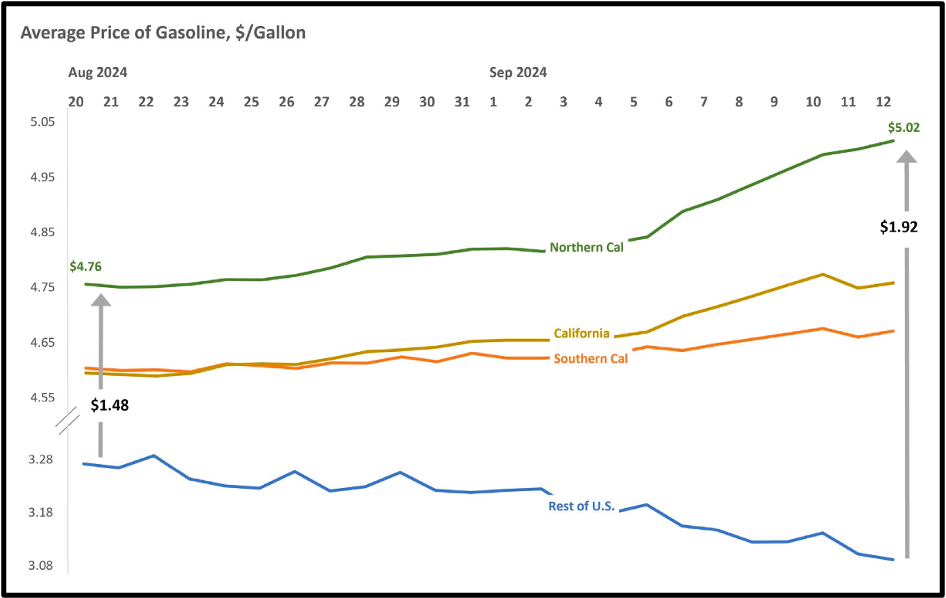
The specialized nature of CARB fuel exacerbates the state’s “fuel island” problem. If a California refinery experiences an issue, it’s not simply a matter of importing fuel from a refinery in Arizona or Texas. Those states do not produce the specific CARB-compliant blend, making emergency imports difficult and costly, as they would likely need to come from distant international markets or be specially produced and transported. This unique requirement is a significant structural reason why California gas prices are almost always higher, influencing everything from daily commutes to multi-day travel guides that need to factor in fuel costs for exploring national parks or scenic drives.
Market Dynamics and Retailer Behavior
Beyond global trends and state mandates, local market dynamics and the behavior of gasoline retailers also contribute to the varying prices seen across California.
Regional Pricing Discrepancies
It’s a common observation that gas prices can vary significantly even within California’s own borders. For example, a gallon of gas in the Bay Area or near a major attraction in Los Angeles is often considerably more expensive than in the more rural Central Valley. These regional discrepancies stem from several factors, including local competition among gas stations, distribution costs, and population density. Areas with fewer stations or higher population density often experience higher prices due to reduced competition and increased demand.
Furthermore, gas stations near major freeways, airports, or popular tourist destinations often charge a premium, knowing that travelers may be less price-sensitive or have fewer alternatives. For tourism-focused websites, this means advising travelers to be strategic about where they refuel. Planning stops in areas known for lower prices, perhaps using a fuel-finding app, can lead to significant savings over the course of a long trip. This impacts the overall budget for accommodation and experiences, allowing travelers to allocate more funds to hotels or cultural activities.
Supply Chain and Transportation Costs
The journey of gasoline from the refinery to the pump also adds to its cost. While California has its own refineries, the fuel still needs to be transported to thousands of gas stations across the state. This involves a network of pipelines, tanker trucks, and storage facilities. The cost of this distribution, including fuel for the trucks themselves, labor, and maintenance of infrastructure, is factored into the retail price. Longer distances from refineries to remote areas, or challenging terrain, can increase these transportation costs.
Seasonal demand also plays a role. During peak travel seasons like summer holidays or major events, the increased demand for gasoline puts pressure on the supply chain, leading to higher prices. Many people choose to embark on road trips to California’s stunning national parks, coastal towns, or desert resorts during these times. This heightened demand, combined with the inherent constraints of California’s refining capacity and specialized fuel requirements, can lead to noticeable price surges. Understanding these patterns allows travelers to plan their trips strategically, perhaps opting for shoulder seasons when demand for both accommodation and fuel might be lower, leading to a more budget-friendly and relaxed travel experience.
Adapting Your Travel & Lifestyle in High-Price California
While the factors contributing to California’s high gas prices are complex and often beyond individual control, there are numerous strategies both visitors and residents can employ to mitigate their impact on travel and daily lifestyle.
Smart Travel Strategies for Visitors
For those planning to explore California, embracing smart travel strategies is key to a rewarding and cost-effective trip.
- Embrace Public Transportation: In major metropolitan areas like San Francisco and Los Angeles, robust public transport systems can be your best friend. BART in the Bay Area and the Los Angeles Metro offer convenient and affordable ways to reach key attractions and landmarks, bypassing traffic and parking fees entirely. Many hotels in these cities are located within easy walking distance of public transport hubs.
- Consider Electric Vehicles or Hybrids: When renting a car for a longer road trip, investigate the cost-effectiveness of an electric vehicle (EV) or a hybrid. California has an extensive network of charging stations, especially along major routes. While charging may take longer than refueling, the significant savings on fuel costs can make it worthwhile, offering a more sustainable and budget-friendly travel experience.
- Optimize Your Route: Plan your itinerary carefully to minimize unnecessary driving. Group nearby destinations together and consider multi-day stays in regions like Yosemite or the Napa Valley to reduce back-and-forth travel. Utilizing mapping apps that show real-time traffic can also help avoid fuel-wasting congestion.
- Choose Strategic Accommodation: Select hotels, resorts, or other accommodation options that offer good walkability or direct access to public transport. Some hotels even provide shuttle services to nearby attractions or airports, further reducing the need for a personal vehicle. For budget-conscious travelers, staying slightly outside prime tourist areas but with good transport links can save on both accommodation and transportation costs.
- Explore Local Tourism: Focus on deeper experiences in specific areas rather than trying to cover the entire state in one go. For example, dedicate a trip to exploring the local culture, food, and history of San Diego or immerse yourself in the natural beauty of Lake Tahoe, minimizing cross-state travel.
Lifestyle Adjustments for Residents
California residents, who contend with high gas prices daily, have also adapted their lifestyles to manage these costs.
- Shift to Fuel-Efficient Vehicles: The transition to electric and hybrid vehicles is more pronounced in California than almost anywhere else. Many residents are opting for these cars to significantly reduce their fuel expenses and benefit from state incentives.
- Carpooling and Ride-Sharing: Commuting with colleagues or utilizing ride-sharing services for errands helps spread the cost of fuel and reduces individual vehicle usage.
- Remote Work: The widespread adoption of remote work has allowed many California residents to drastically cut down on their weekly commutes, leading to substantial savings on gas and vehicle wear and tear.
- Planning Local Experiences: Residents often become experts at planning local getaways and experiences that don’t require extensive driving. Discovering hidden gems in their own communities or exploring nearby parks and beaches becomes a popular strategy.
- Budgeting for Fuel: For many, budgeting for fuel has become as essential as budgeting for rent or groceries, acknowledging it as a significant and unavoidable expense in their monthly lifestyle planning.

Conclusion
The persistently high price of gasoline in California is a complex issue driven by a confluence of global crude oil market volatility, California’s unique and stringent environmental regulations, limited refinery capacity, and regional market dynamics. While these factors create a challenging environment for both travelers and residents, they also foster innovation and adaptation.
For those dreaming of exploring California’s iconic landmarks, savoring its local culture and food, or relaxing in its luxurious hotels and resorts, understanding these pricing mechanisms is the first step towards a well-planned and enjoyable trip. By employing smart travel strategies—leveraging public transport, considering eco-friendly vehicle options, optimizing routes, and making informed choices about accommodation and experiences—the Golden State remains an accessible and unforgettable destination. While gas prices may continue to be a talking point, the sheer beauty and diverse offerings of California ensure its enduring appeal for all who seek its unique blend of adventure, relaxation, and unparalleled lifestyle opportunities.
LifeOutOfTheBox is a participant in the Amazon Services LLC Associates Program, an affiliate advertising program designed to provide a means for sites to earn advertising fees by advertising and linking to Amazon.com. Amazon, the Amazon logo, AmazonSupply, and the AmazonSupply logo are trademarks of Amazon.com, Inc. or its affiliates. As an Amazon Associate we earn affiliate commissions from qualifying purchases.