
California, a land celebrated for its diverse landscapes, vibrant culture, and perpetual sunshine, often finds itself in the global spotlight for its weather patterns. While golden beaches and balmy evenings are part of its allure, there are times when the heat becomes more than just pleasant warmth; it becomes an intense, often record-breaking phenomenon. If you’ve been planning a trip, living, or merely observing the news, you might be asking: “Why is it so hot in California right now?” This question delves beyond simple seasonal fluctuations, touching upon complex meteorological patterns and broader climate trends that significantly impact travel, tourism, and daily life across the Golden State.
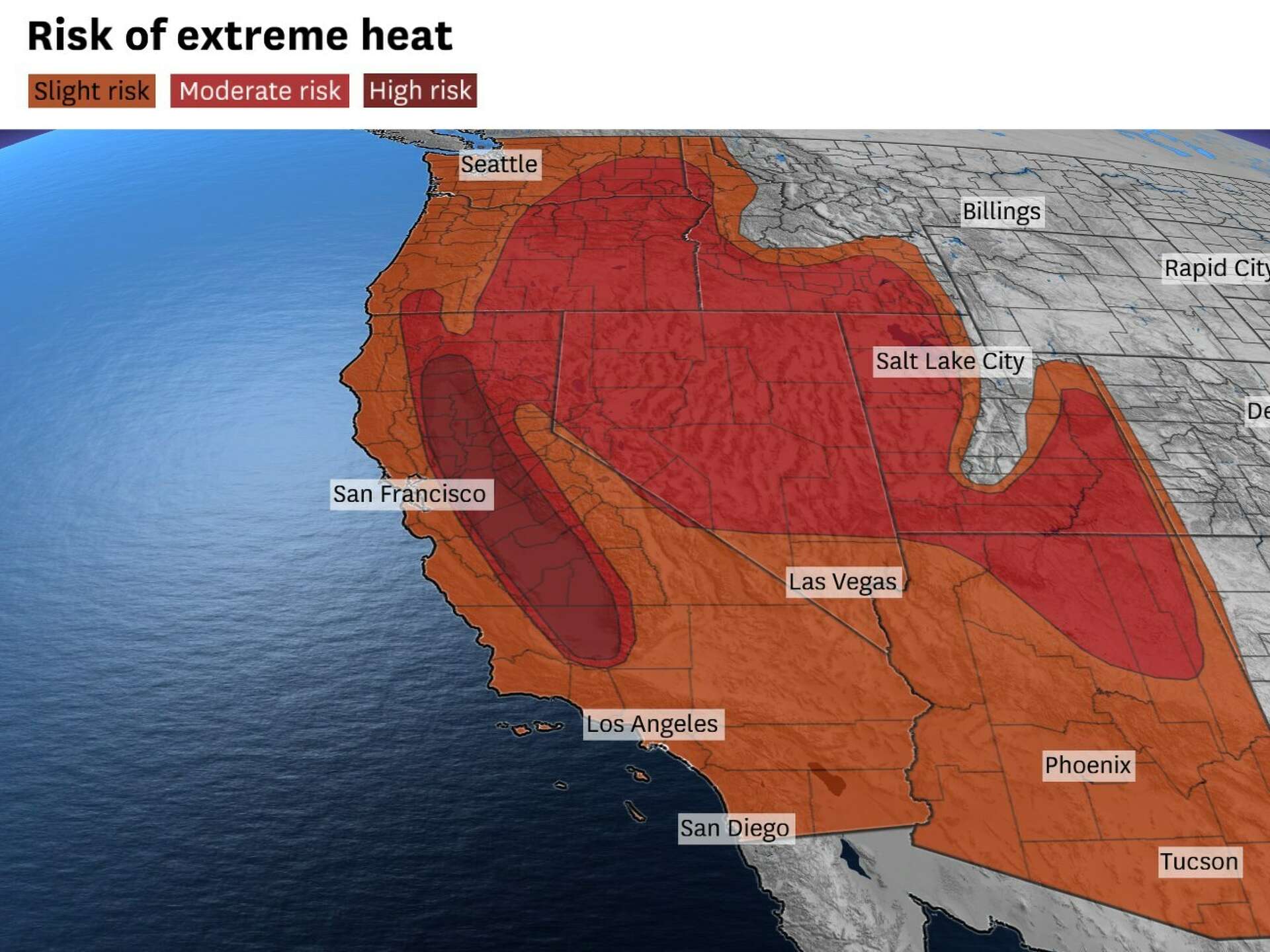
Understanding the current heatwave requires a look at several interconnected factors, from atmospheric conditions that trap heat over the region to the long-term implications of climate change. For travelers, this knowledge isn’t just interesting trivia; it’s crucial for planning an enjoyable, safe, and memorable experience. It shapes decisions about destinations, the type of accommodations sought, and the activities chosen, encouraging a shift towards cooler pursuits and smarter travel strategies.
Understanding the Atmospheric Dynamics Behind the Heat
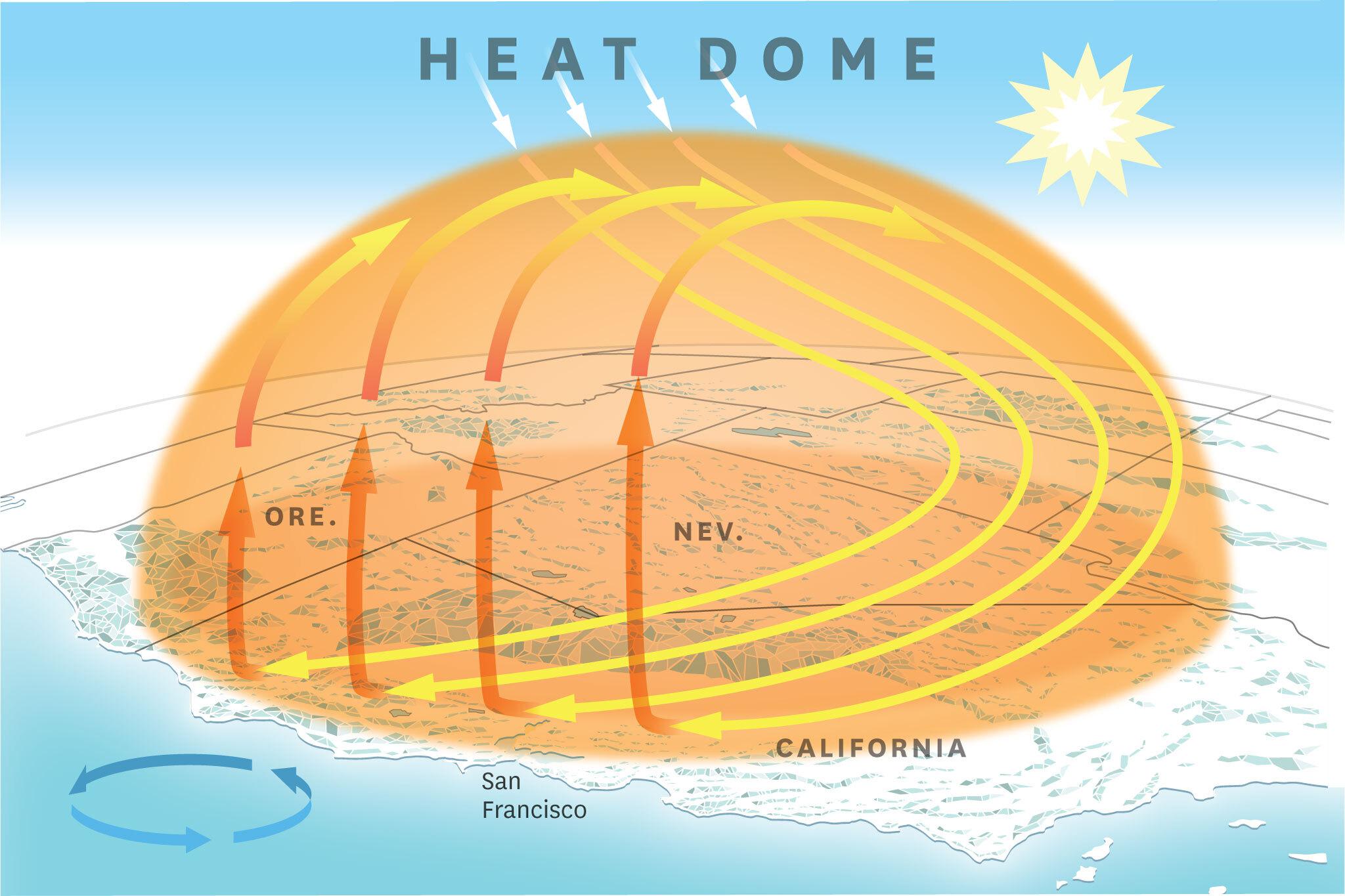
The primary culprit behind many of California’s intense heatwaves is a meteorological phenomenon known as a “heat dome.” Imagine a massive, high-pressure system settling over a region, essentially acting like a lid on a pot. Under this dome, the air compresses, heats up, and then sinks, preventing cooler air from rising or entering the area. This stagnant air mass traps heat close to the ground, leading to prolonged periods of extremely high temperatures. The atmospheric pressure actively pushes the jet stream northward, diverting cooler air and storms away from the state.
These heat domes are often fed by warm air masses originating from the desert Southwest, like the Mojave Desert and Sonoran Desert, which then drift over California. The lack of cloud cover under these high-pressure systems means more direct sunlight reaching the surface, further intensifying the heating. Furthermore, the topography of California plays a significant role. Inland valleys, surrounded by mountain ranges like the Sierra Nevada Mountains and the Coast Ranges, become particularly susceptible to these heat traps. Cities like Sacramento, Bakersfield, and especially Palm Springs in the Coachella Valley, often experience the most extreme temperatures due to this combination of atmospheric conditions and geographical confinement.
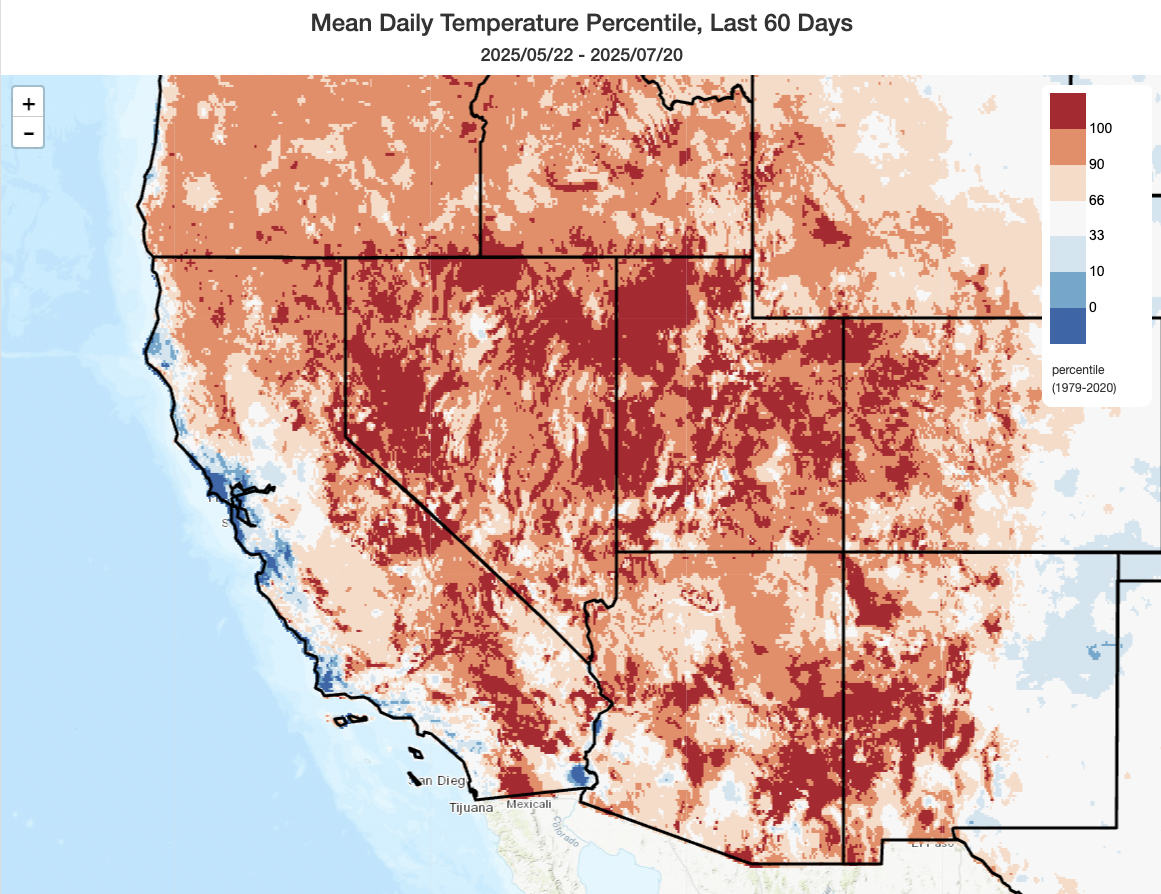
While heat domes are natural phenomena, their increasing frequency, intensity, and duration are often linked to global climate change. A warming planet provides a more conducive environment for these high-pressure systems to form and persist. Warmer oceans, particularly the Pacific Ocean off the California coast, can also contribute by raising temperatures and altering atmospheric circulation patterns. The feedback loop created by warmer global temperatures means that what once might have been an occasional extreme event is becoming a more regular occurrence, impacting everything from local ecosystems to the economic viability of certain tourism sectors.
Impact of Climate Change and Drought
The long-term warming trend and persistent drought conditions amplify the immediate effects of a heatwave. Drier soils and sparse vegetation mean less moisture is available for evaporation, a natural cooling process. When there’s no moisture to evaporate, more of the sun’s energy goes directly into heating the air and the ground, leading to even higher temperatures. The absence of significant rainfall also exacerbates the risk of wildfires, turning vast expanses of already dry land into tinderboxes. Smoke from these fires can further degrade air quality, posing additional health risks for residents and travelers alike.
These environmental shifts compel a reevaluation of how we travel and experience California. Destinations once popular for outdoor adventures might require more cautious planning, while others, like coastal towns or areas at higher elevations, become even more desirable havens from the heat. The state’s ongoing efforts to manage water resources and mitigate wildfire risks also factor into the broader tourism landscape, influencing everything from hotel amenities to permissible outdoor activities in national parks.
Navigating Travel and Tourism in California’s Heat
For those planning to visit or already experiencing California during a heatwave, understanding its impact on travel and tourism is paramount. The extreme temperatures don’t necessarily mean canceling a trip, but rather adapting itineraries, adjusting expectations, and prioritizing safety. The diverse geography of California offers numerous ways to escape the heat, from cool coastal breezes to high mountain altitudes.
Adapting Your Itinerary and Destinations
Certain iconic California destinations are particularly affected by extreme heat. While places like Death Valley National Park are known for their scorching temperatures (holding the record for the hottest air temperature ever recorded), a heatwave can push even typically moderate areas into uncomfortable territory. Visiting such extreme desert landscapes during peak heat is often ill-advised, with parks issuing warnings against strenuous activity.
Instead, consider shifting your focus to coastal cities and regions. San Francisco, with its famous fog and cool Pacific Ocean breezes, often remains a comfortable escape, even when inland areas are sweltering. Explore landmarks like the Golden Gate Bridge, Alcatraz Island, and the vibrant neighborhoods of Fisherman’s Wharf. Further south, Santa Monica, San Diego, and other beach towns offer opportunities for surfing, swimming, and simply relaxing by the water. These areas provide a refreshing contrast to the heat, with a wealth of attractions ranging from the Santa Monica Pier to the San Diego Zoo.
For those who prefer mountain air, higher elevations in the Sierra Nevada Mountains or around Lake Tahoe can offer significant relief. While popular spots like Yosemite National Park and Sequoia National Park can still get warm during the day, the evenings are typically much cooler, and the shaded trails provide a more pleasant hiking experience than lower elevations. Always check park advisories for current conditions, including potential trail closures or fire restrictions.
Embracing Indoor and Evening Activities
When the sun is at its strongest, usually between 10 AM and 4 PM, it’s wise to plan indoor activities. California boasts an incredible array of museums, galleries, and cultural institutions perfect for escaping the heat. In Los Angeles, consider exploring the Getty Center, the Los Angeles County Museum of Art (LACMA), or the California Science Center. Theme parks like Disneyland Park and Universal Studios Hollywood offer plenty of indoor shows and air-conditioned attractions, though waiting in line outdoors still requires careful hydration.
Shopping malls in areas like Beverly Hills (Rodeo Drive) or San Francisco (Westfield San Francisco Centre) provide an air-conditioned haven for leisurely strolls and retail therapy. For a unique experience, consider visiting some of California’s renowned wineries in Napa Valley or Sonoma County, many of which offer cool, underground cellars for tastings and tours.
As the sun sets, the temperatures often become more agreeable, opening up opportunities for outdoor dining, strolls along illuminated boardwalks, or enjoying live music under the stars. Many cities host evening markets, festivals, and open-air concerts designed for cooler temperatures, offering a different, often more vibrant, perspective of California life.
Strategic Accommodation Choices for Comfort
The choice of accommodation becomes incredibly important during a California heatwave. Beyond just a place to sleep, your hotel, resort, or vacation rental can be a sanctuary from the heat, offering essential amenities and services that enhance your comfort and overall travel experience.
Prioritizing Air Conditioning and Water Access
Non-negotiable during hot spells is reliable air conditioning. When booking accommodation, always confirm the presence and functionality of AC, especially if you’re venturing inland. Many older establishments, particularly in cooler coastal areas, might rely on sea breezes rather than central air, which won’t suffice during a heatwave. Researching reviews for comments on cooling systems can be very helpful.
Access to water, particularly a pool, becomes a prized amenity. Resorts and hotels with expansive pools, lazy rivers, or even splash pads are ideal for families and anyone looking to cool off throughout the day. Properties like those in Palm Springs are designed around this concept, offering luxurious poolside experiences with chilled drinks and shaded cabanas. Even a hotel with a small plunge pool can be a lifesaver after a day of sightseeing. For budget travelers, checking for accommodations with shared pool access or proximity to public pools is a smart move.
Seeking Out Cool Retreats and Amenities
Beyond the basics, many accommodations offer specific features designed to combat the heat. Luxury resorts might provide cooled indoor spaces, chilled towels upon arrival, or even misting systems on outdoor patios. Some high-end hotels in major cities may offer spa services featuring cooling treatments or access to indoor pools.
When considering apartments or villas, look for those with good insulation, shaded outdoor areas, and perhaps even ceiling fans in addition to AC. Proximity to natural cooling elements, such as being right on the beach in Malibu or nestled in a forested area, can also make a significant difference. Pay attention to how the accommodation describes its outdoor spaces – ample shade from mature trees, awnings, or covered patios can transform a hot space into a comfortable one.
Long-term stays during intense heat require even more careful consideration, focusing on energy efficiency and local amenities. Proximity to supermarkets for cold drinks and easy access to public transport or ride-sharing services can minimize time spent walking in the heat.
Embracing the Californian Lifestyle Amidst the Heat
The Californian lifestyle is synonymous with outdoor living, healthy eating, and a relaxed pace. While a heatwave might temporarily challenge these norms, it also invites creative adaptations that reveal the resilience and ingenuity embedded in the local culture. It’s about adjusting, not abandoning, the essence of a California experience.
Adjusting Activities and Daily Rhythms
Locals are experts at navigating the heat, often shifting their daily rhythms to avoid the hottest parts of the day. This might mean waking up earlier for hikes or jogs, enjoying brunch instead of a heavy midday lunch, and extending evenings with leisurely dinners and cool drinks. Travelers can adopt similar strategies, planning their most active outings for early mornings or after sunset.
Consider water-based activities like kayaking in La Jolla Cove, paddleboarding in Newport Beach, or swimming in one of California’s many lakes and reservoirs. Many regional parks and recreation areas offer shaded picnic spots and access to refreshing streams or rivers. This shift from intense daytime sun to cooler, more subdued activities allows for continued engagement with California’s natural beauty without risking heat exhaustion.
Culinary Choices and Hydration
The heat naturally influences culinary choices, favoring lighter, refreshing meals. California’s farm-to-table ethos shines here, with an abundance of fresh salads, ceviche, fruit platters, and vibrant smoothies. Look for restaurants that offer al fresco dining in shaded courtyards or misted patios. Seafood, particularly along the coast, becomes an even more appealing option.
Hydration is paramount. Carrying a reusable water bottle and refilling it frequently is essential. Many establishments are happy to provide water, and public fountains are increasingly common. Beyond plain water, fresh juices, iced teas, and electrolyte-rich beverages can help maintain energy levels. Indulging in California’s famous ice cream or artisan popsicles can also be a delightful way to cool down.
The Future of Travel in a Warmer California
As climate patterns continue to evolve, future travel to California may see further shifts. There could be an increased emphasis on sustainable tourism, encouraging visitors to support businesses that prioritize water conservation and energy efficiency. Off-season travel, particularly during the shoulder months of spring and fall, might become even more popular as temperatures become more consistently comfortable.
Destinations that offer natural cooling, such as the Redwood National Park with its dense, shaded forests, or areas at higher altitudes, could see a rise in popularity. The innovative spirit of California is likely to drive new solutions in hospitality, from climate-resilient architecture in new hotels to enhanced cooling technologies in existing ones. For the discerning traveler, understanding these trends means being better equipped to plan a trip that is not only enjoyable but also mindful of the environmental context.
In conclusion, the intense heat in California is a complex interplay of immediate atmospheric conditions and long-term climate trends. While it presents challenges for travelers and locals alike, it also fosters a spirit of adaptation and discovery. By choosing appropriate destinations, adjusting daily schedules, prioritizing comfortable accommodations, and embracing the state’s vibrant culinary scene, visitors can still experience the magic of California, even when the temperatures soar. It’s an invitation to explore the Golden State with a new perspective, appreciating its diverse environments and the ingenuity of its people in the face of changing weather patterns.
LifeOutOfTheBox is a participant in the Amazon Services LLC Associates Program, an affiliate advertising program designed to provide a means for sites to earn advertising fees by advertising and linking to Amazon.com. Amazon, the Amazon logo, AmazonSupply, and the AmazonSupply logo are trademarks of Amazon.com, Inc. or its affiliates. As an Amazon Associate we earn affiliate commissions from qualifying purchases.