
California, with its iconic coastline stretching over 840 miles, is a dream destination for travelers worldwide. From the rugged cliffs of Big Sur to the sandy beaches of San Diego, the Golden State offers an unparalleled blend of natural beauty, vibrant culture, and endless adventure. However, its position along the dynamic Pacific Ocean and the Pacific Ring of Fire naturally brings questions about seismic activity and the potential for tsunamis. For those planning a trip, considering accommodation, or simply curious about coastal living, understanding California’s tsunami risk is an important part of a well-rounded travel perspective.
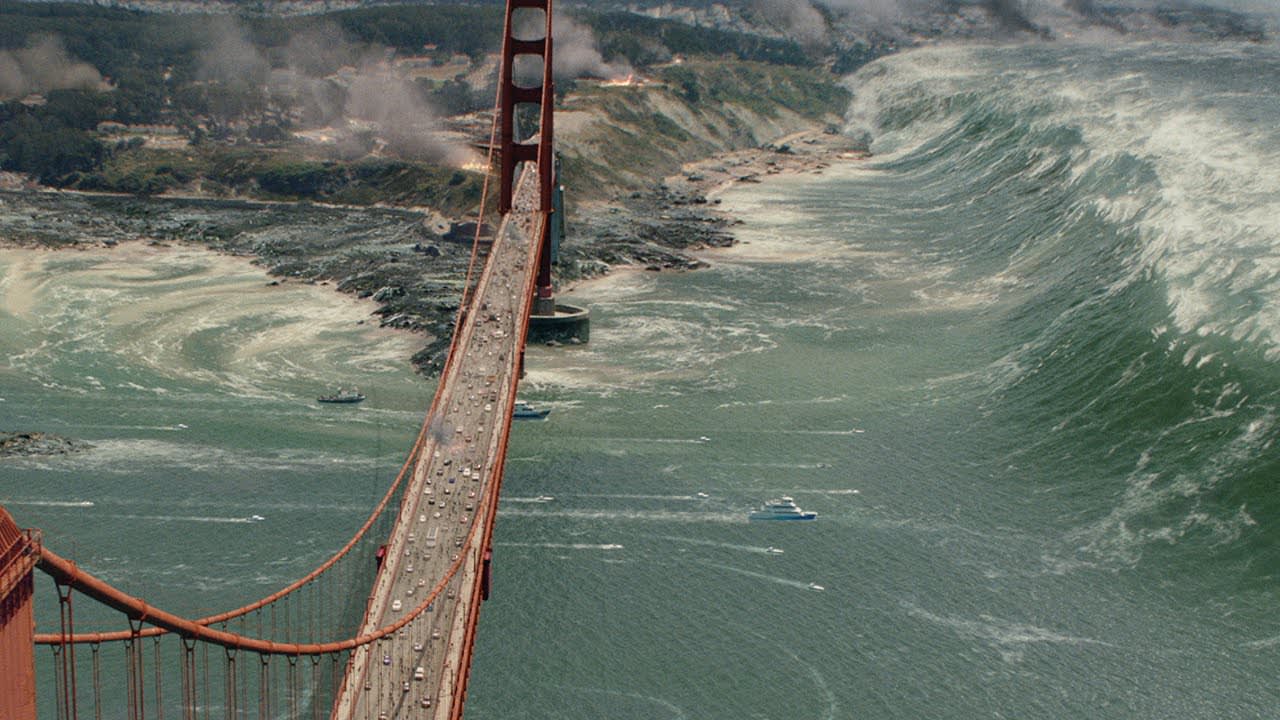
The question, “Did a tsunami hit California?”, is not a simple yes or no. While a catastrophic, locally generated tsunami equivalent to those seen in other parts of the world hasn’t occurred in recent memory, California’s shores have indeed experienced tsunami events. These have ranged from distant tsunamis causing significant harbor damage and dangerous currents to smaller, less impactful local surges. The key lies in differentiating between these events and understanding the various factors at play, all while appreciating the incredible travel opportunities that continue to draw millions to this magnificent state. This article delves into the history, science, and preparedness surrounding tsunamis in California, providing essential insights for responsible tourism and peace of mind for both visitors and residents.
Understanding Tsunami Risk in California
California’s geographical location makes it susceptible to tsunamis, but not all tsunamis are created equal. Tsunamis are typically caused by large undersea earthquakes, but can also result from volcanic eruptions, landslides, or even meteor impacts. For California, the primary concern is seismic activity from two main sources: distant earthquakes and local offshore earthquakes.
Geological Factors and the Pacific Ring of Fire
California sits on the eastern edge of the Pacific Ring of Fire, a horseshoe-shaped zone known for its intense seismic and volcanic activity. This region accounts for approximately 90% of the world’s earthquakes and 81% of the world’s largest earthquakes. Major quakes in areas like Alaska, Japan, Chile, or Indonesia can generate tsunamis that travel across the entire Pacific Ocean, eventually reaching California’s coast. These are known as distant-source tsunamis. While they take many hours to arrive, offering crucial warning time, their impact can still be significant, particularly in harbors and low-lying coastal areas.
Local-source tsunamis, on the other hand, are generated by earthquakes or underwater landslides much closer to California’s coast. These are far less common but potentially more dangerous due to their rapid arrival time, often within minutes, leaving very little opportunity for official warnings or evacuations. Scientists are continuously mapping offshore faults and conducting research to better understand the potential for such events. Despite the seismic activity, it’s important for travelers to know that the vast majority of earthquakes in California are not strong enough or of the right type to generate tsunamis. The geology is complex, but preparedness efforts are robust, providing a foundation for safe travel and comfortable accommodation options throughout the state.
Notable Tsunami Events and Their Impact on California
While the image of towering waves devastating coastal cities might come to mind, California’s experience with tsunamis has historically been less dramatic in terms of direct, widespread destruction, but still noteworthy for its localized impacts and the lessons learned.
The 1964 Alaska Earthquake Tsunami
One of the most significant tsunami events to impact California was a distant-source tsunami generated by the 1964 Alaska Earthquake, the second-largest earthquake ever recorded globally. This magnitude 9.2 earthquake triggered a massive tsunami that traveled across the Pacific Ocean. When it reached California, the most severe damage occurred in Crescent City in northern California, where four waves, the largest reaching over 20 feet, struck the harbor. Tragically, eleven people lost their lives, and the city’s downtown area and fishing fleet were extensively damaged. Other areas like Santa Cruz and Los Angeles’s Marina del Rey also experienced significant surges and damage to docks and boats, though with no fatalities. This event underscored the vulnerability of harbor communities and served as a crucial catalyst for improving tsunami warning systems.
The 2011 Japan Tsunami and California’s Shores
More recently, the devastating magnitude 9.1 2011 Japan Tsunami also impacted California’s coast. While the waves that reached California were significantly smaller than those that struck Japan, they still caused considerable damage to harbors, boats, and coastal infrastructure, estimated at over $100 million. Again, Crescent City was hit hard, experiencing strong surges that destroyed sections of its harbor. Other ports like Santa Cruz, San Francisco, and Long Beach also reported damage. Unfortunately, one person died in California while attempting to photograph the waves, highlighting the dangers even of distant-source tsunamis and the critical importance of heeding warnings. These events, though distant in origin, demonstrate that tsunamis do affect California’s coast, even if not with the same destructive force as at their source. For travelers, understanding these historical precedents provides context for the comprehensive safety measures now in place, ensuring that a stay in a beautiful coastal hotel or a visit to a famous landmark can be enjoyed with confidence.
California’s Preparedness and Safety Measures
In the wake of past tsunami events, California has developed one of the most advanced and comprehensive tsunami preparedness programs in the United States. This multi-layered approach combines sophisticated technology with widespread public education to protect both residents and the millions of tourists who visit its shores annually.
Advanced Warning Systems and Emergency Protocols
Central to California’s defense is its integration into the National Oceanic and Atmospheric Administration (NOAA)’s Pacific Tsunami Warning Center (PTWC) and the West Coast/Alaska Tsunami Warning Center. These centers utilize a network of seismic sensors, deep-ocean buoys (DART buoys), and coastal tide gauges to detect tsunamis, predict their arrival times, and estimate their potential impact.

Upon detection of a potential tsunami threat, warnings and advisories are disseminated rapidly through various channels:
- Emergency Alert System (EAS): Broadcasts via radio and television.
- Wireless Emergency Alerts (WEA): Text messages sent to mobile phones in affected areas.
- NOAA Weather Radio: Dedicated weather and hazard broadcasts.
- Local Emergency Management Agencies: The California Office of Emergency Services (CalOES) coordinates with county and city officials to activate emergency operations centers, deploy first responders, and facilitate evacuations.
Coastal communities in California also participate in the “TsunamiReady” program, an initiative that promotes preparedness through risk assessment, warning system development, and public outreach. This means that if you’re staying in a coastal hotel or visiting a landmark, there’s a high likelihood that the local authorities have robust plans in place.
Public Awareness and Evacuation Routes
Education is a cornerstone of tsunami safety. California provides extensive public awareness campaigns, using signage, brochures, and online resources to inform people about tsunami risks and what to do in an emergency. Crucially, coastal areas are clearly marked with tsunami hazard zone signs and designated evacuation routes. These routes guide people to higher ground, often identified by blue and white “Tsunami Evacuation Route” signs.
Many coastal accommodations, from luxury resorts to budget-friendly apartments, also provide guests with information on local emergency procedures. It’s common to find emergency instructions in hotel rooms, detailing assembly points or evacuation paths. For travelers, taking a moment to review these resources upon check-in can provide significant peace of mind. Knowing where to go and what to do, even for a distant-source tsunami with hours of warning, is crucial. If you feel a strong earthquake while on the coast – one that’s hard to stand up during – or observe a sudden recession or rise of the ocean, the safest action is to immediately move to high ground, regardless of whether an official warning has been issued. This natural response is a vital component of local-source tsunami safety.
Traveling Safely to California’s Coastline
For many, a trip to California is synonymous with its breathtaking coastline. Despite the geological realities, millions of visitors enjoy the beaches, vibrant cities, and serene landscapes every year. With the robust safety measures in place, enjoying California’s coastal wonders responsibly is entirely feasible and highly recommended.
Before You Go: Planning for Peace of Mind
Preparation is key to any successful trip. When planning your California coastal adventure, consider the following:
- Research Your Destination: While all coastal areas have preparedness plans, familiarizing yourself with specific local information for places like San Francisco, Santa Monica, or San Diego can be beneficial. Check official city or county emergency management websites.
- Accommodation Choices: Many hotels and resorts in coastal towns are built with modern safety standards. When booking accommodation, especially if you prefer lower-level rooms or beachfront villas, it’s always wise to casually inquire about their emergency procedures or note the presence of visible evacuation information. Reputable hotel chains like Ritz-Carlton, Four Seasons, or Hyatt Regency in coastal areas are typically well-versed in local safety protocols.
- Travel Insurance: As with any trip, comprehensive travel insurance can cover unforeseen circumstances, offering an extra layer of financial security.
During Your Stay: Enjoying with Awareness
Once you arrive, embracing the beauty of California’s coast involves a conscious awareness of your surroundings, without letting it detract from the experience:
- Locate Evacuation Routes: As mentioned, take a moment to identify tsunami evacuation route signs near your hotel or any coastal landmark you visit. Knowing the path to higher ground is empowering.
- Heed Warnings: If an official tsunami watch or warning is issued, take it seriously. Follow instructions from local authorities, lifeguards, and hotel staff. Evacuate promptly if advised.
- Observe Natural Warnings: Remember the natural signs: a strong earthquake that makes it difficult to stand, or a sudden and unusual retreat or rise of the ocean. These are immediate signals to move away from the coast to higher ground, even before official alerts are issued.
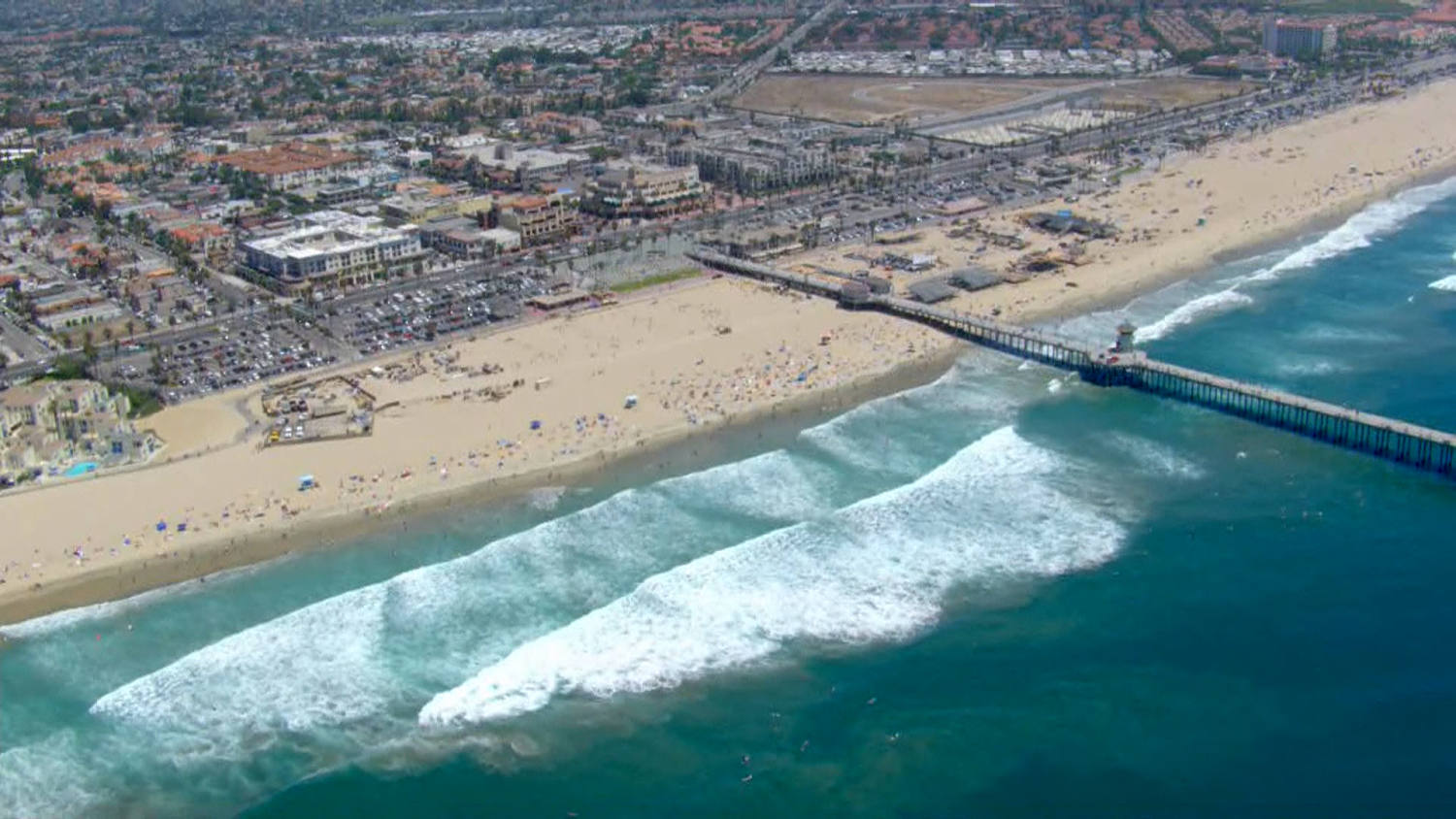
Coastal California Destinations: Enjoying the Beauty Responsibly
California’s coastal cities and towns are treasure troves of experiences, and the risks, while present, are effectively managed.
San Francisco: This iconic city, famous for the Golden Gate Bridge, Fisherman’s Wharf, and the Palace of Fine Arts, offers a unique blend of urban sophistication and natural splendor. Many of its famous landmarks and popular tourist areas are at sufficient elevation or far enough inland to mitigate immediate tsunami risks. Hotels ranging from boutique stays in Nob Hill to waterfront properties near Pier 39 are well-equipped with emergency information.
Los Angeles: From the bustling shores of Santa Monica and its historic Santa Monica Pier to the glamorous beaches of Malibu and Newport Beach, Los Angeles epitomizes the California dream. While its vast coastline is extensive, preparedness is high. Visitors can enjoy attractions like Universal Studios or Hollywood, often inland, and then retreat to a beachfront resort or a cozy apartment in Venice Beach with peace of mind, knowing that emergency systems are robust.
San Diego: Known for its idyllic climate, beautiful beaches, and family-friendly attractions like Balboa Park and the San Diego Zoo, San Diego offers a relaxed coastal lifestyle. Its extensive bay and natural protections, combined with rigorous preparedness, make it a safe and appealing destination for all types of travelers seeking everything from luxury stays to budget-conscious family trips.
Central Coast Gems: Destinations like Santa Barbara, Monterey, and Carmel-by-the-Sea enchant visitors with their charm, vineyards, and dramatic ocean views. These areas, while undeniably coastal, maintain a strong focus on community safety and education. Here, visitors can explore historic missions, enjoy wine tasting, or simply relax by the sea, confident in the local emergency infrastructure.
In conclusion, while tsunamis have indeed impacted California’s coast historically, these events have largely been distant-source, causing localized damage rather than widespread devastation. The state’s proactive approach to monitoring, warning, and educating the public ensures that both residents and visitors can enjoy California’s unparalleled coastal beauty with a strong sense of security. Embrace the adventure, choose your ideal accommodation, and explore the Golden State’s magnificent shores, confident in the knowledge that safety is a paramount concern.
LifeOutOfTheBox is a participant in the Amazon Services LLC Associates Program, an affiliate advertising program designed to provide a means for sites to earn advertising fees by advertising and linking to Amazon.com. Amazon, the Amazon logo, AmazonSupply, and the AmazonSupply logo are trademarks of Amazon.com, Inc. or its affiliates. As an Amazon Associate we earn affiliate commissions from qualifying purchases.