
The ground beneath your feet trembles, a low rumble builds, and a faint sway becomes a noticeable shake. For a moment, time seems to stand still as the world around you moves. If you’re in California, this experience might prompt a familiar question: “Did we just have an earthquake?” For locals, it’s often a fleeting moment of recognition before returning to their daily routines. But for visitors, especially those arriving from seismically quieter regions, it can be a jarring, even frightening, encounter.
California is renowned for its vibrant culture, stunning natural beauty, iconic landmarks, and innovative spirit. From the sun-drenched beaches of Southern California to the majestic redwoods of the north, it offers a kaleidoscope of experiences for every type of traveler. Yet, this idyllic setting also happens to be one of the most seismically active regions in the world. Rather than a deterrent, understanding California’s geological reality is key to fully appreciating its unique character and ensuring a safe, enjoyable visit.
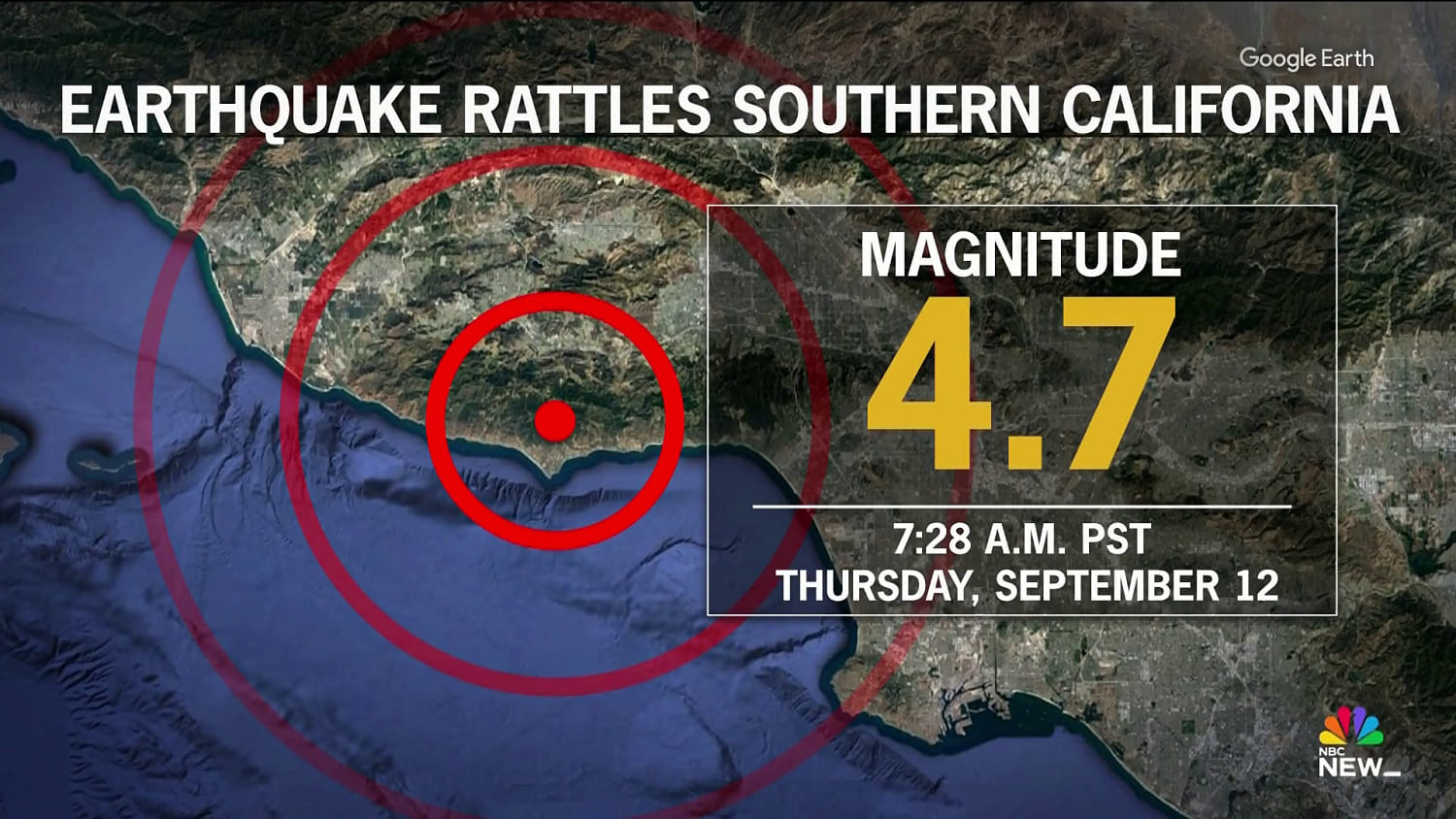
This article delves into the phenomenon of earthquakes in the Golden State, offering insights for both curious residents and prospective tourists. We’ll explore why California shakes, what to do if you find yourself in the middle of a tremor, and how the state’s robust infrastructure and preparedness measures ensure that life, travel, and tourism continue to thrive. From choosing earthquake-resilient accommodation to navigating local attractions with peace of mind, we aim to equip you with the knowledge needed to embrace all that California has to offer, tremors and all.
California’s Shaky Ground: Understanding Seismic Activity
To understand why earthquakes are a common occurrence in California, we need to look beneath the surface. The state sits at the dynamic intersection of two major tectonic plates, making it a hotspot for geological activity. This fundamental geological reality shapes not only its dramatic landscapes but also its occasional tremors.
Why California is Prone to Earthquakes
California’s seismic destiny is primarily defined by the San Andreas Fault system. This colossal geological feature, stretching approximately 800 miles through California, is the transform boundary between the Pacific Plate and the North American Plate. These plates are constantly grinding past each other horizontally. The Pacific Plate, which includes parts of California west of the fault, is moving northwestward relative to the North American Plate.
This movement isn’t smooth. The plates get “stuck” due to friction, causing stress to build up over time. When the accumulated stress eventually overcomes the friction, the plates slip suddenly, releasing enormous amounts of energy in the form of seismic waves – an earthquake. While the San Andreas Fault is the most famous, California is crisscrossed by hundreds of other smaller, active faults, all contributing to the state’s seismic tapestry. Cities like Los Angeles and San Francisco are particularly close to major fault lines, making them more susceptible to tremors. This constant geological dance is a fundamental aspect of the Californian landscape and lifestyle.
What to Expect: Types and Magnitudes
Not all earthquakes are created equal, and most of what Californians experience are relatively minor. Earthquakes are measured using the Richter scale or, more commonly today, the moment magnitude scale, which quantifies the energy released.
- Minor Tremors (Magnitude 2.0-3.9): These are extremely common, often occurring multiple times a day across California. Most are too weak to be felt by humans and are only detectable by sensitive seismographs. If you feel one, it might be a subtle jolt or a gentle sway, barely enough to rattle nerves.
- Light Earthquakes (Magnitude 4.0-4.9): You’ll definitely feel these, and objects might fall off shelves. They can cause minor localized damage but are rarely a threat to well-built structures. For visitors, a light earthquake might be a novel, if unsettling, experience.
- Moderate Earthquakes (Magnitude 5.0-5.9): These are less frequent but can cause significant damage in poorly constructed buildings and may result in noticeable swaying of large structures. They are strong enough to cause concern but generally do not pose widespread danger in modern urban areas.
- Strong Earthquakes (Magnitude 6.0-6.9): These are capable of causing serious damage over large areas. Historical events like the Loma Prieta earthquake of 1989 (Magnitude 6.9) demonstrate their destructive potential.
- Major Earthquakes (Magnitude 7.0-7.9) and Great Earthquakes (Magnitude 8.0+): These are rare but devastating. The 1906 San Francisco earthquake (estimated Magnitude 7.9) and the 1964 Great Alaskan Earthquake (Magnitude 9.2) are examples of their immense power. While the possibility of a major earthquake is ever-present, significant efforts in building codes and public preparedness have been made to mitigate their impact.
The vast majority of tremors experienced in California are minor to light. Knowing this context helps alleviate undue worry and allows you to focus on enjoying your trip.
Ensuring Safety and Enjoying Your California Experience
While the thought of an earthquake can be daunting, preparedness and awareness are your best allies. California has a highly developed system for earthquake safety, and understanding basic precautions will significantly enhance your peace of mind, whether you’re a resident or a visitor exploring its wonders.
Before You Travel: Preparation and Awareness
Planning ahead is crucial for any trip, and a visit to California is no exception. Incorporating a few earthquake-specific considerations into your pre-travel routine can make a big difference.
- Research Your Accommodation: When booking hotels, resorts, or apartments, opt for newer buildings or those that explicitly state they adhere to modern seismic safety standards. Most reputable hotels in major California cities are built to withstand significant shaking, but a quick check can offer reassurance. Websites often highlight these features.
- Pack a Mini Emergency Kit: For travelers, this doesn’t mean a full survival pack, but consider essentials like a small flashlight (with extra batteries), a portable power bank for your phone, a first-aid kit, and any necessary medications. Keep these accessible, perhaps in your daypack.
- Download Emergency Apps: Many apps can provide real-time earthquake alerts (such as the MyShake app from UC Berkeley and the ShakeAlert system), local emergency information, and maps. Familiarize yourself with these before you arrive.
- Understand Your Travel Insurance: Check if your travel insurance covers disruptions or cancellations due to natural disasters. This can be especially important for extended stays or if you have non-refundable bookings.
During an Earthquake: Drop, Cover, and Hold On
The most important safety protocol during an earthquake is “Drop, Cover, and Hold On.” This simple action can save lives and prevent injuries.
- Drop: Immediately drop to your hands and knees. This position protects you from being thrown to the ground and allows you to crawl to shelter.
- Cover: Get under a sturdy piece of furniture, like a strong table or desk. If no shelter is nearby, drop next to an interior wall and cover your head and neck with your arms. Stay away from windows, hanging objects, and tall furniture that could topple.
- Hold On: Hold onto your shelter. Be prepared to move with it until the shaking stops.
Specific Scenarios:
- In a Hotel Room: Most modern hotel structures are designed to sway, not collapse. Follow “Drop, Cover, and Hold On” under a sturdy desk or by an interior wall. Do not use elevators during or immediately after an earthquake.
- Outdoors: Move to an open area away from buildings, power lines, and trees that could fall.
- Driving: Pull over to the side of the road, stop, and set the parking brake. Avoid stopping under bridges, overpasses, or power lines. Stay inside your vehicle until the shaking stops.
- In a Crowded Attraction (Disneyland, museum etc.): Follow the staff’s instructions. If no instructions are immediately given, “Drop, Cover, and Hold On” is always the default. Large venues are typically designed with seismic safety in mind.
After the Shakes: What to Do
Once the shaking subsides, a calm and methodical approach is best.
- Check Yourself and Others: Assess for injuries. Provide first aid if needed.
- Assess Your Surroundings: Look for damage to your building, gas leaks (a rotten egg smell), or downed power lines. If you suspect a gas leak, evacuate immediately and report it.
- Stay Informed: Tune into local news on your phone or a battery-powered radio for updates and official instructions. Do not use your phone unnecessarily to keep lines open for emergencies.
- Expect Aftershocks: Smaller tremors often follow a larger earthquake. Remain vigilant.
- Follow Evacuation Orders: If authorities issue an evacuation order, follow it promptly. If you are in a hotel, follow the instructions of the staff.
Travel and Tourism in a Seismically Active Region
Despite its seismic activity, California remains one of the world’s premier travel destinations. The state’s commitment to safety and resilience ensures that its vibrant tourism sector continues to thrive, welcoming millions of visitors each year.
Accommodation Choices: Picking a Resilient Stay
When planning your trip, choosing the right accommodation can offer an extra layer of peace of mind. California has some of the most stringent building codes in the world, particularly concerning seismic resilience.
- Modern Hotels and Resorts: Contemporary hotels and resorts in cities like Los Angeles, San Francisco, and San Diego are typically constructed with advanced seismic engineering. Features like base isolation systems, which separate the building from its foundation, and ductile materials allow structures to absorb and dissipate earthquake energy. These facilities often have comprehensive emergency plans in place, and staff are trained to guide guests during and after an event.
- Historic Buildings: While charming, older structures may not have the same inherent seismic resistance as new builds. However, many historic landmarks and heritage hotels in California have undergone extensive seismic retrofitting. If you’re staying in an older building, it’s worth checking if it has been retrofitted. This process strengthens structures to better withstand ground motion.
- Vacation Rentals and Apartments: For longer stays or a more local experience, vacation rentals are popular. Again, consider the age and construction of the building. Opt for ground-floor units if possible, and familiarize yourself with exit routes. Always prioritize properties that feel sturdy and well-maintained.
The key takeaway is that the majority of modern commercial accommodation in California is designed with earthquakes in mind, making them relatively safe places to be during a tremor.
Exploring Landmarks and Attractions: Reassurance and Resilience
California’s iconic landmarks and bustling attractions are integral to its appeal. Fortunately, these popular sites are also subject to rigorous safety standards.
- Iconic Structures: The Golden Gate Bridge in San Francisco is an engineering marvel that has undergone extensive seismic upgrades, designed to sway and absorb energy during an earthquake. Similarly, theme parks like Disneyland in Anaheim and Universal Studios Hollywood have sophisticated safety protocols and structures built to withstand significant seismic events.
- Natural Wonders: Exploring Yosemite National Park, the beaches of Santa Monica, or the vineyards of Napa Valley offers breathtaking experiences. While you’re outdoors, the primary risks during an earthquake are landslides or falling debris. Staying aware of your surroundings and moving to open areas are the best precautions. Park services and local authorities regularly monitor conditions and issue warnings if risks are heightened.
- Museums and Cultural Sites: California’s many museums, from the Getty Center in Los Angeles to the California Academy of Sciences in San Francisco, are built to protect their precious collections and visitors. They often have internal emergency plans and trained staff.
Visiting these sites is generally safe, as public safety is a top priority. Enjoy the beauty and culture without letting undue worry overshadow your trip.
The Californian Lifestyle Amidst Tremors
For Californians, earthquakes are simply a part of life. This integration into the lifestyle means that preparedness is not just a policy but a practical reality. Homes often have earthquake kits, furniture is bolted to walls, and families practice “Drop, Cover, and Hold On.” This societal readiness contributes significantly to the state’s resilience.
This ingrained preparedness means that after a minor or moderate quake, life quickly returns to normal. Businesses reopen, public transport resumes, and people continue with their plans. The resilience of the Californian spirit is evident in how they adapt and continue to thrive in a geologically active environment. For visitors, observing this stoicism can be reassuring, understanding that the state is well-versed in managing these natural events.
Dispelling Myths and Embracing California’s Unique Charm
Misconceptions about earthquakes can sometimes overshadow the reality of traveling in California. Understanding the truth can help you make informed decisions and truly appreciate the Golden State.
Is California Safe? A Balanced Perspective
The most common question from potential travelers is often, “Is California safe to visit given the earthquakes?” The answer is unequivocally yes, with appropriate awareness.
- Statistical Reality: While California experiences many earthquakes, the vast majority are small and harmless. Major, destructive earthquakes are rare events. The chances of a visitor being caught in a highly destructive earthquake are extremely low, comparable to other low-probability, high-impact events like plane crashes.
- Building Codes and Infrastructure: As mentioned, California has some of the world’s most advanced seismic engineering standards. Buildings, bridges, and critical infrastructure are continually upgraded and maintained to resist seismic forces. This proactive approach significantly reduces risks.
- Public Awareness and Emergency Services: The state has robust emergency services and public education campaigns (like those from the California Earthquake Authority or US Geological Survey). These systems are designed to protect residents and visitors alike.
Focusing solely on the risk of earthquakes would mean overlooking the myriad of risks inherent in any travel or daily life. California manages its specific risks effectively, allowing millions to enjoy its beauty every year without incident.

How Earthquakes Impact Travel Plans
For the vast majority of travelers, earthquakes will have no impact on their plans beyond perhaps a fleeting jolt. However, in the rare event of a significant earthquake, there could be temporary disruptions.
- Transportation: Large earthquakes can temporarily disrupt air travel, train services, and road networks due to inspection requirements. Airports, like LAX or SFO, have procedures to ensure runway and facility safety. Road closures for assessment and debris clearance might occur.
- Attractions and Businesses: Some attractions or businesses might close temporarily for safety inspections after a larger quake. This is a precautionary measure to ensure the safety of employees and visitors.
- Communication: Cell phone networks can become congested immediately after a major event. Texting is often more reliable than calling.
Having flexible travel plans, comprehensive travel insurance, and staying informed via local news channels are the best strategies to mitigate potential disruptions. Remember, these are highly unlikely scenarios for the average trip.
In conclusion, the question “Did we just have an earthquake in California?” is a common one, reflecting the state’s unique geological setting. Far from being a reason to avoid this magnificent destination, understanding this aspect of California enhances your appreciation for its dynamic nature and the resilience of its people and infrastructure. With a little knowledge and preparedness, you can confidently explore its breathtaking landscapes, vibrant cities, and iconic attractions, knowing that safety is a cornerstone of the Californian experience. So pack your bags, download a seismic alert app, and get ready to create unforgettable memories in the Golden State, where even the ground has a story to tell.
LifeOutOfTheBox is a participant in the Amazon Services LLC Associates Program, an affiliate advertising program designed to provide a means for sites to earn advertising fees by advertising and linking to Amazon.com. Amazon, the Amazon logo, AmazonSupply, and the AmazonSupply logo are trademarks of Amazon.com, Inc. or its affiliates. As an Amazon Associate we earn affiliate commissions from qualifying purchases.