
For fans of the long-running drama “Chicago Fire,” few questions have sparked as much concern and debate as the fate of Captain Matthew Casey. As a cornerstone of “Firehouse 51” and a central figure in the series since its inception, Casey’s journey has been a rollercoaster of heroic rescues, personal struggles, and deep emotional connections. When a character so beloved faces potential departure, the ripple effect is felt deeply by the show’s dedicated viewership across the United States and beyond. While the premise of a show about firefighters inherently involves life-threatening situations, the prospect of Casey’s demise loomed large during significant plot arcs, leading many to search for definitive answers.

To put fears to rest directly: No, Matthew Casey does not die in “Chicago Fire.” While the character, portrayed brilliantly by Jesse Spencer, has faced numerous near-death experiences and significant personal crises throughout his tenure, his departure from the series was a planned exit for the actor rather than a dramatic on-screen death. This decision allowed for a more open-ended storyline, leaving the door ajar for potential returns, much to the delight of the fanbase. His absence created a significant void, but it was not marked by tragedy, providing a glimmer of hope for future appearances.
Understanding Casey’s departure requires a look into the character’s profound impact on the series and the practicalities of a long-running television production. His story is intrinsically linked to the spirit of Chicago and the unwavering dedication of its first responders, a theme that resonates deeply with visitors exploring the city’s rich history and vibrant culture. Just as Casey’s journey intertwines with the heart of the Windy City, a trip to Chicago offers an immersive experience into the world that “Chicago Fire” so vividly portrays, from its iconic landmarks to its unique local culture.
The Fates of Firehouse 51: Understanding Matthew Casey’s Journey
Matthew Casey has been a central pillar of “Chicago Fire” since its premiere in 2012. As a dedicated lieutenant, and later captain, he embodied the stoicism, bravery, and deep compassion expected of a firefighter. His professional life was defined by an unwavering commitment to saving lives and protecting the citizens of Chicago, often putting himself in harm’s way without hesitation. Personally, Casey’s life was a complex tapestry of relationships, triumphs, and heartbreaks, making him one of the most relatable and beloved characters on television.
A Legacy of Bravery: Casey’s Time in Chicago
From battling infernos in multi-story buildings to navigating the treacherous politics within the Chicago Fire Department, Casey’s tenure was marked by countless acts of heroism. He was known for his calm demeanor under pressure, his strategic mind, and his ability to lead his team through the most perilous situations. Beyond the fires, his character delved into deeply human storylines, including his tumultuous marriage to Gabriela Dawson, his role as a foster parent, and his enduring friendships with fellow firefighters like Kelly Severide and Wallace Boden. These personal arcs grounded the high-octane action, giving viewers a reason to invest emotionally in the lives of Firehouse 51’s members.
The series often depicted Casey’s struggle with moral dilemmas, the weight of command, and the personal toll of his dangerous profession. His steadfastness and integrity made him a moral compass for the firehouse, often bridging divides and offering guidance. His character development over the seasons showcased a profound evolution, from a somewhat rigid lieutenant to a compassionate captain, always putting the needs of his crew and the community first. This dedication to service, set against the backdrop of one of America’s greatest cities, gave the show a compelling sense of realism and civic pride.
The Question of Departure: Why Fans Were Concerned
The fear of Casey’s death intensified during season 10 when the storyline saw him make the difficult decision to leave Chicago and relocate to Portland, Oregon. This move was driven by a desire to care for the sons of his deceased friend and fellow firefighter, Andy Darden. This selfless act, while entirely in character for Casey, naturally led to concerns about Jesse Spencer’s future on the show. Fans worried that such a significant relocation could be a precursor to a more permanent, tragic exit.
However, the showrunners and Jesse Spencer himself clarified that the decision was based on the actor’s desire to explore new professional opportunities after a decade on the series. His departure was written to allow for a return, which indeed happened. Casey has since made several guest appearances, notably for the wedding of Kelly Severide and Stella Kidd, confirming that his character is very much alive and still connected to his Firehouse 51 family. This approach to character exits, preserving the possibility of returns, is a hallmark of the “One Chicago” franchise created by Dick Wolf for NBC and Paramount Global, offering fans reassurance that their beloved characters might reappear even after moving on.
Chicago Fire Beyond the Screen: A Fan’s Guide to Exploring the City
The allure of “Chicago Fire” extends far beyond its dramatic storylines; it’s also a love letter to the city of Chicago. The show prominently features real locations, creating a vivid backdrop that can inspire fans to visit and experience the “Windy City” firsthand. A trip designed around the spirit of “Chicago Fire” offers a unique blend of tourism and cultural immersion, allowing visitors to connect with the essence of the show and the city it portrays.
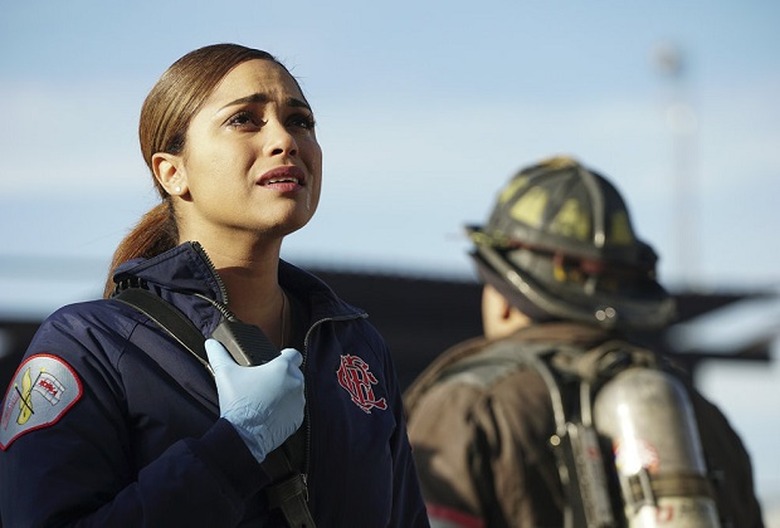
Iconic Chicago Landmarks for “One Chicago” Enthusiasts
Chicago is a city teeming with architectural marvels and historical sites, many of which subtly or overtly appear in “Chicago Fire” and its spin-offs. For fans, visiting these landmarks can feel like stepping directly into the show’s universe.
- Firehouse 51 (Engine 18, Ladder 27, Battalion 2): While the interior shots are mostly done on a soundstage, the exterior of the real Chicago Fire Department Engine 18 at 1360 S. Blue Island Avenue serves as the iconic Firehouse 51. Fans often gather outside to take photos, respectful of the working firefighters inside. This is arguably the most essential stop for any “Chicago Fire” devotee.
- The Chicago River and Bridges: Many dramatic scenes involve the Chicago River and its numerous movable bridges. A river cruise offers unparalleled views of the city’s architecture and gives a sense of the dynamic environment where the show’s emergencies often unfold. The Chicago Riverwalk provides a scenic path for strolls, offering glimpses of the bustling urban landscape.
- Millennium Park and Cloud Gate: While not directly tied to fire emergencies, these world-famous landmarks are quintessential Chicago. Characters might be seen passing by or meeting in areas that hint at these iconic spots. A visit here encapsulates the vibrant public life of the city, much like the community Firehouse 51 serves.
- Willis Tower (formerly Sears Tower) and 875 North Michigan Avenue (formerly John Hancock Center): These towering structures define the Chicago skyline and are often featured in establishing shots, reminding viewers of the high-rise challenges faced by urban firefighters. Ascending to their observation decks offers breathtaking panoramic views of the city where Casey and his team bravely worked.
- Navy Pier: This popular attraction on the shore of Lake Michigan has been the setting for various scenes in the “One Chicago” universe, providing a backdrop for both leisure and occasional dramatic incidents. Its lively atmosphere and views of the skyline make it a memorable spot for visitors.
Immersive Experiences: Living Like a Chicagoan Firefighter (Safely)
While no one truly wants to experience the dangers Casey faces, fans can still get a taste of Chicago’s spirit and the city’s respect for its first responders.
- Chicago Fire Department Museum: For a deeper understanding of the history of firefighting in Chicago, a visit to this museum offers fascinating exhibits on equipment, significant fires, and the evolution of the department. It’s a poignant reminder of the real heroes that inspire characters like Casey.
- Neighborhood Exploration: Much of “Chicago Fire” takes place in various Chicago neighborhoods, each with its distinct character. Exploring areas like Lincoln Park, Wicker Park, or Old Town can give visitors a sense of the diverse communities Firehouse 51 protects. Each neighborhood offers unique attractions, restaurants, and local culture, painting a broader picture of the city beyond the emergencies.
- Participate in Local Events: Chicago is known for its vibrant calendar of festivals, parades, and sporting events. Immersing oneself in these activities allows visitors to feel the pulse of the city and appreciate the sense of community that “Chicago Fire” so often highlights. Witnessing a St. Patrick’s Day parade, for instance, showcases the civic pride and collective spirit that defines Chicago.
Planning Your “One Chicago” Trip: Accommodation, Culture, and Lifestyle
A trip to Chicago for “Chicago Fire” fans is more than just sightseeing; it’s about experiencing the vibrant lifestyle and hospitality the city has to offer. From choosing the perfect accommodation to savoring the distinct local food, every aspect of your travel can be curated to enhance your “One Chicago” experience.
Finding the Perfect Stay: Hotels and Accommodation Options in Chicago
Chicago boasts a wide array of accommodation options to suit every preference and budget, ensuring a comfortable base for your explorations.
- Luxury Hotels: For those seeking an upscale experience, Chicago offers world-class resorts and suites. Properties like the Four Seasons Hotel Chicago, The Langham, Chicago, or The Gwen, a Luxury Collection Hotel, Chicago, provide exceptional amenities, exquisite dining, and prime locations, often with stunning views of the city skyline or Lake Michigan. These establishments cater to a sophisticated lifestyle, perfect for those on a luxury travel itinerary.
- Boutique Hotels: For a more unique and personalized stay, Chicago’s boutique hotels offer distinctive charm and character. Hotels such as Thompson Chicago in Gold Coast or the Kimpton Hotel Monaco Chicago near the Riverwalk blend stylish design with attentive service, providing an intimate experience of the city’s urban elegance.
- Mid-Range and Budget-Friendly Accommodations: Travelers on a budget travel plan will find numerous options that offer comfort without breaking the bank. Chains like Hyatt Centric Chicago Magnificent Mile or many well-regarded hotels near the Magnificent Mile provide excellent value, often with good access to public transportation and major attractions.
- Apartments and Vacation Rentals: For longer stays, family trips, or groups, vacation rentals through platforms like Airbnb offer the comforts of home, including kitchens and multiple bedrooms. These are particularly popular in neighborhoods like West Loop or Lincoln Park, allowing for a more authentic, localized living experience. Choosing an apartment can provide insights into how real Chicagoans live, mirroring the close-knit community feeling of “Chicago Fire.”
When booking accommodation, consider proximity to public transport, desired attractions, and reviews to ensure your stay enhances your overall Chicago adventure.

Savoring Chicago’s Flavors: A Culinary Tour
Chicago is renowned for its vibrant food scene, a crucial element of its local culture and an integral part of any tourism experience. After a day of exploring Firehouse 51-related landmarks, indulge in the city’s iconic culinary offerings.
- Deep Dish Pizza: No visit to Chicago is complete without trying its famous deep dish pizza. Establishments like Lou Malnati’s, Giordano’s, or Pequod’s Pizza offer hearty, cheesy pies that are a true taste of Illinois. Sharing a deep dish with friends or family mirrors the camaraderie often seen among the firefighters in “Chicago Fire.”
- Chicago-Style Hot Dog: Another local delicacy, the Chicago-style hot dog is an all-beef frankfurter on a poppy seed bun, topped with yellow mustard, chopped white onions, bright green sweet pickle relish, a dill pickle spear, tomato slices or wedges, pickled sport peppers, and a dash of celery salt. It’s a vibrant explosion of flavors best experienced at local institutions like Portillo’s or Superdawg.
- Fine Dining and Global Cuisine: For those with a more adventurous palate, Chicago’s Fulton Market and West Loop neighborhoods are culinary hotspots, offering Michelin-starred restaurants and diverse international cuisine. This modern dining scene reflects the diverse and evolving lifestyle of Chicago, appealing to every taste and preference.
In conclusion, while the question “Does Casey Die In Chicago Fire?” can cause momentary panic among fans, the good news is that Captain Matthew Casey lives on, having chosen a new path that allows for future guest appearances. His journey, and the show’s enduring appeal, serve as a fantastic gateway for exploring the vibrant and resilient city of Chicago. Whether you’re drawn by the heroism of its firefighters, the grandeur of its architecture, or the richness of its culinary scene, Chicago offers a profound and unforgettable travel experience that mirrors the depth and excitement of “Chicago Fire” itself.
LifeOutOfTheBox is a participant in the Amazon Services LLC Associates Program, an affiliate advertising program designed to provide a means for sites to earn advertising fees by advertising and linking to Amazon.com. Amazon, the Amazon logo, AmazonSupply, and the AmazonSupply logo are trademarks of Amazon.com, Inc. or its affiliates. As an Amazon Associate we earn affiliate commissions from qualifying purchases.