
The journey from the bustling heart of the Midwest, Chicago, to the iconic metropolis of the East Coast, New York City, represents a significant cross-country traverse within the United States. More than just a simple point A to point B, this route offers a spectrum of travel experiences, each with its own charm, challenges, and opportunities for exploration. Whether you’re planning a quick business trip, a leisurely family vacation, or an adventurous solo journey, understanding the distance and the various modes of transport is crucial to crafting an unforgettable itinerary. This article delves into the logistics, travel times, and enriched experiences awaiting travelers making this epic connection, catering to various travel styles and budgets.

The Journey Unveiled: Distance and Dynamics
The precise distance between Chicago and New York City varies slightly depending on the chosen route and mode of transportation. Generally, it spans approximately 790 to 800 miles (around 1270 to 1287 kilometers) by road. However, aerial distances are shorter, reflecting a more direct path. Understanding these nuances is the first step in planning your trip.
By Road: A Classic American Road Trip
Embarking on a road trip from Chicago to New York City is a quintessential American experience, offering freedom, flexibility, and a chance to witness the diverse landscapes of the Midwest and Northeast. The driving distance typically ranges between 790 and 800 miles, making it a substantial journey that most travelers choose to break up with an overnight stop.
The most common routes primarily involve major interstates. A popular path involves taking I-80 East through Indiana, Ohio, and Pennsylvania, eventually connecting with the New Jersey Turnpike and tunnels into Manhattan. Another option could involve parts of I-90 or I-70 depending on specific detours and preferences. Without significant stops, the drive itself can take anywhere from 12 to 14 hours. This estimate, however, is purely for driving time and does not account for traffic, rest stops, meals, or any unforeseen delays.
When planning a road trip, several factors come into play. Traffic can be a significant concern, especially around major metropolitan areas like Cleveland, Pittsburgh, and particularly as you approach the greater New York City area. Traveling during off-peak hours or weekdays can mitigate some of these delays. Weather is another critical consideration; winter months can bring snow and ice, especially in the northern states, while summer can mean thunderstorms. Always check forecasts before and during your journey. Fuel costs can add up over nearly 800 miles, so budgeting for this is essential. Lastly, be prepared for tolls, particularly on routes like the Pennsylvania Turnpike and bridges/tunnels leading into NYC.
For those embarking on a road trip, accommodation along the way is key. Many travelers opt for comfortable and convenient chain hotels located just off the interstate, such as a Holiday Inn Express, Comfort Inn, or Hampton Inn. These often offer amenities like complimentary breakfast, Wi-Fi, and easy parking, making them perfect for a mid-journey rest. Whether you prefer a luxury travel experience with boutique hotels or a budget travel approach with motels, the road trip framework allows for diverse lifestyle choices.
Soaring High: The Aerial Route
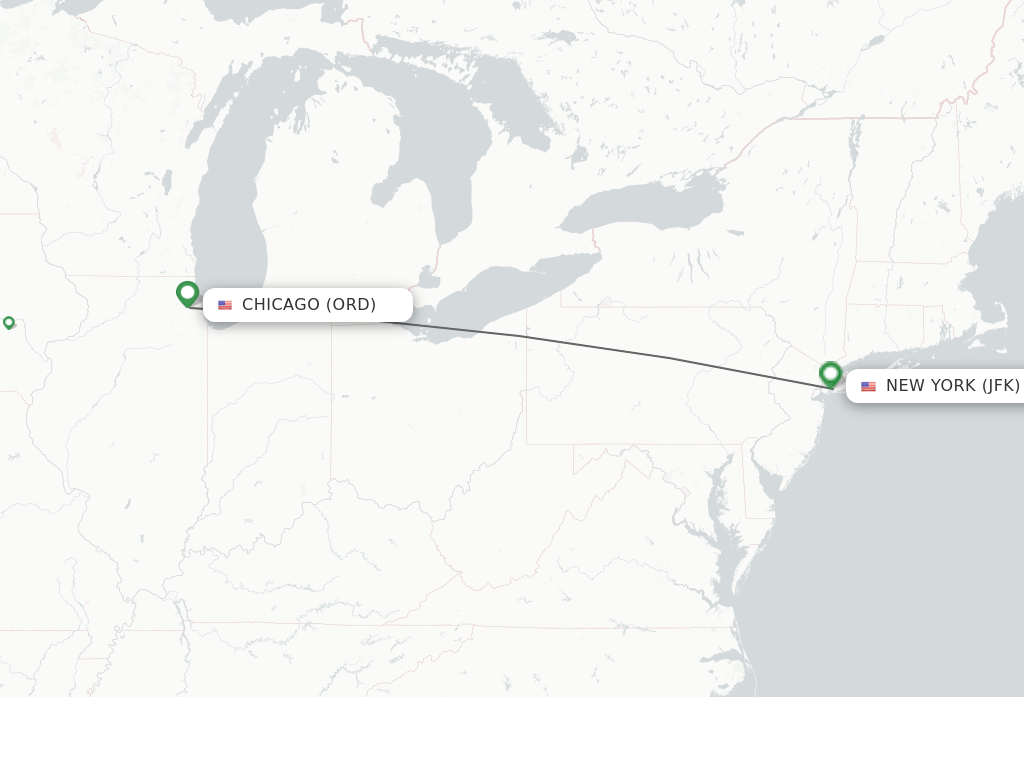
For speed and convenience, flying is undeniably the quickest way to travel between Chicago and New York City. The direct flight distance is approximately 713 miles (about 1147 kilometers). This shorter distance reflects the direct path aircraft can take, unhindered by landforms or roads.
A direct flight typically takes between 2 to 2.5 hours. This incredibly short travel time makes flying ideal for business travelers or those on a tight schedule. However, it’s important to remember that this duration only accounts for the time spent airborne. When planning for air travel, you must factor in time for getting to and from the airports, security checks, boarding, and potential delays.
Chicago is served by two major airports: O’Hare International Airport (ORD), one of the busiest in the world, and Midway International Airport (MDW), a hub for low-cost carriers. In New York City, travelers have three primary options: John F. Kennedy International Airport (JFK), Newark Liberty International Airport (EWR) in New Jersey, and LaGuardia Airport (LGA). Each airport has its own advantages based on your final destination within the NYC metropolitan area and airline preferences. For example, JFK and EWR often handle international flights and offer more long-haul domestic options, while LGA primarily serves domestic routes and is closer to Manhattan.
A key aspect of air travel is selecting the right flight and ensuring a smooth airport experience. Many airlines offer a range of cabin classes, from economy to first class, allowing travelers to choose based on their budget and desired comfort level. Access to airport lounges, such as the Delta Sky Club or United Club, can significantly enhance the travel experience, offering a quiet space, refreshments, and often complimentary Wi-Fi before boarding.
The Scenic Rails and Bus Routes
For those who prefer a more relaxed pace, avoiding the stresses of driving or flying, train and bus services present viable alternatives. These options often offer a different perspective of the landscape and can be more environmentally conscious.
Train Travel: Amtrak provides a popular rail service between Chicago and New York City, notably via the Lake Shore Limited route. This journey is significantly longer than driving or flying, typically taking approximately 18 to 19 hours. While slower, train travel offers unique advantages. Passengers can move around, enjoy dining car services, and even opt for sleeper cars for an overnight journey, turning travel time into a restful experience. It’s a fantastic choice for travelers seeking a nostalgic journey, where the journey itself is part of the experience, rather than just a means to an end. The scenic views, particularly as the train winds through various states, provide a captivating backdrop.
Bus Travel: Several bus companies, including Greyhound and Megabus, operate routes between the two cities. Bus journeys typically range from 14 to 18 hours, depending on the number of stops and traffic conditions. Bus travel is generally the most budget-friendly option, making it popular among students, backpackers, and budget-conscious travelers. Modern buses often come equipped with amenities such as Wi-Fi, power outlets, and reclining seats, offering a reasonable level of comfort for long-haul trips. While it may not be as luxurious as some other options, it’s a practical and accessible way to cover the distance, immersing you in a different aspect of local culture through shared experiences with fellow travelers.
Crafting Your Journey: Beyond the Miles

Choosing how to travel between Chicago and New York City isn’t just about covering the miles; it’s about crafting an experience that aligns with your travel preferences, budget, and desired level of exploration. Each mode of transport offers unique opportunities for adventure, relaxation, and discovery.
The Road Trip Experience: Stops and Sights
A road trip offers unparalleled opportunities for serendipitous discoveries and planned detours. For those taking the I-80 corridor, several cities offer fantastic overnight stops or points of interest.
Toledo, Ohio, makes for an early stop, known for its museum of art. Further east, Cleveland offers significant cultural attractions, most notably the Rock & Roll Hall of Fame, an essential stop for music enthusiasts. It’s also a vibrant city with great dining and a lively waterfront. If time allows, a stay in Cleveland allows you to delve into local culture and explore its unique neighborhoods.
Continuing into Pennsylvania, cities like Erie (on Lake Erie) or Pittsburgh present more opportunities. Pittsburgh, with its unique topography, renowned museums like the Carnegie Museum of Natural History, and revitalized districts, can be a fascinating stop. Depending on your route, a slight deviation south could lead you to Hershey, Pennsylvania, home to Hershey Park and the Hershey’s Chocolate World attraction, a perfect family-friendly detour.
Accommodation along these routes ranges from budget-friendly motels to more upscale hotels, suites, and even charming local inns. Utilizing booking platforms to compare reviews and prices for various hotels and apartments can help secure the best value, whether you’re planning a long-term stay or just a brief stopover. The lifestyle choice here is entirely yours: a brisk, efficient drive or a meandering tour filled with landmarks and local cuisine.
Seamless Air Travel: Booking and Airports
For air travelers, the emphasis shifts to efficiency and comfort. Booking flights well in advance is almost always advisable to secure better fares, especially if your travel dates are rigid. Flexibility with travel days (mid-week flights are often cheaper than weekends) can also lead to significant savings. When considering which NYC airport to fly into, think about your final destination. If you’re staying in Manhattan, LaGuardia Airport (LGA) is often the most convenient, though it lacks direct train service. JFK and Newark Liberty International Airport (EWR) offer excellent public transport connections to various boroughs like Brooklyn and Queens, as well as Manhattan.
Beyond the flight itself, the airport experience can be optimized. Many major airports offer a plethora of amenities, from diverse dining options and retail therapy to spas and art installations. For a luxury travel experience, premium lounges, available to certain ticket holders or through membership, provide a tranquil escape from the terminal bustle, complete with gourmet food, drinks, and dedicated workspaces.
Rail and Bus: A Different Pace of Travel
Choosing rail or bus travel means embracing a different rhythm. On Amtrak, the journey transforms into an opportunity to relax, read, work, or simply gaze out the window at the passing scenery. The Lake Shore Limited offers an especially comfortable experience with various seating classes, from coach to private rooms, and a dedicated dining car. This can be a perfect option for those seeking an unhurried journey, focusing on the simple pleasure of travel.
Bus services, while more direct, also allow for observation of the landscape and interaction with fellow travelers, adding a dimension of local culture. With Wi-Fi and power outlets on many modern buses, you can stay connected or catch up on entertainment. These methods of travel embody a certain lifestyle choice, prioritizing affordability, environmental considerations, and a slower, more immersive transit experience. They often serve as excellent options for solo travelers or small groups looking for budget-conscious journeys without sacrificing the adventure.
Arrival and Exploration: Making the Most of Your Destination
Regardless of how you choose to traverse the distance from Chicago to New York City, the excitement of arriving at your destination is paramount. Both cities are global hubs of tourism, culture, and lifestyle, offering an incredible array of attractions and experiences.
Chicago: The Windy City Awaits
Upon your arrival in Chicago, you’ll be met with a city famed for its stunning architecture, vibrant arts scene, and incredible food. For first-time visitors or those revisiting the city, iconic landmarks such as the “Bean” in Millennium Park, the masterpieces housed within the Art Institute of Chicago, and the entertainment hub of Navy Pier are must-sees. Beyond the well-trodden paths, exploring Chicago’s diverse neighborhoods offers a deeper dive into local culture, from the historic grandeur of the Magnificent Mile to the artistic flair of Wicker Park.
For accommodation, Chicago boasts an impressive selection of hotels. Luxury options like The Peninsula Chicago offer impeccable service and breathtaking views, while boutique hotels such as Thompson Chicago or the Kinzie Hotel provide unique charm and style. For those on a budget or seeking an apartment-style stay, various options cater to different preferences, ensuring a comfortable base for your explorations. No visit is complete without indulging in Chicago’s famous deep-dish pizza or catching a live jazz or blues performance, cornerstones of the city’s tourism and lifestyle.
New York City: The Epicenter of Culture
Arriving in New York City is an experience in itself, a sensory overload of sights, sounds, and endless possibilities. The sheer density of landmarks is astounding: the dazzling lights of Times Square, the serene expansiveness of Central Park, the historical majesty of the Statue of Liberty, and the commanding presence of the Empire State Building. Each offers a glimpse into the diverse facets of this global city. Beyond the major attractions, wandering through neighborhoods like Greenwich Village or SoHo reveals a rich tapestry of local culture, trendy boutiques, and gastronomic delights.
New York City’s accommodation landscape is equally varied, from the iconic luxury of The Plaza Hotel overlooking Central Park to modern, vibrant hotels like Moxy Times Square and budget-friendly, yet stylish, options like Pod 51. Whether you’re seeking a lavish suite, a cozy apartment for a long-term stay, or a chic resort-like experience within the urban jungle, NYC delivers. Engaging in tourism here means enjoying a Broadway show, exploring world-class museums such as the Metropolitan Museum of Art, or simply savoring a diverse array of international cuisines available on almost every street corner. The city truly caters to every lifestyle, from the high-flying executive to the adventurous backpacker.
In conclusion, the distance from Chicago to New York City is substantial, making the journey an integral part of the overall travel experience. Whether you prioritize speed, cost, comfort, or the sheer joy of the open road, a suitable option awaits. Each mode of transportation opens up different avenues for sightseeing, accommodation choices, and immersive cultural engagement, ensuring that your trip between these two great American cities is as rewarding as the destinations themselves. Planning thoughtfully, considering the distance and your personal travel philosophy, will undoubtedly lead to a memorable adventure.
LifeOutOfTheBox is a participant in the Amazon Services LLC Associates Program, an affiliate advertising program designed to provide a means for sites to earn advertising fees by advertising and linking to Amazon.com. Amazon, the Amazon logo, AmazonSupply, and the AmazonSupply logo are trademarks of Amazon.com, Inc. or its affiliates. As an Amazon Associate we earn affiliate commissions from qualifying purchases.