
Embarking on a journey from the bustling streets of Chicago to the historic charm of London is a dream for many travelers. Whether you’re planning a leisurely vacation, a crucial business trip, or a visit to family and friends, understanding the duration of your flight is paramount for meticulous planning. This transatlantic hop connects two of the world’s most vibrant global cities, bridging the vast expanse of the Atlantic Ocean and two continents: North America and Europe. The flight time can vary significantly based on a multitude of factors, from the type of flight you choose (direct vs. layovers) to environmental elements and even the specific airline. This comprehensive guide will break down everything you need to know about flying from Chicago to London, helping you prepare for a smooth and enjoyable travel experience.

Unpacking the Direct Flight Duration
When considering the most efficient way to travel, a direct or non-stop flight is often the preferred choice. These flights cut down on overall travel time by eliminating the need for connecting flights and layovers, getting you to your destination faster and with less hassle.
The Core Numbers: Non-stop Flights
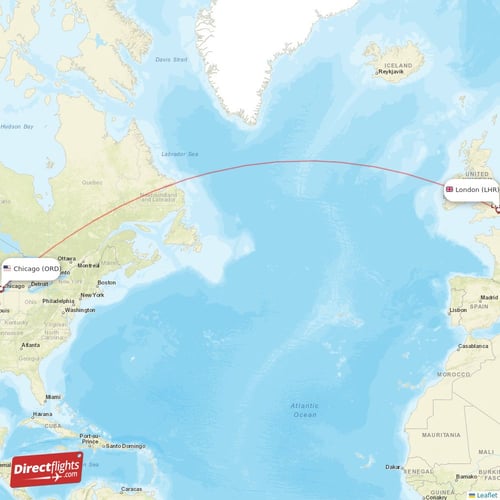
For a direct flight from Chicago to London, you can generally expect a flight duration of approximately 7 to 8 hours. This timeframe accounts for the actual airtime from takeoff at Chicago O’Hare International Airport (ORD) to landing at one of London‘s major international gateways, primarily Heathrow Airport (LHR) or sometimes Gatwick Airport (LGW). While this seems like a relatively short hop for such a significant distance, modern aircraft are designed for speed and efficiency across long hauls.
For example, popular airlines like United Airlines, American Airlines, British Airways, and Virgin Atlantic all offer direct services on this route, with published flight times typically falling within this 7-8 hour window. It’s important to remember that due to the time zone difference (Chicago is Central Time, London is Greenwich Mean Time/British Summer Time, typically 6 hours ahead), you’ll “lose” several hours on your journey eastward, effectively arriving in London the next calendar day. For instance, an evening departure from Chicago will typically result in a morning or early afternoon arrival in London.
Factors Influencing Flight Time
While 7-8 hours is a good baseline, several factors can subtly influence the actual flight duration:
- Jet Stream: This is perhaps the most significant natural factor. Flights traveling eastward from Chicago to London often benefit from the powerful prevailing westerly winds of the jet stream, which can add significant tailwind and shave time off the journey. Conversely, westbound flights (London to Chicago) usually contend with headwinds, making them longer.
- Aircraft Type: Different aircraft models have varying cruising speeds and efficiencies. Newer, more advanced wide-body jets like the Boeing 787 Dreamliner or Airbus A350 might offer slightly quicker transit times compared to older models, though the difference is usually marginal for passengers.
- Weather Conditions: Strong head or tailwinds, storms, or other adverse weather along the flight path can necessitate adjustments to speed or altitude, potentially affecting flight duration.
- Air Traffic Control (ATC) and Airport Congestion: Delays can occur during taxi, takeoff, or landing due to heavy air traffic at either Chicago O’Hare or London Heathrow. While less common, holding patterns before landing can add a few minutes to the overall journey.
- Specific Route Optimization: Airlines and pilots often adjust the exact flight path to avoid turbulence, take advantage of favorable winds, or avoid restricted airspace, all of which can slightly alter the estimated arrival time.
Navigating Flights with Layovers
While direct flights offer convenience, flights with layovers are often a more budget-friendly option, especially if you’re flexible with your travel dates and time. However, they naturally extend your overall travel experience.
Understanding the Added Time
A flight from Chicago to London with one or more layovers can range significantly in total travel time, typically anywhere from 10 to 15 hours or even more. This includes the actual flight segments plus the time spent on the ground during your layover(s).
- Short Layovers: A brief layover, usually 1-3 hours, is designed for quick connections. While efficient, they come with the risk of missing your connecting flight if your first segment is delayed.
- Medium Layovers: Layovers of 3-6 hours provide a comfortable buffer, allowing time to deplane, navigate the connecting airport, grab a meal, or stretch your legs without feeling rushed.
- Long Layovers/Stopovers: Some itineraries might feature layovers exceeding 6-8 hours, or even overnight. These can be tiring but sometimes allow for a quick exploration of the layover city if it’s safe and practical. Certain airlines even offer “stopover programs” to encourage passengers to explore a hub city for a day or two without additional airfare costs.
Common layover cities for this route often include major North American hubs like New York City, Boston, Washington D.C., Philadelphia, or Canadian cities such as Toronto or Montreal. Occasionally, you might find options with European layovers, though these are less common for an eastward journey starting from Chicago directly to London, unless you’re connecting onwards to another European destination.
Strategic Layover Planning
When booking a flight with a layover, consider these points:
- Airport Choice: Research the connecting airport. Larger, more modern airports usually offer better amenities, clear signage, and efficient transit between terminals.
- Minimum Connection Time (MCT): Airlines and airports have established MCTs, which is the shortest time recommended to make a connection. Ensure your itinerary allows for at least this much time, and ideally a bit more for comfort.
- Customs and Immigration: If your layover involves entering a new country (e.g., Canada or another European nation before reaching the United Kingdom), factor in time for customs and immigration procedures, which can be unpredictable.
- Baggage: Confirm whether your luggage will be checked through to London or if you’ll need to retrieve it and re-check it during your layover. This is a crucial detail that can significantly impact connection time.
Preparing for Your Transatlantic Journey
A well-planned trip begins long before you step foot in the airport. From selecting your flight to packing your carry-on, preparation is key to a comfortable transatlantic experience.
Selecting Your Airline and Airport
Chicago is served by two main airports: the bustling O’Hare International Airport (ORD), which handles the vast majority of international flights, and Midway International Airport (MDW), which primarily serves domestic routes. For your flight to London, you will almost certainly depart from O’Hare.
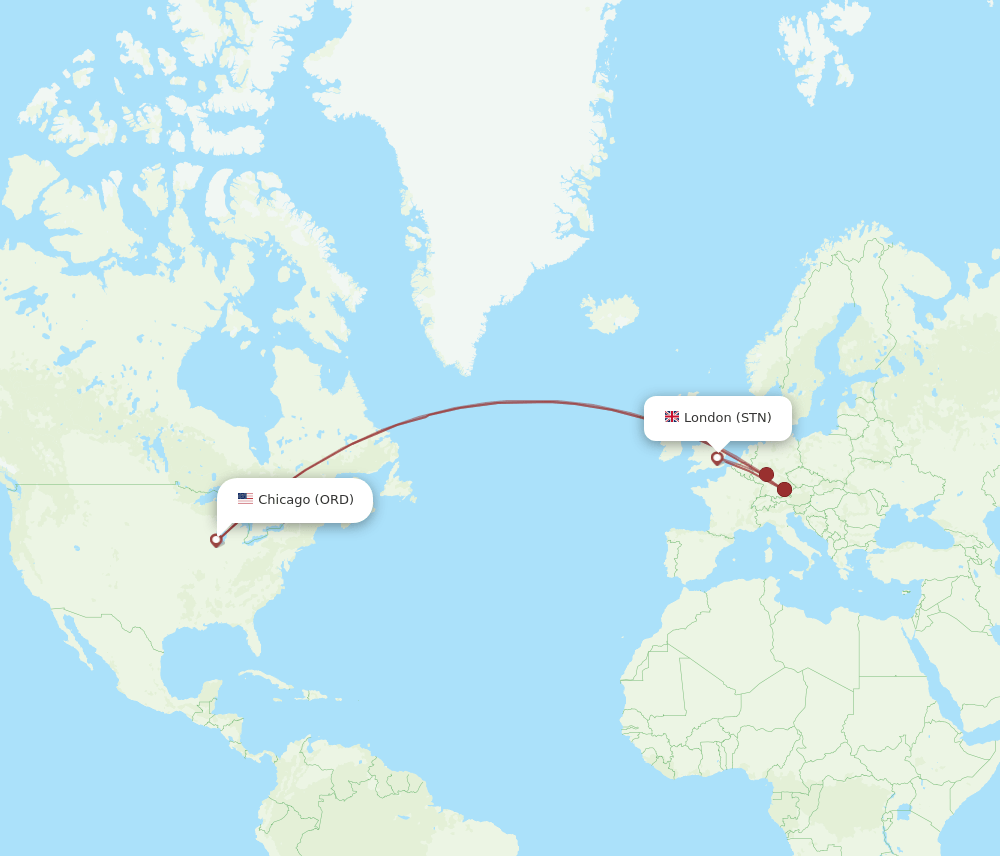
Upon arrival in London, you’ll likely land at Heathrow Airport (LHR), one of the world’s busiest international airports and a major hub for flights from North America. Other possible arrival airports include Gatwick Airport (LGW), Stansted Airport (STN), or Luton Airport (LTN), though these are less common for direct flights from Chicago. London City Airport (LCY) is closer to central London but primarily serves shorter European routes and business travelers, so it’s unlikely for a transatlantic flight.
Choosing your airline often comes down to loyalty programs, service reputation, and of course, price. Major carriers offering direct flights include United Airlines, American Airlines, British Airways, and Virgin Atlantic. Each offers different amenities, cabin classes (economy, premium economy, business, first), and in-flight experiences, catering to various travel lifestyles, from budget travel to luxury travel.
Optimizing Your Booking
- When to Book: Generally, booking 2-4 months in advance for international flights can yield better prices. Peak travel seasons (summer, holidays) will always be more expensive, so consider flying during the shoulder seasons (spring and fall) for potential savings and often more pleasant weather in London.
- Flexibility: If your dates are flexible, use flight comparison tools to see prices across different days. Flying mid-week (Tuesday-Thursday) is often cheaper than weekends.
- Booking Class: Consider if a slightly higher fare for premium economy is worth the extra legroom and amenities on a 7-8 hour flight, especially if you prioritize comfort. For business stays, a business class seat can provide a crucial opportunity for sleep and work.
In-Flight Comfort and Experience
Even on a relatively short transatlantic flight, comfort is paramount. Here are tips for making the most of your journey:
- Seat Choice: If possible, select your seat in advance. A window seat offers views and a place to lean, while an aisle seat provides easier access to restrooms and stretching space. Consider exit row or bulkhead seats for extra legroom, often available for an additional fee.
- Essentials in Your Carry-On: Pack a small bag with travel essentials: an eye mask, earplugs or noise-canceling headphones, a neck pillow, comfortable socks, a reusable water bottle (fill after security), any necessary medications, and a book or fully charged e-reader.
- Staying Hydrated: Cabin air can be very dry. Drink plenty of water throughout the flight to combat dehydration and reduce the effects of jet lag. Limit alcohol and caffeine.
- Movement: Get up and walk around the cabin periodically to promote blood circulation and prevent stiffness. Simple stretches in your seat can also help.
- Entertainment: Most airlines offer extensive in-flight entertainment systems. However, it’s always wise to download movies, TV shows, podcasts, or music to your devices as a backup.
- Sleep Strategies: Adjust your sleep schedule to London time a few days before you depart. On the flight, try to sleep when it would be nighttime in London.
Arriving in London and Getting Around
After your transatlantic journey, the next step is navigating London’s extensive transport network to reach your accommodation and begin your adventure.
Landing at London’s Airports
As mentioned, Heathrow Airport (LHR) is the most likely port of entry. It’s a vast airport with multiple terminals, so pay attention to your arrival terminal number. Gatwick Airport (LGW) is the second-largest and also serves many international flights. Stansted (STN) and Luton (LTN) primarily handle budget European carriers, and London City Airport (LCY) is a smaller airport popular with business travelers in the heart of the city.
From Airport to City Centre
Each airport offers various transport options to central London:
- Heathrow (LHR):
- Heathrow Express: The fastest option, taking about 15-20 minutes to Paddington Station. It’s more expensive but very convenient.
- Piccadilly Line (Tube): The most economical option, taking about 50-60 minutes to central London stations. It’s direct and easy to use.
- Elizabeth Line (Crossrail): A newer, efficient option connecting Heathrow to many key central London stations, offering a good balance of speed and cost.
- Taxis/Private Transfers: Most expensive, but offers door-to-door service, ideal for family trips or those with a lot of luggage.
- Gatwick (LGW):
- Gatwick Express: A dedicated train service to Victoria Station in approximately 30 minutes.
- Thameslink/Southern Rail: More budget-friendly train options to various London stations.
- Stansted (STN):
- Stansted Express: Train service to Liverpool Street Station in about 45-50 minutes.
- Luton (LTN):
- Luton Airport Express: A shuttle bus connects to Luton Airport Parkway station, from where trains go to St Pancras International in central London.
Navigating London
Once in the city, London’s public transport network is world-class:
- The Tube (Underground): Extensive and efficient, perfect for covering long distances quickly.
- Buses: A great way to see the city while traveling, especially the iconic double-decker buses.
- Oyster Card / Contactless Payments: Highly recommended for easy and cheaper travel on all public transport. Simply tap in and out with a contactless bank card or an Oyster Card.
- Walking: Many of London’s attractions are surprisingly close together, making walking a fantastic way to explore and soak in the atmosphere.
Making the Most of Your London Adventure
After a journey of 7-15 hours, you’ll be eager to immerse yourself in everything London has to offer. From historic landmarks to vibrant cultural experiences, the city caters to every interest and lifestyle.
Iconic Landmarks and Attractions
London boasts an unparalleled collection of world-renowned landmarks and attractions that represent centuries of history and culture. Begin your exploration at the majestic Buckingham Palace, the official residence of the monarch, and try to catch the Changing of the Guard. Nearby, you’ll find Westminster Abbey, a UNESCO World Heritage Site and the traditional coronation and burial place for English monarchs, and the Houses of Parliament with the iconic Big Ben clock tower.
Cross Westminster Bridge to experience the panoramic views from the London Eye, offering a unique perspective of the city skyline. Delve into history at the Tower of London, where you can see the Crown Jewels and learn about its dark past. For art and culture enthusiasts, the British Museum houses a staggering collection of world art and artifacts, while the National Gallery dominates Trafalgar Square. Take a stroll through the serene Hyde Park or marvel at the architectural grandeur of St. Paul’s Cathedral. For evening entertainment, catch a world-class show in the West End theatre district.
Accommodation Choices
London’s accommodation scene is as diverse as its population, catering to every budget and preference. From luxury hotels with opulent suites to charming boutique hotels, family-friendly apartments, and budget-conscious hostels, you’ll find a place to suit your needs.
- Luxury Travel: Areas like Mayfair, Knightsbridge, and The Strand offer five-star hotels with top-tier amenities, exquisite dining, and impeccable service.
- Mid-Range and Boutique Hotels: Neighborhoods such as Kensington, Bloomsbury, and Covent Garden feature a wealth of comfortable hotels, many offering unique character and excellent locations close to attractions.
- Budget Travel: Look for options in areas slightly outside the immediate city center, like Earl’s Court, Bayswater, or King’s Cross, which still have excellent transport links. Hostels and guesthouses provide affordable alternatives.
- Apartments and Villas: For longer stays, family trips, or those preferring self-catering, renting an apartment or villa can be an excellent choice, offering more space and a home-away-from-home feel. Websites for booking accommodation in London are plentiful, offering options from studios to multi-bedroom homes.
Culinary Delights and Cultural Experiences
No visit to London is complete without indulging in its culinary offerings and cultural tapestry. Sample traditional English fare in a cozy pub, enjoy a quintessential afternoon tea experience, or explore the incredible diversity of international cuisines, from Michelin-starred restaurants to vibrant street food markets like Borough Market. Explore art galleries like Tate Modern or the National Portrait Gallery, immerse yourself in history at the Churchill War Rooms, or simply wander through charming neighborhoods like Notting Hill.
Beyond the City
If you have extra time, London serves as an excellent base for day trips into the wider United Kingdom. Visit Windsor Castle, the oldest and largest inhabited castle in the world. Explore the prehistoric monument of Stonehenge and the Roman baths in the charming city of Bath. These excursions offer a glimpse into the rich history and beautiful landscapes of England beyond the capital.
In conclusion, a flight from Chicago to London typically ranges from 7 to 8 hours direct, or 10-15+ hours with layovers. Armed with this knowledge and a plan for your arrival and exploration, you’re well-equipped to embark on an unforgettable adventure in one of the world’s most captivating cities. Safe travels!
LifeOutOfTheBox is a participant in the Amazon Services LLC Associates Program, an affiliate advertising program designed to provide a means for sites to earn advertising fees by advertising and linking to Amazon.com. Amazon, the Amazon logo, AmazonSupply, and the AmazonSupply logo are trademarks of Amazon.com, Inc. or its affiliates. As an Amazon Associate we earn affiliate commissions from qualifying purchases.