
The question of “How many people are in the City of Chicago?” delves far beyond a mere demographic statistic. While official census numbers provide a precise snapshot, understanding the population of this sprawling metropolis also means appreciating the vibrant tapestry of residents, the millions of annual visitors, and the intricate ways these numbers shape its identity as a global hub for travel, tourism, business, and lifestyle. Chicago, a jewel of the American Midwest and the largest city in Illinois, stands as a testament to urban dynamism, a place where a diverse population fuels an equally diverse array of experiences, attractions, and opportunities for everyone who steps foot within its limits. From its iconic skyline to its renowned culinary scene, every aspect of Chicago is influenced by the sheer number of people who call it home or choose to visit, creating an energetic atmosphere that defines this remarkable United States city.
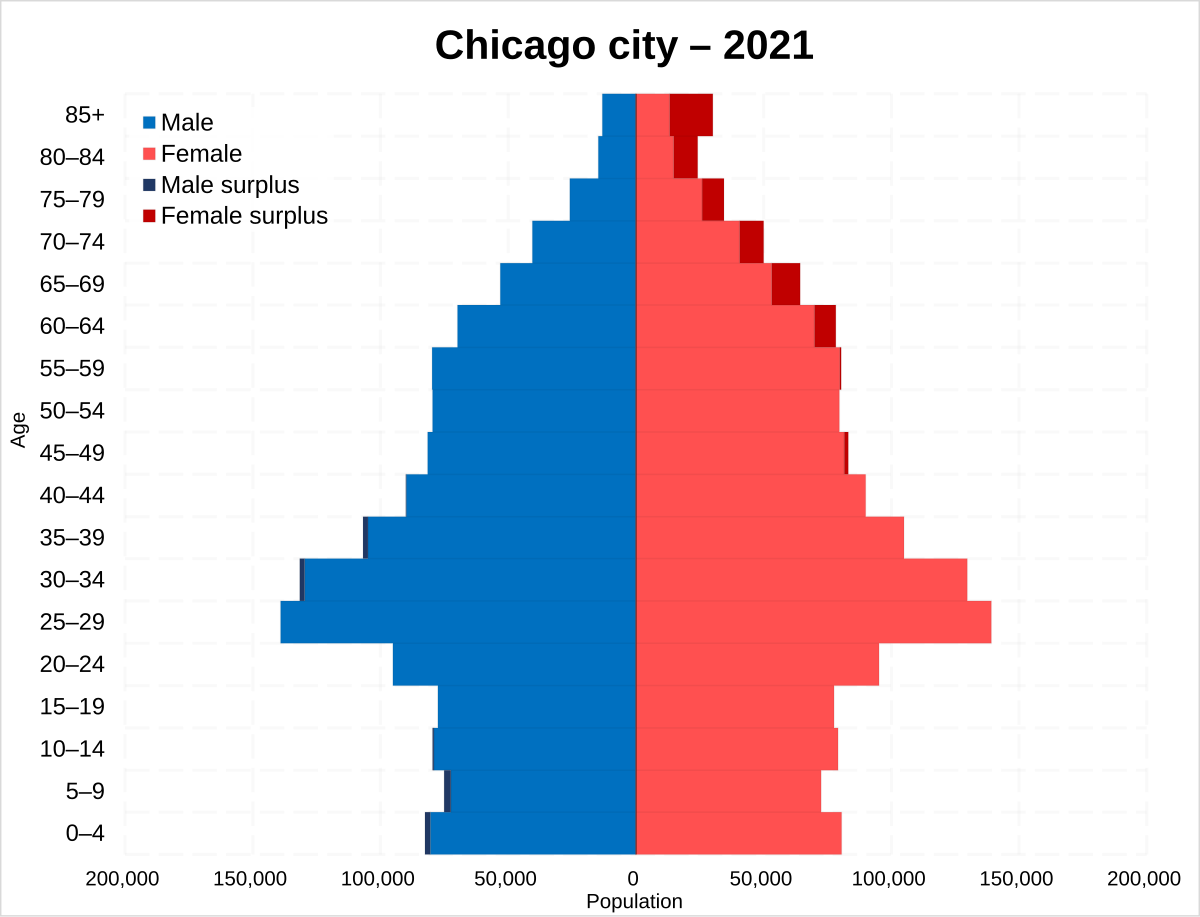
Chicago’s Dynamic Demographics: A Snapshot
At its core, Chicago’s population figures are a key indicator of its urban health and magnetic appeal. These numbers are not static; they ebb and flow with economic trends, migration patterns, and societal shifts, each change impacting the city’s character and offerings.
Understanding the Latest Population Figures
According to the most recent data from the U.S. Census Bureau, the population of the City of Chicago typically hovers around 2.7 million residents. This figure positions it as the third-most populous city in the United States, a consistent standing that underscores its national importance. However, this number represents only the city proper. When considering the broader Chicago metropolitan area, often referred to as Chicagoland, the population swells dramatically to over 9.5 million people. This expansive metropolitan region includes numerous suburbs, towns, and even parts of neighboring states, forming an economic and cultural powerhouse that extends far beyond the city limits. This distinction is crucial for understanding the true scale of human activity and infrastructure required to support such a vast community.
Population trends in Chicago, like many major U.S. cities, show a complex picture. While the city experienced a period of population decline in the mid to late 20th century, recent decades have seen a resurgence, particularly in Downtown Chicago and surrounding urban neighborhoods like River North and West Loop. Young professionals, families, and empty nesters have been drawn back to urban living, contributing to a vibrant city core. This growth puts pressure on, but also stimulates, the development of new accommodation options, enhanced public transportation, and a booming local service industry, directly impacting the availability and quality of services for both residents and visitors.
Diversity and Cultural Richness
One of Chicago’s most defining characteristics is its incredible diversity, directly stemming from its large and varied population. The city has historically been a melting pot for immigrants from all corners of the globe, each wave contributing to its unique cultural fabric. Today, this rich tapestry is evident in its dozens of distinct neighborhoods, each with its own character, ethnic groups, and traditions. From the historic Polish enclaves of Avondale and the vibrant Mexican communities of Pilsen and Little Village to the bustling Chinatown and the upscale Gold Coast, these distinct areas offer an authentic glimpse into the city’s multicultural soul.
This diversity is a huge draw for tourism. Travelers can embark on a culinary journey across continents without leaving the city, sampling authentic dishes from various cultures. Local festivals celebrate these heritages throughout the year, offering visitors a chance to experience traditional music, dance, and art. The numerous languages spoken, the array of religious institutions, and the myriad of independent businesses contribute to an endlessly fascinating urban experience. This cultural richness also fuels the city’s world-class arts scene, from improv comedy at The Second City to performances at the Lyric Opera of Chicago, ensuring that there’s always something new and exciting to discover, deeply rooted in the city’s diverse human capital.
The Interplay of Population and Chicago’s Tourism Landscape
The immense population of Chicago and its surrounding metropolitan area is not just a statistical fact; it’s a fundamental pillar supporting and shaping its booming tourism industry. The relationship is symbiotic: a large local population provides the infrastructure and demand that makes the city attractive to visitors, while the influx of tourists injects vitality and revenue back into the local economy, enriching the lifestyle for residents.
Drawing the Crowds: How Population Fuels Tourism
A city with millions of residents inherently possesses a vibrant internal economy and a dense network of services and amenities. These are precisely the elements that make a destination appealing to travelers. For instance, Chicago’s expansive culinary scene, renowned for everything from deep-dish pizza to Michelin-starred restaurants, thrives on the daily patronage of its residents. Without this consistent local demand, many of these establishments, which are significant tourist attractions in their own right, simply wouldn’t exist or wouldn’t achieve the same level of excellence. The city’s thriving arts and culture scene, from numerous theaters and music venues to countless galleries and public art installations, is similarly sustained by its local population, who are often enthusiastic consumers of these offerings.
Moreover, the sheer density of people means there’s a constant buzz and energy that tourists find infectious. Public parks are used, streets are lively, and events are well-attended. Even local sports teams like the Chicago Cubs at Wrigleyville, the Chicago White Sox at Guaranteed Rate Field, the Chicago Bears at Soldier Field, the Chicago Bulls and Chicago Blackhawks at the United Center, have massive fan bases that make attending a game an electrifying experience for visitors. In essence, the daily lives and leisure activities of Chicagoans create the very backdrop that makes the city such a compelling place to visit. Residents themselves often act as local ambassadors, proudly sharing their city with friends, family, and online communities, further driving interest and visits.
Tourist Influx: Beyond the Locals
While the local population provides the foundation, millions of annual visitors amplify Chicago’s dynamic energy. Pre-pandemic, Chicago consistently welcomed over 50 million visitors each year, a staggering number that underscores its status as a premier global destination. These visitors, whether arriving for business or leisure, significantly contribute to the city’s economy and cultural vibrancy. They fill hotels, dine at restaurants, explore landmarks, and shop along the Magnificent Mile. This constant influx of people from around the world enriches the city’s cosmopolitan atmosphere and ensures a steady demand for a wide array of services.

The sheer volume of tourists necessitates robust infrastructure. This includes efficient transportation systems like the CTA (Chicago Transit Authority) with its extensive ‘L’ train and bus networks, two major international airports (O’Hare International Airport and Midway International Airport), and an array of ground transport options. It also means a sophisticated hospitality sector with a diverse range of accommodation options designed to cater to every budget and preference, from luxurious suites and resorts to budget travel hotels and vacation apartments. The symbiotic relationship ensures that Chicago continues to evolve, offering new attractions and experiences to captivate both its residents and its ever-present stream of guests.
Accommodation and Infrastructure: Serving Millions
A city of Chicago’s scale, serving millions of residents and tens of millions of visitors annually, requires an impressive array of infrastructure and accommodation options. This massive logistical undertaking is a testament to Chicago’s status as a world-class urban center.
Hotels and Resorts: A City Built for Guests
Given its dual role as a major population center and a top tourist destination, Chicago boasts an extensive and diverse hospitality sector. The city offers thousands of hotels and resorts, ranging from iconic luxury properties to boutique hotels and budget-friendly options, catering to every type of traveler. Upscale choices include the historic Palmer House Hilton, the modern elegance of The Langham Chicago, the sophisticated Four Seasons Hotel Chicago, the opulent Waldorf Astoria Chicago, and the stylish Thompson Chicago. These establishments are not just places to sleep; they are often landmarks in themselves, contributing to the city’s architectural grandeur and providing exceptional amenities for a truly luxury travel experience.
For those on business stays or attending conventions, properties like the Hyatt Regency Chicago offer vast conference facilities and strategic locations. Beyond traditional hotels, the market for vacation rentals, serviced apartments, and villas has also expanded significantly, providing options for long-term stay or those seeking a more local experience. This extensive network of accommodation ensures that whether one is visiting for a weekend getaway, a major conference, or a month-long exploration, there’s a perfect place to call home, all supported by a robust industry infrastructure providing services from booking and reviews to comparison and guest support.
Landmarks and Attractions: Designed for Scale
Chicago’s most famous landmarks and attractions are not merely beautiful or historically significant; they are also designed with the capacity to host millions. Millennium Park, for instance, with its iconic Cloud Gate (The Bean) and Crown Fountain, is a sprawling urban oasis that can comfortably accommodate vast crowds, making it a popular spot for both residents and tourists alike. Similarly, the Art Institute of Chicago, one of the oldest and largest art museums in the United States, and other world-class institutions like the Field Museum, Shedd Aquarium, and the Museum of Science and Industry are meticulously planned to handle the daily influx of thousands of visitors.
Even architectural marvels like the Willis Tower (formerly Sears Tower), with its Skydeck Chicago offering breathtaking panoramic views, and Navy Pier, a sprawling entertainment complex along Lake Michigan, are engineered to facilitate high visitor throughput without sacrificing the quality of the experience. Beyond these major sites, the city’s public infrastructure, including its extensive network of parks like Lincoln Park Zoo, the scenic riverwalk along the Chicago River, and its public transportation system, are all critical in moving and supporting its massive population. This commitment to scalable design ensures that Chicago can continue to welcome the world while providing an unparalleled quality of life for its residents.
Lifestyle and Experiences: Living in a Populous Metropolis
Chicago’s vast population is the engine behind its dynamic lifestyle and the unparalleled range of experiences it offers. From its world-renowned culinary scene to its packed calendar of events, everything is amplified by the sheer number of people living, working, and visiting the city.
Culinary Scene and Entertainment
The sheer density and diversity of Chicago’s population directly contribute to its status as a global culinary capital. With millions of residents, the demand for varied and high-quality food is immense, fostering an incredibly competitive and innovative restaurant scene. This goes beyond the famed deep-dish pizza, extending to a remarkable array of Michelin-starred dining establishments, vibrant ethnic eateries representing nearly every cuisine imaginable, and trendy farm-to-table spots in neighborhoods like West Loop. This gastronomic richness makes Chicago a prime destination for food travel and cultural tourism, offering endless opportunities for culinary experiences.
Similarly, the city’s entertainment landscape thrives on its populous base. Chicago is home to a legendary live music scene, from blues clubs and jazz lounges to major concert venues. Its theater district is a national powerhouse, featuring Broadway in Chicago productions alongside a vibrant independent theater scene. Comedy clubs, particularly improv, are deeply rooted in the city’s identity. This continuous cycle of creation and consumption of entertainment caters to diverse tastes and ensures that both residents and visitors always have a plethora of options, making every night out a potential adventure.
Major Events and Festivals
One of the most compelling aspects of life in a major city like Chicago is its ability to host large-scale events and festivals that draw both massive local crowds and international visitors. The city’s substantial population provides the necessary logistical support, volunteer base, and local audience to make these events successful on a grand scale. Iconic annual gatherings such as Lollapalooza, one of the world’s largest music festivals, transform Grant Park into a buzzing hub for hundreds of thousands of attendees. The Chicago Marathon brings together tens of thousands of runners from over 100 countries, cheered on by over a million spectators lining the streets.
The Taste of Chicago, the world’s largest food festival, celebrates the city’s gastronomic prowess, attracting millions over several days. Beyond these, numerous neighborhood festivals, cultural celebrations, and sporting events fill the calendar, each contributing to the city’s vibrant rhythm. These events are integral to Chicago’s identity, offering unique experiences that showcase its community spirit, cultural diversity, and capacity to entertain on a global scale. For travelers, aligning a visit with one of these major events can transform a trip into an unforgettable immersion into the heart of Chicago’s spirited lifestyle.
In conclusion, the question of “How many people are in the City of Chicago?” is answered by a dynamic figure that fluctuates around 2.7 million residents within the city limits and over 9.5 million in the greater Chicagoland area. However, the true significance of this number extends far beyond simple demographics. This vast human presence is the driving force behind everything that makes Chicago a world-class destination: its vibrant cultural tapestry, its innovative culinary scene, its extensive range of hotels and accommodation, its iconic landmarks, and its energetic lifestyle. Whether you are a resident, a business traveler, or a tourist seeking new experiences, the millions of people who inhabit and visit Chicago are what truly bring this magnificent city to life.
LifeOutOfTheBox is a participant in the Amazon Services LLC Associates Program, an affiliate advertising program designed to provide a means for sites to earn advertising fees by advertising and linking to Amazon.com. Amazon, the Amazon logo, AmazonSupply, and the AmazonSupply logo are trademarks of Amazon.com, Inc. or its affiliates. As an Amazon Associate we earn affiliate commissions from qualifying purchases.