
When planning a trip to a vibrant metropolis like Chicago, travelers often focus on booking the perfect hotel suite, exploring iconic landmarks, and indulging in local cuisine. However, for those considering an extended stay, a relocation, or simply driving their own vehicle within the Windy City, understanding local regulations like the Chicago City Vehicle Sticker is an essential part of the travel experience and lifestyle integration. This seemingly minor detail can significantly impact your budget and daily routine, making it a crucial topic for anyone navigating Chicago beyond a short-term visit.
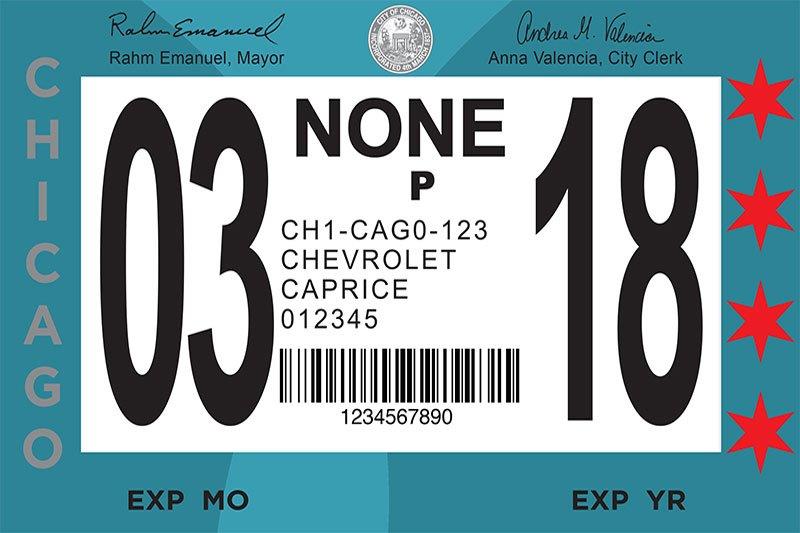
A city sticker isn’t just another administrative hurdle; it’s a mandatory requirement for any vehicle domiciled or primarily garaged within the city limits of Chicago, even if it’s registered in another state. This requirement applies to both residents and businesses and helps fund vital city services, from street maintenance to public safety initiatives. For visitors contemplating a long-term stay – perhaps exploring digital nomad options, a temporary work assignment, or even a college semester – grasping the nuances of this sticker is as important as finding the right accommodation or understanding the local public transport system. It’s a key piece of the puzzle for a smooth transition into Chicago’s unique urban rhythm.
Understanding the Chicago City Vehicle Sticker
At its core, the Chicago City Vehicle Sticker is a tax on vehicles designed to generate revenue for municipal services. It’s not a parking permit (though parking permits are often displayed alongside it) nor is it related to state vehicle registration. Instead, it’s a distinct local requirement, signifying your contribution to the infrastructure and amenities that make Chicago such an attractive destination for both residents and tourists. Neglecting this requirement can lead to substantial fines, making proactive understanding and compliance paramount for anyone bringing a vehicle into the city’s fold.
For long-term visitors or new residents, integrating into the local culture often means grappling with these practicalities. From finding the best deep-dish pizza to navigating the expansive public parks, every aspect of Chicago life offers a unique experience. Understanding the city sticker is part of that deeper dive, allowing you to move beyond being just a tourist to truly living like a local, even if temporarily.
Who Needs a City Sticker?
The requirement for a Chicago City Vehicle Sticker is quite broad, encompassing most vehicles that call Chicago home. This includes:
- Residents: If you live in Chicago and own a vehicle, you need a city sticker. This applies regardless of where your vehicle is registered at the state level (e.g., Illinois, Indiana, Wisconsin).
- Businesses: Any business operating in Chicago that owns or leases vehicles for its operations must also purchase city stickers for those vehicles.
- Long-Term Visitors/Temporary Residents: This is where it gets particularly relevant for our audience. If you move to Chicago for an extended period – typically defined as 30 days or more – and bring your vehicle, you are generally required to obtain a city sticker. This is true even if your accommodation is a long-term rental apartment or an extended-stay hotel. The rule is based on where the vehicle is domiciled or primarily garaged.
There are a few exceptions, such as vehicles owned by non-residents who are students attending an accredited university or college in Chicago, or members of the active military. However, these exemptions often come with specific criteria and require proper documentation. When in doubt, it’s always best to err on the side of caution and consult the City Clerk’s office.
The Cost Breakdown: What to Expect
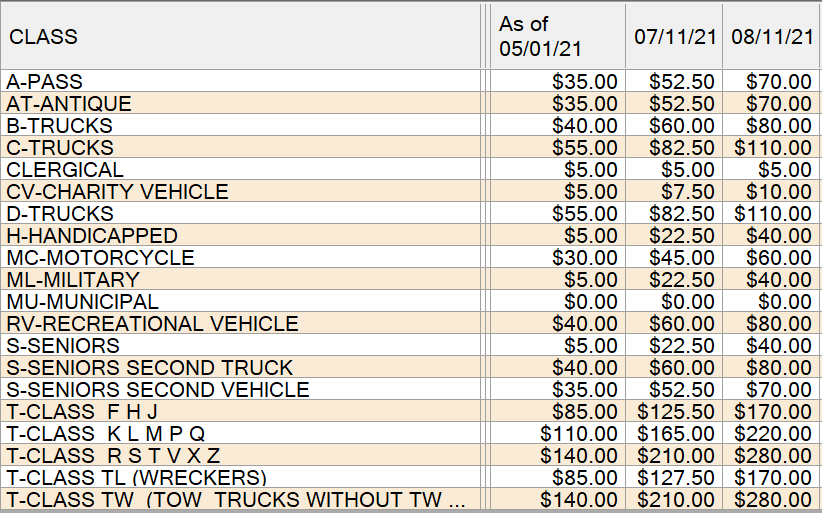
The cost of a Chicago City Vehicle Sticker isn’t a flat fee; it varies significantly based on several factors:
- Vehicle Type: Passenger vehicles, trucks, motorcycles, and commercial vehicles each have different fee structures. For instance, a standard passenger car will have a different rate than a large commercial truck.
- Vehicle Weight: For many vehicle types, especially trucks and SUVs, the fee is tiered based on the vehicle’s gross vehicle weight (GVW). Heavier vehicles generally incur higher fees.
- Vehicle Age (for passenger cars): Uniquely, Chicago offers a discount for “senior” passenger vehicles, typically those that are four years old or older. This is a welcome consideration for those on a tighter budget, perhaps opting for a reliable older model for their urban adventures.
- Emissions Status: Some vehicles, particularly those classified as low-emission or electric vehicles, may qualify for discounted rates as part of the city’s environmental initiatives.
- Residential Parking Zone (Optional): While not part of the base city sticker cost, if you live in a residential parking zone and need a zone-specific permit, there’s an additional fee for that. This permit allows you to park on streets designated for residents of that zone, a crucial feature in many densely populated neighborhoods.
As an example, a standard passenger vehicle (sedan or small SUV) less than four years old typically costs around $135 for an annual sticker. If the vehicle is four years or older, the cost might drop to approximately $85. Trucks and larger SUVs can range from $135 to well over $200 depending on their weight. Motorcycles typically have a lower fee, often around $50. These figures are subject to change, so consulting the official City Clerk’s website is always the most accurate source. When factoring in the overall cost of living or vacationing in Chicago, this annual expense should certainly be accounted for, alongside accommodation, dining, and attraction tickets.
Navigating the Application Process
Obtaining a Chicago City Vehicle Sticker is a relatively straightforward process, designed to be accessible to residents and businesses alike. The goal is to ensure compliance without undue burden, though first-timers might find it a bit confusing. Whether you’re moving into a luxury apartment or setting up a temporary base in a boutique hotel, understanding these steps will save you time and potential hassle.
The sticker must be purchased and displayed within 30 days of establishing residency or purchasing a vehicle. The stickers are valid for one year and typically expire on June 30th each year, regardless of when you purchase them, unless you’re buying a prorated sticker for a new purchase or move-in. Keep an eye on renewal notices, which are usually sent out well in advance.
Where to Purchase Your Sticker
There are several convenient options for purchasing your Chicago City Vehicle Sticker:
- Online: For many, the easiest and quickest method is to purchase the sticker through the official City Clerk of Chicago website. This allows you to complete the transaction from the comfort of your home or hotel room, avoiding lines. You’ll need to enter your vehicle information and provide payment. The sticker is then mailed to your address.
- In-Person at City Clerk Offices: If you prefer face-to-face service or need immediate assistance, you can visit one of the City Clerk’s office locations throughout Chicago. These offices are typically open during regular business hours and can process your application on the spot, allowing you to walk out with your sticker.
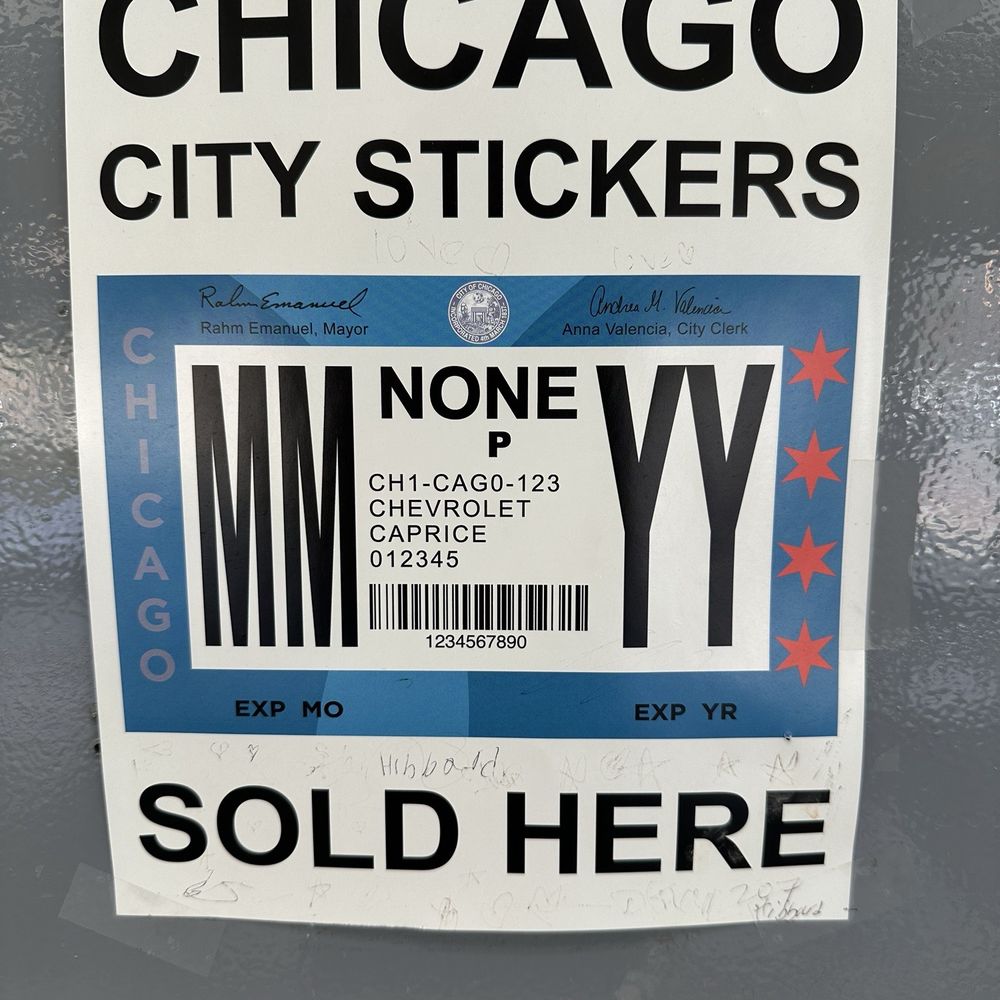
- Authorized Sales Locations: Various currency exchanges, some grocery stores, and auto parts stores are authorized to sell city stickers. These locations offer extended hours and can be a convenient option for those who can’t make it to a City Clerk office during the day.
Choosing the right purchasing method often depends on your timeline and preference. For those who thrive on efficiency and digital solutions, the online portal is invaluable. For individuals who prefer personal interaction or have unique circumstances, an in-person visit might be more reassuring.
Required Documentation
Regardless of where you purchase your sticker, you’ll need to have certain information and documentation ready. This typically includes:
- Vehicle Information: Make, model, year, Vehicle Identification Number (VIN), and license plate number.
- Proof of Residency: A Illinois driver’s license or state ID with a Chicago address. If you’re a new resident and don’t have an updated ID yet, utility bills, a lease agreement, or other official mail addressed to you at your Chicago address may be accepted.
- Vehicle Registration: Your current state vehicle registration (even if it’s from another state) will be required to confirm ownership and vehicle details.
- Proof of Purchase (for new vehicles/residents): If you’ve recently purchased a vehicle or moved to Chicago, you may need documentation like a bill of sale or lease agreement to establish the start date of your 30-day window.
Having all your documents organized beforehand will ensure a smooth and swift transaction, letting you get back to exploring Millennium Park, enjoying the views from the Willis Tower, or experiencing the vibrant atmosphere of Navy Pier.
Beyond the Sticker: Driving and Parking in the Windy City
While acquiring your city sticker is a crucial first step, it’s just one piece of the larger puzzle of navigating Chicago with a vehicle. The city’s dense urban environment presents unique challenges and considerations for drivers, from understanding complex parking regulations to weighing the benefits of public transportation. For those accustomed to sprawling suburban areas, the transition to Chicago’s driving culture can be an experience in itself, demanding patience and a keen awareness of local rules.
Penalties for Non-Compliance
Ignoring the requirement for a Chicago City Vehicle Sticker can lead to significant financial repercussions. The Department of Finance is diligent in enforcing this ordinance. Common penalties include:
- Fines: The most immediate consequence is a fine for not displaying a valid city sticker. This fine can be substantial, often starting at $60 or more for an expired or missing sticker, and can increase with repeat offenses.
- Late Fees: If you renew your sticker after the expiration date, you may incur late fees in addition to the regular cost.
- Vehicle Booting or Towing: In more severe or repeated cases of non-compliance, particularly if combined with other parking violations or unpaid fines, your vehicle could be booted or even towed. Recovering a booted or towed vehicle involves significant fees, including the booting/towing charge, storage fees, and payment of all outstanding fines.
These penalties underscore the importance of prompt compliance. For visitors enjoying the luxury of a premium hotel or residents settling into a new home, unexpected fines can quickly sour the experience and strain the budget. It’s far more cost-effective and stress-free to purchase your sticker on time.
Alternatives to Driving: Exploring Chicago Public Transit
Given the complexities and costs associated with driving and parking in Chicago, many residents and long-term visitors opt for the city’s robust public transportation system. Chicago boasts one of the most comprehensive transit networks in the United States, making it entirely feasible to live and explore without a personal vehicle.
- CTA (Chicago Transit Authority): The CTA operates the city’s iconic ‘L’ trains (elevated and subway lines) and extensive bus network. The ‘L’ lines, color-coded for easy navigation, connect major neighborhoods, tourist attractions like the Art Institute of Chicago and the Lincoln Park Zoo, and both O’Hare International Airport and Midway International Airport. Buses fill in the gaps, offering excellent coverage for local travel.
- Metra: For those venturing into the surrounding Chicagoland suburbs or even further into the Midwest, Metra commuter rail provides an efficient and comfortable option.
- Ventra Card: All CTA and Metra fares can be paid using a Ventra card, which can be purchased at vending machines in ‘L’ stations and various retail outlets. It can be loaded with cash value or multi-day passes, offering flexibility for any travel style, from budget-conscious explorers to business travelers.
For those planning a trip focused on city experiences – visiting museums, enjoying theater, or dining along the Magnificent Mile – relying on public transport, ride-sharing services, or even walking can be a more relaxing and cost-effective lifestyle choice than navigating parking and traffic with a personal car.
Parking Considerations for Residents and Visitors
Even with a city sticker, parking in Chicago remains a significant challenge. This is especially true in popular areas and dense residential neighborhoods.
- Residential Permit Parking Zones: Many residential streets require a special permit to park, often indicated by street signs specifying a zone number and hours of enforcement. As mentioned, these permits are purchased annually in addition to your city sticker. For new residents, securing one is often essential for convenient street parking near your accommodation.
- Metered Parking: Downtown and commercial areas predominantly feature metered parking. These meters can be quite expensive, particularly in prime locations, and often have strict time limits. Mobile apps are available to pay and extend meter times remotely, which can be a lifesaver.
- Parking Garages: Numerous parking garages are available throughout the city, especially near major attractions and business districts. While offering security and convenience, they can be costly, with daily rates often exceeding $30-$50. Hotels, particularly those in downtown Chicago, often offer their own valet or self-parking options, but these come at a premium, often upwards of $60-$80 per night. Factoring parking costs into your accommodation budget is crucial.
- Event Parking: During major events, concerts, or sports games, parking becomes even more scarce and expensive. Planning ahead or using public transit is highly recommended during these times.
Understanding these parking dynamics is vital for any driver in Chicago. It’s not just about finding a spot, but finding a legal and affordable spot, which often requires a strategic approach.
A Local’s Perspective: Integrating into Chicago Life
Living in or extensively visiting Chicago is an immersive experience. From its stunning architecture to its diverse neighborhoods, the city offers an unparalleled blend of culture, history, and modern amenities. Embracing the practical aspects, like understanding the city sticker, parking regulations, and public transit, is part of fully integrating into the Chicago lifestyle.
For those planning a long-term stay, the decision of whether to bring a car often comes down to a cost-benefit analysis. While a car offers freedom for day trips beyond the city limits, it comes with the recurring costs of the city sticker, insurance, fuel, maintenance, and the constant hunt for parking. Weighing these against the convenience and cost-effectiveness of Chicago’s public transit system is a personal choice that significantly shapes your daily routine and budget.
Ultimately, the Chicago City Vehicle Sticker is more than just a piece of paper; it’s a small but significant detail in the tapestry of urban living. By understanding its requirements, costs, and the broader context of driving in the city, you can ensure a smoother, more enjoyable, and budget-friendly experience, whether you’re here for a short visit or embarking on a long-term adventure in one of the world’s most captivating cities.
LifeOutOfTheBox is a participant in the Amazon Services LLC Associates Program, an affiliate advertising program designed to provide a means for sites to earn advertising fees by advertising and linking to Amazon.com. Amazon, the Amazon logo, AmazonSupply, and the AmazonSupply logo are trademarks of Amazon.com, Inc. or its affiliates. As an Amazon Associate we earn affiliate commissions from qualifying purchases.