
For travelers planning an unforgettable journey to the vibrant metropolis of Chicago, one question frequently arises when gazing at its magnificent skyline: “How tall is Willis Tower?” More than just a simple query about dimensions, this question unlocks a deeper appreciation for an architectural icon that has not only defined the Chicago skyline for decades but also consistently ranks among the world’s most impressive supertalls. Standing majestically in the heart of the Windy City, Willis Tower is far more than just a colossal structure; it’s a testament to human ingenuity, a beacon of urban ambition, and an unparalleled attraction offering breathtaking experiences.

This comprehensive guide will delve into the precise measurements that crown Willis Tower as a giant, explore its rich history and architectural significance, and provide invaluable insights for incorporating a visit to this extraordinary landmark into your Chicago itinerary. Whether you’re a first-time visitor eager to experience the city’s heights or a seasoned traveler returning to explore its evolving charm, understanding the sheer scale and iconic status of Willis Tower is essential for any exploration of Chicago’s travel, tourism, and lifestyle offerings.
A Skyscraper Giant: Unveiling the Willis Tower’s Impressive Stature
When discussing the height of Willis Tower, it’s important to consider different measurements, as the addition of antennas significantly contributes to its overall impressive stature. This structure, once the tallest building in the world, continues to hold a prominent position among global supertalls, embodying the spirit of architectural innovation that defines Chicago.
The Definitive Height: From Ground to Antenna Tip
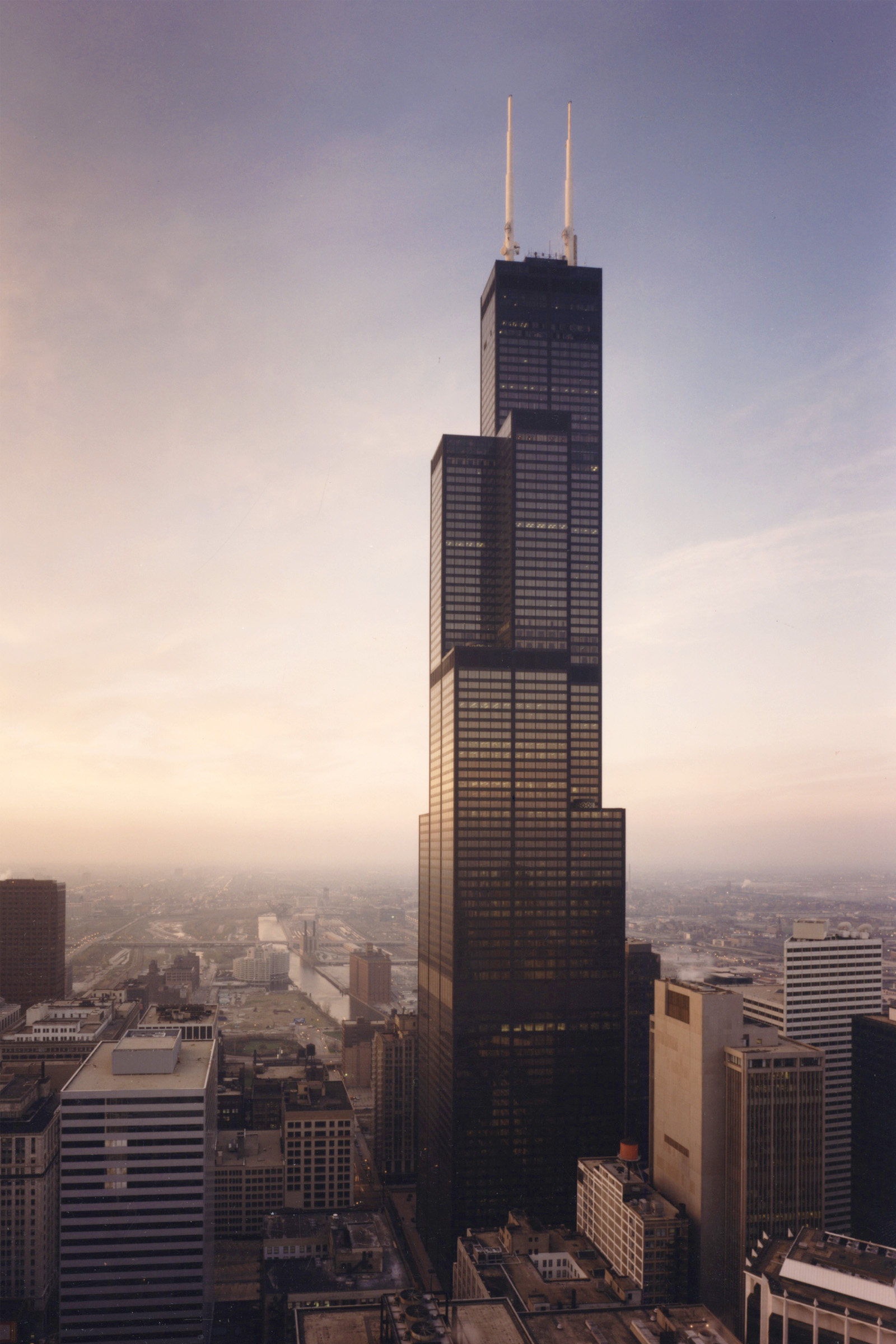
At its core, the architectural height of Willis Tower to the top of its roof is 1,450 feet (442 meters). However, this figure doesn’t tell the full story. Two distinctive broadcast antennas extend skyward from its summit, dramatically increasing its total perceived and functional height. When measured to the tip of its taller antenna, Willis Tower reaches a staggering 1,729 feet (527 meters). This makes it a truly formidable presence, not just in Chicago and the United States, but on the global stage of skyscrapers. To put this into perspective for travelers, imagine climbing over 100 stories – that’s the equivalent of ascending to the Skydeck on the 103rd floor, which offers unparalleled panoramic views of the city stretching across four states on a clear day.
A Legacy of Grandeur: From Sears Tower to Willis Tower
Before it became known as Willis Tower, this iconic structure bore a different, equally famous name: the Sears Tower. Completed in 1973, it was commissioned by Sears, Roebuck and Company, then the world’s largest retailer, to serve as its corporate headquarters. For 25 years, from its completion until 1998, the Sears Tower proudly held the title of the tallest building in the world, a remarkable feat that cemented its place in architectural history and global tourism.
The name change occurred in 2009 when the Willis Group Holdings, a global insurance broker, secured naming rights for a significant portion of the building. While the transition sparked considerable debate among locals and architecture enthusiasts, the building’s monumental status and structural identity remain unchanged. For many long-term residents and frequent visitors, the nostalgia of the Sears Tower endures, even as new generations become familiar with its current designation. This historical context is vital for understanding the building’s deep roots in Chicago’s cultural and economic fabric, making it a compelling landmark for any history-focused travel itinerary.
Architectural Marvels and Engineering Feats
The structural design of Willis Tower is as fascinating as its history. Conceived by architect Bruce Graham and structural engineer Fazlur Rahman Khan of Skidmore, Owings & Merrill (SOM), the tower utilizes a groundbreaking “bundled tube” design. This innovative approach involves nine square tubes arranged in a 3×3 matrix. The building then rises as a cluster of these tubes, with several dropping off at various heights as the tower ascends. This creates the distinctive stepped-back appearance that is instantly recognizable and visually captivating.
This design was not merely aesthetic; it was a revolutionary engineering solution that provided exceptional structural integrity against Chicago’s notorious winds while optimizing floor space. The “bundled tube” concept allowed for extraordinary heights without compromising stability, setting a precedent for future supertall skyscraper construction worldwide. For travelers interested in architecture and engineering, a visit to Willis Tower offers a unique opportunity to witness one of the pinnacles of 20th-century structural design, a true masterpiece that continues to inspire. Exploring the interior and experiencing the sheer scale firsthand provides a tangible connection to the ingenuity behind its creation.
Beyond the Numbers: The Willis Tower as a Premier Chicago Attraction
Knowing the height of Willis Tower is just the beginning. The real experience lies in interacting with this vertical city-within-a-city, particularly its world-renowned Skydeck and The Ledge. For tourists, it’s not just a building; it’s a destination offering unparalleled views and unforgettable thrills, seamlessly blending into Chicago’s vibrant tourism landscape.
The Skydeck Experience: Views That Pierce the Clouds
Located on the 103rd floor, the Skydeck offers visitors an astonishing perspective of Chicago and its surroundings. From this lofty vantage point at 1,353 feet (412 meters), the city unfolds beneath you like an intricate map. On a clear day, the panoramic views stretch across four states—Illinois, Indiana, Michigan, and Wisconsin—offering a truly expansive vista. This observation deck is a must-do for anyone seeking to grasp the sheer scale of Chicago’s urban sprawl, its magnificent lakefront, and the impressive grid of its downtown streets.
The Skydeck experience is enhanced by interactive exhibits that tell the story of the tower’s history, its architecture, and the city itself. These engaging displays provide context and enrich the visit, allowing travelers to deepen their understanding of this iconic landmark. Whether you’re a solo adventurer, a couple on a romantic getaway, or a family exploring the city, the Skydeck offers a unique blend of education and awe-inspiring beauty, making it a cornerstone of any Chicago travel guide.
Stepping Out onto The Ledge: An Adrenaline Rush
Perhaps the most exhilarating feature of the Skydeck is The Ledge. These are four glass-enclosed boxes that extend 4.3 feet (1.3 meters) out from the building’s side, providing an unobstructed view of the street 1,353 feet below. Standing on The Ledge is an experience unlike any other, offering a thrilling sensation of floating above the city. The transparent floor and walls provide a heart-pounding, 360-degree view straight down, making it a popular spot for photos and an unforgettable memory for visitors.
The Ledge appeals to thrill-seekers and those looking for a unique photo opportunity. It challenges perceptions of height and space, offering a truly immersive experience of the tower’s immense scale. Despite the initial trepidation, the feeling of triumph and wonder as you step onto the glass is incredibly rewarding. This unique attraction positions Willis Tower not just as an architectural marvel but as an adventure destination, fitting perfectly within a luxury travel or experiential tourism itinerary.
Planning Your Visit: Tips for a Seamless Experience
To make the most of your Willis Tower visit, strategic planning is key. The Skydeck is one of Chicago’s most popular attractions, so expect crowds, especially during peak tourist seasons and holidays.
- Best Times to Visit: Early mornings (opening time) or late evenings (an hour or two before closing) generally offer shorter wait times. Visiting around sunset is highly recommended for breathtaking views of the city transitioning from day to night, although these times are often the busiest.
- Tickets: Purchase your tickets online in advance through the official Willis Tower Skydeck website. This often allows you to bypass ticket lines and may even offer timed entry, significantly reducing overall waiting.
- Accessibility: Willis Tower is fully accessible, making it an inclusive experience for all travelers.
- Photography: Don’t forget your camera! The views are spectacular, and The Ledge provides unique photo opportunities. For professional photographers, a tripod might be useful for evening shots, though check any specific restrictions.
- Duration: Allocate at least 1.5 to 2 hours for your visit, especially if you plan to fully engage with the exhibits and brave The Ledge.
By following these tips, you can ensure a smooth and enjoyable experience, making your visit to Willis Tower a highlight of your Chicago adventure.
Chicago’s Vertical Icon: Integrating into the Cityscape
Willis Tower isn’t just an isolated attraction; it’s a central figure in Chicago’s rich tapestry of urban life, deeply connected to its surrounding neighborhoods, other famous landmarks, and the city’s robust accommodation options. Its location in the bustling West Loop means it’s perfectly positioned for travelers seeking to immerse themselves in authentic Chicago experiences.
Exploring the West Loop: Dining, Culture, and Urban Vibrancy
Located at 233 South Wacker Drive, Willis Tower anchors the thriving West Loop neighborhood. Once an industrial hub, the West Loop has transformed into one of Chicago’s most fashionable and dynamic districts, renowned for its incredible culinary scene, trendy boutiques, and vibrant nightlife. After descending from the heights of Willis Tower, visitors can easily transition into an exploration of this neighborhood.
The West Loop is home to Restaurant Row along Randolph Street, featuring an impressive array of acclaimed eateries, from Michelin-starred fine dining establishments to casual, innovative gastropubs. Foodies can embark on a gastronomic journey, sampling diverse cuisines that reflect Chicago’s reputation as a world-class food city. Beyond dining, the neighborhood offers art galleries, boutique hotels, and easy access to public transportation, making it an ideal base for exploring the wider city. This blend of historic architecture and modern urban energy makes the area surrounding Willis Tower a prime example of Chicago’s evolving lifestyle and tourism appeal.
Connecting with Other Chicago Landmarks
From the top of Willis Tower, you can spot many of Chicago’s other iconic landmarks, and its central location makes it easy to visit them afterwards. A short walk or a quick ride on the ‘L’ train can take you to:
- Millennium Park: Home to the famous Cloud Gate sculpture (affectionately known as “The Bean”), Pritzker Pavilion, and the Crown Fountain.
- Art Institute of Chicago: One of the oldest and largest art museums in the United States, boasting an extraordinary collection.
- Magnificent Mile: Chicago’s premier shopping district, featuring luxury brands, department stores, and renowned architecture.
- Riverwalk: A picturesque path along the Chicago River, perfect for strolling, dining, and enjoying architectural boat tours.
These attractions, easily accessible from Willis Tower, form the core of many Chicago travel guides, allowing visitors to craft a comprehensive itinerary that balances architectural wonder with cultural immersion and leisure.
Accommodation Choices Near Willis Tower
Given its prime location, there’s a wealth of accommodation options for every type of traveler near Willis Tower. From luxurious five-star resorts to budget-friendly hotels and boutique apartments, Chicago offers diverse choices to suit any preference or travel style.
- Luxury Stays: For those seeking unparalleled comfort and amenities, hotels like The Langham Chicago or the JW Marriott Chicago offer opulent suites, exceptional service, and often stunning city views. These properties are ideal for business stays or a luxurious family trip.
- Mid-Range Options: Brands such as Hyatt Centric The Loop Chicago or W Chicago City Center provide stylish rooms, modern facilities, and convenient access to attractions at a more accessible price point. They often cater to both leisure and business travelers.
- Budget-Friendly Hotels & Apartments: Options like Club Quarters Hotel Wacker at Michigan or various serviced apartments available through booking platforms offer a comfortable stay without breaking the bank, perfect for budget travel or longer stays where self-catering is desired.
When booking accommodation, consider proximity to public transport hubs if you plan extensive city exploration, as well as amenities like fitness centers, dining options, and concierge services. Reviews and comparison tools on travel websites can help you find the perfect hotel or apartment that complements your Willis Tower experience and overall Chicago adventure.
The Enduring Allure of Supertalls: Willis Tower’s Place in History
The story of Willis Tower is not just about its impressive height or its historical ownership; it’s about its profound impact on urban development, engineering, and the enduring human fascination with reaching for the sky. As a landmark, it transcends mere utility to become a symbol of ambition and progress.
A Symbol of American Ingenuity
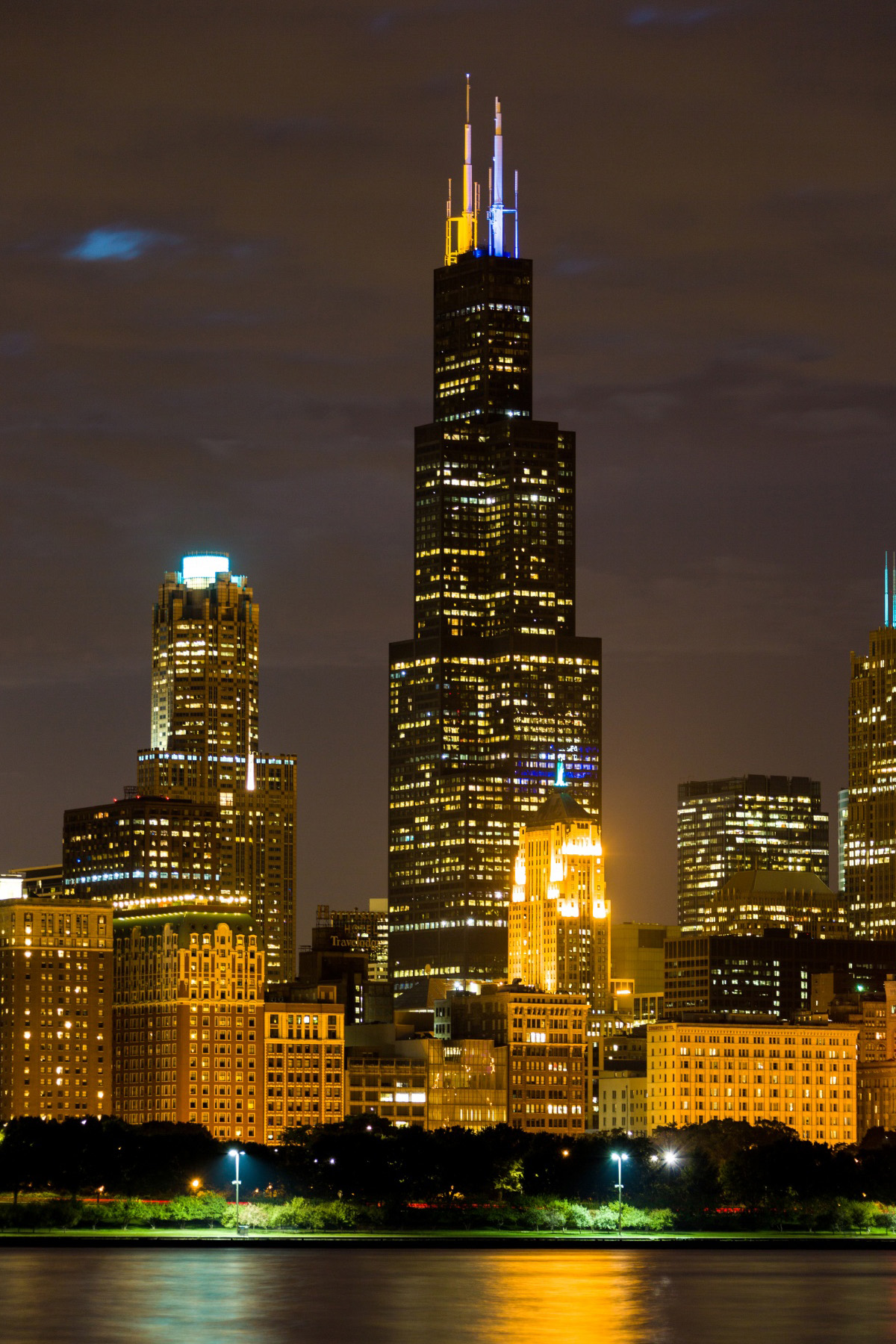
In its heyday, Willis Tower (as Sears Tower) stood as a monumental testament to American post-war economic boom and technological prowess. Its construction pushed the boundaries of what was thought possible in skyscraper design and construction, establishing new benchmarks for height, structural efficiency, and material science. It represented a bold vision and the capacity for innovation that defined an era. Even today, decades after its completion, the tower remains a powerful symbol of Chicago’s architectural leadership and the nation’s ability to conceive and execute projects of immense scale and complexity. For international travelers, visiting Willis Tower is not just seeing a building; it’s experiencing a piece of American ingenuity solidified in steel and glass, offering a glimpse into a pivotal period of architectural and industrial history.
The Global Race for the Skies
While Willis Tower no longer holds the title of the world’s tallest building—a distinction now held by structures like the Burj Khalifa in Dubai and One World Trade Center in New York City—its legacy remains undiminished. It played a crucial role in igniting a global competition to build ever-taller structures, influencing architectural trends and engineering advancements across continents. The tower’s pioneering bundled tube design, for instance, has been adapted and refined in numerous subsequent supertall projects around the globe.
Its presence in the pantheon of supertalls reminds us that while records may be broken, true innovation and iconic design leave an indelible mark. For enthusiasts of urban development and architecture, Willis Tower offers a vital historical anchor point in understanding the evolution of the global cityscape. It underscores Chicago’s role not just as a destination for tourism and lifestyle, but as a living laboratory for architectural excellence, making it a compelling study for anyone interested in landmarks and their enduring impact.
In conclusion, the question “How tall is Willis Tower?” leads to an appreciation of its remarkable height of 1,729 feet (527 meters) to its antenna tip, but also to a deeper exploration of its history, architectural brilliance, and the unparalleled visitor experiences it offers. From the thrilling heights of The Ledge to its strategic position amidst Chicago’s vibrant urban landscape, Willis Tower remains a towering testament to human ambition and an essential highlight for any traveler’s journey to the unforgettable city of Chicago.
LifeOutOfTheBox is a participant in the Amazon Services LLC Associates Program, an affiliate advertising program designed to provide a means for sites to earn advertising fees by advertising and linking to Amazon.com. Amazon, the Amazon logo, AmazonSupply, and the AmazonSupply logo are trademarks of Amazon.com, Inc. or its affiliates. As an Amazon Associate we earn affiliate commissions from qualifying purchases.