
In the vast landscape of travel and exploration, where every journey unveils a new story, a hidden history, or a profound cultural insight, the act of documenting our experiences becomes paramount. Whether you’re crafting a vivid travel memoir, curating an in-depth blog about ancient ruins, or conducting scholarly research from the comfort of a luxury suite overlooking the Mediterranean Sea, the credibility and authenticity of your work often hinge on one crucial element: proper citation. For those venturing into detailed narratives, historical accounts, or any work requiring meticulous referencing, the Chicago Manual of Style—commonly known as Chicago Style—stands as a beacon of academic rigor.

Far from being a dry, academic exercise confined to university libraries, mastering Chicago Style can empower the modern traveler and lifestyle enthusiast. Imagine researching the architectural marvels of Rome from a quaint café in Trastevere, delving into the culinary history of France for a gastronomic guide, or documenting the local traditions encountered during a stay at a boutique hotel in Kyoto. In each scenario, referring to books, historical documents, or expert analyses adds depth, authority, and trustworthiness to your personal insights and published works. This comprehensive guide will demystify Chicago Style for books, making it an accessible tool for every discerning traveler, blogger, and researcher committed to enriching their narrative with accurate scholarship.
Navigating the Notes-Bibliography System: Your Guide to Documenting Travel Narratives
The Notes-Bibliography system is the cornerstone of Chicago Style, particularly favored in the humanities—history, literature, and the arts—fields often intertwined with travel, culture, and lifestyle narratives. This system employs footnotes or endnotes for citations in the text, accompanied by a comprehensive bibliography at the end of the work. It’s ideal for travel memoirs, historical analyses of destinations, or detailed cultural explorations where lengthy explanations and multiple sources enhance the narrative flow.
Footnotes and Endnotes: Short Citations for Seamless Storytelling
Footnotes (appearing at the bottom of the page) and endnotes (compiled at the end of a chapter or the entire work) provide concise citations for direct quotes, paraphrased ideas, or specific facts drawn from your sources. When exploring the history of Paris or detailing an immersive experience at a local festival in Spain, these notes allow you to credit sources without interrupting the reader’s journey through your narrative.
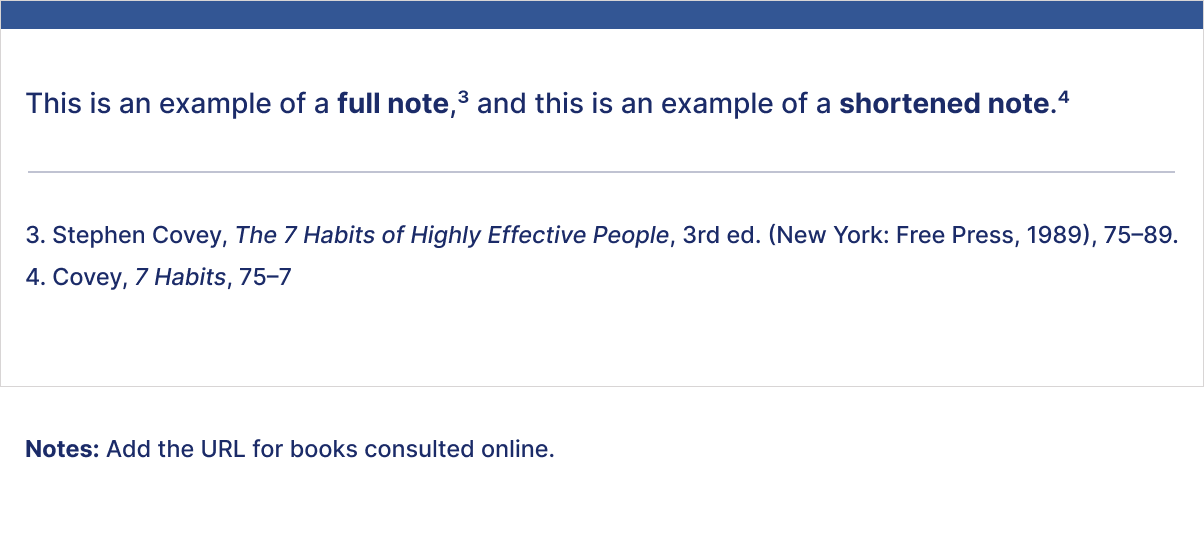
First Reference Note (Full Citation):
The first time you cite a book, the note includes all relevant publication details.
- Format: Author’s First Name Last Name, Book Title: Subtitle (City of Publication: Publisher, Year), Page Number(s).
- Example: 1. Eleanor Vance, Walking the Ancient Paths of Rome: A Guide to Its Hidden Histories (London: Thames & Hudson, 2022), 45-47.
Imagine you’re writing about the Colosseum and you cite a specific historical detail from Vance’s book. This detailed note gives your reader the exact source.
Subsequent Reference Notes (Shortened Citation):
For every citation of the same book thereafter, a shorter format is used, making your notes concise.
- Format: Author’s Last Name, Shortened Book Title, Page Number(s).
- Example: 2. Vance, Ancient Paths, 112.
This streamlined approach ensures your travel narrative remains engaging while maintaining scholarly integrity. Whether you’re discussing the best accommodations near the Louvre Museum and refer to a travel guide, or exploring the intricacies of Japanese tea ceremonies and citing an anthropological study, footnotes provide the necessary attribution.
The Bibliography: A Comprehensive Record of Your Research Journey
Beyond the individual notes, the Notes-Bibliography system requires a comprehensive bibliography at the end of your work. This alphabetically ordered list provides full publication details for every source you cited, plus any other relevant background materials consulted. It serves as a valuable resource for readers interested in further exploration or verifying your sources, much like a curated reading list for an armchair traveler dreaming of their next destination.
- Format: Last Name, First Name. Book Title: Subtitle. City of Publication: Publisher, Year.
- Example: Vance, Eleanor. Walking the Ancient Paths of Rome: A Guide to Its Hidden Histories. London: Thames & Hudson, 2022.
Key Differences Between Notes and Bibliography Entries:
- Author Name: Notes use First Name Last Name; bibliography reverses it (Last Name, First Name) for alphabetical sorting.
- Punctuation: Notes use commas to separate elements; bibliography uses periods.
- Parentheses: Publication details in notes are enclosed in parentheses; in the bibliography, they are not.
- Page Numbers: Specific page numbers are included in notes for pinpointing information; the bibliography lists the entire work without page numbers (unless it’s a chapter in an edited book).
A well-constructed bibliography is like a traveler’s detailed itinerary, mapping out all the intellectual journeys that informed your own. If you’re writing about sustainable tourism in Costa Rica, for instance, your bibliography might include academic texts, governmental reports, and travel guides, all presented in Chicago Style to give your work gravitas.
The Author-Date System: A Practical Approach for Quick Reference
While the Notes-Bibliography system is prevalent in humanities, the Author-Date system is commonly used in the social sciences. It’s characterized by brief parenthetical citations within the text, pointing to a more extensive reference list at the end. For travel bloggers focusing on data-driven insights—such as the economic impact of tourism in Thailand or comparative analyses of accommodation bookings—this system offers a more concise approach.
In-Text Citations: A Nod to Your Influences on the Go
In the Author-Date system, in-text citations are brief, typically including the author’s last name, the year of publication, and sometimes page numbers, enclosed in parentheses. These citations immediately direct the reader to the full source in your reference list without the need for footnotes.
- Basic Format: (Author Last Name Year, Page Number)
- Example: (Henderson 2019, 78)
If you’re writing a piece on the evolving landscape of luxury travel and refer to a study, you might write: “The shift towards experiential travel has redefined consumer expectations (Henderson 2019, 78).” This concise approach is particularly useful for articles or blog posts that require quick referencing.
Specific Scenarios for In-Text Citations:
- Author mentioned in text: If the author’s name is already part of your sentence, only the year and page number are needed in parentheses.
- Example: Henderson (2019, 78) argues that experiential travel is reshaping the industry.
- Block quotations: For longer quotes (usually five or more lines), indent the quote and place the parenthetical citation at the end, outside the final punctuation.
- Multiple authors: For two or three authors, list all names. For four or more, use the first author’s last name followed by “et al.”
- Example: (Smith and Jones 2020, 15) or (Brown et al. 2021, 30).
This system prioritizes directness, which can be advantageous when you’re quickly compiling research for a guide on sustainable travel practices in New Zealand or analyzing visitor trends for landmarks like the Eiffel Tower.
The Reference List: The Full Picture of Your Sources
Similar to a bibliography, the Author-Date system requires a “Reference List” at the end of the work. This list contains full bibliographic details for all sources cited in your text. It is also arranged alphabetically by author’s last name.
- Format: Last Name, First Name. Year. Book Title: Subtitle. City of Publication: Publisher.
- Example: Henderson, Liam. 2019. The Evolution of Global Travel: From Mass Tourism to Niche Experiences. New York: University Press.
Notice the primary difference from the bibliography in the Notes-Bibliography system: the year of publication immediately follows the author’s name. This emphasizes the publication date, which is often crucial in social science research. Whether you’re researching the best resorts in the Maldives or the cultural impact of international tourism in Vietnam, the Author-Date system offers a structured, concise way to credit your sources.
Beyond Books: Applying Chicago Style to Diverse Travel Resources
While “how to cite a book” is the core, the principles of Chicago Style extend far beyond print volumes. In today’s digital age, travelers and researchers often draw information from a myriad of sources—online articles, blogs, maps, interviews, and even social media. Mastering the adaptable nature of Chicago Style ensures all your varied resources, from a Lonely Planet guide to a niche historical archive, are accurately attributed.
Citing Online Travel Guides, Blogs, and Digital Content
The internet is a treasure trove of travel information, from official tourism board websites to independent travel blogs. Citing these sources follows similar logic to books, with adjustments for the medium. The key is to provide enough information for your reader to locate the original source.
Basic Format for Online Articles/Blog Posts (Notes-Bibliography):
- Note: Author’s First Name Last Name, “Article Title,” Website Name or Blog Title, Date Published (if available), URL.
- Example: 3. Maria Rodriguez, “Exploring the Bustling Markets of Hanoi,” Wanderlust Explorer Blog, March 15, 2023, https://lifeoutofthebox.com/exploring-the-bustling-markets-of-hanoi.
- Bibliography: Last Name, First Name. “Article Title.” Website Name or Blog Title. Last Modified Month Day, Year (if applicable). URL.
- Example: Rodriguez, Maria. “Exploring the Bustling Markets of Hanoi.” Wanderlust Explorer Blog. March 15, 2023. https://lifeoutofthebox.com/exploring-the-bustling-markets-of-hanoi.
For sources without a clear author or publication date, prioritize the website or organization name. When citing official destination guides, like those from Visit Dubai or the Sydney Opera House website, treat the organization as the author.
Referencing Maps, Archival Materials, and Field Notes
Traveling often involves engaging with unique resources—historical maps found in local archives, specialized data from government reports, or personal interviews with locals. Chicago Style provides guidelines for these as well, ensuring your documentation is thorough.
Maps (Notes-Bibliography):
- Note: 4. Mapmaker’s Name, Title of Map (City: Publisher, Year), Scale.
- Example: 4. National Geographic Maps, Explore Amazon Rainforest (Washington, D.C.: National Geographic Society, 2021), 1:5,000,000.
- Bibliography: Mapmaker’s Name. Title of Map. City: Publisher, Year. Scale.
- Example: National Geographic Maps. Explore Amazon Rainforest. Washington, D.C.: National Geographic Society, 2021. 1:5,000,000.
Archival Materials:
Citing unique archival documents, such as letters, manuscripts, or photographs found in institutions like the British Library or a regional historical society in Prague, requires detailed information to help others locate the exact item. Include the item’s title or description, date, collection name, box/folder number, institution name, and city.
- Note: 5. Letter from Marco Polo to Unknown Recipient, October 12, 1298, Venice State Archives, Box 3, Folder 2, Venice, Italy.
Interviews and Personal Communications:
For insights gained from interviews with local artisans in Mexico City, chefs in Barcelona, or a historian met at a museum in Amsterdam, a note is usually sufficient, as these are not typically retrievable by others.
- Note: 6. John Smith, interview by author, March 1, 2023, Tokyo.
By extending Chicago Style principles to these diverse resources, you elevate your travel writing from mere anecdotal recounting to thoroughly researched, credible narratives. This adherence to detailed referencing ensures that whether you’re discussing the best accommodations for a family trip or dissecting the intricate history of a landmark, your work reflects a commitment to accuracy and respect for intellectual sources.
Enhancing Your Travel Writing with Proper Citation
Embracing Chicago Style citation, even in the seemingly less formal world of travel and lifestyle content, offers profound benefits. It transforms your writing from personal musings into authoritative guides, insightful analyses, and trustworthy recommendations. It’s about building a legacy of well-researched, credible content that enriches your audience’s understanding of the world.
The Value of Accuracy in Documenting Experiences
For the modern traveler, authenticity is key. Whether you’re detailing a thrilling adventure in the Amazon or reviewing a newly opened resort in Dubai, your readers rely on you for accurate information. When you quote historical figures, reference cultural studies, or cite statistics about sustainable tourism, backing these claims with Chicago Style citations reinforces your credibility. It tells your audience that you’ve done your homework, that your insights are grounded in facts and expert opinion, not just personal bias. This level of diligence fosters trust, which is invaluable for any content creator in the travel and lifestyle niche.
Consider writing a guide on finding hidden gems in London. Citing a local historian’s book on forgotten alleys or an architectural digest about lesser-known buildings adds weight to your discoveries. When discussing the ecological impact of a new development, citing an environmental report enhances the persuasive power of your argument. Proper citation is not just about avoiding plagiarism; it’s about participating in a larger conversation, acknowledging the shoulders of giants upon which your own insights stand, and ensuring your readers can verify and delve deeper into the topics you explore.

Resources and Tools for the Traveling Scholar
While the rules might seem intricate at first, numerous resources can simplify the process of citing in Chicago Style, even for the most adventurous digital nomad.
- The Chicago Manual of Style Online: The authoritative source for all things Chicago Style. While a subscription is often required, it’s the most comprehensive guide.
- Purdue OWL (Online Writing Lab): A free and incredibly helpful resource offering detailed guides and examples for Chicago Style, along with other major citation styles.
- Citation Management Tools: Software like Zotero, Mendeley, or EndNote can manage your sources, generate citations, and compile bibliographies automatically. These tools are invaluable for researchers, bloggers, and content creators dealing with a high volume of information, allowing you to focus on your narrative and travel experiences rather than formatting minutiae. Imagine capturing a source during a research trip in Lisbon and having it instantly integrated into your citation manager.
- University Libraries Online: Many university libraries provide open-access guides and tutorials for Chicago Style.
By leveraging these tools, you can seamlessly integrate proper citation into your workflow, whether you’re documenting the vibrant street art of Berlin, the culinary delights of Bangkok, or the majestic Grand Canyon.
In essence, mastering “How To Cite A Book Chicago Style” is more than an academic requirement; it’s a commitment to excellence in storytelling and documentation. For the discerning traveler and lifestyle enthusiast, it’s about adding layers of authenticity, depth, and scholarly rigor to your explorations, ensuring that your narratives resonate with accuracy and inspire trust in your audience. So, as you embark on your next adventure, remember the power of a well-placed citation – it can transform your personal journey into a credible, engaging, and enduring piece of scholarship for the world to explore.
LifeOutOfTheBox is a participant in the Amazon Services LLC Associates Program, an affiliate advertising program designed to provide a means for sites to earn advertising fees by advertising and linking to Amazon.com. Amazon, the Amazon logo, AmazonSupply, and the AmazonSupply logo are trademarks of Amazon.com, Inc. or its affiliates. As an Amazon Associate we earn affiliate commissions from qualifying purchases.