
In the dynamic world of travel, where every journey tells a story and every destination holds a history, the quest for authenticity and credible information is paramount. Whether you’re a seasoned travel writer crafting a captivating narrative, a meticulous blogger documenting your global adventures, or simply an avid explorer keen to understand the deeper context of the places you visit, the ability to present information accurately and attribute sources properly is invaluable. This is where the Chicago Manual of Style (CMOS), often associated with academic rigor and historical research, surprisingly finds a powerful ally in the realm of travel and lifestyle content. Far from being a dry, purely academic pursuit, mastering Chicago style footnotes can elevate your travel narratives, solidify your research, and build an unparalleled level of trust with your audience.
Imagine recounting the architectural marvels of the Eiffel Tower, delving into the ancient history of the Colosseum, or detailing the vibrant culinary traditions of Kyoto. For such rich topics, simply stating facts might not be enough. Providing proper citations, even in a travel blog or guide, lends an air of authority and allows curious readers to explore your sources further, transforming your content from mere description into a well-researched, immersive experience. The University of Chicago Press, through its comprehensive manual, offers a robust framework for doing just that, ensuring clarity, consistency, and academic integrity. Let’s embark on a journey to understand how this versatile citation style can become a powerful tool in your travel documentation toolkit.
Navigating the World of Travel Documentation with Chicago Style
The beauty of travel lies in discovery—uncovering hidden gems, understanding diverse cultures, and witnessing breathtaking landmarks. For those who share these discoveries, whether through published articles, personal blogs, or detailed travel guides, the responsibility of accurate representation is key. Chicago style offers a sophisticated method to meet this responsibility, ensuring that your insights are not only engaging but also firmly grounded in verifiable facts and respectful of original scholarship.
Why Academic Rigor Matters in Travel Writing and Research
In an age saturated with information, distinguishing reliable content from the unreliable has become crucial. For travel content, this means going beyond personal anecdotes to provide context, history, and cultural nuances that truly enrich the reader’s understanding. Academic rigor, facilitated by styles like Chicago, ensures that your claims about the historical significance of Sagrada Familia, the unique local culture in Seville, or the specific amenities of a luxury resort are backed by credible sources.
Think about the detailed guides you pour over before booking a trip or the historical articles that inspire your next adventure. These resources gain immense credibility when they cite their information, allowing you to trust the advice on local restaurants, the historical timeline of a landmark, or even the best time of year to visit a destination. Incorporating Chicago style, even in a simplified form, signals to your audience that you’ve done your homework. It helps you:
- Establish Authority: By referencing reputable guidebooks, historical texts, academic journals, or even official tourism websites, you position yourself as a knowledgeable and trustworthy source.
- Avoid Plagiarism: When you draw information from various sources—whether it’s a historical fact about Paris, a description of a hotel suite, or an expert’s opinion on sustainable tourism—proper citation gives credit where it’s due. This is not just an academic requirement; it’s an ethical imperative in any form of publishing.
- Enrich Reader Experience: For readers who want to dive deeper, footnotes and bibliographies act as a treasure map, guiding them to further reading. If you mention a fascinating historical anecdote about the Art Institute of Chicago, a footnote can lead them to the book or article where they can learn more, enhancing their overall learning journey.
The Two Faces of Chicago: Notes-Bibliography vs. Author-Date
The Chicago Manual of Style is unique in offering two primary documentation systems: the Notes-Bibliography (NB) system and the Author-Date system. While both aim for clarity and consistency, their applications often differ, and understanding these differences can help you choose the best approach for your specific travel content.
-
Notes-Bibliography (NB) System:
- This is the more traditional and widely recognized Chicago style, particularly in the humanities, history, and the arts—fields that often intertwine with travel narratives.
- It uses footnotes (or endnotes) within the text to cite sources, providing detailed information at the bottom of the page or at the end of the chapter/article.
- A comprehensive bibliography is included at the end of the work, listing all cited sources in alphabetical order.
- Ideal for travel writing that:
- Focuses on historical context, cultural analyses, or detailed descriptions of places and experiences, like an in-depth exploration of the ancient ruins of Rome.
- Incorporates interviews with locals, personal observations, and complex anecdotal evidence that requires more detailed explanation than a simple in-text parenthetical citation.
- Appears in travel magazines, historical travel blogs, or guidebooks where rich, narrative-driven content is paramount.
-
Author-Date System:
- More commonly used in the social, physical, and natural sciences, this system relies on in-text parenthetical citations (e.g., (Smith 2023, 45)) that refer to a fuller entry in a reference list at the end of the work.
- The in-text citation typically includes the author’s last name, the year of publication, and a page number if applicable.
- Ideal for travel content that:
- Is data-driven, such as analyses of tourism trends, environmental impacts of travel, or statistical comparisons of accommodation prices.
- Focuses on research findings, such as studies on sustainable tourism practices or the economics of local markets.
- Might appear in academic travel journals, reports for tourism boards, or more analytical travel blogs.
For most travel writers and content creators focused on immersive storytelling and rich descriptions, the Notes-Bibliography system is often the more intuitive and suitable choice. It allows for detailed explanatory notes without interrupting the flow of the narrative, perfect for weaving historical facts about Millennium Park or cultural insights into a seamless reading experience.
Practical Application: Crafting Your Chicago Style Footnotes for Travel Narratives
Now that we understand the ‘why,’ let’s delve into the ‘how.’ Crafting footnotes and bibliographies in Chicago style isn’t as daunting as it might seem, especially when applied to the engaging world of travel. The key is consistency and understanding the core components of each type of source.
Footnotes (and Endnotes) for Detailed Information
Footnotes are the heart of the Notes-Bibliography system. They provide immediate access to source information without requiring the reader to flip to a separate references page until they want to delve deeper into the bibliography.
How to Create Them:
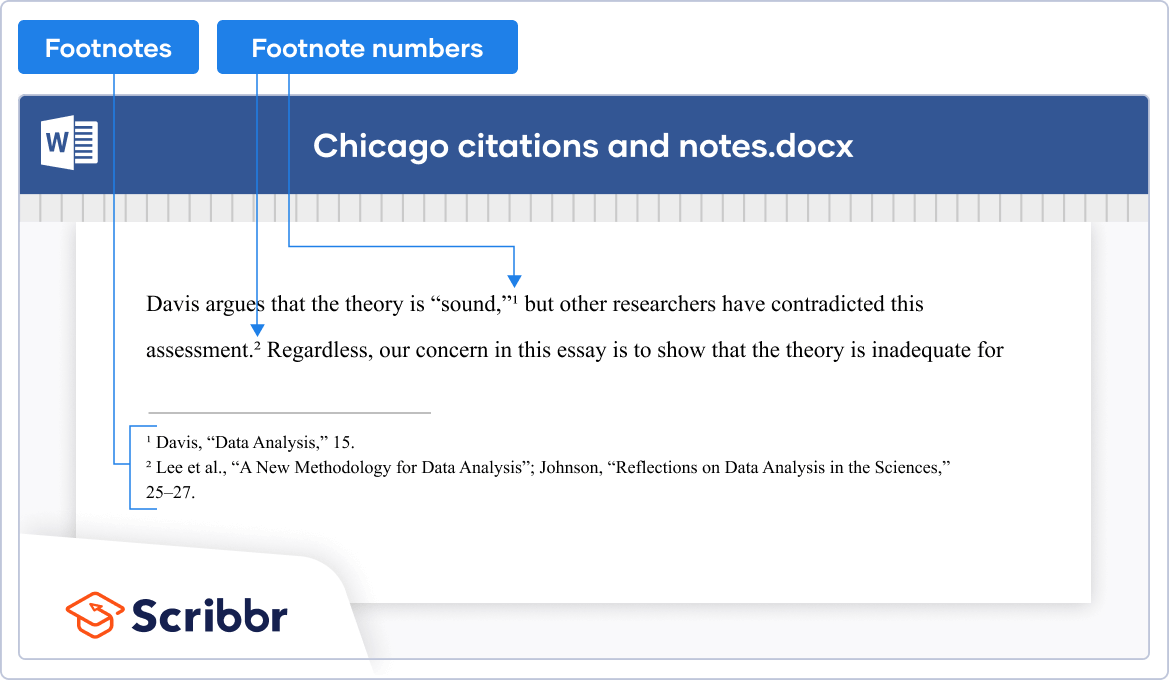
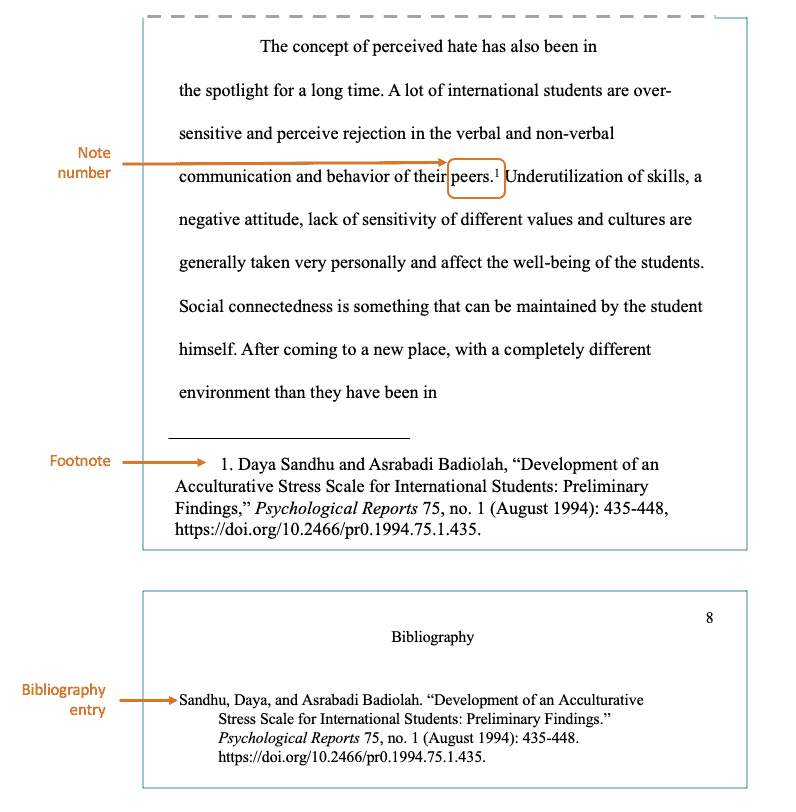
- In the Text: After the information you’ve cited, place a superscript number. This number should come after any punctuation (comma, period, etc.).
- Example: “The Grand Hyatt Hotel in Tokyo is renowned for its exceptional service and panoramic city views.¹”
- At the Bottom of the Page (Footnote) or End of Document (Endnote): The corresponding number appears, followed by the full citation.
Components of a Footnote (First Reference):

The first time you cite a source, the footnote contains complete publication details.
- Book: Author First Name Last Name, Title of Book (Place of Publication: Publisher, Year), Page Number.
- Example: ¹Sarah Miller, Exploring the Culinary Wonders of Paris (New York: Travel Press, 2022), 75.
- Journal Article: Author First Name Last Name, “Title of Article,” Title of Periodical Volume, no. Issue (Date): Page Number.
- Example: ²David Lee, “The Evolution of Sustainable Tourism in Southeast Asia,” Journal of Travel Studies 15, no. 2 (Spring 2023): 112.
- Website: Author First Name Last Name (if available), “Title of Web Page,” Name of Website, last modified Month Day, Year (if available), URL.
- Example: ³Jessica Chen, “Top 10 Hidden Beaches in the Maldives,” Life Out of the Box, accessed October 26, 2023, https://lifeoutofthebox.com/maldives-hidden-beaches.
- Interview (for travel content, this is often invaluable!): Interviewee First Name Last Name, type of interview (e.g., “interview by author,” “phone interview”), location (if applicable), Month Day, Year.
- Example: ⁴Maria Rodriguez, owner of Café del Sol, interview by author, Seville, Spain, October 15, 2023. (This allows you to cite local insights directly!)
- Guidebook: Title of Guidebook, edition (Place of Publication: Publisher, Year), Page Number. (Often, guidebooks don’t have a single author easily identifiable).
- Example: ⁵Fodor’s Rome Guide, 2023 (New York: Fodor’s Travel, 2023), 42.
Subsequent References (Shortened Notes):
After the first full citation, subsequent notes for the same source are shortened.
- Book: Author Last Name, Shortened Title, Page Number.
- Example: ⁶Miller, Culinary Wonders, 80.
- Journal Article: Lee, “Sustainable Tourism,” 115.
- Website: Chen, “Hidden Beaches.”
- Ibid.: If a source is cited consecutively (immediately following a previous note), you can use “Ibid.” (meaning “in the same place”), followed by a new page number if different.
- Example: ⁷Ibid., 45. (Refers to Fodor’s Rome Guide, page 45).
Building Your Bibliography: A Resource for Fellow Explorers
The bibliography, appearing at the end of your article or book, is a comprehensive, alphabetized list of all sources cited in your work. It serves as a valuable resource for readers who wish to conduct their own research or verify your information. Unlike footnotes, bibliography entries are typically not indented on the first line and subsequent lines are indented (hanging indent).
Components of a Bibliography Entry:
- Book: Last Name, First Name. Title of Book. Place of Publication: Publisher, Year.
- Example: Miller, Sarah. Exploring the Culinary Wonders of Paris. New York: Travel Press, 2022.
- Journal Article: Last Name, First Name. “Title of Article.” Title of Periodical Volume, no. Issue (Date): Page Range.
- Example: Lee, David. “The Evolution of Sustainable Tourism in Southeast Asia.” Journal of Travel Studies 15, no. 2 (Spring 2023): 110-125.
- Website: Last Name, First Name (if available). “Title of Web Page.” Name of Website. Last modified Month Day, Year (if available). URL.
- Example: Chen, Jessica. “Top 10 Hidden Beaches in the Maldives.” Life Out of the Box. Accessed October 26, 2023. https://lifeoutofthebox.com/maldives-hidden-beaches.
- Interview (usually included if it’s a significant source): Last Name, First Name. Interview by author. Location, Date.
- Example: Rodriguez, Maria. Interview by author. Seville, Spain, October 15, 2023.
- Guidebook: Title of Guidebook, edition. Place of Publication: Publisher, Year.
- Example: Fodor’s Rome Guide, 2023. New York: Fodor’s Travel, 2023.
By diligently applying these formats, you transform your travel writings into authoritative resources, where every fact about a landmark, every cultural insight, and every hotel review is backed by a verifiable source.
Beyond Citations: The Spirit of Chicago and Ethical Travel Content
While the technical rules of Chicago style footnotes might seem pedantic at first glance, their underlying principles resonate deeply with the core values of authentic and responsible travel: curiosity, respect for history, and the pursuit of knowledge. The style’s name itself, rooted in a city known for its robust intellectual tradition, provides an interesting connection to the broader philosophy of credible content creation.
The Chicago Connection: A Legacy of Scholarship and Exploration
The city of Chicago, home to the influential University of Chicago, has long been a beacon of academic excellence and intellectual inquiry. It’s a place where rigorous debate and meticulous research are highly valued, and this spirit is encapsulated in the very style guide that bears its name. Just as explorers venture into unknown territories, scholars delve into uncharted intellectual landscapes, both driven by a desire to understand and document the world around them.
When we talk about Chicago style, we are invoking a legacy of scholarship that values precision, clarity, and thoroughness. This isn’t just about citing a book; it’s about acknowledging the intellectual journey that brought that information to light. For travel content, this translates into a deeper appreciation for the destinations we explore. When you write about the historical significance of Navy Pier or the architectural innovations that define the Chicago skyline, employing a style like CMOS ensures that you are treating the subject matter with the respect it deserves, reflecting the city’s own commitment to intellectual integrity.
Fostering Authenticity and Trust in Your Travel Narratives
In an era where travel content is abundant, authenticity and trust are the currencies that truly matter. Readers are constantly seeking reliable information to plan their trips, make informed decisions about accommodation, and enrich their understanding of the world. By embracing the principles behind Chicago style, even in a modified or simplified form for a broader audience, you are making a conscious choice to uphold these values.
- Build Trust: When readers see that you’ve gone the extra mile to research and cite your sources, they are more likely to trust your recommendations—be it a review of a boutique hotel or an itinerary for a multi-country tour. This trust fosters loyalty and positions you as a leading voice in the travel community.
- Establish Authority: Citing sources demonstrates your expertise and the breadth of your research. It shows that your insights aren’t merely opinions but are informed by factual knowledge and diverse perspectives. This authority is crucial for anyone aspiring to create impactful travel guides, destination reviews, or cultural explorations.
- Guide Further Exploration: Your footnotes and bibliography aren’t just for validation; they’re an invitation. They empower your readers to become co-explorers, providing them with the tools to delve deeper into topics that pique their interest, whether it’s the history of a specific landmark, the intricacies of a local cuisine, or the socio-economic impact of tourism in a region. This collaborative approach enhances the overall value of your content, fostering a community of informed and engaged travelers.
Ultimately, integrating Chicago style footnotes into your travel and lifestyle content is more than just following a set of rules; it’s about adopting a mindset. It’s about combining the thrill of exploration with the discipline of research, ensuring that your narratives are not only inspiring and engaging but also deeply credible and respectfully informed.
By doing so, you don’t just tell stories; you create authoritative resources that enrich the global conversation about travel, culture, and shared human experience. So, as you plan your next adventure or recount a past journey, consider how a touch of Chicago’s scholarly spirit can add profound depth and undeniable credibility to your tale. Your readers, and the places you write about, will undoubtedly thank you for it.
LifeOutOfTheBox is a participant in the Amazon Services LLC Associates Program, an affiliate advertising program designed to provide a means for sites to earn advertising fees by advertising and linking to Amazon.com. Amazon, the Amazon logo, AmazonSupply, and the AmazonSupply logo are trademarks of Amazon.com, Inc. or its affiliates. As an Amazon Associate we earn affiliate commissions from qualifying purchases.