
Yes, Chicago, Illinois, observes Central Standard Time (CST) for part of the year and Central Daylight Time (CDT) during the warmer months. For any traveler, whether planning a short getaway or an extended stay, understanding a destination’s time zone is crucial for a seamless and enjoyable experience. Chicago, a vibrant metropolis renowned for its stunning architecture, world-class museums, and dynamic culinary scene, operates within the rhythm of the central time zone, impacting everything from flight schedules to museum opening hours and even the best time to catch a sunset over Lake Michigan.
This guide will delve into the specifics of Chicago’s time zone, offering insights into how it affects travel planning, accommodation choices, and the myriad activities available in the Windy City. From adjusting to local time to scheduling your visits to iconic landmarks and fine dining reservations, grasping the nuances of CST and CDT will help you maximize your time and fully immerse yourself in all that Chicago has to offer. Whether you’re arriving for a business conference at McCormick Place or embarking on a leisurely family vacation to explore the Art Institute of Chicago, being time-zone savvy is your first step towards an unforgettable journey.
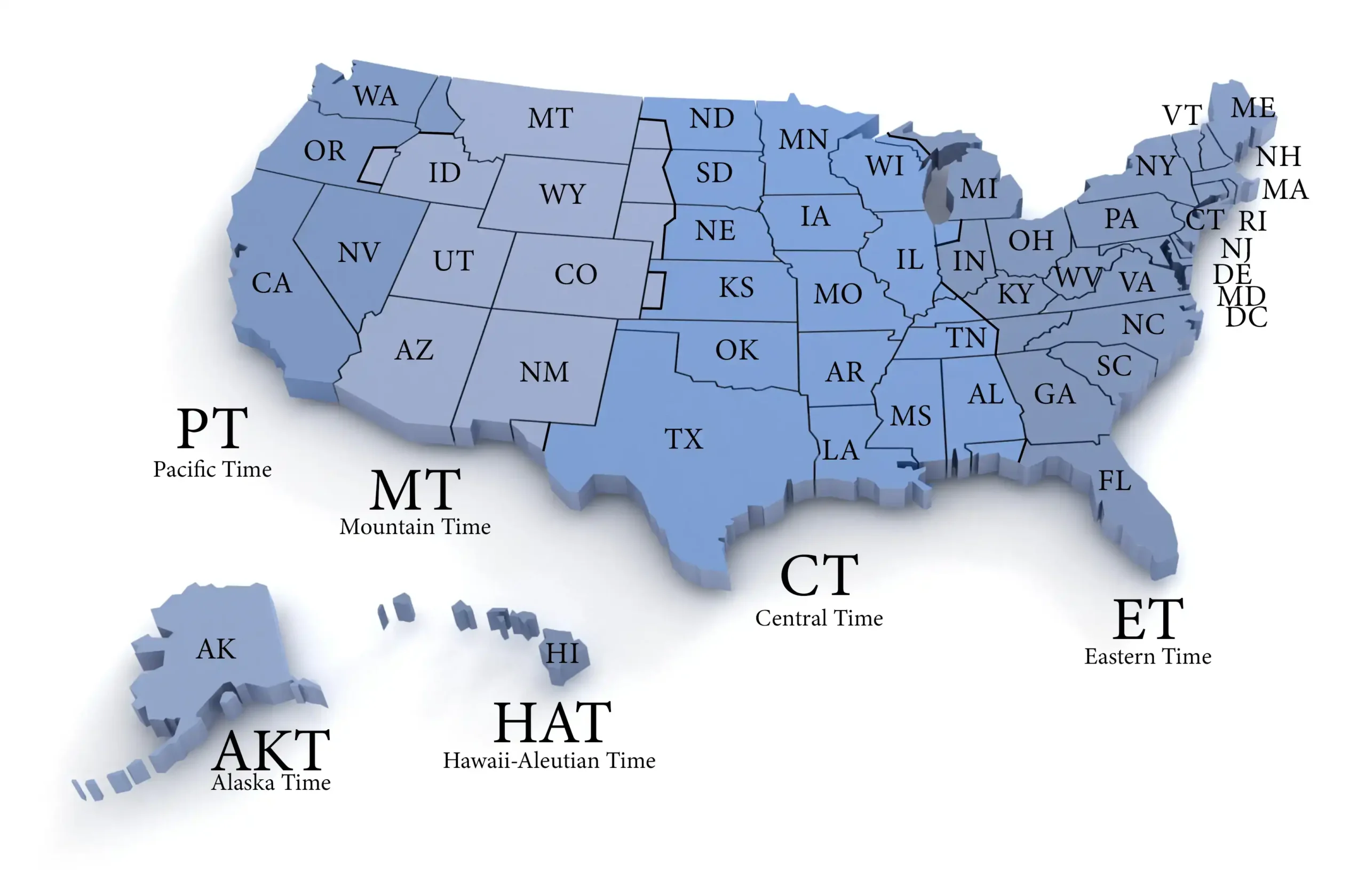
Understanding Time Zones for Your Chicago Trip
Navigating the complexities of time zones is an essential aspect of travel planning, especially when crossing multiple meridians. For visitors heading to Chicago, familiarity with Central Standard Time and its daylight saving counterpart, Central Daylight Time, is paramount. This understanding ensures smoother transitions, accurate scheduling, and a more enjoyable overall trip, preventing common travel pitfalls related to timing.
Central Standard Time (CST) and Central Daylight Time (CDT): A Quick Primer
Central Standard Time (CST) is observed during the fall and winter months. It is six hours behind Coordinated Universal Time (UTC-6). This means that when it is noon UTC, it is 6:00 AM in Chicago under CST. As spring approaches, Chicago — like much of the United States — transitions to Central Daylight Time (CDT). This shift typically occurs on the second Sunday in March when clocks “spring forward” one hour, moving to UTC-5. The city reverts to CST on the first Sunday in November when clocks “fall back” one hour.
This annual change is a critical detail for travelers. During CDT, Chicago benefits from longer daylight hours in the evenings, which can significantly influence sightseeing plans, outdoor activities, and dinner reservations. For instance, a sunset cruise on the Chicago River or Lake Michigan might depart later in the evening during summer than during winter, offering stunning views long after traditional business hours. Always double-check the current time observance when making travel arrangements, especially for flights, tours, and restaurant bookings.
Why Time Zones Matter for Travelers to Chicago
The impact of time zones extends beyond simply knowing what time it is. For travelers, it touches upon several practical aspects of their journey. First and foremost is the potential for jet lag. Visitors arriving from time zones significantly different from CST/CDT, particularly from the East Coast or West Coast of the United States or international destinations, may experience varying degrees of jet lag. Planning a relaxed first day can help acclimate to the local time, allowing you to enjoy Chicago’s attractions more fully.
Furthermore, time zone awareness is crucial for logistical planning. Flight arrival and departure times are always stated in local time, so understanding the shift is vital for connecting flights or coordinating airport pickups. Business travelers will find it imperative for scheduling meetings and presentations, ensuring they are punctual and well-prepared. Similarly, tourists must consider operating hours for attractions like the Field Museum, the Shedd Aquarium, or even shopping hours along the Magnificent Mile. Many popular sites require advance booking, and showing up at the wrong time can lead to missed opportunities and frustration. Even simple tasks like calling home or connecting with colleagues require a quick mental calculation to avoid disturbing others at inconvenient hours.
Navigating Chicago: Attractions and Activities by the Clock
Chicago is a city that never ceases to captivate, offering an endless array of attractions and activities for every type of traveler. From soaring skyscrapers to serene parks and a culinary scene that rivals any in the world, the experiences here are diverse and vibrant. To make the most of your visit, particularly concerning your daily itinerary, it’s essential to consider how Chicago’s time zone influences the accessibility and enjoyment of these offerings. Careful planning around operating hours and peak times will ensure you capture the essence of this magnificent city.
Iconic Landmarks and Their Operating Hours
Chicago is home to some of the most recognizable landmarks in the world, each with its own schedule dictated by the local time. The Willis Tower, formerly known as the Sears Tower, is a prime example. Its Skydeck Chicago offers breathtaking panoramic views, and visitors should always check its current operating hours, which can vary seasonally. Early morning visits often mean fewer crowds, while late afternoon allows for stunning sunset views.
Similarly, Millennium Park, home to the iconic Cloud Gate (affectionately known as “The Bean”), is generally accessible from 6:00 AM to 11:00 PM daily. However, specific features within the park, such as the Jay Pritzker Pavilion or Crown Fountain, might have events or operational schedules that require checking. Navy Pier, a bustling hub of entertainment, dining, and attractions, also has varying hours for its rides, shops, and restaurants, especially between summer and winter. Many attractions, including boat tours departing from the pier, operate on scheduled times, emphasizing the need to consult their official websites.
Booking tickets or tour slots in advance, particularly for popular attractions like the Art Institute of Chicago or the architectural boat tours, is highly recommended. Not only does this save time, but it also guarantees entry at your preferred time, which is especially important during peak tourist seasons or when traveling with a tight schedule. Always verify the current time on your devices against the local time, especially immediately after the daylight saving time change, to prevent any scheduling mishaps.
Culinary Delights and Entertainment in Chicago’s Time Zone
Chicago’s culinary landscape is as diverse as its architecture, offering everything from deep-dish pizza to Michelin-starred dining experiences. Understanding the local time zone helps in planning your gastronomic adventures and enjoying the city’s vibrant entertainment scene. Many restaurants along the Magnificent Mile, in River North, or the West Loop offer varying hours, with lunch services typically starting around noon CST and dinner services extending well into the evening.
For those seeking an early start, many cafes open before 7:00 AM, perfect for grabbing a coffee before a morning tour. Conversely, Chicago’s nightlife thrives well past midnight, with numerous bars, jazz clubs, and performance venues like the Cadillac Palace Theatre and the Goodman Theatre offering late-night entertainment. Planning your dining experiences also involves considering popular times; prime dinner reservations often fill up between 7:00 PM and 9:00 PM CST. If you’re looking for a quieter experience or a more budget-friendly option, consider dining slightly earlier or later.
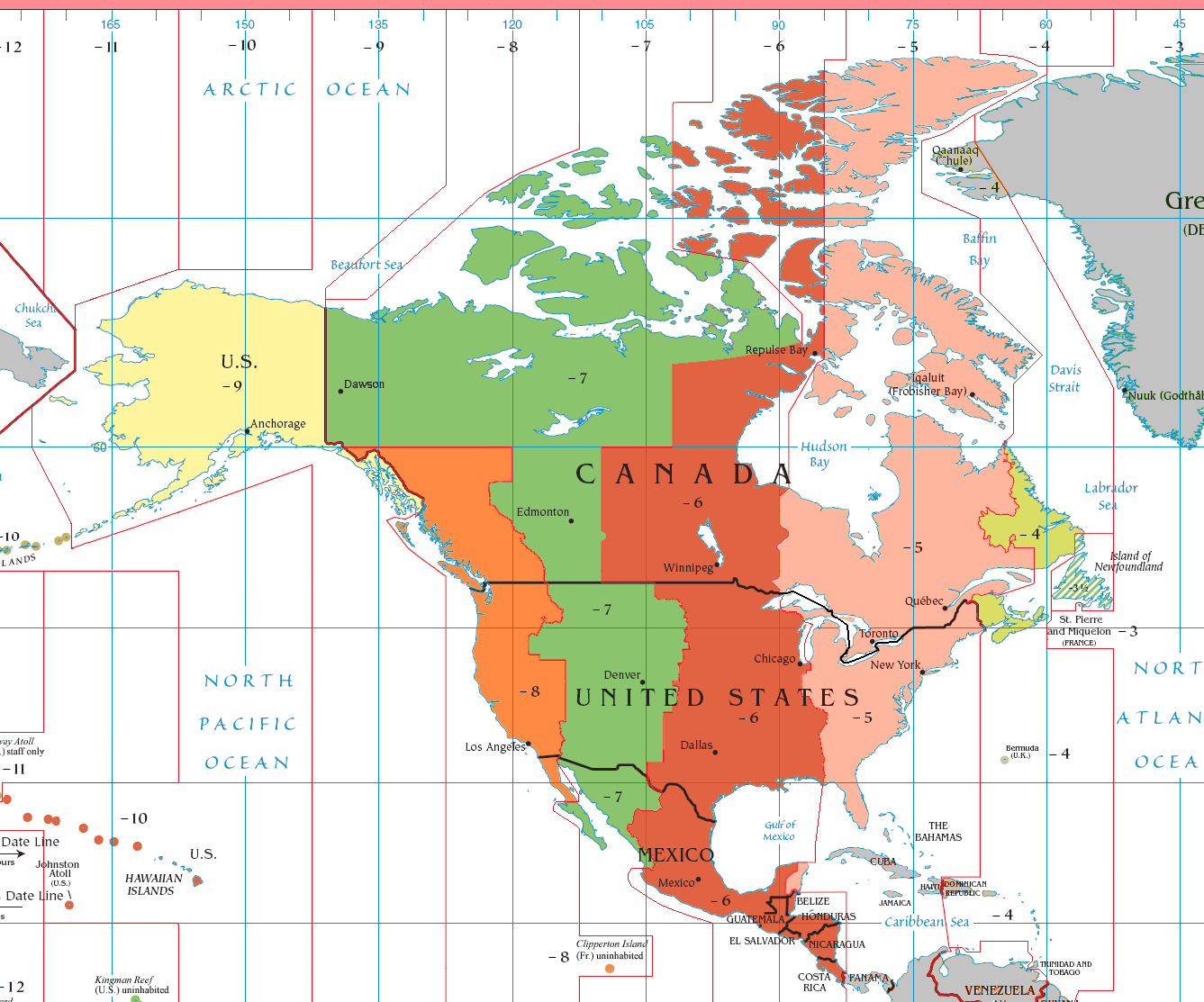
Moreover, if you are arriving from a different time zone, your internal clock might be a few hours off. You might find yourself craving dinner at 5:00 PM or seeking a late-night snack at 11:00 PM, which corresponds to your home time. Chicago has plenty of options to cater to various schedules, from 24-hour diners to late-night eateries. Taking into account your body’s natural rhythm in relation to CST/CDT can significantly enhance your enjoyment of Chicago’s food and entertainment scenes, ensuring you’re energized and ready to partake in every experience.
Accommodation and Logistics: Making the Most of Your Chicago Stay
A successful trip to Chicago isn’t just about what you see, but also where you stay and how smoothly your logistics run. The city offers a vast array of accommodation options, from luxurious high-rise hotels to cozy boutique stays, all operating within the framework of Central Standard Time. Understanding how the time zone impacts check-in/check-out times, transportation, and overall planning can make a significant difference in the comfort and efficiency of your visit.
Choosing Your Hotel: Location and Time Zone Proximity
Chicago’s diverse neighborhoods each offer a distinct character and appeal, making your choice of accommodation crucial. The Loop, the city’s central business district, is ideal for business travelers or those wanting to be close to major attractions like the Art Institute of Chicago and Millennium Park. Hotels here, such as the historic Palmer House Hilton, cater to both business and leisure guests. River North is famous for its vibrant nightlife, upscale restaurants, and art galleries, hosting luxury properties like the Langham Chicago and trendy spots like Virgin Hotels Chicago. For a more upscale experience with stunning Lake Michigan views, Streeterville boasts options like the Four Seasons Hotel Chicago and the Peninsula Chicago, placing you near the Magnificent Mile.
When booking, pay close attention to check-in and check-out times, which are universally set to local CST/CDT. If you’re arriving on an early flight from a different time zone, you might find yourself with several hours before your room is ready. Many hotels offer luggage storage, allowing you to drop off your bags and start exploring immediately. Conversely, if your flight departs late, consider requesting a late check-out or utilizing the hotel’s amenities until it’s time to head to the airport. Some hotels, especially luxury resorts or those offering long-term stays, might have more flexible policies. Always confirm these details directly with your chosen accommodation to avoid any surprises.
Practical Tips for a Seamless Chicago Experience
To ensure a smooth and enjoyable Chicago trip, a few practical tips related to time zones and logistics can be incredibly helpful:
- Adjusting to Local Time: Try to shift your internal clock gradually a few days before your trip, especially if you’re coming from a significantly different time zone. Upon arrival, expose yourself to natural light during the day and avoid heavy meals or excessive alcohol right before bed to help reset your circadian rhythm.
- Transportation: Chicago’s extensive public transportation system, the CTA, including the famous ‘L’ train, operates on a schedule that can be easily accessed via apps. Knowing the local time is crucial for catching your train or bus, especially when heading to specific events or making flight connections from O’Hare International Airport or Midway International Airport.
- Booking Flights and Transfers: When booking flights, remember that all times are local. Factor in potential delays, customs (if international), and travel time to your accommodation. Pre-arranging airport transfers or knowing the CTA routes will save you time and stress upon arrival.
- Communication: For business travelers or those connecting with family and friends in other time zones, always double-check the time difference before making calls or scheduling virtual meetings. Apps that show multiple time zones simultaneously can be very useful.
- Seasonal Changes: Be mindful of the switch to and from Daylight Saving Time. This transition can affect your sleep schedule and may even cause minor disruptions if you forget to adjust your clocks. Most modern devices update automatically, but manual clocks may need adjustment.
By keeping these points in mind, you can expertly navigate Chicago’s time zone and ensure that your travel, accommodation, and daily activities unfold without a hitch, allowing you to focus on the incredible experiences awaiting you.
Beyond the Clock: Chicago’s Lifestyle and Seasonal Travel
While understanding Chicago’s time zone is practical, appreciating the city’s lifestyle and how it shifts with the seasons adds another layer to your travel planning. Chicago is a city of dynamic contrasts, where the pace can be brisk for business and leisurely for pleasure, and its character transforms dramatically throughout the year. Integrating this broader understanding into your itinerary, alongside your time zone awareness, will enable a richer and more responsive travel experience.
Seasonal Considerations and Event Planning
The seasons play a significant role in Chicago’s appeal and what activities are available. Summer in Chicago, coinciding with CDT’s longer daylight hours, is a vibrant period packed with outdoor festivals, concerts in Millennium Park, and lively beach days along Lake Michigan. Major events like Lollapalooza and the Taste of Chicago draw massive crowds, requiring early booking for both tickets and accommodations. The extended daylight means you can enjoy architectural boat tours or an evening stroll along Navy Pier much later into the night.
As Chicago transitions into fall, the city basks in cooler temperatures and stunning foliage, perfect for exploring neighborhoods like Lincoln Park or visiting the Lincoln Park Zoo. Events like the Chicago Marathon bring a different kind of energy. Winter, with its shorter CST daylight and often frigid temperatures, transforms Chicago into a festive wonderland, complete with holiday markets, ice skating at Millennium Park, and elaborate light displays. Indoor attractions like the Field Museum, Shedd Aquarium, and the Museum of Science and Industry become popular havens. Spring ushers in milder weather, a sense of renewal, and opportunities to enjoy blooming gardens and outdoor patios.
Regardless of the season, understanding the prevailing time zone will help you plan your day’s activities effectively. For example, during summer, you might schedule outdoor excursions later in the day to take advantage of the extended daylight. In winter, you might opt for earlier indoor activities to avoid the early dusk. Always check event calendars and book accommodations, flights, and popular tours well in advance, especially during peak seasons or major city-wide events, to secure the best rates and availability.

Embracing the Chicago Pace: From Business to Leisure
Chicago’s lifestyle caters to a broad spectrum of travelers, from the high-powered business executive to the budget-conscious backpacker and the family seeking memorable experiences. As a major economic hub, Chicago maintains a brisk business pace within its CST/CDT schedule. Business travelers often utilize hotels in the Loop or River North that offer amenities like conference facilities and executive lounges. They’ll find fine dining establishments and upscale lounges perfect for client dinners after a day at McCormick Place.
For luxury travelers, Chicago offers an abundance of indulgent experiences. High-end shopping on the Magnificent Mile, exclusive spa treatments at resorts like the Four Seasons Hotel Chicago, and world-class theatrical performances at venues like the Cadillac Palace Theatre are all readily available. These experiences operate on precise schedules, making time zone awareness crucial for reservations and showtimes.
Budget travelers can also thrive in Chicago by leveraging its efficient public transportation, seeking out free attractions like Millennium Park and the Lincoln Park Zoo, and exploring diverse neighborhoods for more affordable dining options. Families will discover countless child-friendly activities, from the engaging exhibits at the Museum of Science and Industry to the wonders of the Shedd Aquarium. Planning these activities around specific time slots, especially during popular periods, ensures a smooth and enjoyable visit for everyone. Embracing the rhythm of Chicago, whether it’s the morning rush of the ‘L’ train or a serene evening by Lake Michigan, enhances the overall travel experience, allowing visitors to connect deeply with the city’s unique pulse.
In conclusion, Chicago indeed operates in Central Standard Time (CST) for half the year and Central Daylight Time (CDT) for the other half. This seemingly simple fact underpins a vast network of travel considerations, from managing jet lag and scheduling transportation to maximizing your time exploring world-class landmarks and savoring exquisite culinary offerings. By being mindful of Chicago’s time zone and its seasonal shifts, you are better equipped to plan every facet of your journey—from booking your ideal hotel in River North to securing tickets for a show at the Goodman Theatre or an exhilarating visit to Skydeck Chicago. Whether you’re drawn by the city’s architectural marvels, its vibrant arts scene, or its bustling business opportunities, a well-timed trip ensures you can fully immerse yourself in the rich tapestry of experiences that await in this unforgettable Midwest gem.
LifeOutOfTheBox is a participant in the Amazon Services LLC Associates Program, an affiliate advertising program designed to provide a means for sites to earn advertising fees by advertising and linking to Amazon.com. Amazon, the Amazon logo, AmazonSupply, and the AmazonSupply logo are trademarks of Amazon.com, Inc. or its affiliates. As an Amazon Associate we earn affiliate commissions from qualifying purchases.